5 takeaways from Lagos Games Week 2026: Packed halls, stronger panels and embracing AI as a tool

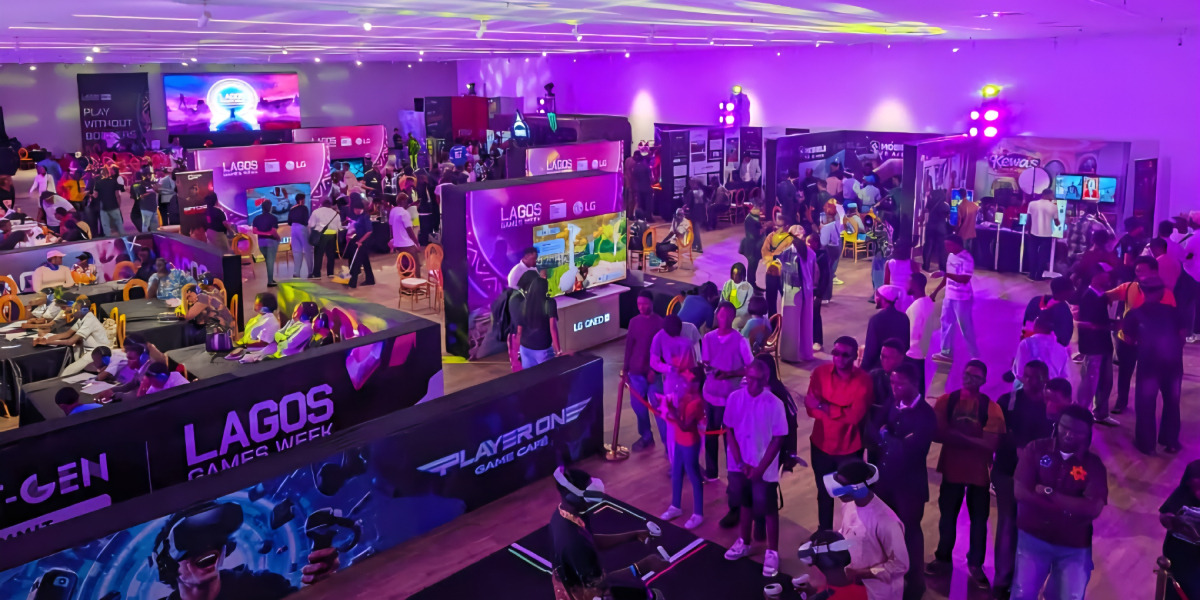
- The ecosystem system didn't feel as fragmented as in previous years.
- African studios are now focused on building more new games rather than just trying to find the next hit.
- After a no-show last year, AI became a hot topic at this year's Lagos Games Week.
Lagos Games Week 2026 has come to a close after two days of talks, B2B networking and exhibitions for developers, publishers and service providers.
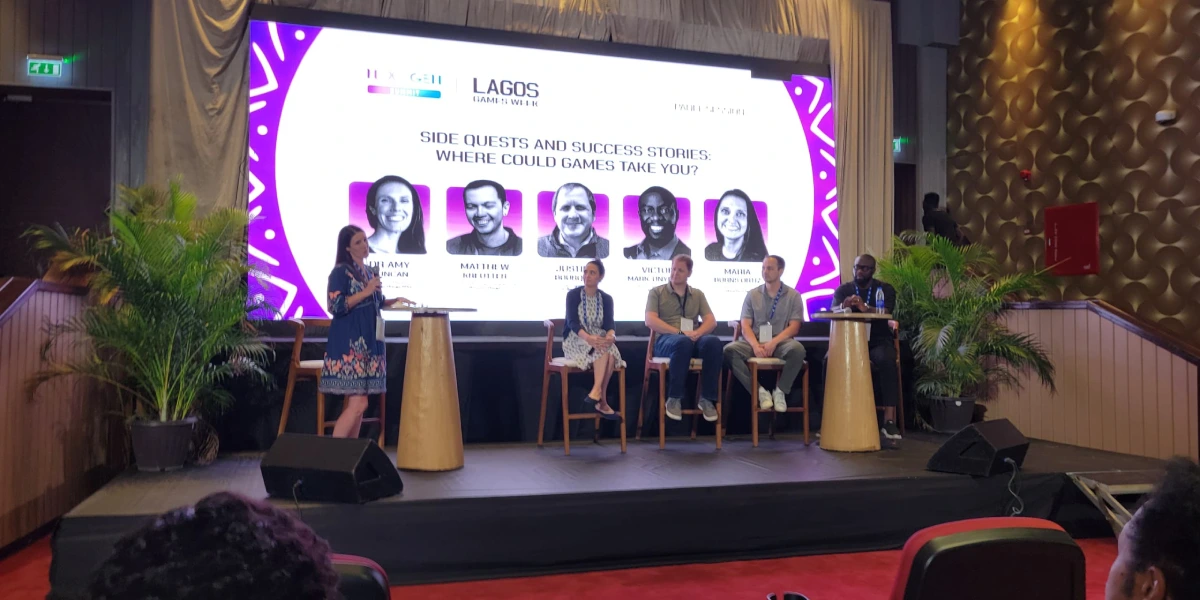
The event featured panel sessions involving Maliyo Games' Hugo Obi, Xbox's Temi Afolabi, Global Game Jam's Maria Burns Ortiz, Endless' Justin Bourque, Games for Change Africa's Amy Duncan, and convener Bukola Akingbade, whose team brought the show to life. Here are five things that stood out.
1) A bigger, more alive show
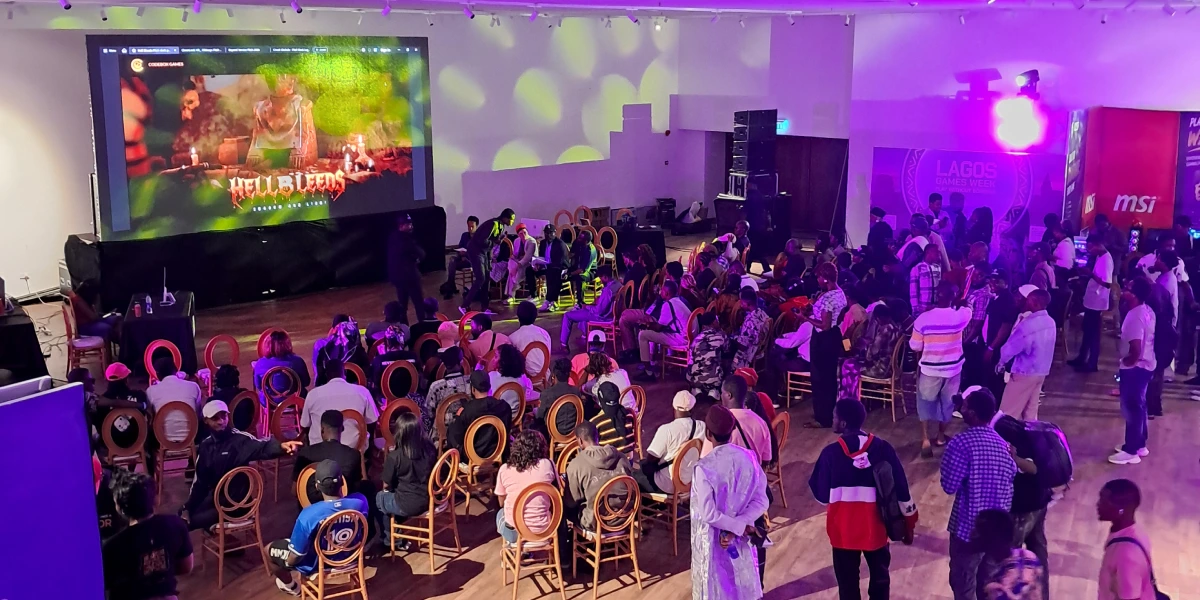
The first thing worth saying is that this year's event felt bigger and more alive than last year's. The panel sessions and the exhibition halls were both packed and the energy across the two days mirrored that. The organisers fixed just about everything that was off with last year's event and made it better in every aspect. Even the stage looked good.
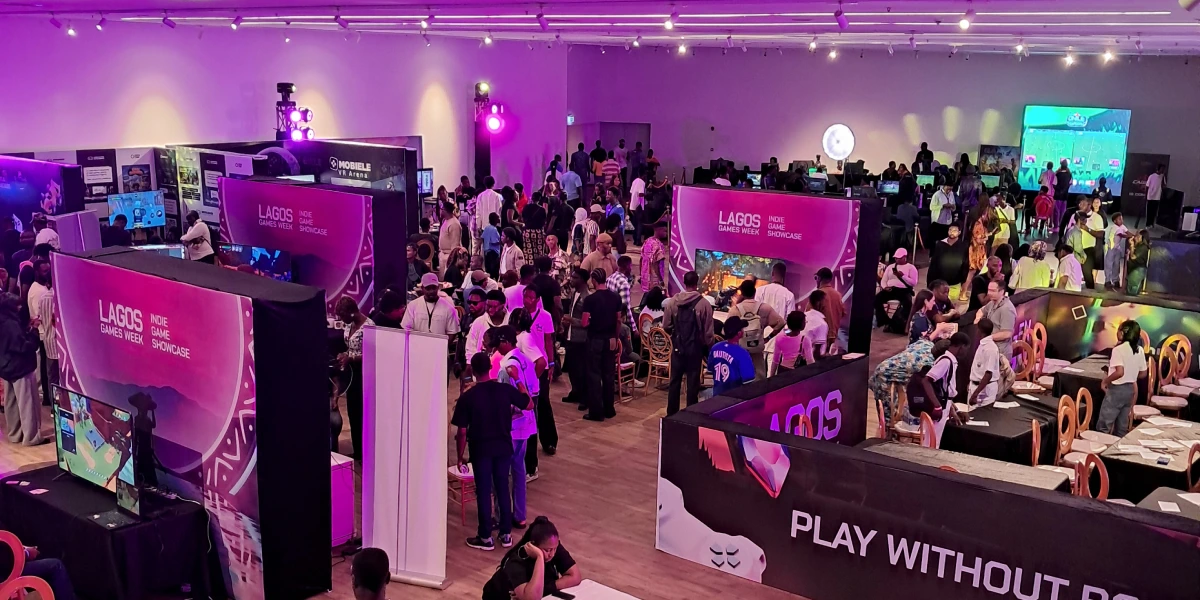
The networking carried the show too. Every break I took to write up a story, there was someone to catch up with and I still didn't reach everyone on my list. That says a lot about how many people showed up and how fast the games industry in Nigeria is growing.
It's also worth noting, though, that for all the energy inside the venue, many people in Lagos itself still don't know there are Nigerian games developers or that events like this exist. The industry is growing, but public awareness of it in the country hasn't caught up yet.
2) Stronger panels and a less fragmented ecosystem
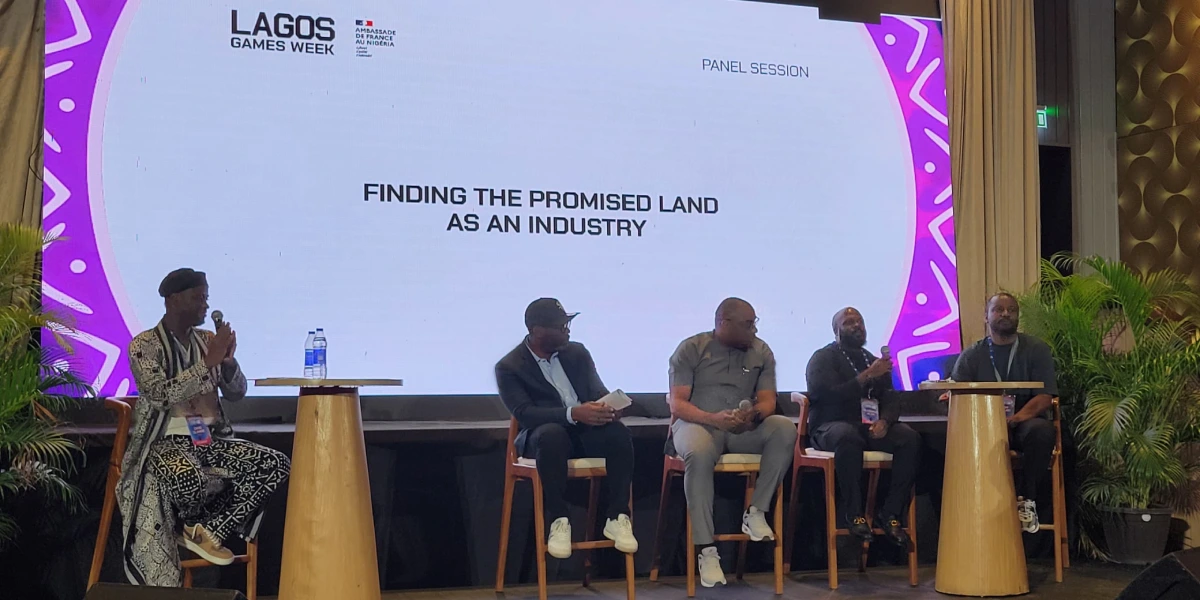
In my 2025 takeaways I wrote that the panels fell short despite a promising lineup of speakers. That wasn't the case this year. The 'Career Paths in Games' session and the 'Finding the Promised Land' panel were both sharp and most left you with something to think about.
Also, the ecosystem doesn't feel as fragmented as it did last year. It's not fixed, but the involvement from bigger, more established studios is there and that wasn't clear in previous editions. That showed in the pitch competition, too. Last year's pitching session was an invite-only gathering, but this year it was held on the main day of the show.
CodeBox Games founder and CEO Prosper Moses won with his Hell Bleeds game and the reward is an all-expenses-paid trip to Gamescom this August, where he will showcase the game in the Nigerian booth as part of a delegation. Barriers are coming down as well. New developers have access to Steam and tools that weren't there a few years ago.
3) The 'one hit' debate cools off
The hunt for the one-hit game has quietened despite dominating the talk last year. This year the mood was “let's release more titles" rather than "let's find the one", or as Fer Factor founder and CEO Feranmi Oladosu previously put it: “If we have more finished games we'll have more jobs, mentorship and the cycle continues."
Many of the games on show were mostly the same ones from last year, still in progress. Among them Fer Factor's Tossdown, Circuit Chakula from Mykiyi Entertainment, Beyond Service by Goondu Interactive and Otite from Logic Dev Studios.
A few mobile titles are coming too, including Maliyo Games' Kewa's Boutique, a fashion game still in production with a November release date and external testing now underway.
4) AI enters the conversation
The use of AI in games finally came up - and it came up early. Barely any of the speakers addressed AI last year, which, as many can attest, is the elephant in the room right now.
Many developers I spoke to still prefer the traditional route to learning and building games. But Maliyo Games founder Hugo Obi addressed AI head-on in his keynote. "AI will not replace creativity. It will amplify it," he said, arguing the studios most likely to succeed will be those that treat AI as a tool and pair it with human imagination.
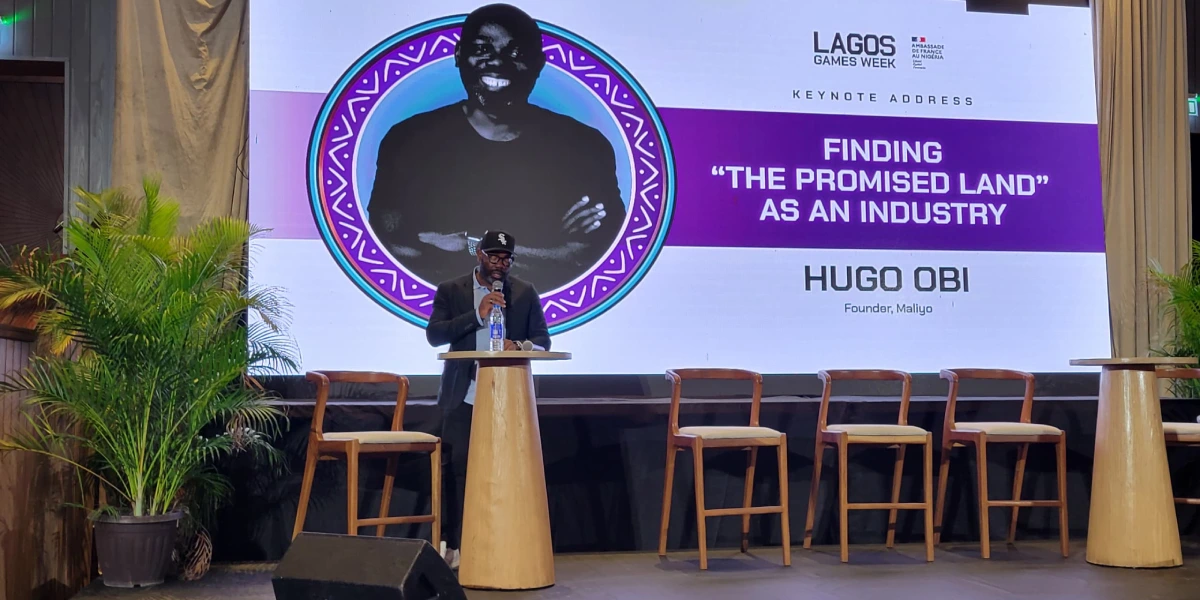
“The challenge before us is not whether AI is coming. It is already here,” he continued. “The challenge is whether we will develop the skills and understanding necessary to use it responsibly and competitively. Because the future will not wait for us. Technology is moving quickly. Markets are moving quickly. Consumer expectations are moving quickly. And our response must be equally ambitious.”
5) Building for the future
Bukola Akingbade's emphasis on collaboration is always worth listening to and this year was no different. "This is not one person's journey," she said. "Everyone in the ecosystem has a part to play, and no single person or organisation can do it alone.”
That spirit showed up off the stage too. Many of the people I spoke to worked in games but not as developers. They worked in sound, community and in other supporting roles, which was great to see for a country like Nigeria, where the ecosystem is often thought of as developers alone.
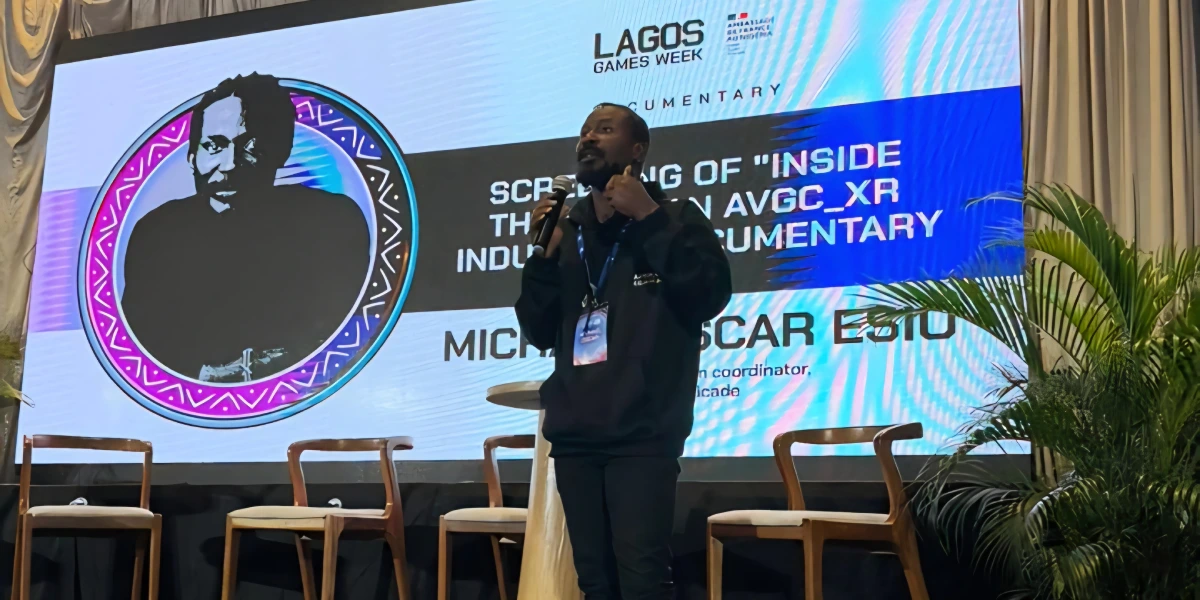
The team at Africacomicade also showed an exclusive 16-minute clip of their African Games Industry Documentary, cut from a 40-minute full runtime. It draws on conversations with around 70 creators, sharing their stories from a point of view rarely seen before, to spotlight them, amplify their voices and help newcomers understand the sector, not feel alone and find pathways to success.
Obi expressed a similar idea when talking about where he hopes the African games ecosystem will be by 2030. His vision is to build a sustainable industry that future generations can inherit, giving young creators the support, networks and opportunities they need to succeed.
“There are kids today who are like 15, by 2030 they're going to be 18, 19. And if we build an industry for them, they will come and create. [So] let us do the Nigerian thing, which is what I love the most. We don't quit. We don't make excuses. We create our own path.”
Companies


People