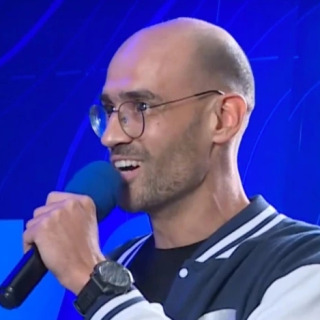
Carry1st’s Guillaume Noé: "Esports is to gaming what Formula 1 is to the car industry"

- Carry1st has shifted its focus to commerce, with Carry1st Shop, Pay1st and Flow1st now at the centre of the business.
- Flow1st is already bringing in new distribution partners across Africa and beyond.
- Carry1st now treats Africa and the Middle East as one region.
- The company says African studios will be judged on the same terms as any global partner: gameplay, retention and in-app purchase potential.
South Africa-based Carry1st has spent the past 12 to 18 months focusing more on payments, online stores and helping other companies sell games and in-game items across Africa and the Middle East.
Ahead of Pocket Gamer Connects Jordan on November 7th and 8th, we caught up with Carry1st VP of growth Guillaume Noé to discuss the company's commercial focus, how Africa’s gaming market has changed and why the region’s revenue growth is now outpacing player growth.
PocketGamer.biz: Carry1st has felt noticeably quieter publicly over the past year. Has there been a shift in how the company operates? If so, what have you been up to?
Guillaume Noé: We’ve refocused the company on our commerce platform: Carry1st Shop, our storefront, Pay1st, our proprietary payment gateway, and Flow1st, our new API solution that allows any digital consumer platform to sell in-game items and currencies directly to their users.
Distribution in particular has ramped up strongly. We now have new partners in Africa and beyond selling games they procure through the Flow1st API.
When we last spoke in 2024, Carry1st said it was only scratching the surface of Africa’s potential. Two years on, what has surprised you most about the market, and what assumptions about African gamers have you had to change?
The market dynamics are still very strong. It’s a combination of demographic growth, increased smartphone penetration with higher specs and better access to online payments. That’s why Africa is the fastest-growing gaming market.
We’ve expanded our scope to combine Africa and the Middle East, reflecting the deep player similarities between North Africa, a region we’ve served since day one, and key GCC markets.
Our latest joint analysis with Newzoo forecasts combined games revenue across MEA to reach $8.53 billion in 2026, up 10.3% year-over-year. It’s a huge milestone that shows our region continues to grow well ahead of global benchmarks.
Access remains a challenge for many players, though: mobile data has a cost, access to payments remains a hurdle for many, and games generally don’t offer localised pricing and local game servers.
Carry1st wears many hats. Payments, commerce, marketing, esports and community development all sit alongside publishing. How do you prioritise resources across these different parts of the business? And which has become most important to your growth?
Publishing is in our DNA and we know Africa from the inside. That’s what makes our partnerships with global gaming companies like Activision, Tencent and Riot Games successful. We unlock growth in Africa with a comprehensive approach.
First, we grow the number of players with on-the-ground activities around esports, communities, creators and brand partnerships. Second, we help grow revenue with our commerce and payment solutions.
We thrive by combining a best-in-class payment and commerce platform with deeply rooted local expertise in publishing games. We also deploy internal resources flexibly to help partners achieve their goals, which will each be different, so organisationally we have to maintain dexterity in how we work.
You’ve historically worked with international developers bringing existing games into Africa. What does the opportunity look like for developers actually building games in Africa? If an African studio approached you today with a game it wanted Carry1st to publish, what would you need to see before signing it?
The opportunity for African developers is strong. AI is bringing development costs down and studios can reach global audiences through global platforms, such as Steam for PC games. The standard for game developers is the same for any global partner; we want to work with the best IP that resonates with our player base.
“Our partnership with Stellar Gate Games is expanding, with distribution through third parties, rights to cover new countries like Iraq, and collaboration on future games to be announced.”Guillaume Noé
If there is compelling gameplay, good retention, and potential for in-app purchase monetisation, we would look to partner, regardless of where the game or studio originates.
Talk to us about the company’s presence in North Africa. How has the Stellar Gate Games partnership developed, and what have you learned from operating a local payments infrastructure across MENA and Africa?
North Africa, and by extension the Middle East, are strategic markets for us. We have a local presence in Egypt, Saudi Arabia, Morocco and Tunisia. Carry1st Shop has been a great success in Egypt; our payments business is solid across the region and we have an active distribution network in Algeria, Saudi Arabia, Egypt and Morocco.
Our partnership with Stellar Gate Games is expanding, with distribution through third-parties, rights to cover new countries like Iraq, and collaboration on future games to be announced. North Africa presents similarities with Sub-Saharan Africa, with a fragmented ecosystem and the rise of digital wallets and cash-to-digital solutions.
“As far as we know, this is the largest prize pool for an African-only tournament, and the winners are eligible to compete in the global CODM championship.”Guillaume Noé
Direct carrier billing and cash remain very strong. Navigating local regulations and repatriating funds are particularly challenging. This requires a local presence and expertise.
Why is esports such a big investment for Carry1st? What do you hope to achieve in the sector?
Esports is to gaming what Formula 1 is to the car industry. It’s the flagship: it showcases talent and success, and it makes gamers dream. Running successful esports events in Africa is a testament to the entire gaming scene on the continent.
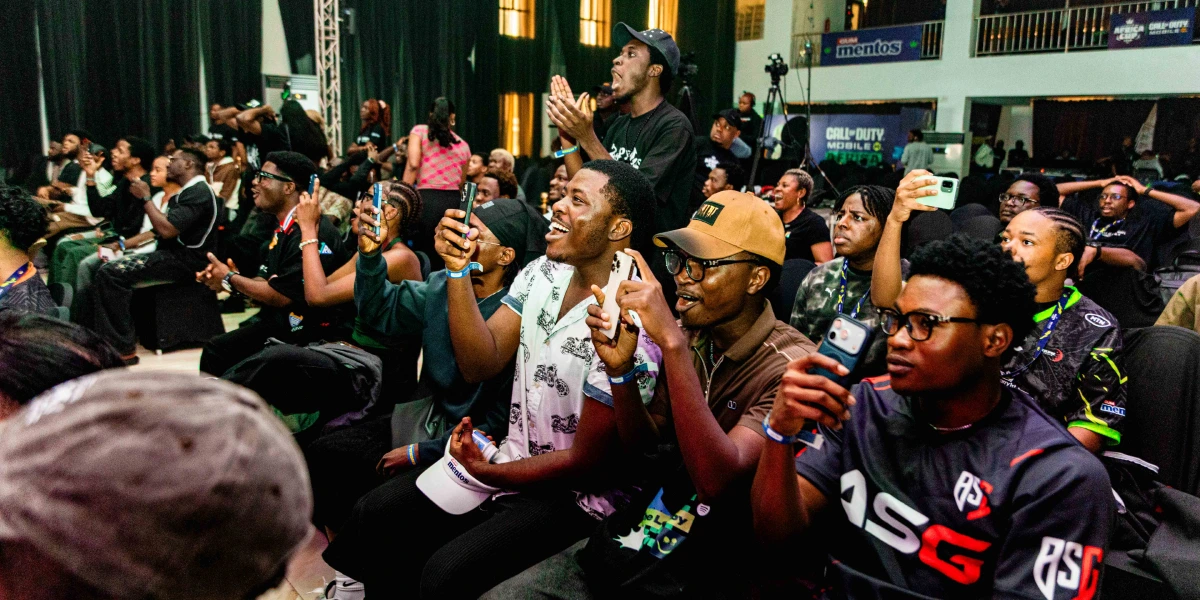
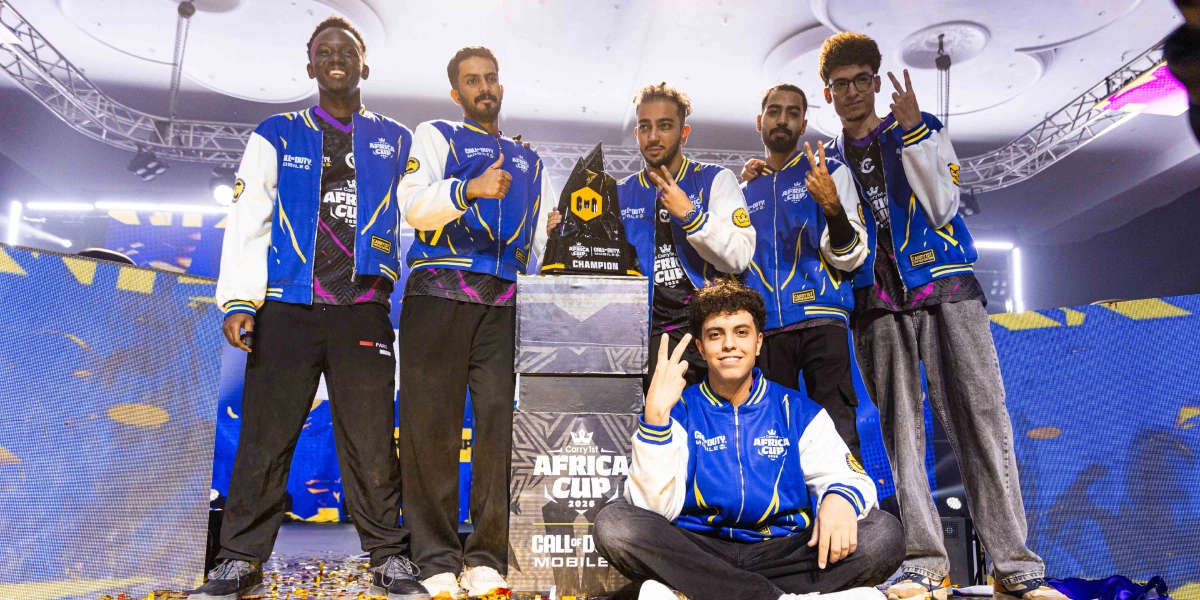
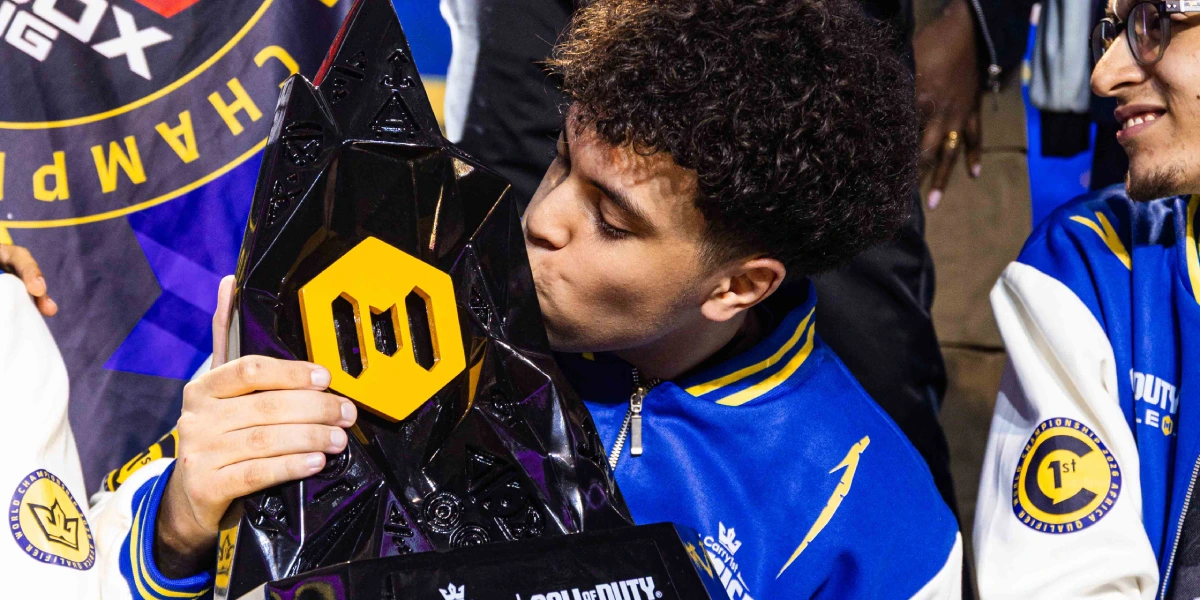
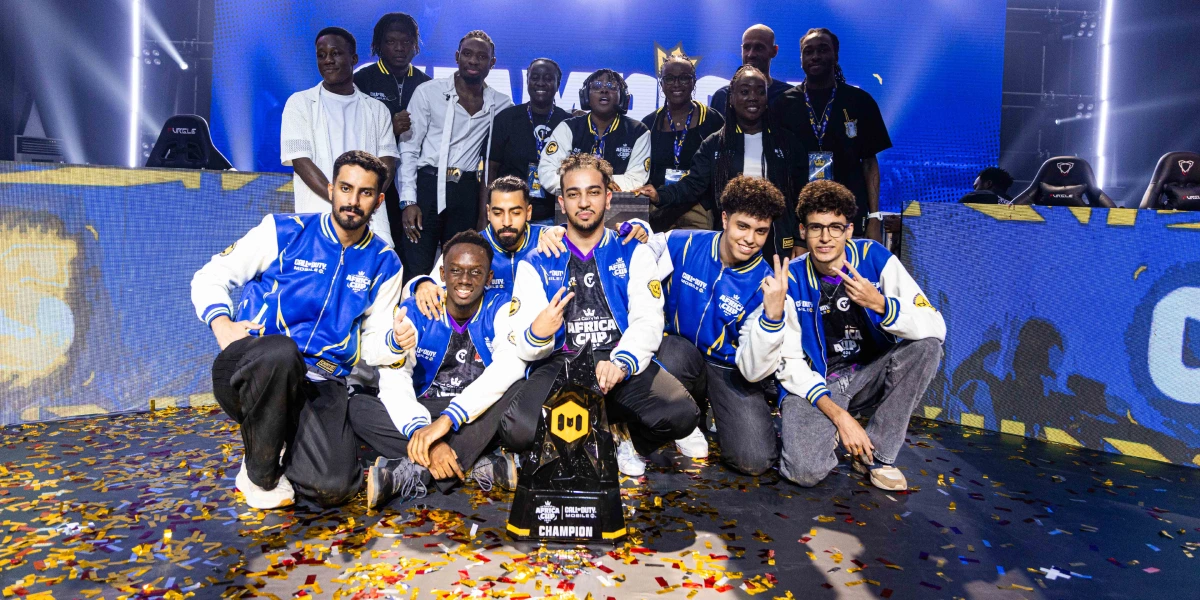
It inspires new generations of players and puts Africa on the global esports map. We’re proud to create opportunities for African players to compete on global stages. In 2026, for the second year in a row, the Carry1st Africa Cup was a qualifying event for the Call of Duty: Mobile World Championship and for the Esports World Cup, through the MLBB Women's Invitational.

Our goal is to keep creating these opportunities for African players and help the Africa esports scene thrive on global stages.
The Africa Cup prize pool has doubled from $15,000 last year to $30,000 this year. What led to that increase? And while $30,000 is a meaningful sum for an African mobile tournament, it’s still modest by esports standards. Is there a reason you’re prioritising investment elsewhere rather than putting more money into the competition itself?
Our investment in the Carry1st Africa Cup increases year on year as we ramp up production, and the prize pool is part of that. As far as we know, this is the largest prize pool for an African-only tournament, and the winners are eligible to compete in the global CODM championship.
We don’t generate any profit from the event, so it’s a balancing act: delivering a top-notch experience while being able to justify the investment with revenue growth year on year.
Last year’s Africa Cup drew over 200 teams and 1,000 players across seven regions. What are the numbers for 2026? And is there a plan to run Africa Cup tournaments for other titles outside Call of Duty Mobile?
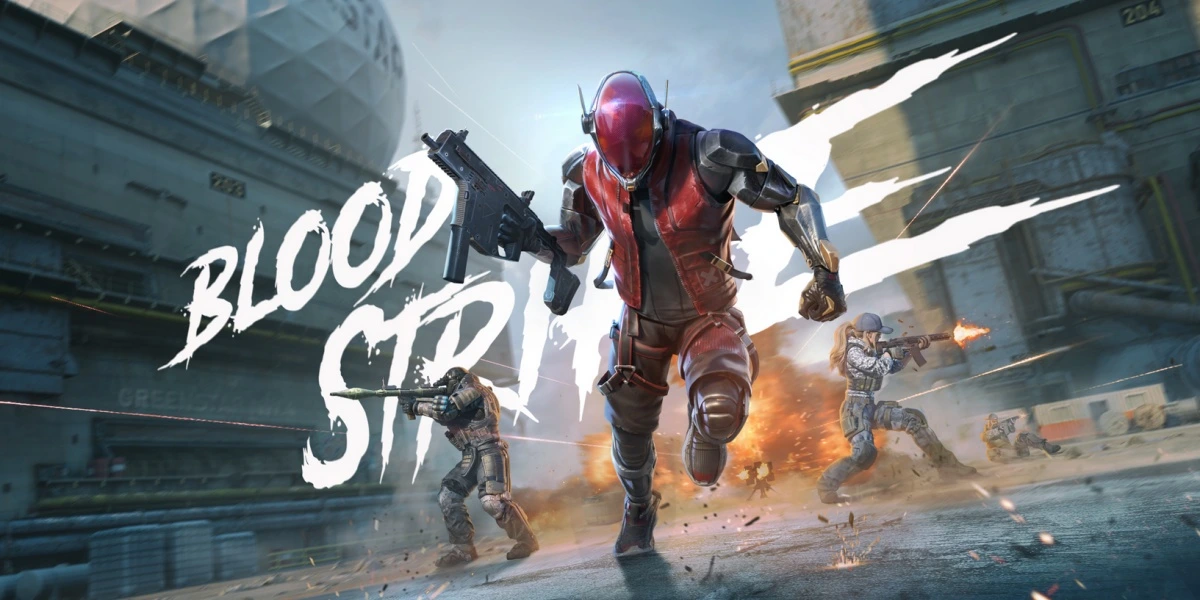
We achieved a similar number of players and teams this year. We covered the same two games as last year: Call of Duty: Mobile and Mobile Legends: Bang Bang.
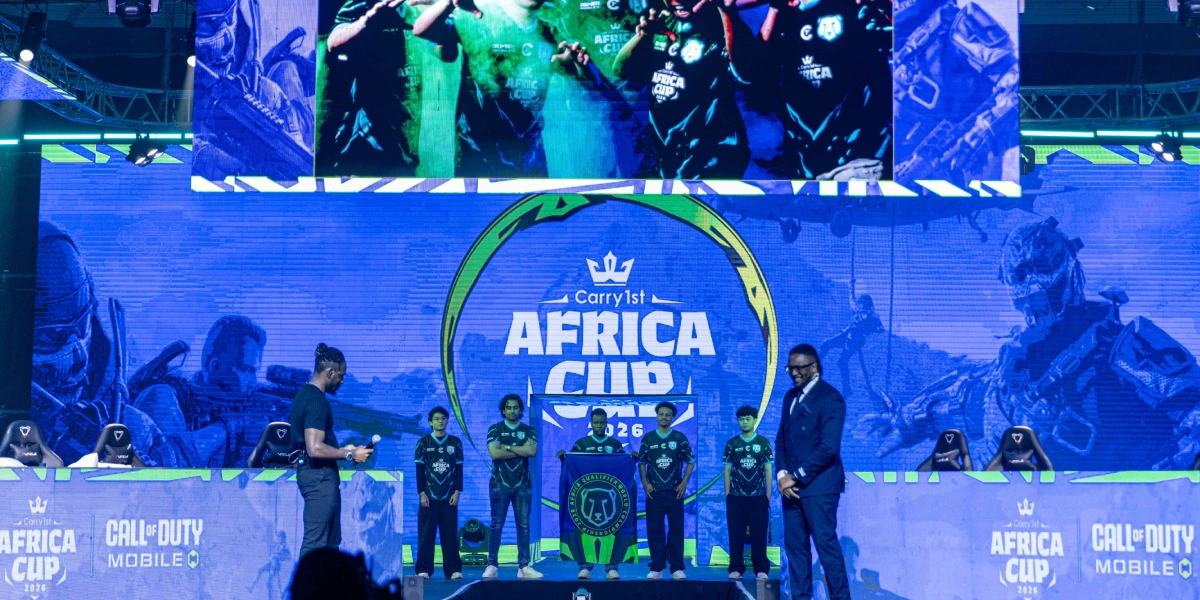
This year we have opened Call of Duty: Mobile to more countries, 38 in total, competing in five regional qualifiers. We don’t plan to aggressively scale the number of games for the 2027 edition, but we are considering different options at this stage.
Tell us about Carry1st’s Entrepreneur in Residence program, which involves giving entrepreneurs responsibility for specific markets. For someone unfamiliar with it, what exactly does it involve, and why was this the right model for the company?
It’s a new initiative and it’s well suited to the stage we are in. The role is very entrepreneurial. It’s the equivalent of a country manager, with P&L responsibility across all Carry1st products: Shop, Pay1st and Flow1st.
We’ve learned over time that it’s important to have local leadership in the countries where we want to serve players and grow our franchise.
Newzoo says Africa will have more than 406m players in 2026 and is expected to generate $1.98bn in revenue. What needs to change for that huge player base to generate more money? And do you think the industry sometimes focuses too much on the number of players and not enough on their ability to spend?
The potential of Africa’s player base is unlocked when we look at how payments are structured across the region. With fewer than 10% of consumers having access to the international credit cards typical of standard digital checkouts, spending is largely constrained by infrastructure rather than enthusiasm or willingness to pay.
By adopting localised, non-traditional payment rails, the industry can build a bridge to millions of eager players. We are already seeing this foundation take hold: in 2025, African gaming revenue reached $1.77 billion across 369.66 million players.
That set up a trajectory where revenue growth (+11.9%) now outpaces player growth (+9.9%) heading into 2026, which implies that monetisation per player is actively climbing.
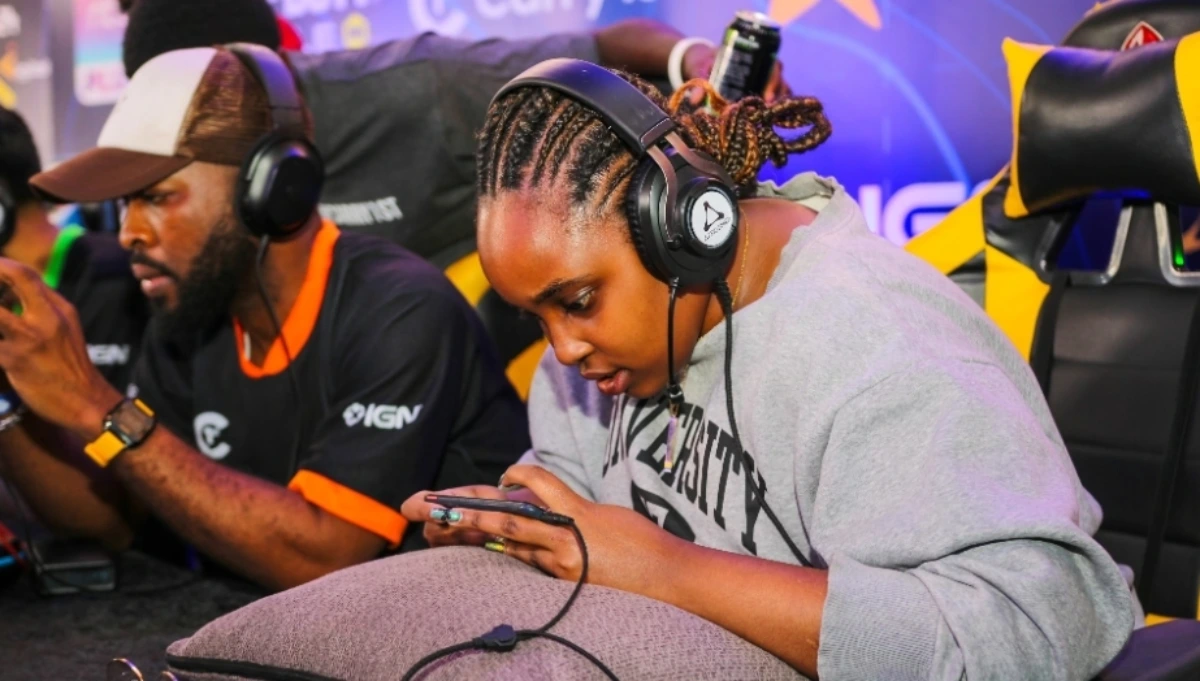
We believe that providing greater payment access is critical to supercharging this trend, but so is building localised live ops and engaging community experiences that give players more meaningful opportunities to spend.
We are committed to supporting our partners across every step of this journey to drive long-term growth for their franchises and the wider market.
Pocket Gamer Connects Jordan takes place next month, on November 7th and 8th.
Companies

People