Daily log-in bonuses and activity streaks under threat in EU Kids Act

- The proposed EU Kids Act could affect engagement mechanics.
- Games companies may need to consider how these features are used for adult and child players.
- Wiggin's Isabel Davies says the proposals could have a significant impact on established gameplay loops.
The proposed EU Kids Act could significantly affect how games use engagement mechanics for child players.
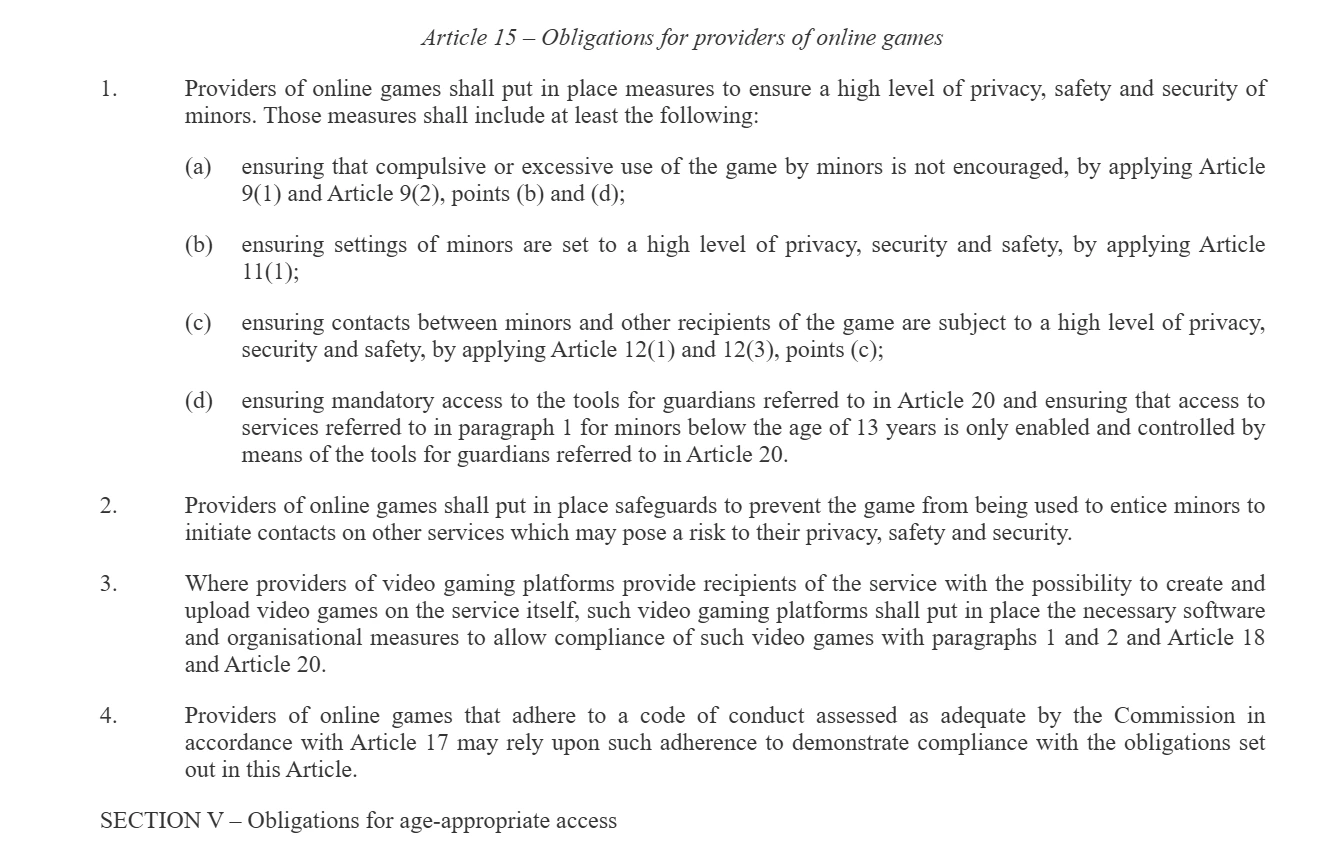
The European Commission’s proposal includes specific rules for privacy and safety settings, contacts between minors and other users, and tools for guardians.
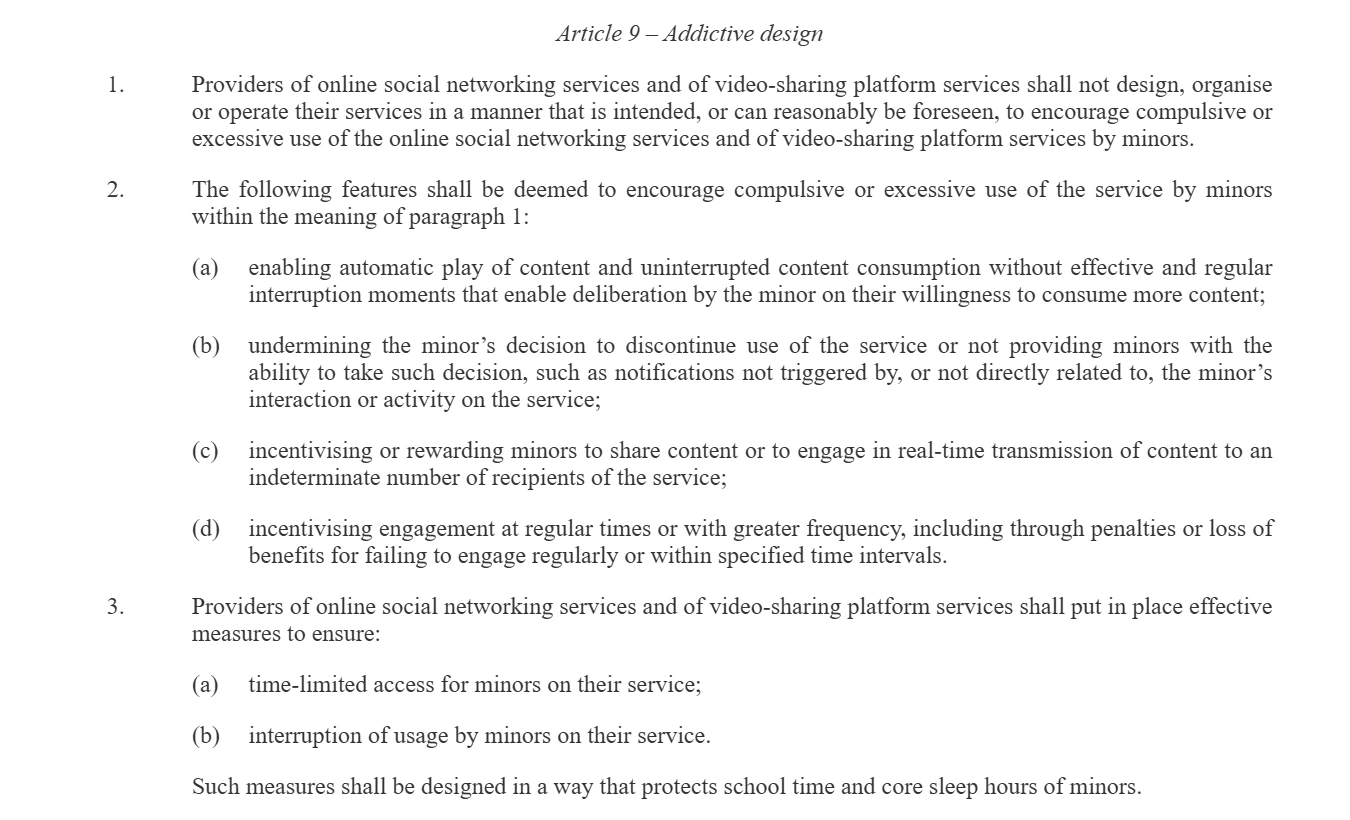
The proposal says that providers must ensure that compulsive or excessive use is not encouraged. It also says games should not expose minors to features or rewards that undermine their decision to stop playing, or encourage them to play more frequently. This includes penalties or loss of benefits for failing to play within a certain amount of time.
Wiggin senior associate Isabel Davies told PocketGamer.biz that the proposal could significantly affect the mechanics games companies frequently use.
“The EU Kids Act is broad in its scope when it comes to games – as proposed, the Act will prohibit nearly all games (including mobile games) from using many well-known engagement techniques when it comes to child players. As drafted, daily log-ins, activity streaks and other time-based mechanisms are under threat.
“Games companies will need to start considering whether they want to continue employing these kinds of techniques for their adult EU users (in which case, proper age assurance will be needed) or whether they want to remove them for all EU players. Either way – this will massively impact many games’ core gameplay loop.”
What does the proposal mean for games
The wording of the proposal could impact a number of familiar engagement mechanics. Daily login rewards, activity streaks and other features that games use to encourage players to return or maintain regular play could fall within the areas the Commission is looking to address.
Online games would also need to provide mandatory access to tools for guardians, while access to online games for children under 13 would need to be enabled and controlled through those tools.
The changes also call for EU-level codes of conduct to help establish a more consistent approach to age ratings. App stores would have to introduce an age-rating system for each app they offer and prevent minors from accessing or buying apps that are not appropriate for their age. Google Play already uses PEGI , while the App Store also has age classifications.
“As drafted, daily log-ins, activity streaks and other time-based mechanisms are under threat.”Isabel Davies
“Importantly, given the Act is in proposal stage – now is the time to voice your concerns – whether via policy experts or your trade body,” says Davies, who also warned that the proposal could be the start of wider restrictions.
“This is also likely just the beginning; many commentators were expecting these sorts of prohibitions to form part of the upcoming Digital Fairness Act. It’s likely that virtual currencies and loot boxes will be next in the regulatory firing line.”
Wiggin partner Peter Lewin added: “Child safety in digital spaces is quickly becoming one of the most heavily regulated areas out there. In 2025, we saw the EU Digital Services Act’s guidelines on the protection of minors come into effect. Those guidelines applied to a relatively limited subset of games companies though. The EU Kids Act is cast more widely and appears clearly intended to address some of the gaps left by the DSA.”
“Later this year, we’re also due to see the Commission’s long-awaited Digital Fairness Act, which will have its own implications for child safety. Assuming the EU Kids Act and Digital Fairness Act ultimately become law, together with the existing DSA, we could then have three separate pieces of legislation all covering child safety - and that’s just in Europe.
“The objectives behind these new laws are of course, commendable. But there’s no getting away from the fact that the regulatory burden they can place on businesses is real and potentially very significant.”

The European Commission says the Kids Act is intended to make digital services safer for children and teenagers. The full proposal covers online social networking services, video-sharing platforms, online games, AI companions and general conversational chatbots, as well as software application stores.
The European Parliament and the Council will now examine the proposal and negotiate the final text before anything can become law.
Companies

People
