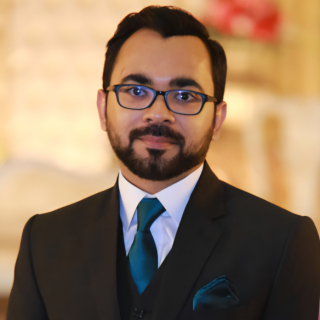
How Nimble Fox Games is building a hybridcasual studio around speed, but not chaotic speed


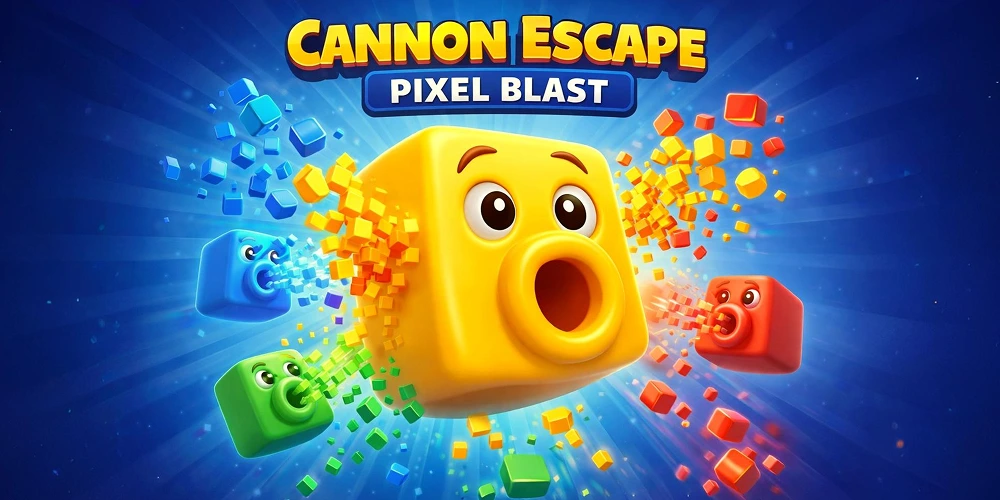
- Nimble Fox Games is shipping a new hybridcasual title every three weeks from a six-person team in Riyadh.
- The Saudi studio is targeting 20 game experiments and one or two keeper candidates by the end of 2026, with a scaled hit goal set for 2027.
- A $300,000 cheque from the Exel by Merak accelerator is funding the first 18 games in the pipeline, alongside relocation and operational setup in Saudi Arabia.
Most mobile studios bet on a single big idea. Nimble Fox Games is betting that the idea matters less than the system. Out of Riyadh, the six-person team is shipping a new hybridcasual title every three weeks, designed to test the market and die fast if the data does not hold up.
We speak with founder Qasim Ali about what a three-week release rhythm actually looks like day-to-day, why the studio refuses to call any current title a keeper before the data backs it up and how a lean Saudi setup is being engineered for capital efficiency rather than scale for its own sake.
You can learn more about the latest industry trends and gain insights into game designers at our upcoming Pocket Gamer Connects events, such as PGC Barcelona on June 15th and 16th.
PocketGamer.biz: Could you tell us a bit about Nimble Fox Games? How did the studio come about and how big is the team right now?
Qasim Ali: Nimble Fox Games is a Riyadh-based mobile game studio focused on hybridcasual games. Our goal is to build a repeatable system for finding and scaling mobile game concepts, rather than betting everything on a single title. The studio grew out of my own journey in game development, which started in 2015.
For more than a decade, I worked on game development services for clients, mostly across mobile games and mobile-first projects. Around 2020, a small core team gradually formed around that work. Together, we worked on a wide range of projects, including casual and hybridcasual games, educational games, simulations, multiplayer systems and other interactive experiences.
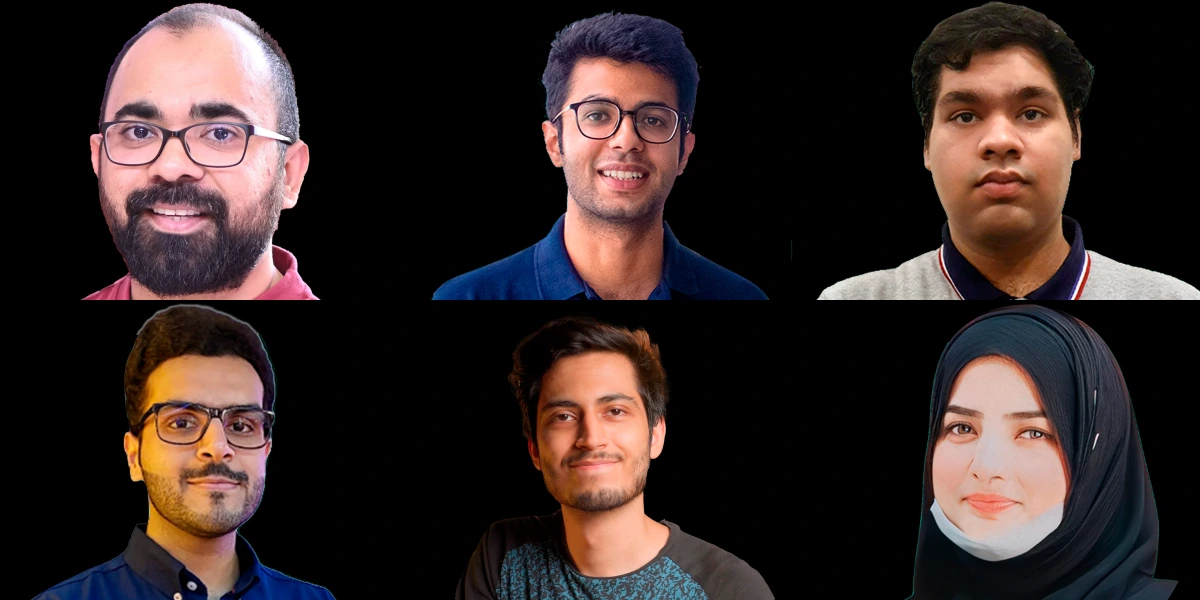
Some of the projects our team members contributed to reached millions of players, so over time, we built both the technical experience and the confidence to start creating our own products. That ambition was always at the back of our minds. We were steadily working on client projects, but whenever we had time, we would experiment with our own game ideas.
Nimble Fox Games came from that transition: moving from primarily building for others to building a studio and pipeline around our own games. Right now, we are a team of six. Besides me, the team includes a team lead, a developer, a designer, an artist and a QA. Because we are small, everyone has a clear role in the pipeline.
Design handles market research, mechanics and levels; development brings the game to life; art focuses on readability and polish; QA tests the build and feeds issues back into the loop. That structure helps us move quickly while keeping the process disciplined.
You’re releasing a new game every three weeks. Walk us through what that process actually looks like day to day. And how do you decide when a game has failed and it’s time to move on?
Our process is built around speed, but not chaotic speed. Each game takes around five weeks to go from idea to market test, but the pipeline is staggered. Design, development, art and QA overlap, so while one game is being developed or polished, the next one is already being researched. That is how we maintain a roughly three-week release rhythm.
We still consider ourselves early-stage, so the goal right now is to learn quickly: test ideas, understand what works, understand what does not and improve the pipeline with every game. A typical day starts with checking where each game is in the pipeline. For an early-stage game, design is looking at market references, soft launches, player personas and the core hook.
“The goal is not to defend every idea; it is to make the next game stronger.”Qasim Ali
We are trying to understand what is already working and what twist or improvement we can add. For a game in production, development focuses on getting to a first playable as quickly as possible. That is an important moment because many assumptions only become clear once the game is actually in your hands. In parallel, the developer is building the architecture and tools needed for the designer to create levels quickly.
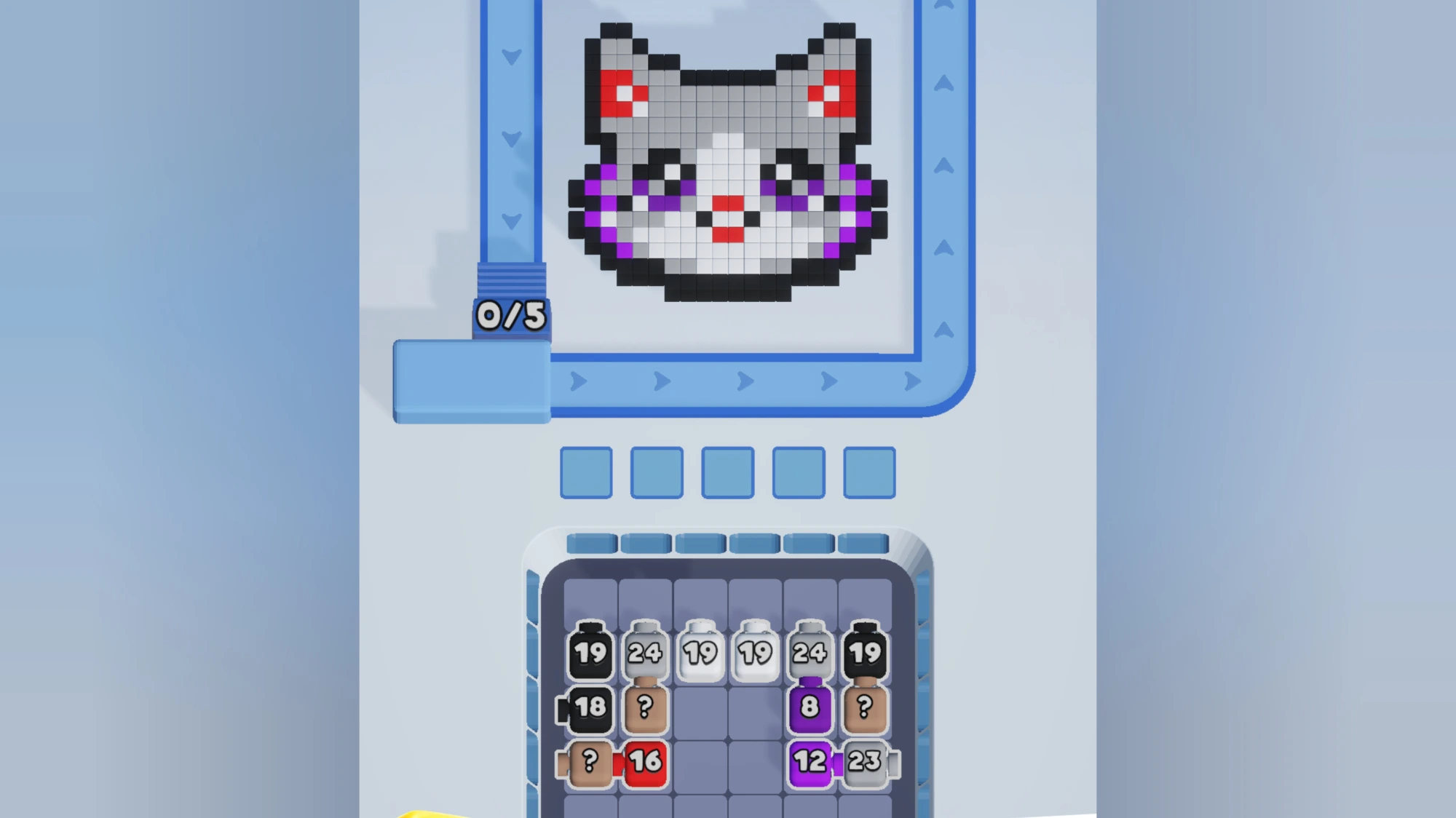
Art works alongside development rather than waiting until the end. For hybridcasual, readability is critical. A player should understand the game in the first few seconds of an ad and on a small phone screen. So art is not only about making the game look good; it is about clarity, UI, VFX, icons, store assets and creatives for testing. QA starts as soon as there is a meaningful build. They are not only checking crashes.

They are checking tutorial clarity, tap targets on real devices, level solvability, progression and whether the game is ready for an external test. Once a game is live, we use early KPI gates. CPI tells us whether the market is interested in the hook. Day zero playtime tells us whether players are engaging after install. Day one retention tells us whether there is a reason to come back.
The key is that we do not keep iterating blindly. If we see a specific fixable problem, we run a focused iteration. If the core signal is not there, we stop active development and document the learning. The goal is not to defend every idea; it is to make the next game stronger.
The team is also targeting one or two keepers by the end of 2026 and one scaled hit by 2027. Are any of your current games already in keeper territory or are you still in pure testing mode?
We are still in the early testing and learning phase, so we are not calling any current game a keeper yet. For us, a keeper is not just a game we like internally. It has to prove through data that it can move toward a positive return on user acquisition and justify deeper investment. Hybridcasual is an extremely competitive market and we are building the studio with that reality in mind.
The goal is not to expect every game to work. The goal is to build a disciplined system where every game teaches us something, improves the next one and increases our chances of finding a scalable opportunity over time. Right now, we have multiple playable titles live and ready for testing and we are continuing to build the pipeline.
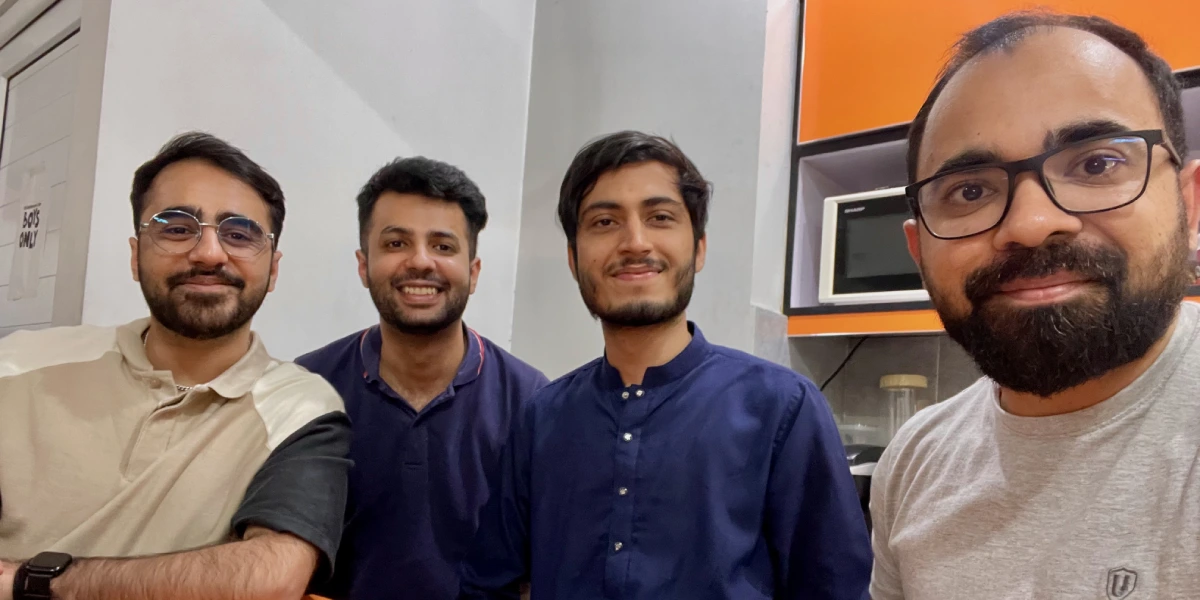
At the same time, as a relocated early-stage company, we have had to work through several operational setup challenges around relocation, processes, banking, visa and the infrastructure needed to run user acquisition tests consistently. Those hurdles have affected the pace of testing, but production has continued. At this stage we are not in keeper territory yet and we do not want to overclaim before the data supports it.
From Judge ’Em All to Color Bus Jam, you’ve shipped several titles already. Which one has performed best so far and what did the data tell you?
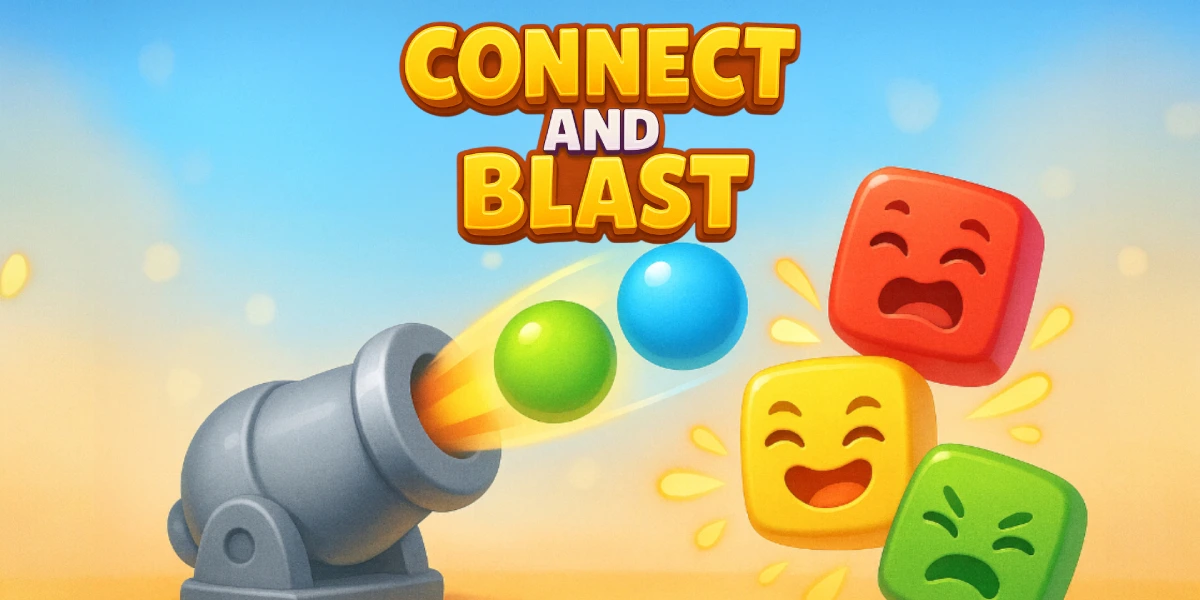
We have built multiple games that are already live on Google Play, but we are not at the stage where we want to build a public story around one game. The early tests have not yet met our internal targets. For some games, the signal was clearly weak. For others, there were parts that looked more interesting, but still not enough for us to call them strong candidates.

What the early data has reinforced is that quality alone is not enough. A game can feel polished internally, and the team can be excited about it, but the market still has to respond. Players need to understand the hook quickly, enjoy the first session and feel some reason to come back. If those signals are not there, we have to be disciplined.
That is the biggest learning so far: we cannot fall in love with a game just because we built it. We have to listen to the data, understand what it is telling us and carry that learning into the next title.
You raised $300,000 through Exel by Merak. How far does that go when you’re running 20-plus experiments a year?
We are extremely grateful to Merak and the Exel accelerator. Their support has been much more than capital for us. It helped us relocate, set up the company in Saudi Arabia, access mentors and EIRs, refine our business model and build the foundation to operate as a product studio. Without that support, it would have been very difficult for us to make this transition from client-service work into running our own game pipeline.
“For us, the important thing is discipline. We want to use this phase to prove that the pipeline can produce stronger shots on goal over time.”Qasim Ali
Our model is designed around capital efficiency. We are a lean, focused team, and we are not trying to build a large production structure before the data supports it. Each game starts as a polished vertical slice, with enough quality and content to test the core market signals.
If the data is strong, then we can decide whether to invest more deeply into content, live operations, monetisation and scaling. With the current support, we expect to complete a meaningful first phase of the pipeline, likely around 18 games.
That is a strong base for us to test the process, learn from the market, improve production quality and identify which ideas deserve more investment.
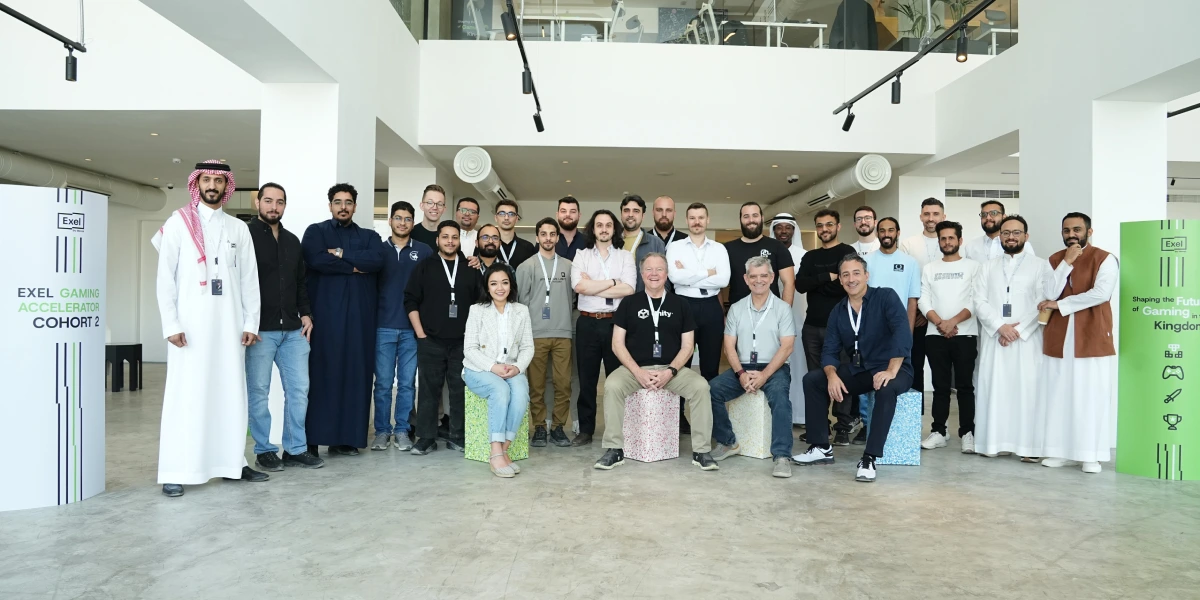
For us, the important thing is discipline. We want to use this phase to prove that the pipeline can produce stronger shots on goal over time. Once we have clearer market signals, we can make better decisions about which games to scale and how to expand the studio from there.
What changes have you observed in the MENA games industry, particularly consumer behaviour towards games? And how do you see the industry evolving in the coming years?
The biggest change I see in MENA is that games are moving from being seen mainly as entertainment to being treated as a serious industry. The passion was already here, but now you can see an ecosystem forming around it: investment, accelerators, esports, events, talent development and more studios trying to build from the region. On a personal level, I have been surprised by how often I meet gamers in everyday life.
Even while commuting, I have had so many conversations with drivers who turn out to be gamers. That may sound small, but it shows how mainstream games already are here. Saudi Arabia is a strong example of the shift happening in the region. The ambition around gaming is visible and for founders that matters because it gives the sector legitimacy.
It is no longer only about people playing games; it is about creating companies, jobs, IP and global products from the region. So I am very optimistic, but also realistic. The opportunity is big, but ecosystems take time to mature.
The region needs more shipped games, more experienced teams, more failures that turn into learning and more companies that can build repeatable processes. That is the part we are excited about contributing to from Saudi Arabia.
What are your thoughts on emerging technologies such as AI, AR and VR in games? And do you have plans to incorporate AI into your game development process?
AR and VR have a lot of potential, especially in training, simulation, education and immersive experiences, but they are not part of our current roadmap. Our model is built around mobile games, fast testing and clear market feedback.
AI is much more relevant to us today and we are already using it across our development process, including research, ideation, documentation, code architecture, debugging, QA support and reviewing assumptions.
The core of our AI policy is that ownership stays with the person. AI can assist and challenge the work, but the responsibility for the final decision, quality and creative judgment remains with the team member using it.
So we see AI as a tool, not a replacement for taste or judgment. It can help us move faster, but the game still has to be fun, understandable and strong enough to perform. The market still decides.
What are your plans for the rest of 2026? Will you be exploring new platforms? And are there any specific initiatives or projects on the horizon that we should look forward to?
For the rest of 2026, our focus is to keep the pipeline running and continue improving it with every game. The target is to work toward 20 vertical slices by the end of the year. We are genuinely excited about every game we are building. Each one takes real effort across design, development, art, polish, QA and testing and we want it to feel clear, playable and polished enough to learn something meaningful from real players.
The goal is not only to ship more games, but to make each game stronger than the last. In terms of platforms, we are staying focused on mobile. More specifically, we are Android-first for early testing because that fits the hybridcasual market and gives us clearer user acquisition signals. If a game shows strong potential, iOS is a natural next step.
The main things we are working on now are improving content depth, level design, onboarding and early monetisation readiness, so our future tests can give us clearer signals. Several of our games are already live on Google Play and we would love for people to try them, share feedback and follow the journey as we keep building Nimble Fox Games.
Companies

People