How Pokémon Go's Ambassador Programme encourages community play

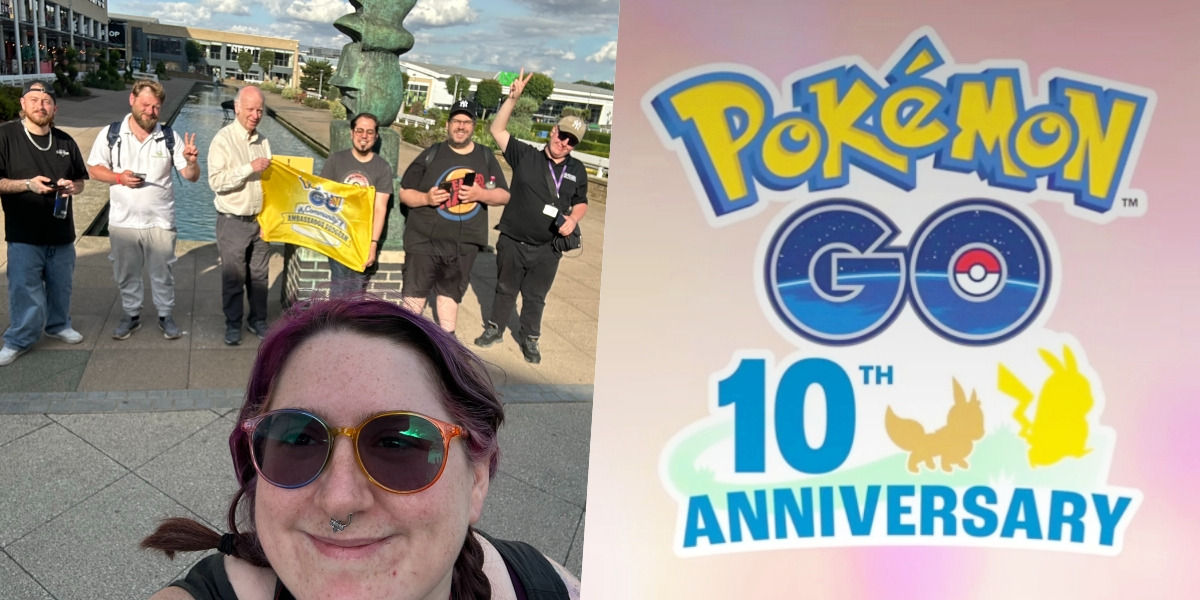
- Jupiter Hadley formed Europe's first official Pokémon Go community.
- She shares insights into the programme and how players engage with Pokémon Go after 10 years.
It’s 10 years since Pokémon Go first landed, taking over the world with its fresh, real-world gameplay and a wave of nostalgia that brought old fans back in droves.
During the summer of 2016, it wasn’t uncommon to see crowds of Pokémon trainers out on the streets hunting for rare species, personal favourites or the strongest of the strong. It was a phenomenon, a return of 90s Pokémania, that everyone was playing.
A decade later, the geolocation game is still a major moneymaker, but doesn’t quite hold the same command over culture it once had. Outside of Go Fests and similar events where players gather at a select location, the outside world isn’t full of Go players watching their phones wherever you turn.
So, the natural question becomes: how does a game that thrived on community keep that feeling alive a decade on?
“The idea was all about getting people in an area together.”Jupiter Hadley
One answer is the Pokémon Go Ambassador Programme. Rolled out in its current form in 2023, alongside the Campfire app, it marked a new way to help players organise and meet, take on raids together and more.
To learn more about the programme and its community impact, and to commemorate 10 years of this genre-defining game, we speak with Pokémon Go ambassador Jupiter Hadley, who formed Europe’s first official Pokémon Go community. Hadley is also the head of our very own Big Indie Pitch events.
She runs Pokémon Go Harlow in England, coordinating meetups on monthly Community Days as a requirement from the development team. She also focuses on Raid Hours in response to local community preference.
"To be an active ambassador, you have to run the regular Community Days. You need to run those each time," Hadley explains.
"You can skip here and there, and you can have up to two ambassadors per location, but they primarily want you to run Community Days and they're very Community Day-focused."
These monthly events innately encourage Go players to get outside exploring at the same time, as they typically last for just three hours with increased spawn rates and Shiny rates for a specific Pokémon species.
"Often we give physical merch as prizes for bigger events. So, Community Days, anyone who shows me a Shiny can get merch," Hadley says.

Origins of the programme
The Pokémon Go Ambassador Programme originally started out with a PvP focus, but this was retired when a new iteration opened up alongside Campfire three years ago, taking a broader approach to the game and its types of player.
Some enjoy battling, others like catching Pokémon or focusing on walking.
The Campfire app and service was designed by Niantic to help users connect and find one another in the real world to complete quests together. After testing, it rolled out globally in June 2023 and has been integrated into Pokémon Go via a map icon on-screen.
“It was a very small programme to begin with. You had to be invited, almost, after filling out a Google form.”Jupiter Hadley
"The idea was all about getting people in an area together," Hadley says.
"As Campfire came out for select users, they put out applications throughout America and Europe under the Ambassador Programme. They have a different name in Brazil and Asian countries, which does the same thing - it's just got a different name on the tin and they don't have the same app as we do.
"I don't know if it's changed, but at the time when they first announced it, the requirement to become an official ambassador for Pokémon Go was to hold a specific number of events. I believe it was 10, or maybe it was five, with at least 10 people photographed in a picture attending that event. You needed to say what event you did, where you were in the world and they needed to be around the same area."
Hadley submitted to join the programme early on and established the first official European Pokémon Go community.

"It was a very small programme to begin with. You had to be invited, almost, after filling out a Google form. That gave us access to Campfire a little bit more broadly - like, if you didn't have access to Campfire, you'd gain access," she recalls.
"And then all the initial starting groups were promoted on Campfire, so we ended up having thousands of people from all over the world joining our little group when Campfire first came up, wondering what this was all about.
"That was a few years back. They have done a few different iterations, a few different shifts. We often get told stuff slightly ahead of the rest of the community, although that's less and less because people leak things."
Becoming an ambassador also required Hadley to go through a background check, and her account was looked over by Niantic. The dev team checks ambassadors’ accounts often to ensure they aren’t cheating or spoofing in-game.
Those who are approved can build events for their local community in Campfire through a special backend, marking an event as having an ambassador attend. The official Harlow group has a purple star icon and gets promoted differently for having an ambassador.
"Niantic spent a lot of time supporting it on social media, saying ‘check out your local’. When they run events in England - they’ve done a Go Fest in England since I became an ambassador - they listed our community as one of the nearby communities."
When Hadley attends events - making her own way to Go Fests of Go City Safari - she is also recognised as an ambassador by the Go team. She helps man booths if needed and attends an ambassador meal, meeting up with other ambassadors from around the globe.
Playing together, 10 years later
With Gyms in the game since launch, a communal element has always been present in Pokémon Go. Early in the game, new players selected - and newcomers continue to select - between Team Mystic, Team Valor and Team Instinct.
Gyms are colour-coded based on which team is currently in control, with players battling for command over a particular landmark or location.
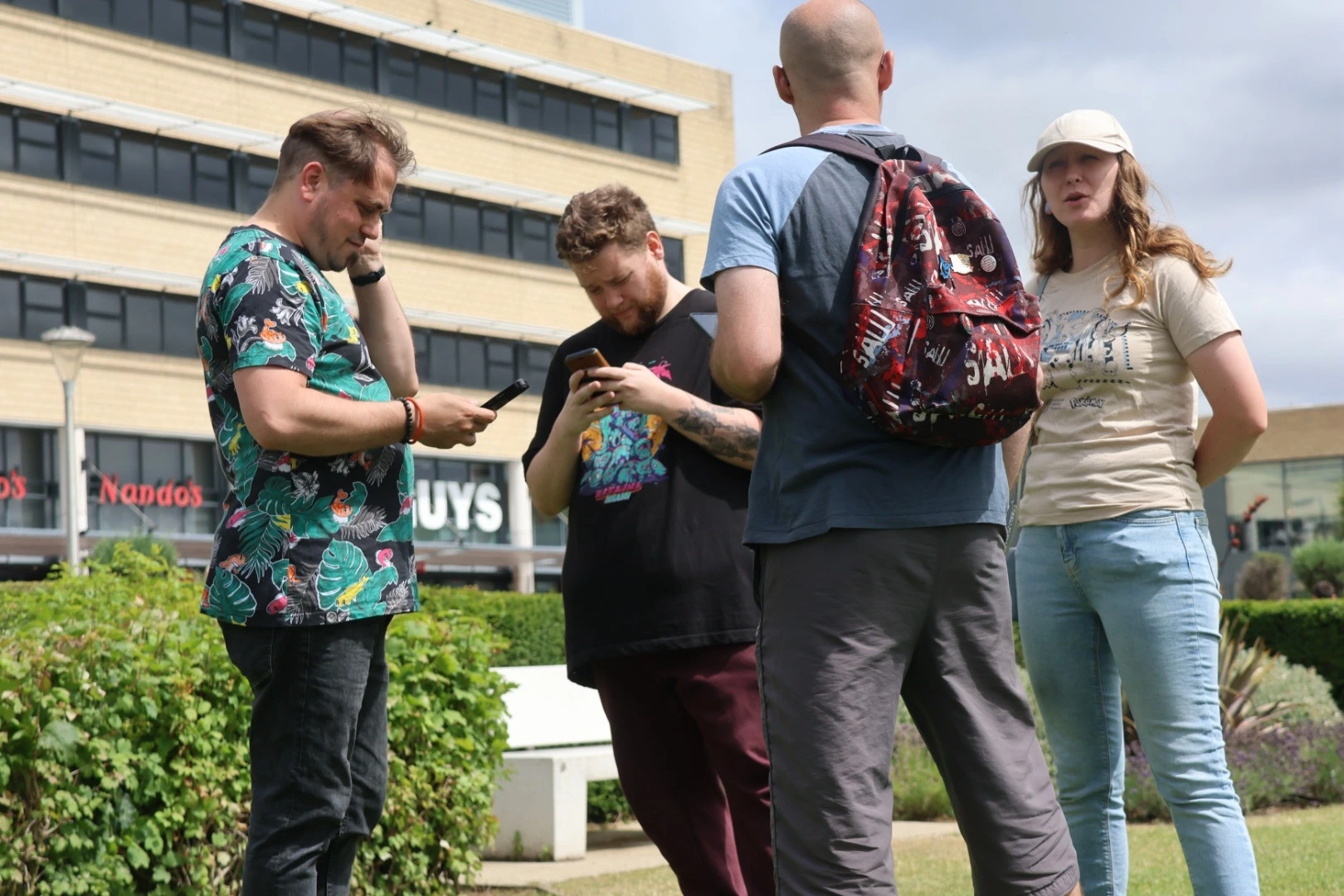
Over the years, Go introduced further community elements like PvP battles and trading in 2018, and Pokémon Go Party Play in 2023. Another 2023 feature, Routes, allows players to design a walk for others to follow.
“Some communities do way less, some do way more, some do things all up and down the country.”Jupiter Hadley
Naturally, the Ambassador Programme also encourages that community feel. We ask Hadley how engagement has changed over the years - whether it’s grown over time or streamlined to the most committed of players, especially during her time as an ambassador.
"We find that Pokémon Go is seasonal. In the winter, you start just having people who are really hardcore players, because it's freezing and dark, and every moment outside is horrible and it's raining because we're in England," she answers.
"Now that it's nicer out, you get more families coming out, the casual players who haven't played since last summer, people who are new to the game and are looking for something to do to fill up their summertime, that sort of thing. So we have a bigger boom of both new players and old players returning in the summertime."
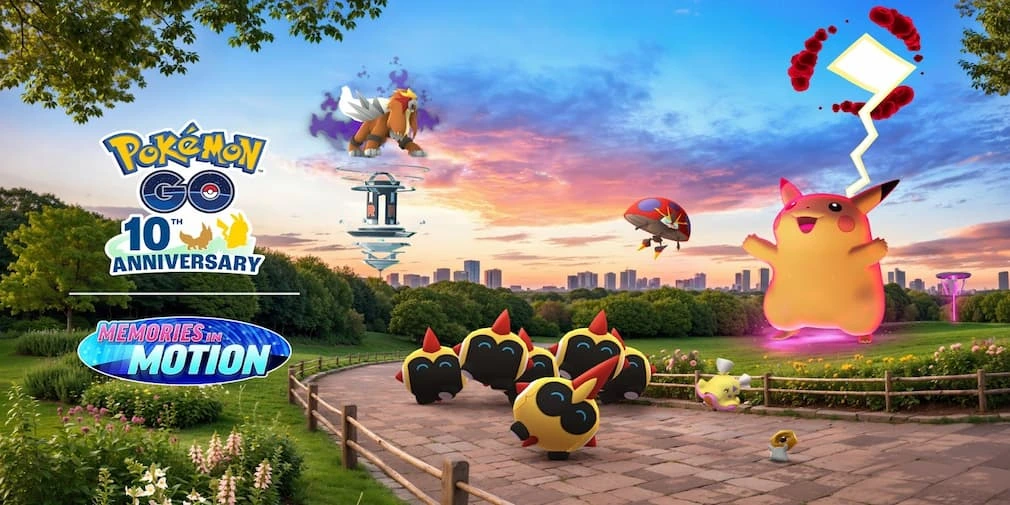
And, a decade into Pokémon Go, with its own meta from PvP to raids, the events driving the biggest audiences are those with perceived value in Go itself - not nostalgia for Pokémon more broadly. When it comes to raids, Community Days and other events featuring a specific Pokémon, Hadley notes engagement comes down more to in-game viability.
"Legendaries that are rarely in the game, like Mega Rayquaza, get people hyped. Then if there are Pokémon that are good in PVP or have special moves, people will come out more for that. There's a couple of other Legendaries that due to like the PvP ranks, people will hunt them for better IVs," she explains.
On the other hand, Pokémon that can’t be traded attract a smaller audience, and Hadley has noticed attendance for Shadow Legendary events diminish as they have become more accessible. At the same time, she still sees new players who simply want to collect any Pokémon they haven’t obtained yet.

"We've got quite a few kids that come out and play. We've got quite a few adults. We've got quite a few older people and wheelchair-bound people as well, so we've got a really good mix. And with that, our group kind of divides. We have the fast group and the slow group," Hadley notes.
As players can only participate in a limited number of free raids per day, the slow group may comprise more free-to-play fans while the fast group prioritises taking on as many raids as possible.
Hadley adds that since Scopely acquired Niantic’s licensed games portfolio for $3.5 billion, which includes Pokémon Go, one change in her role as ambassador has been the types of events she runs and when. This is largely due to a shift in the in-game schedule.
"So, where we used to have no Max Mondays, we now have Max Monday. Tuesdays, we used to run Spotlight Hour sparingly, but obviously it's now a Showcase Tuesday, which isn't at a set location. You don't need people for it. So we don't do anything on Tuesdays," she explains.
"On Wednesdays, we do Raid Hours. On Thursdays, Spotlight Hour is back."
Ambassador privileges
While playing together is already a core element of Pokémon Go, and part of the appeal for many, ambassadors are also given more tangible rewards for those players who participate in a group.
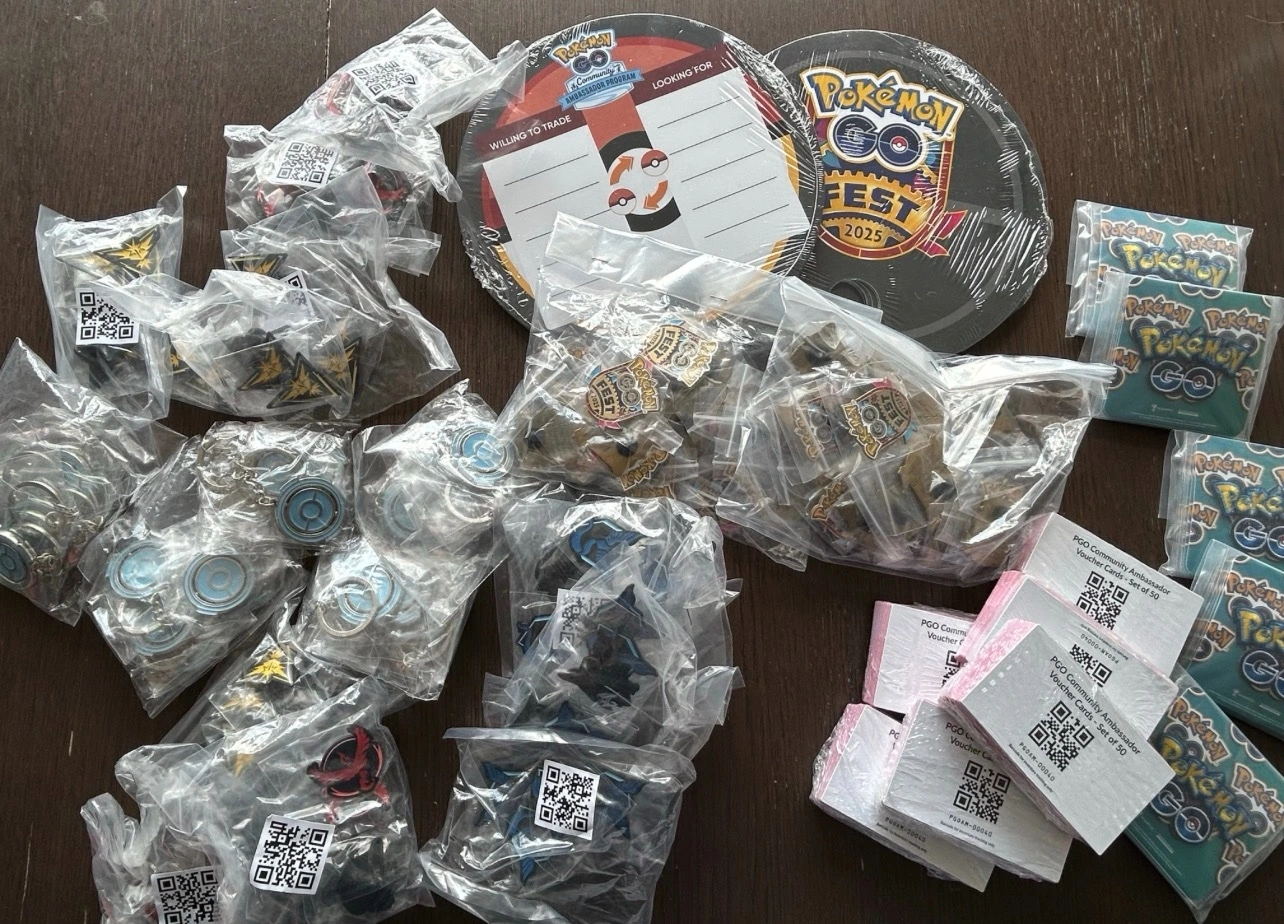
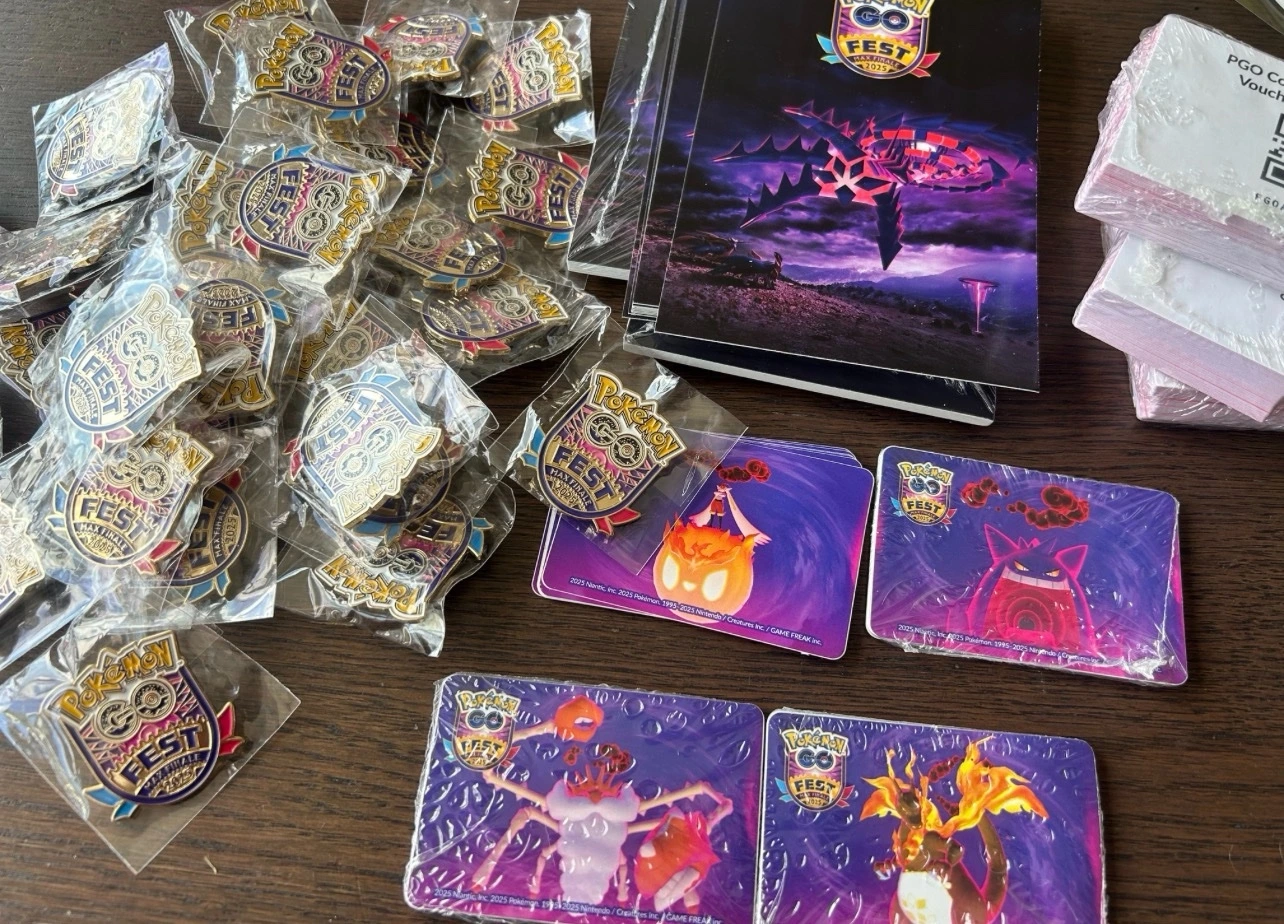
As an ambassador, Hadley can assign events with a tag to give local players a small quest line in-game, rewarding them for attending the meetup. To begin with, in-game rewards were the main way the Go team encouraged this community atmosphere. Code cards can also give players an additional free raid. Merchandise came later.
“Often we give physical merch as prizes for bigger events. So, Community Days, anyone who shows me a Shiny can get merch.”Jupiter Hadley
"If you're in America, you get, gift cards for Pokémon Go Coins. I'm not in America - I'm in Europe, so we don't get that. Occasionally they've done things like provided promo codes for Go Fest, but you have to find your own way there," Hadley shares.
"When it comes to merch, there's been a couple of different iterations. One of the first was code cards. Our specific community gives out code cards in exchange for food bank donations. We run bi-weekly food bank donations because we live in a poorer part of the United Kingdom and so people will bring a non-perishable and we will trade them for a code card."
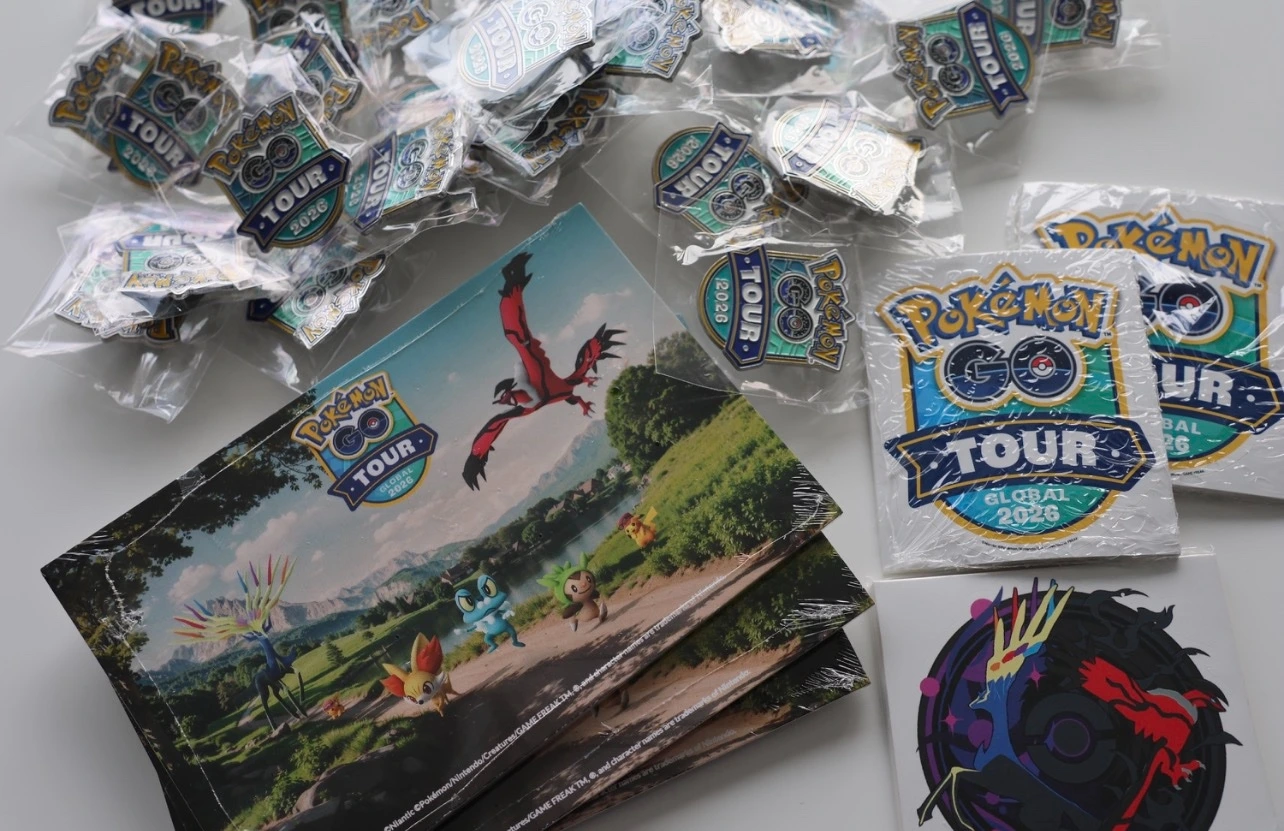
The group also tries to do good outside of official events, uplifting the real-world community outside of Go. This was inspired by a past Niantic campaign. Hadley shares that the company once ran a litter pick campaign for charity, and now Pokémon Go Harlow continues to run litter picks while rewarding participants with merchandise.
"Some communities do way less, some do way more, some do things all up and down the country," she adds.
Finally, Pokémon Go Harlow does random giveaways and distributes merchandise during events, giving physical rewards to community members keeping active with the game. This merchandise isn’t sold to players but is gifted, with the Pokémon Go team giving ambassadors "a lot of freedom" on when and why.
Read more about Pokémon Go on our sister site, PocketGamer.com.
Companies


People
