How to keep a creative team inspired under pressure with Zynga's Javi Digiorgio

- Digiorgio said better creatives move the numbers, so keeping the team sharp is a performance issue.
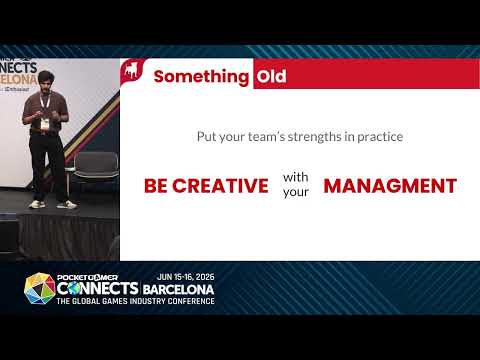
- His rule for surviving UA's volume demands: drop your personal taste and let the data decide.
- He turned a nervous team's fear of AI into curiosity by starting with a few early adopters.
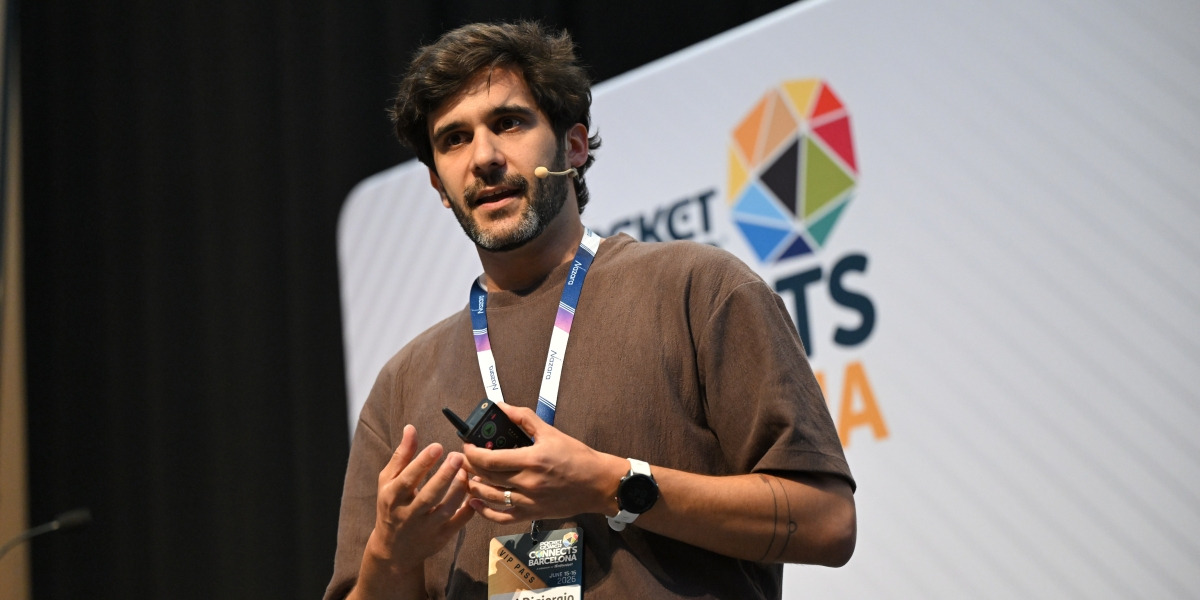
An effective ad creative is a performance lever and keeping the people who make it motivated is a business problem. That was the argument from Javi Digiorgio, associate creative director at Zynga, in a session on creative resilience at Pocket Gamer Connects Barcelona.
Digiorgio oversees creative strategy for live titles including Dragon City, Two Dots and Monster Legends, working "hand in hand with UA teams, product teams and different stakeholders". His pitch for why any of this matters is: "creatives are multipliers."
Better ads mean more engagement, more installs, higher IPMs and lower CPIs, so the creative team has "a direct impact on performance and ROAS".
A tougher industry every year
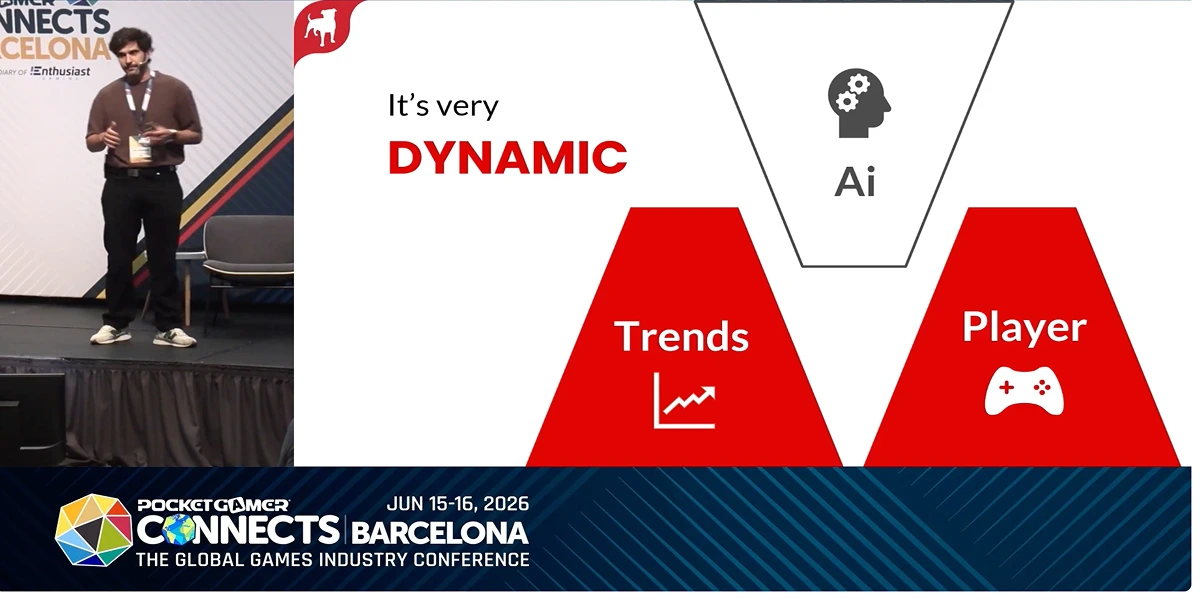
The backdrop, he said, is an industry that "is only getting tougher and tougher". It is dynamic, buffeted by macro trends like hybrid monetisation and incoming underage regulation in the UK, Australia "and most probably soon everywhere".
It moves fast on AI and other emerging tech. And the player, "our ultimate judge", is "more tired, more at fatigue than ever and less willing to spend money and time on your games".
It is also demanding. Creative strategists don't just upload ads to ad networks, they "play with their algorithms", each one different. The job is to "test 100 creatives, gather learnings and data, and put those insights into our strategy" over and over.
Add new formats, especially playables, which have become essential now so much spend runs through networks that require them, and you get the industry's biggest creative headache: the sheer volume of production. Teams are asked to make not one compelling ad but "hundreds of iterations out of it".
Something old: use the talent you already have
He framed his three lessons as a marriage story, needing something old, something new and something borrowed. The "something old" was simply making the most of your team.
Because the industry moves so fast, he said, "when we are presented with a new challenge, we quickly jump to solve it with the same processes, the same means and the same skill set" without pausing to consider alternatives or the talent already in the room.
"Eight out of 10 times, artists on your team are not just artists," he said. They are people "motivated by growth, exploration and developing their skills". Link what motivates them to a business challenge and "there's massive success there".
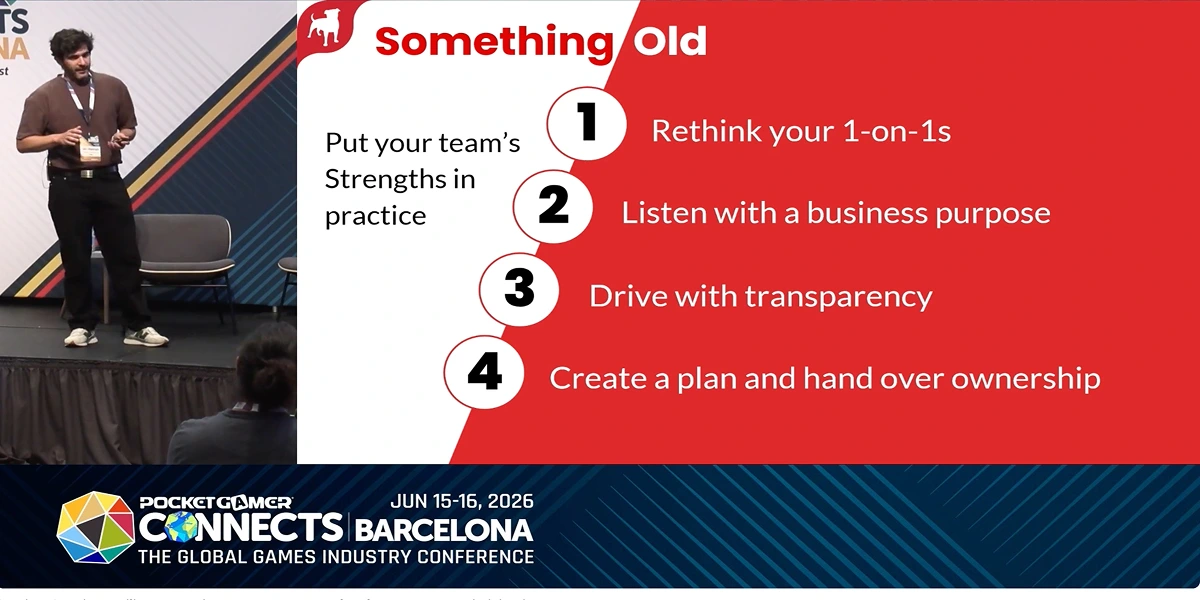
The practical route is rethinking your one-to-ones, treating them as an investment, actively listening for what motivates people, then doubling down "with transparency" and a concrete plan of expectations and milestones.
His own example: a team member keen on coding and scripting in After Effects built a workflow that turns a single six-second intro clip into "216 videos, in all lengths, all formats, in around 20 minutes". The team has since iterated into a wider production pipeline "with minimum impact on our current workload".
Something new: pick the right opportunities
The "something new" was about filtering the flood of opportunities that appear daily, from a competitor's move to an article forwarded by the CEO. Chase them all and "you won't be able to conclude any of those", nor measure them.
His three-step filter: identify the right opportunities, understand them fully rather than stopping on a headline and make sure you can actually activate them, since a flashy opportunity may need structural change you aren't ready for.
Then put a plan in place to measure it, because the only way to learn is to judge each cycle a success or a failure. Even a failure "will help you a lot when it comes to learning".
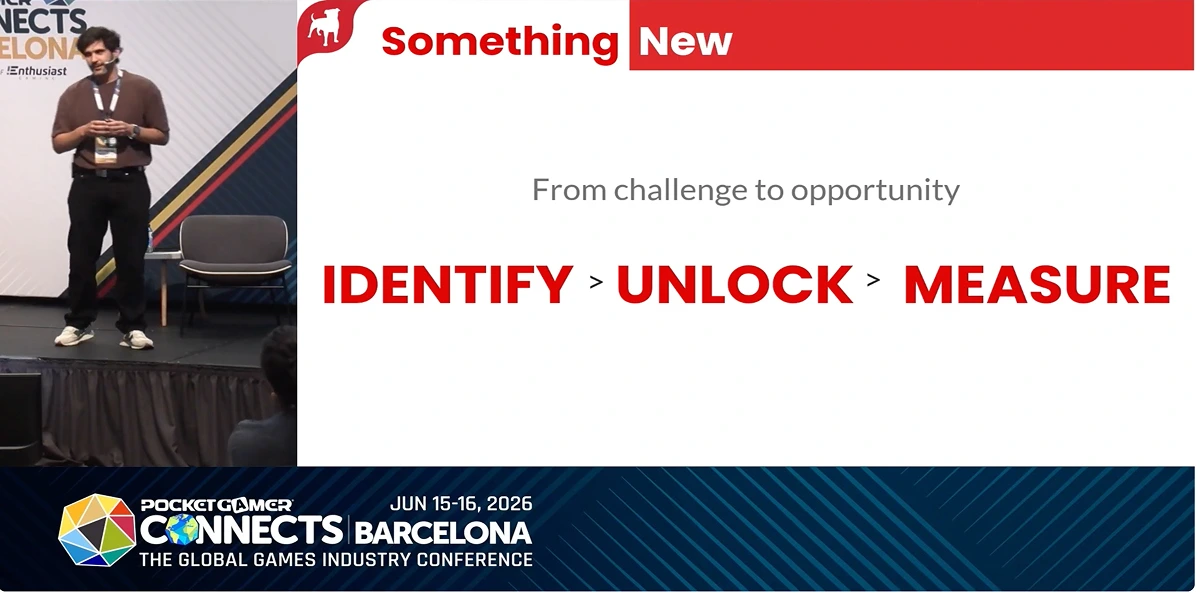
His case study was AI adoption. Two years ago the team's AI use was limited, partly by the legal requirements of a large company. But the real blocker "was not legal, it was their own artists" and their fear of being replaced. That fear, he realised, came "from the lack of understanding of how AI works".
So he pushed a few early adopters to take on easy AI-based tasks. As their confidence grew and their work impressed the rest of the team, others followed, until the situation "totally reversed".
Now team members bring him their own AI initiatives, like a Gemini tool that scouts social channels for trending content UA can capitalise on.
Something borrowed: learn from your peers
The final lesson, "something borrowed", was to tap the wealth of shared knowledge around you. The reason conferences repeat the same themes, he noted, is that "we are in the same boat and we face similar challenges".
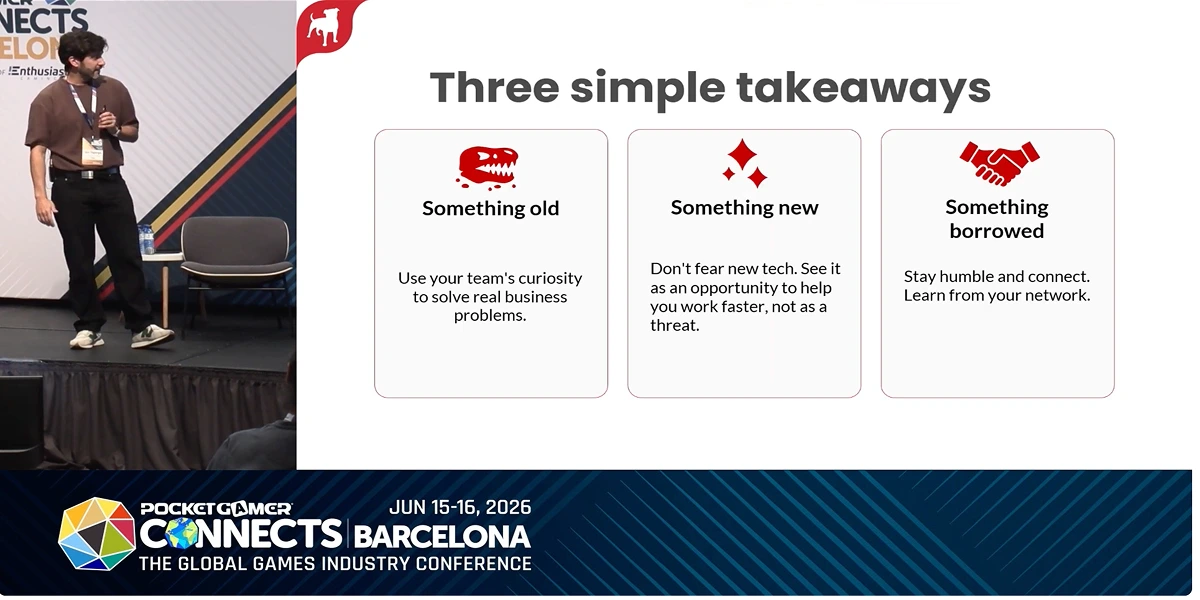
Build a network, "stay humble" and openly share your concerns so you can learn how others tackle the same problems. Inside a big company, that means sitting with different profiles - for example a data analyst facing the same challenge, and borrowing their tools. "Learn from your buddies and just stay open."
All three, he said, revolve around the same idea: turning challenges into opportunities through transparent communication.
For more creative and marketing insight, catch Pocket Gamer Connects Nordics in Helsinki on October 20th to 21st. Register now.
Companies

People

Events
