How Xbox Game Camp Africa works and why it's open to mobile developers

- Xbox picked 16 studios for Game Camp Africa 2026 from more than 75 applicants.
- Selection took nearly three years of part-time research and several studio visits.
- Each studio gets a weekly hour-long check-in with an Xbox mentor over 10 weeks.
- Mobile studios are welcome and moving to PC or console isn’t a condition of taking part.
Xbox has selected 16 African studios for the 2026 edition of Xbox Game Camp Africa, picking them from more than 75 applicants after nearly three years of research across the continent.
Similar to Saudi-based Exel by Merak’s gaming accelerator, the 10-week programme pairs each studio with an Xbox mentor for weekly check-ins, alongside office hours with experts in marketing, game design and community management. Unlike Exel, however, it comes with no funding.
To understand more about the programme, we spoke to Microsoft senior director and Xbox Game Camp founder Peter Zetterberg about how the teams were chosen, how Xbox’s PC and console focus fits a mobile-first market, and what success looks like after the 10 weeks end.
PocketGamer: You've chosen 16 African studios for the 2026 programme. What does Xbox look for when selecting teams and what stood out about this year's cohort?
Peter Zetterberg: There were many parameters we considered when picking the studios. It took us nearly three years of part-time research and several studio visits to understand the networks and diverse dynamics of game studios across the continent. But the basic criteria were that the participants were registered business entities or groups of people that planned to start a company.
This indicated the appropriate level of commitment and ambition. The next step was geographical spread. We wanted developers from across the continent represented. Obviously, South Africa has an established game developer infrastructure and it’s evident in the final list. But all compass directions, including central Africa, needed to be covered.
Thirdly, we looked at the games the studios were developing and whether they had published games in the past. In addition, we know that the continent is a mobile-first region, followed by PC and console. So, knowing each studio’s platform focus, we engaged with the many Xbox organisations to find fitting mentors that held mobile, PC and console expertise.
Lastly, we wanted to have a set of studios that could be of interest for the Xbox ecosystem, be it PC or console. After a rigorous selection process of looking at over 75 applicants, we picked 16 teams.
What lessons has Xbox taken from the previous editions that changed how you're running the 2026 programme? And what do you think global publishers and platform holders still misunderstand about African studios?
An inaccurate assumption one can make is about access to technology and infrastructure. Dissimilar to let’s say the US and Europe, Africa varies greatly across the continent and country-to-country when it comes to Wi-Fi coverage and speed, and reliable power supply.
With each studio working within the framework of what is available to them, some teams in certain regions can develop faster and be more efficient, while others must adapt to more restrictive conditions. Knowing this is key to planning and executing complex projects such as game development.
But, most importantly and on a positive note, what strikes us the most is the incredible cultural and historical diversity in addition to the obvious geo and biodiversity on the continent. The people and the land have an unlimited source of inspiration for storytelling to draw from.
Combine that with Africa having the youngest population on the planet and the fact that the first documented game in human history was created on the continent, Senet, and we are very positive about its future. All things considered, we are excited to see how talent in Africa will grow in bringing regionally authentic games that resonate with a global audience.
The programme runs for 10 weeks with mentorship, office hours and project support. What does that support actually look like for a studio week-to-week and how closely are mentors involved in the teams’ projects?
Each studio is paired with a mentor for a weekly check-in about their projects, usually about an hour or more. The studio brings its current work, questions and challenges, and the mentor helps assess progress, provide feedback on decisions, set realistic priorities and identify next steps.
If a question needs expertise beyond that mentor’s subject matter expertise, the wider Xbox Game Camp network of mentors can help. Mentors stay close to the work as advisers, but they do not direct the project or contribute materially to the game. The studio remains in charge of its creative and development decisions.
In addition to the weekly mentor sessions, we try to run a weekly Office Hour for all campers. During Office Hours, subject matter experts in the fields of marketing, project management, game design and community management, etc., share best practices. Plenty of time is made available for campers to ask questions directly to the presenter.
Talk to us about the relationship with ID@Xbox and the Developer Acceleration Programme. How does that work in practice? Is Game Camp intended to be a pathway for African studios to eventually bring their games to Xbox, including potentially accessing the funding and other support available through DAP?
Absolutely. Xbox Game Camp and ID@Xbox's Developer Acceleration Programme (DAP) play complementary roles. Game Camp helps studios strengthen their projects through mentorship, feedback and guidance on scope.
DAP can provide support at a different stage, including technical assistance and, for selected projects, funding for prototyping or porting. In practice, the teams work with Game Camp mentors, and when a studio and its game are ready for a conversation about bringing that game to Xbox, Game Camp can make a connection with the ID@Xbox and DAP teams.
“Success breeds success and the path there is to keep shipping games, learn from mistakes and hardship and keep going. Release, rinse, repeat.”Peter Zetterberg
So yes, Game Camp can be a pathway, but it is not a publishing or funding commitment. Each studio’s next step depends on its project and readiness. Participating in Game Camp does not automatically qualify a team for DAP support or guarantee an Xbox release.
Mobile remains the dominant platform across much of Africa, while Game Camp's relationship with ID@Xbox naturally points toward PC and console. How conscious is Xbox of that platform mismatch and does it affect the kind of support you provide?
Xbox Game Camp Africa is designed to meet studios where they are and help them grow from there. We recognise that mobile is a major focus for developers across the continent and we sought mentors with mobile, PC and console experience to reflect the needs of the selected teams.
Our starting point is each studio’s own game and goals. If a team sees a future for its project on PC or console, that can be part of the conversation, but it is not a condition of participating.
What happens to studios once the 10 weeks are over and how do you measure success after the programme? Is there a formal follow-up process or does the relationship with Xbox largely end when the programme does?
The 10 weeks are really a starting point, not the end of the relationship. By then, we want each studio to have made meaningful progress on its game and built connections it can carry forward. We stay in touch with alumni and look at what happens over time, whether that’s a game moving closer to release, a studio growing, or a new industry opportunity.
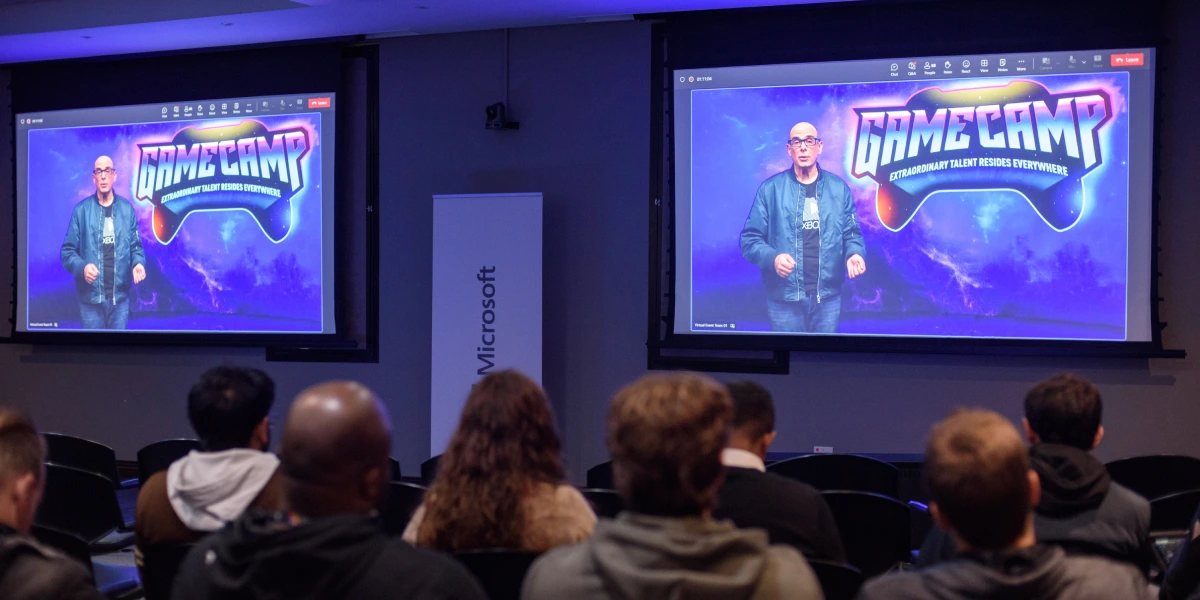
Success won’t look identical for every team and it may take longer than 10 weeks to see the full impact. We don’t offer campers publishing deals or a formal next step, but we do want the connections made through Game Camp to continue to be valuable to them and our mentors.
From your perspective, what’s unique about the studios you’re seeing from Africa compared to those from other regions? Is it greater use of AI, cultural games, a focus on certain genres or something else entirely?
What stands out to us are the range of ideas, rather than one defining genre or technology. Across this cohort, we’re seeing studios draw on local histories, pre- and post-colonial events, mythology and everyday life to create original games, while working in Unity, Unreal, Godot and RPG Maker on games for mobile and PC to projects specifically catered for Xbox.
“I don’t think Africa needs to follow the same path as China or the US to become a major force in games.”Peter Zetterberg
There are experienced teams alongside newer studios and they’re approaching very different kinds of games. I wouldn’t reduce their creativity to a single ‘African’ style. What’s exciting is seeing each team bring its own perspective to a game that can connect with players well beyond its home market. We believe in locally authentic games that resonate with global audiences.
Despite its numbers and potential for growth, some view Africa as one of the most complex markets. What do you think needs to change for the region to become a true powerhouse in gaming, on par with, say, China or the US?
I don’t think Africa needs to follow the same path as China or the US to become a major force in games. It’s a continent of different markets and studios are working under very different conditions. What matters is giving talented teams more consistent access to the support, connections and opportunities that help them build sustainable businesses and reach players.
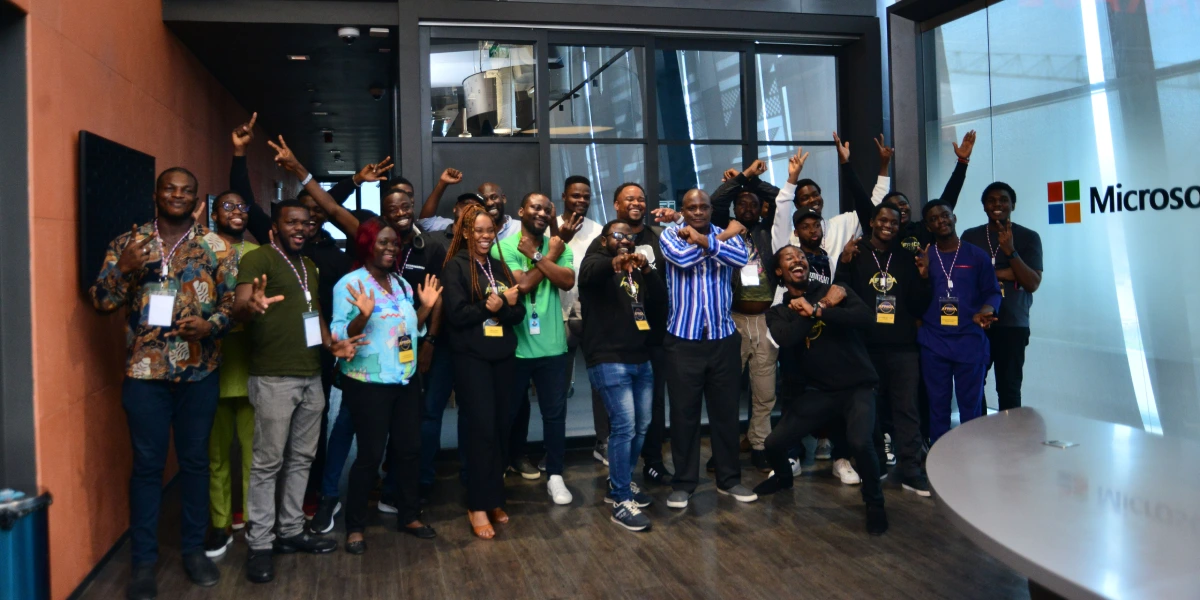
Game Camp is one part of that. The talent and ambition are already there; the industry needs to keep investing in the pathways that help those studios grow. Before Sweden established itself as a market-leading nation in video games, I remember how hard it was to secure funding or deals in the 1990s.
It’s very different today. Success breeds success and the path there is to keep shipping games, learn from mistakes and hardship and keep going. Release, rinse, repeat.
What would you like the programme to look like five years from now and what would a successful graduate look like at that point?
Five years from now, I’d like Game Camp Africa to be a lasting connection between studios across the continent, experienced mentors and the wider games industry. We began by listening and learning about different developer communities.
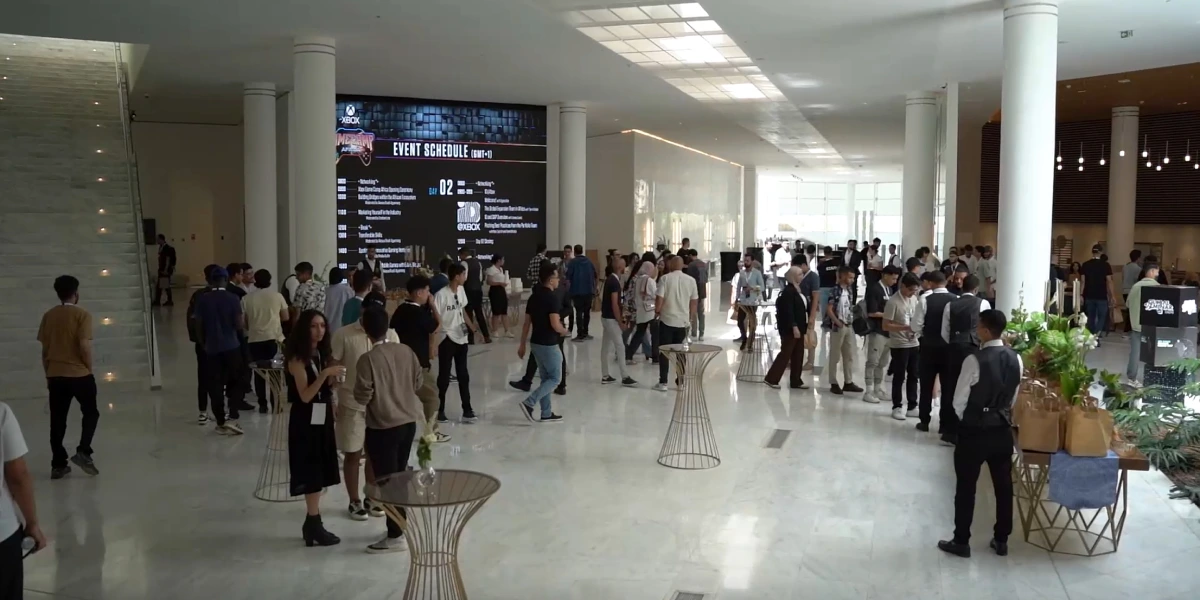
Now that we’re working directly with established studios, the goal is to keep making the support more relevant to what each team is building and where it wants to go. A successful graduate wouldn’t have to fit one mould or release on one platform.
I’d hope to see a studio still making games, growing on its own terms and reaching the players it set out to reach. If those teams are also sharing what they’ve learned with the next generation of developers, that would be a meaningful sign of the programme’s long-term impact.
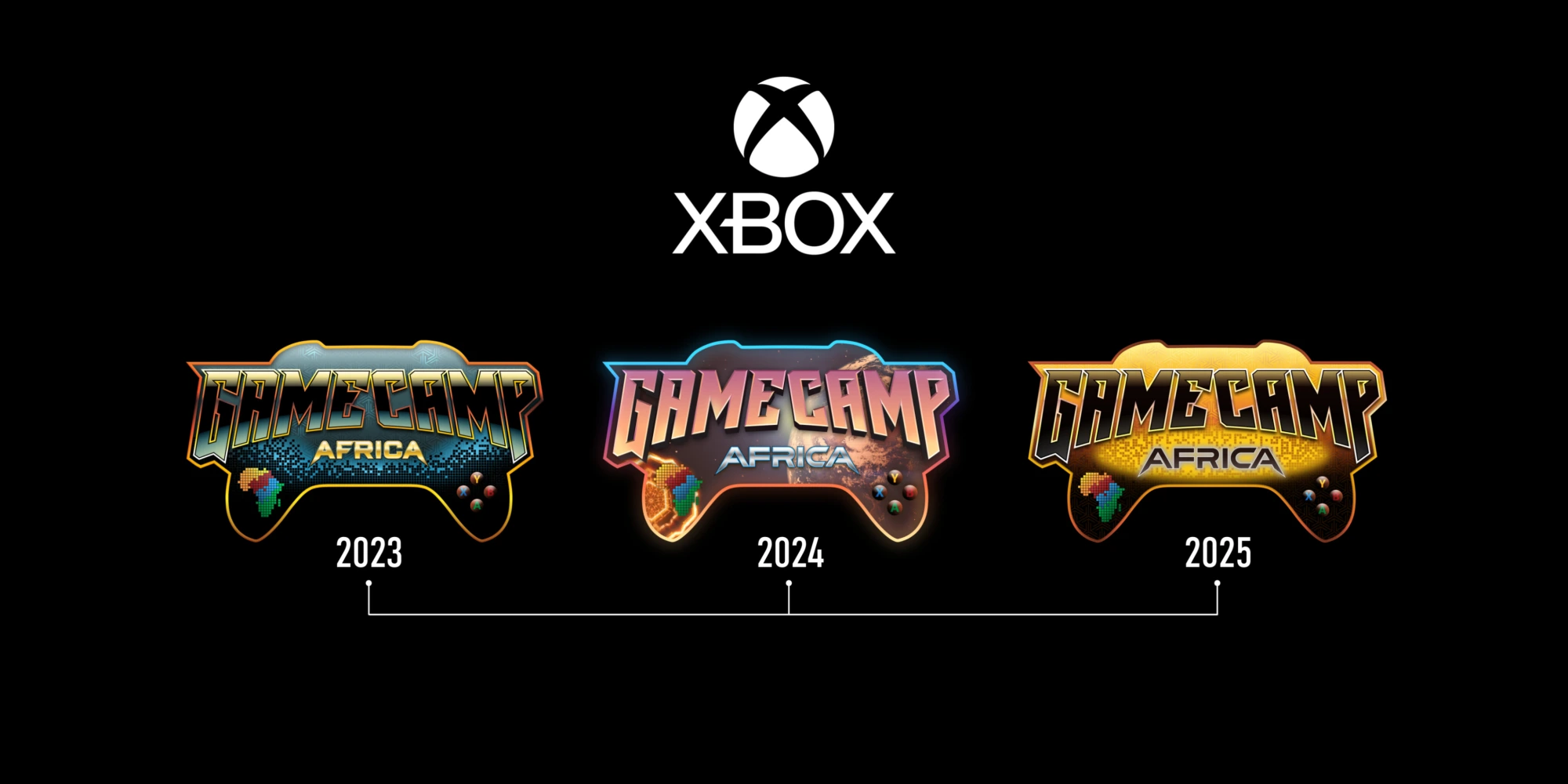
I believe in the continent of Africa, its youth, its entrepreneurs, their unapologetic curiosity and collective ability to grow successful companies and communities that delight current and future players around the world.
Companies
