Hybridcasual growth starts with smarter creative strategy

- Lower CPI isn’t automatically success, creatives need to bring in players who actually enjoy the game and stick around.
- Ads that exaggerate gameplay may boost installs short term but they can also hurt retention, lifetime value and player trust in the long run.
- Hybridcasual teams need to balance testing lots of creatives quickly with investing time and polish into the concepts that prove they work.
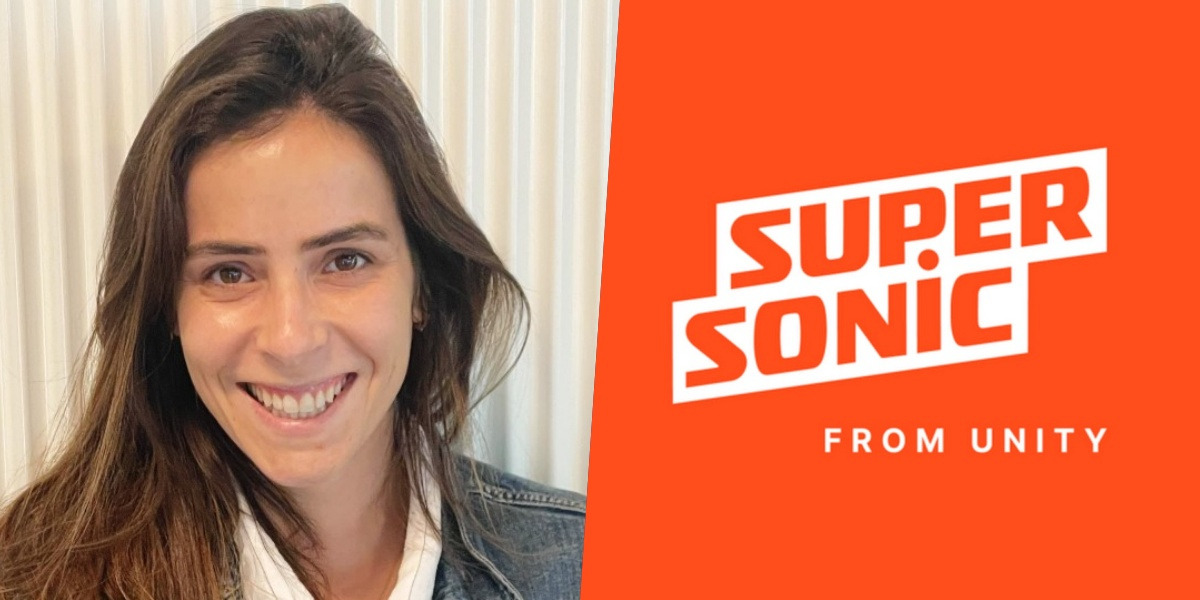
Karen Levy is director of creative business operations at Supersonic.
In mobile gaming, creative strategy is far more than producing ads that look good on a storyboard. It’s about attracting the right players, sustaining growth, and ensuring that campaigns deliver long-term value.
A creative that lowers CPI (cost per install) isn’t automatically a win. If those installs churn quickly or fail to monetise, the campaign has missed the mark, and you’ve just paid to bring in the wrong audience.
Over the years, working on hybridcasual games at Supersonic from Unity, I’ve learned that success comes from a careful balancing act: attention-grabbing hooks, truthful representation of gameplay, and the right rhythm between quantity and quality in creative production.
Good creative ≠ good users
CPI is determined by both CPM (cost per thousand impressions) and IPM (installs per thousand impressions). The creative’s role is to influence IPM - to make more people install after seeing your ad.
I’ve seen campaigns that used a hot IP or exaggerated feature to pull attention, only to lose players almost instantly because the gameplay didn’t match the promise.
But lowering CPI is only part of the equation. If the ad promises something the game doesn’t deliver, retention will plunge, lifetime value will shrink, and your return on ad spend will collapse.
I’ve seen campaigns that used a hot IP or exaggerated feature to pull attention, only to lose players almost instantly because the gameplay didn’t match the promise.
The goal isn’t just to win the click. It’s to attract players who will genuinely enjoy the game and keep coming back.
The risks of misleading ads
Yes, exaggeration and emotional triggers work. They’ve been part of marketing forever because they grab attention. But in gaming, they can lead to ads that show content not present in the game, and that’s where the trouble starts.
Misleading creatives can give you a short-term spike in installs, but they almost always come with long-term costs: frustrated players, lower retention, and damaged trust.
Particularly in hybridcasual games, you simply can’t afford to drift too far from your core gameplay. A small touch of exaggeration in the first few seconds can work, but you have to transition quickly to the real experience. If you want loyal players, they need to see what they’re actually getting.
Hooks: the golden first three seconds
The rise of short-form content on social media has fundamentally changed how creatives are approached. Players are consuming content in microbursts and you have three seconds to stop them from swiping away.
Those first moments should spark curiosity, trigger an emotion, and give them a reason to keep watching.

But here’s the key: that spark should lead them directly into the authentic gameplay experience. A great hook grabs attention; the truth of your game earns trust.
Quantity and quality: knowing when to switch gears
A strong creative strategy lives in two modes. In the quantity phase, test fast and wide - dozens of variations, different levels, themes, or small tweaks that can affect CPI. AI is a game-changer here, allowing you to create and test more variations in less time without burning out the team.
The biggest mistake I see? Teams who stay in one mode too long. You need both.
Once you find the directions that work, shift into the quality phase. This is where you refine and polish, invest extra time and thought, and bring in higher production values. AI still plays a role in helping produce high-end assets faster but the focus should be on perfecting what works.
The biggest mistake I see? Teams who stay in one mode too long. You need both.
The problem with hero creatives
Finding a hero creative - that one ad that outperforms everything else - is exciting. It feels like striking gold. But relying on a single creative is risky. Fatigue sets in quickly, and competitors will copy it faster than you think.
The solution? Keep your hero, but don’t let it stand alone. Iterate with fresh voice-overs, new overlays and different textures. Keep it familiar enough to work, but fresh enough to last.
AI’s impact on creative work
A few years ago, producing this kind of content at scale would have required huge budgets and long timelines. Now, you can do it in hours and still make it feel authentic.
AI has completely changed our workflow. It speeds up both the quantity and quality phases, makes asset creation faster, and even allows you, for example, to produce influencer-style UGC videos without actors.
These AI-generated pieces can include realistic voice-overs and subtitles, making them perfect for social-first campaigns.
A few years ago, producing this kind of content at scale would have required huge budgets and long timelines. Now, you can do it in hours and still make it feel authentic.
Formats and channels that drive performance
Hybridcasual games perform best when you mix your formats. Video ads with strong hooks, voice-overs, and subtitles dominate on social channels. Playables are particularly effective in SDK networks because they let players try before they install.
Incentivised networks are a different beast - here, your icon can make or break performance. A great icon can dramatically improve click-through rates, so don’t treat it as an afterthought.
Balanced channel strategies prevent over-reliance on a single source and keep user growth healthy.
Involvement from day one
Creative strategy should be part of the conversation from the very first marketability test.
Creative strategy should be part of the conversation from the very first marketability test. Early collaboration between creative and live ops teams lets you align messaging with gameplay features and find out quickly what resonates.
From soft launch through scaling, data should guide every creative decision. Trends change, player behaviour shifts, and your strategy needs to keep evolving with them.
Player motivations are everything
If you don’t understand why players engage with your game, you’re essentially guessing. In hybridcasual, player motivations are the backbone of creative success.
If relaxation-focused ads are bringing in your highest-value users, embrace that and test it in different ways, through visuals, voice-overs and music. The clearer you are about what motivates your best players, the better you can target and retain them.
In short
Creative strategy in hybridcasual is a constant balancing act between art, psychology, and data. It’s about grabbing attention quickly, staying honest about your gameplay, and relentlessly iterating to keep results strong.
With structured testing, a balance between quantity and quality, and a deep understanding of player motivations, creative strategy becomes more than a growth lever, it becomes a long-term competitive advantage.
Companies

People