Ninja Kiwi on growing a portfolio beyond its flagship franchise

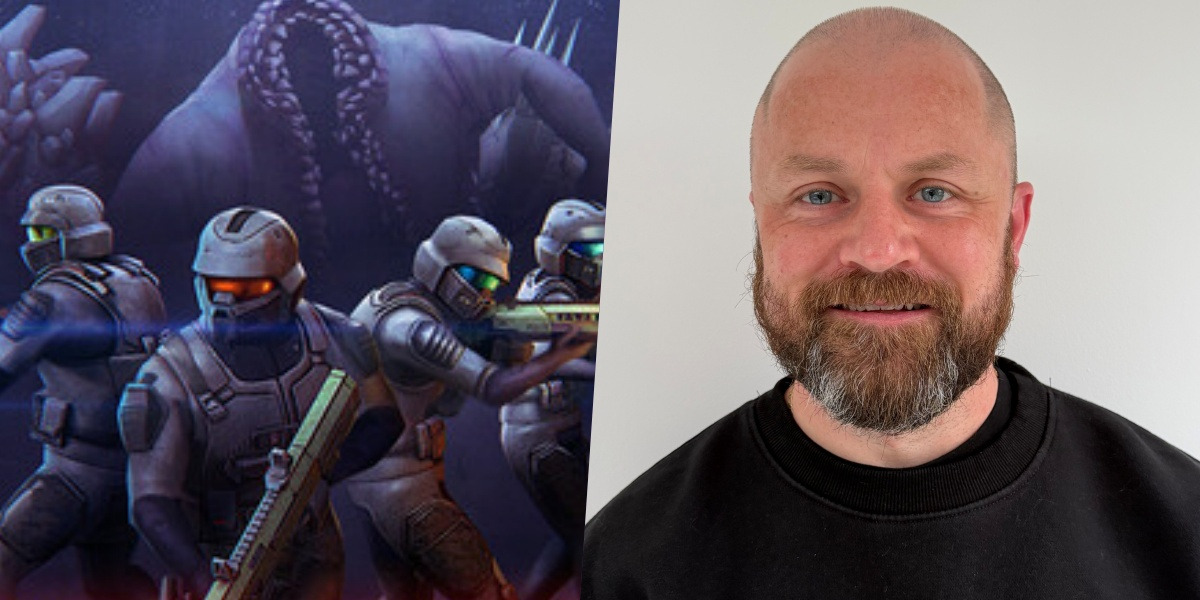
- Zombie Assault Resurgence revives a franchise that has been part of Ninja Kiwi's history since 2008.
- The company continues to dedicate roughly 75% of development resources to existing IPs, with 25% focused on new concepts.
- Zombie Assault Resurgence is being designed to feel native on both Steam and mobile.
For most, Ninja Kiwi is synonymous with Bloons. The franchise has grown from its browser-game roots into one of mobile’s most recognisable brands.
Bloons TD 6, which released in 2018, became the best-selling app on the App Store in its first week and still performs well all these years later. Yet, while Bloons remains at the centre of the studio’s business, Ninja Kiwi has never completely stopped exploring other ideas.
Its latest project, Zombie Assault Resurgence, marks a return to one of the company’s oldest non-Bloons projects. The upcoming squad-based shooter is set to launch on both mobile and Steam later this year, reviving a franchise that first found fans back in the Flash gaming era.
“With Zombie Assault though, this has been a studio favourite since 2008 when it first launched as a Flash game.”Barry Petrie
As Ninja Kiwi works to balance supporting its flagship IP with investing time in other projects, Zombie Assault Resurgence offers insight into how the studio thinks about expanding its portfolio while staying true to its foundations.
To find out more, we speak with Ninja Kiwi executive vice president Barry Petrie about reviving the Zombie Assault franchise and how the studio approaches growth outside of Bloons.
Rising from the dead
Petrie first notes that while Bloons is at the very heart of what they do at Ninja Kiwi, the team is always coming up with fresh ideas and new games they would like to explore, which sometimes means new IPs.
"With Zombie Assault though, this has been a studio favourite since 2008 when it first launched as a Flash game on ninjakiwi.com. We love continuing to work with the IP and breathing new life into it."
“With this being the fifth game in the series, we’ve already made considerable investment in the world-building and are expanding the lore even further this time.”Barry Petrie
The project sits within the company’s existing investment strategy rather than its more experimental efforts. CEO Scott Walker previously told PocketGamer.biz that roughly 75% of development resources are focused on established IPs, with the remaining 25% set aside for new concepts.
According to Petrie, Zombie Assault Resurgence falls into that first category.
“That’s definitely still the case, but we include ZAR in that 75% as it is one of our most long-standing IPs,” he says. “With this being the fifth game in the series, we’ve already made considerable investment in the world-building and are expanding the lore even further this time.”
For the team, the timing also felt right. More than a decade has now passed since SAS4 launched and Ninja Kiwi believes both the technology and its own development expertise have evolved significantly since then.

"We’ve moved on and learnt so much as a development team that now felt like the right time to produce a new game in the series," Petrie explains.
Rather than simply recreating previous entries, the studio views Resurgence as an opportunity to modernise the formula while aiming to retain what existing fans have enjoyed about the original games.
"There’s a lot we love about SAS4, but there are also things we know we can improve on. ZAR is the evolution for us and a chance to improve on where we’ve gone before."
Finding new audiences
Launching a non-Bloons title presents a different challenge for Ninja Kiwi. While the studio benefits from a large existing audience, Petrie says it doesn’t assume those players will automatically want the same experiences outside of tower defence.
“We’re very careful not to just assume that all Bloons players love the same game types,” he explains. “Bloons TD6 and Bloons TD Battles 2 look like perfect matches but the player base is actually quite different."
“We’re very careful not to just assume that all Bloons players love the same game types.”Barry Petrie
That understanding has helped shape how the studio approaches projects such as Zombie Assault Resurgence. As Ninja Kiwi has matured, Petrie says the team has become more conscious of where player audiences overlap and where they differ.
Regarding Zombie Assault Resurgence, Petrie explains that it is an example of a project that doesn't necessarily resonate with a large portion of the Bloons audience, but there is already a passionate player base eager to see the franchise return.
"The community has been involved since the early development stages. We’ve communicated with ongoing developer diaries and have offered several early access demos to the most dedicated players."
“The community has been involved since the early development stages.”Barry Petrie
This approach of having active community involvement is something Petrie says the studio has become better at as the company has matured and says that it has been clear that the community appreciates a more open approach.
The studio’s willingness to explore different genres has also been seen in projects such as Fightland, which launched last year and pushed the studio into less familiar territory.
"With Fightland we were really ambitious and set ourselves the goal of combining MOBA and .io style games to have a truly frenetic, reflex-driven combat game with huge numbers of players on-screen at once."
Though the studio’s aim was to create a different experience with Fightlands, it ultimately was shut down shortly after its official release in December 2025. Petrie notes that the title was a “big swing into the unknown” and explains that ZAR is much more within the studio's wheelhouse.
Building for mobile and Steam
One of the biggest considerations for Zombie Assault Resurgence is its launch across both PC and mobile platforms.
Ninja Kiwi’s history gives it experience with serving both audiences. The company originally built its early reputation back as a browser developer before it expanded heavily into mobile, which resulted in player communities that continue to span across multiple platforms.
“Starting out life as a Flash developer, we’ve always had a core player base who prefer the desktop experience. However, we now have a huge audience who have grown with us on mobile platforms.”Barry Petrie
"Starting out life as a Flash developer, we’ve always had a core player base who prefer the desktop experience. However, we now have a huge audience who have grown with us on mobile platforms and we want to take care of both."
Rather than taking the approach to prioritise one over the other, the team has the goal of making the game feel native no matter where players choose to play.
"For desktop this means pushing performance and building in mouse and keyboard as well as gamepad controls,” says Petrie. "Then for mobile it’s about optimising to make sure the experience feels just as rewarding with solid touchscreen control."

Petrie goes on to explain how competition also differs dramatically between the two markets.
“On Steam, we’re up against some of the best squad shooters available, so we are definitely bringing our A game when it comes to quality. On mobile, the competition isn’t as strong, and we’re excited by the opportunity to be one of the best squad shooters on mobile devices.”
He adds that the game’s deep progression and RPG elements are something that the team hopes will make the game stand out across both platforms.
Staying true to Ninja Kiwi
Currently approaching its twentieth year, Ninja Kiwi has grown considerably from its origins, from the scale of its projects to adapting to market changes and expanding across multiple platforms.
Throughout the years of change, Petrie believes the studio’s core philosophy remains largely unchanged.
“The scope and scale of our projects have increased along with our tech and production values.”Barry Petrie
“The scope and scale of our projects have increased along with our tech and production values,” he explains. “However, the ethos at the heart of Ninja Kiwi has been, and always will be, to create great games with a gameplay-first ideology.”
That core continues to shape the studio's projects across both Bloons and new ideas, with Petrie explaining that the team's focus has always been on the core mechanics and experience, with everything else following.
Looking ahead, the studio expects to keep investing in its roots while remaining open to new ideas that capture the team’s imagination.
“We’ll continue to evolve and push the development of deep and engaging strategy games like Bloons TD 6.”
At the same time, he explains that the team has no intention of limiting itself and cites the upcoming Bloons Blitz as an example of how new concepts can emerge within the studio.
“We’ll continue to evolve and push the development of deep and engaging strategy games like Bloons TD 6.”Barry Petrie
“Bloons Blitz started out life as an internal project just for fun, as so many of us love the survivor genre. However, it showed such promise that we decided it should go into full production.”
As for Zombie Assault Resurgence, the immediate focus remains on the game's launch, with the team currently still hard at work on final systems, optimising and polishing the game to ensure a smooth launch.
If successful, the studio hopes the release will mark not just a return for Zombie Assault but another example of how Ninja Kiwi can continue growing beyond the franchise that made its name.
Companies

People