The publishing playbook: Pitching tips from both sides of the table


- Burny Games head of strategic partnerships Elena Lobova shares tips for developers seeking publishers.
- With more than 15 years in the industry, she has experience from the developer side and publisher side.
In the increasingly saturated mobile games market where countless titles release every year, standing out can prove challenging. For some, partnering with a larger publisher may represent a potential solution: joining forces with a marketing pro or a more established name to push one new game ahead of the crowd.
At the same time, that new game will be far from the only one being pitched. Publishers also have a choice to make. They won’t take on every project, and they won’t be right for every project either.
Ahead of her talk on the "publishing playbook" at Pocket Gamer Connects Barcelona 2026, we speak with Burny Games head of strategic partnerships Elena Lobova about this very subject - from the start of the search to delivering the best pitch possible.
“You don’t need a finished game, but you do need to show that you can execute.”Elena Lobova
"Research publishers before pitching. Look at what they actually publish, whether they work with third-party titles at all and whether your game fits their portfolio," she advises.
"Try to pitch to the right person: game scout, developer relations, business development, partnerships, publishing manager - these are usually the titles to look for. And make your pitch easy to process."
Study time
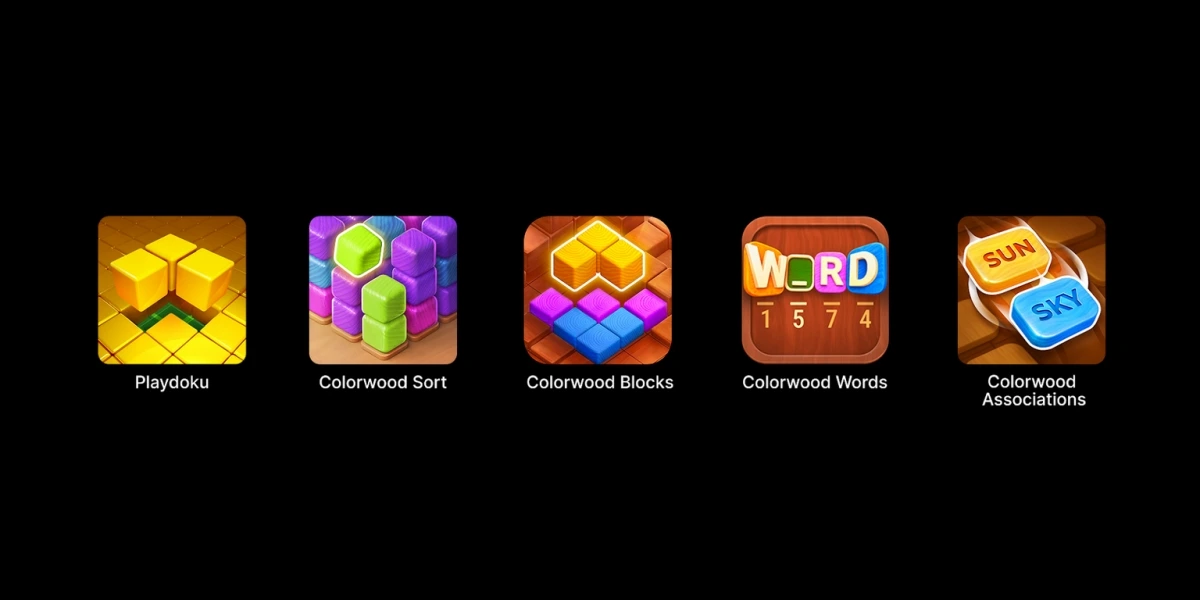
With more than 15 years spent in the industry, Lobova has experience from across the publishing journey and both sides of the pitching table. She spent six years on the developer side, eight running ecosystem and matchmaking projects, and is now leading publishing at Burny Games.
So, Lobova understands what publishers evaluate - and what makes them say yes or no to a pitch.
But, before reaching this pitching stage, there are several important steps a developer should take on the search for the right partner.
First is considering a publisher’s unique strengths. One may have exceptional UA expertise, for example, where another might have the funding to cover burn rate. Lobova advises a developer approaching a publisher should do so based on their goals.
Naturally, this requires research. During that process, she also suggests looking for the right portfolio fit - and looking at a publisher’s most successful games.
"Are they similar to yours in genre, audience, monetisation model or market positioning?" Lobova asks.
Talking to other developers who have worked with that publisher could also prove valuable, helping gauge the potential working relationship.
“Look at what they actually publish, whether they work with third-party titles at all and whether your game fits their portfolio.”Elena Lobova
We ask when a developer should begin this process of actively seeking out a publisher, and Lobova answers that researching should come early - but pitching should wait until the dev has something playable.
"It depends on the genre and the publisher, but I don’t think many publishers are interested in projects that exist only as an idea. In most cases, you’ll need at least a prototype," she says.
"You don’t need a finished game, but you do need to show that you can execute: make sure you have clear core gameplay, a development roadmap, an understanding of your audience and clarity on what exactly you need from the publisher."
Ready to pitch?
After researching publishers, actually getting noticed by them can be another hurdle.
Awards, game jams and competitions all make a developer more visible, which "matters because publishers are actively looking for developers". Judges and mentors often include publisher representatives, so competing can be an opportunity to get noticed. So, these may be routes for a developer to consider.
“One very practical thing: send a gameplay video.”Elena Lobova
"But I wouldn’t say that receiving an award alone will convince a publisher," Lobova clarifies.
"It might help open the door, but after that, the game still needs to make sense commercially: the gameplay, audience, marketability, retention potential and the team’s ability to iterate quickly."
When a dev does reach the pitching stage, clarity of their idea is key. From a publisher’s perspective, Lobova says she needs to very quickly understand a given game, why it’s interesting and why players would choose it over the wealth of competition.
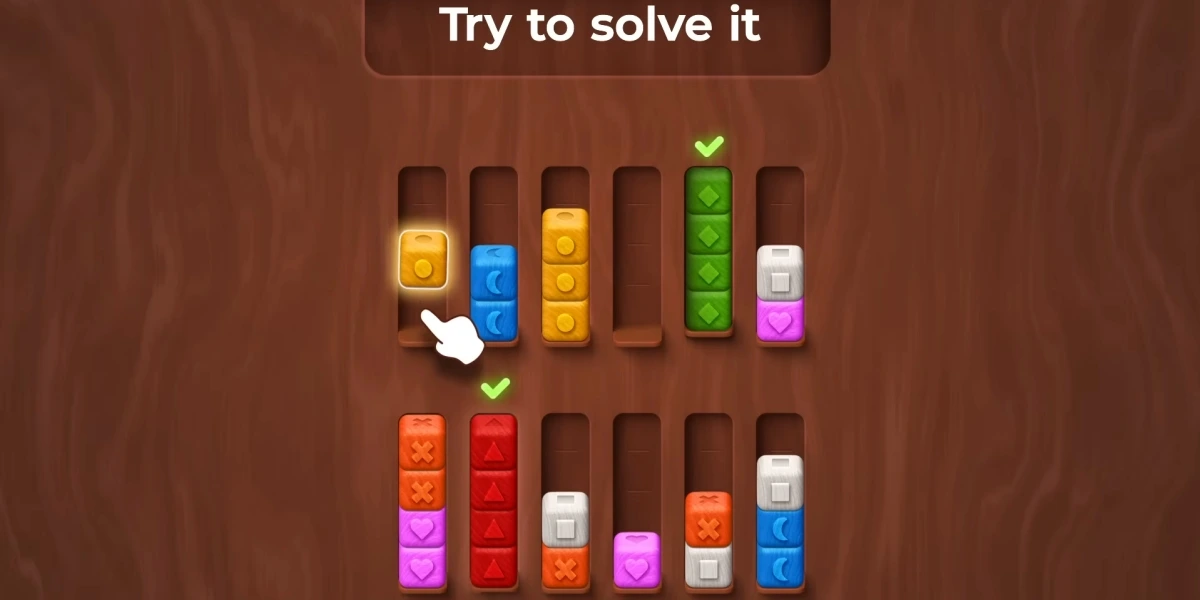
Gameplay also matters, therefore. A publisher will aim to determine if the game is intuitive, if it does something fresh and if there’s potential for scalable growth and long-term retention.
Thirdly, a publisher will look at the team behind the game, to judge whether that team can take feedback, iterate and deliver.
"One very practical thing: send a gameplay video," Lobova adds.
"Some developers only send a build, but when you receive many pitches, installing every build takes time and your pitch might be deprioritised just because of that. A short gameplay video helps the publisher understand whether this is something they might be interested in before even playing the game."
This ties back to her "easy to process" tip - which can also be achieved through a short description, roadmap, team background and USP. If the game is already live, sharing key metrics can help it stand out too.
What comes next?
After this process, and after a successful pitch, a developer’s work is still far from over.
"Finding interest from a publisher is just the beginning," Lobova warns.
"After that, there will usually be evaluation, testing, due diligence, negotiations and alignment on expectations. And this is where developers should be very careful with the agreement: recoup mechanics, IP rights, exclusivity, termination clauses, payment timelines. It’s very important to align your goals with the publisher’s."
Among potential mismatches, Lobova gives the example of a publisher’s strategy to reinvest profits into UA clashing if the developer needs a quick revenue share to survive. This could become a problem even for a game that’s performing well.
That's why early research is essential, as is clarity of a developer’s need during the pitching process.
In her full talk at PGC Barcelona, Lobova intends to explore why developers need publishers, where to find them and how to maximise the chance of success.
"I want it to be very practical and honest - focused on how mobile publishing actually works in 2026 and what developers often underestimate, based on my own experience."
PGC Barcelona takes place on June 15th and 16th. Tickets are available now.
Companies

People