Three myths that cost Western games companies in the Chinese market

- Monetisation, art and genre that succeed elsewhere can all work against you in China.
- The pitch isn't the starting point. Do the homework first, because publishers compare notes and reputations travel.
- Choose the proven partner over the biggest guarantee - the highest number on the table is rarely the safest.
Written by Monte Singman, managing partner at Radiance Strategy Solutions. Learn more about China's games market at PGC Summit Shanghai on July 29th.
I have spent 22 years in China, the first 10 running my own studio in Shanghai and the last 12 licensing other people's games into the market.
Monument Valley, Gardenscapes, Homescapes, Toy Blast, War Robots, EverMerge, Sonic Dash 1 and 2, C.A.T.S. and more than 50 others. In that time, I have watched a steady stream of capable, well-funded Western companies arrive carrying the same assumptions and getting them wrong in the same predictable ways.
I want to start with the number that should end the debate about whether China is worth the trouble - it is roughly a third of the world's mobile game market. No serious company would build a global strategy that quietly skips North America, yet many treat this one-third as optional.
The mistakes I see almost always trace back to three myths.
Myth one: A single strategy fits the whole market
The first myth is that you can win China with one approach. You cannot, because what carries a game everywhere else frequently works against it here. Advertising-driven monetisation is the clearest case. A title that prints money on IAA abroad can arrive structurally mismatched to a market built around in-app purchases.
“Chinese players know fighting games intimately and many are still loyal to the Street Fighter titles they grew up on in the nineties. They have no reason to hand that loyalty to a Western newcomer.”
Art is another: colour schemes that test beautifully in the West can read as wrong in ways no spreadsheet will warn you about. Genre is the most treacherous of all, because people assume that a genre's existence in the West gives it a foothold here, when fighting games are the warning I keep returning to.
Chinese players know fighting games intimately and many are still loyal to the Street Fighter titles they grew up on in the '90s. They have no reason to hand that loyalty to a Western newcomer. The trouble is rarely that players have not seen your genre, it is that most companies do not know what they do not know and that blind spot is where the money disappears before a deal is even signed.
Myth two: The pitch opens the door
The second myth is that a pitch is the starting point. It is closer to the opposite. Every time you pitch without having done your homework, you are spending someone else's time and people remember who wastes it.
This is why the shotgun approach is so dangerous in China. Blasting the same pitch at every publisher you can find does not multiply your chances - it destroys your reputation and your employer's along with it, because everyone here speaks to everyone - and the publishers compare notes.
Before I approach anyone, I want to know how the company is doing, what kind of games they want to publish and whether they are aiming at the domestic market or going global.
Myth three: Signing is the finish line
The third myth, and the most expensive, is that a deal closes when both sides shake hands. A few years ago, a Western games company told me they wanted to sign, but needed a month to prepare the agreement. I agreed and waited. A month later, they handed the deal to another publisher who had offered a higher minimum guarantee, using my offer to drive the number up.
“Before I approach anyone, I want to know how the company is doing, what kind of games they want to publish and whether they are aiming at the domestic market or going global.”
The trouble was that the publisher they chose was unreliable. In the end, the Western company never received the full licence fee and the game never launched. They chased the highest number and ignored the thing that actually mattered, which was whether the partner could deliver.
Some publishers in China have strong reputations for handling Western games, earned over years of securing approvals, paying on time and launching successfully. When you walk past the proven partner because someone less established waves a bigger guarantee, you are betting you understand this market better than the people who built their names in it.
What actually works is a little less glamorous and my recent deals prove it. EverMerge required us to become ISO certified so the developer could trust us with their source code, because security here is a precondition.
China is not a black box
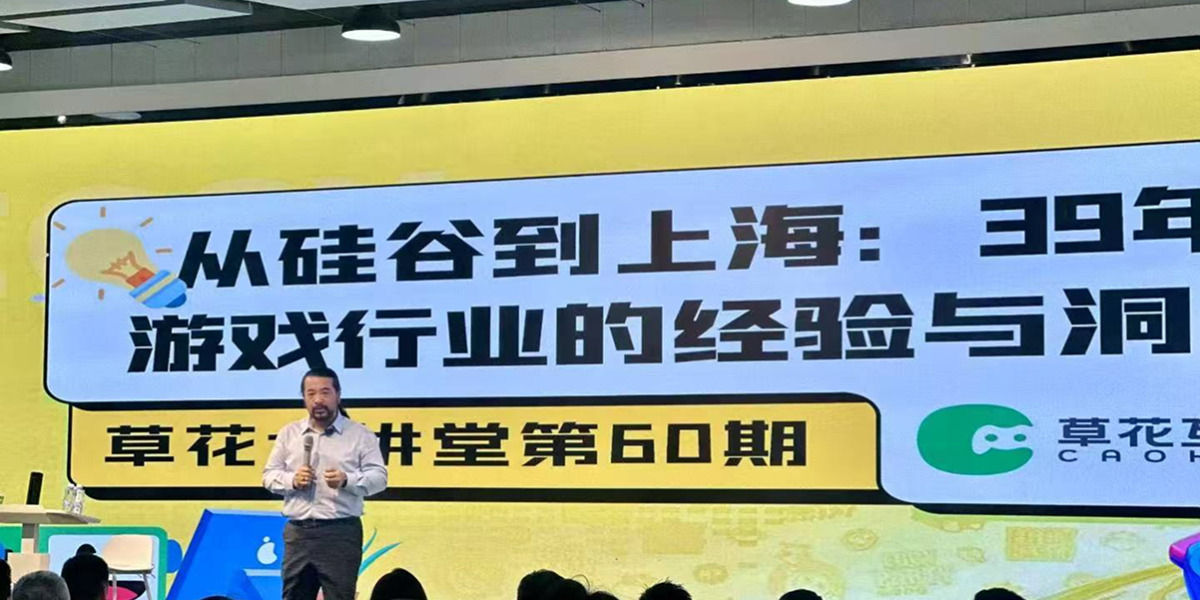
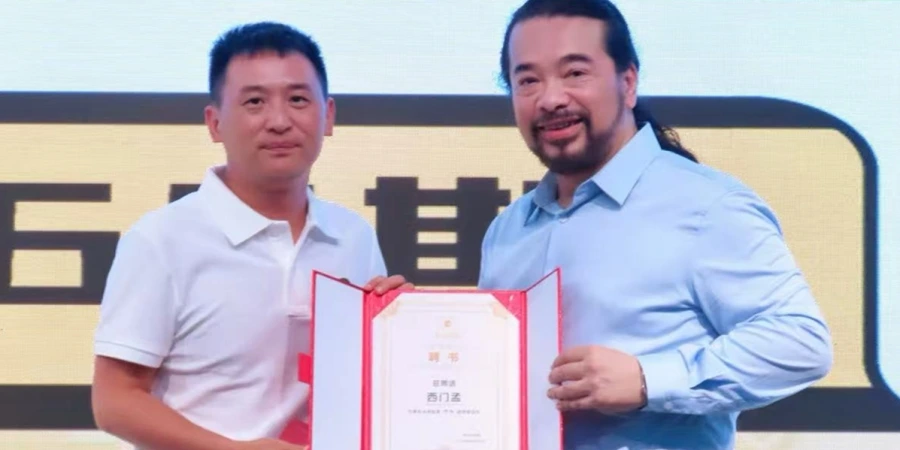
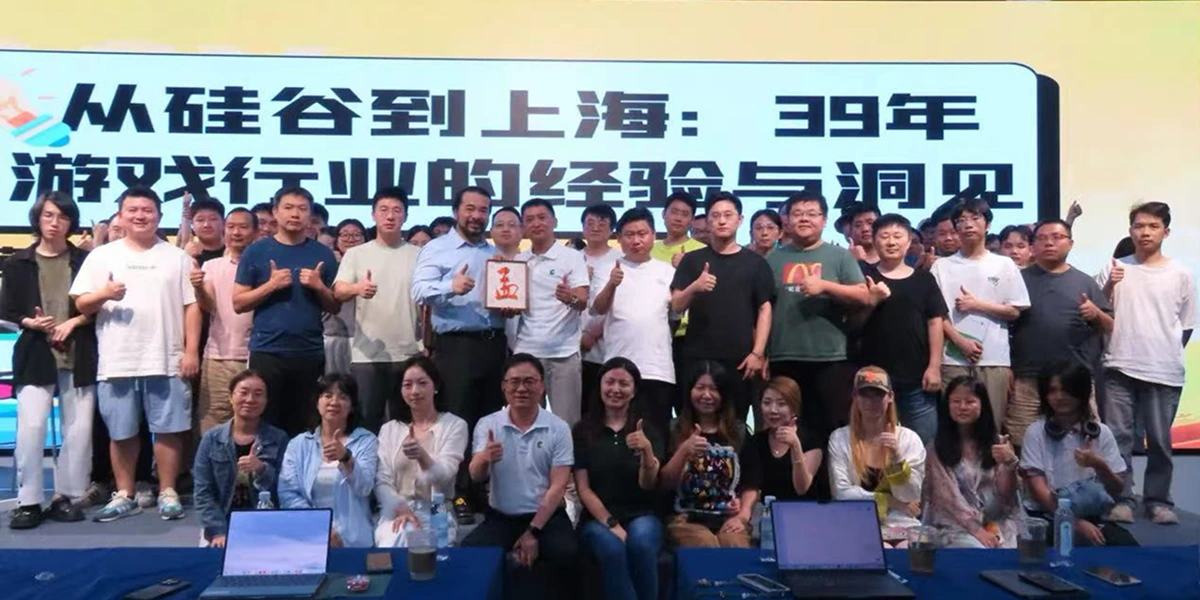
A Bruce Lee licensing deal I did with the CaoHua team took 18 months. I travelled to Changsha in Hunan twice, gave a lecture while I was there, drafted the bilingual Chinese agreement myself and handled the approval and submission personally.
“EverMerge required us to become ISO certified so the developer could trust us with their source code, because security here is a precondition.”
A decade in production meant I understood what I was submitting. My success came from showing up, repeatedly, long before there was anything to sign.
So here is the honest version. China is not a black box and it is not impenetrable. It is a market with its own logic and it rewards the same things every market rewards: learn the conditions, choose the proven partner over the biggest number, do the homework before you pitch and honour your word once you give it.
Mark your calendars for PGC Shanghai
Singman will explore this in more detail, along with specific tactics for securing a deal, in his talk 'East Meets West: Why Most Cross-Border Game Deals Fail' at PGC Shanghai. Tickets are available here.
Companies

People
