“We killed Clash Royale!”: What Supercell learned from failed updates

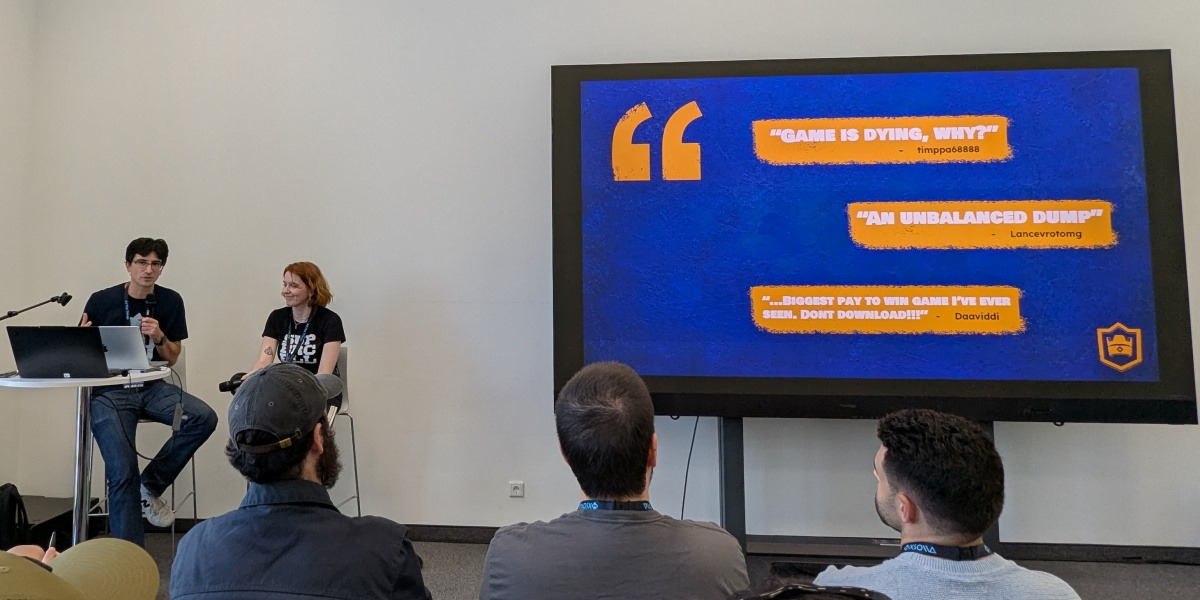
Clash Royale has had its ups and downs over the years with some major backlash from players and fans over updates.
During a session at Gamescom Dev titled 'Clash Royale: Lessons from the players', Supercell game design lead James Back and community manager Emilia Russell shared their insights from three game updates and what the team learned from them. Two of them were received poorly by the game’s community.
Russell noted, though, that even the harshest and most critical feedback comes from a place of caring about a game and players wanting the best for it - even if it’s not always given in the most clear or constructive way.
Example one: The Season Shop
First, they opened up on the Season Shop. Described as “one of the most popular reward systems in the game”, it allowed players to spend Season Tokens on cards and other items. In March 2025, Supercell decided to remove it.
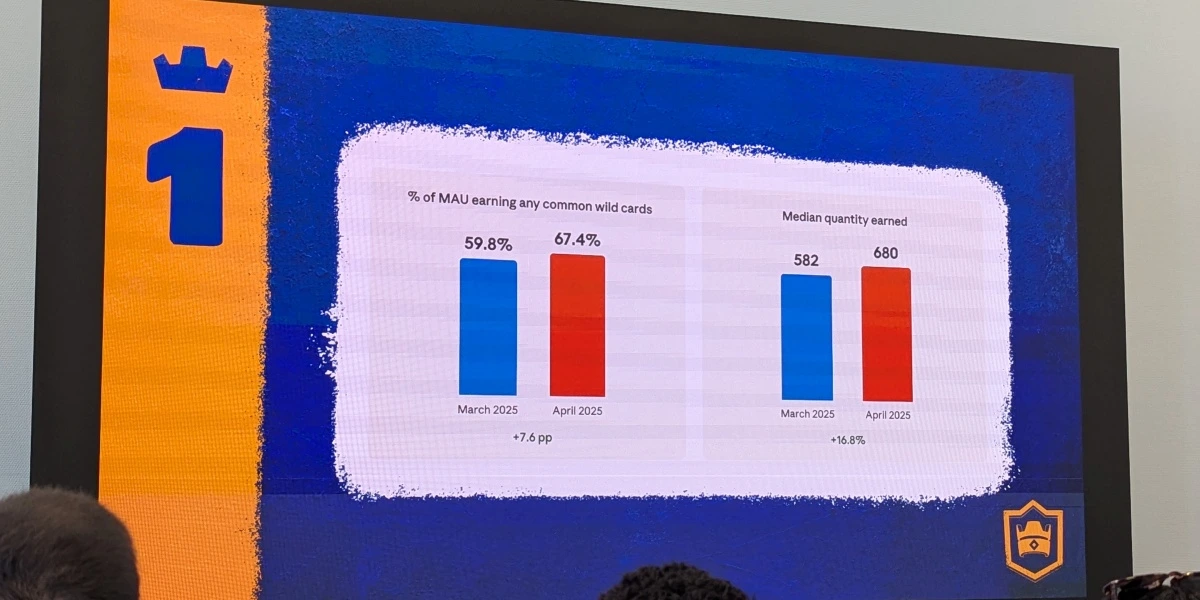
Back said it was for good reason. The team felt it only benefitted a small group of core players and they wanted to put the rewards somewhere more accessible to more players. The update worked at achieving that goal. The percentage of monthly active users earning any common wild cards grew from 59.8% in March 2025 to 67.4% in April 2025.
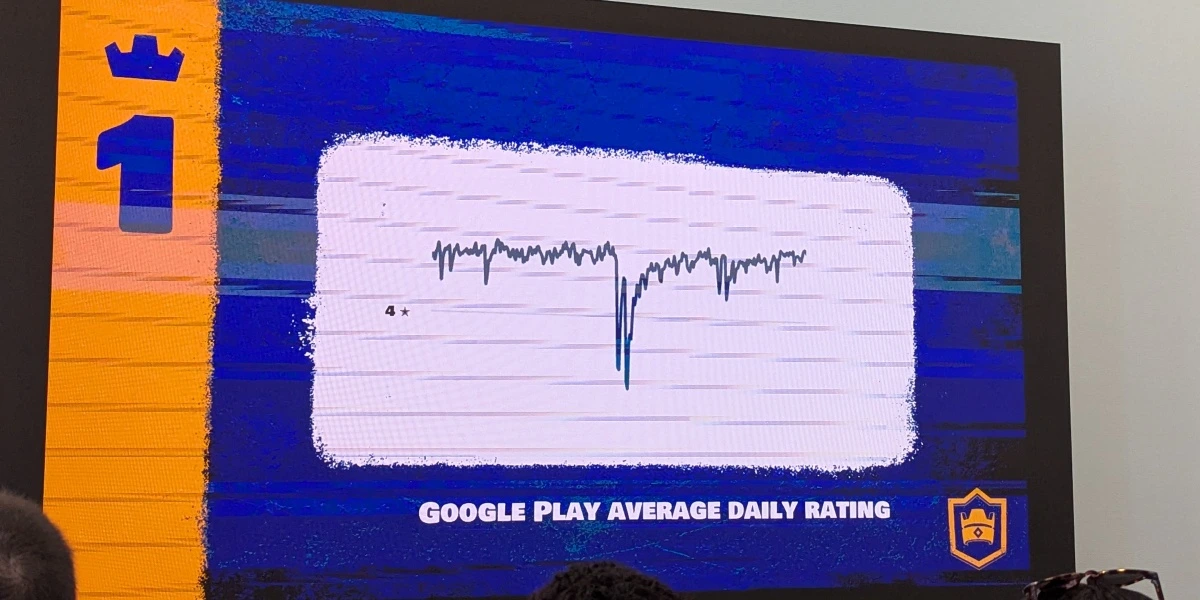
But due to the Season Shop’s popularity, its sudden removal resulted in “broken trust” and negative sentiment. The average daily rating on Google Play plummeted.
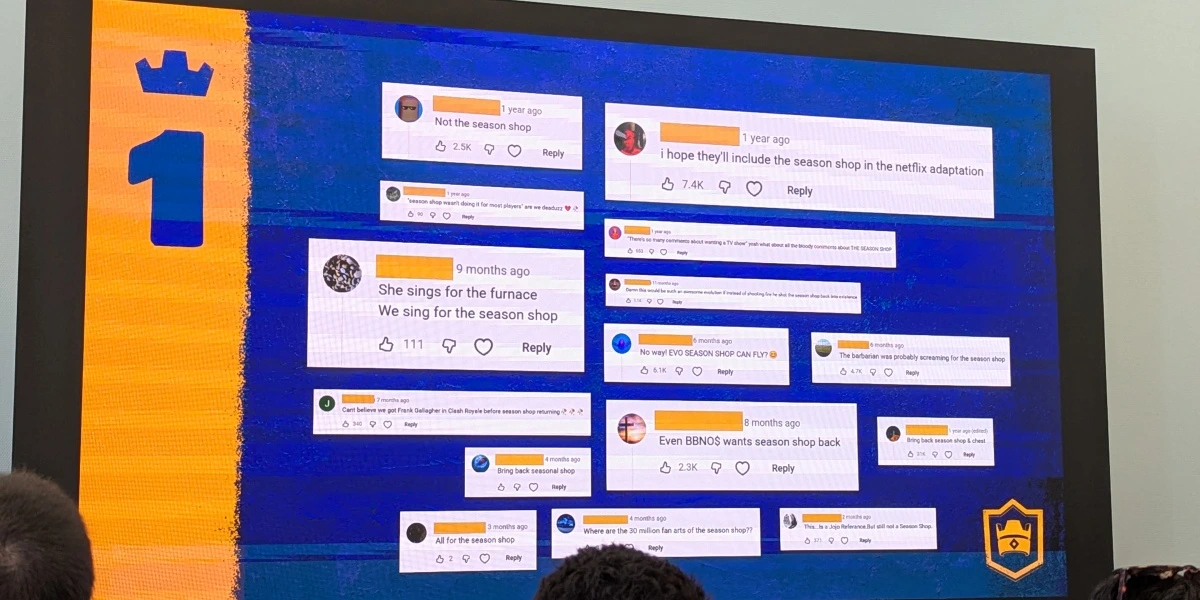
“In the months that followed ‘bring back Season Shop’ became a rallying cry for our community and a symbol validating a feeling that the Clash Royale devs didn’t listen to their players,” said Russell.
“Despite the fact that more players were benefiting from rewards over time, the individual player experience was still affected. That broken trust and the negative sentiment that followed carried with us through every update over the rest of the year in some very passionate and creative comments, from our Netflix announcement to our new content and even our celebrity collabs.
“There was not a single YouTube comments section that was Season Shop-free.”
Back said that the big takeaway here was that if players are really attached to something that you’re confident is unhealthy for the game overall, that could be actionable feedback, even if you’re going to go ahead with removing that thing.
“Maybe try to allow a positive experience with the change. Give what’s going away a big sendoff, make an event out of it, make sure players are excited for what’s coming next.”
Back added another learning was to make sure you talk about it with the community. That shows that you validate and understand the pain points they are going through.
“This is something we didn’t really do well at the time and it made the feelings of disconnect between the community and the team actually worse. And one other piece of advice is, don’t ever take your community by surprise. Good or bad, it can really be hard to reframe a narrative once it’s set.”
Example two: Level 16 and Heroes
In November 2025, Clash Royale added a new card level, as the team could see players reaching the end of the level progression.
It was explained that upgrading your deck towards the next level is a goal that almost all of Clash Royale’s players have in common. However, for some players, maxing out their deck is just the beginning. It's when they can play the game fairly without worrying about card levels anymore. For others, it’s the end of the journey, it’s when they can’t get any more powerful and they have nothing left to do, so they lose interest.
Level 16 meant progression to chase for some and a moving of the goal posts for others. “It’s a tension that’s existed as long as Clash Royale has.”
The team tried to alleviate friction points and make it more player-friendly, including accelerating progression speed in parts of the game.
At the same time, Supercell was introducing new gameplay content. After adding Evolutions to a third of its characters, the team decided to shake things up by also adding a Hero version of some characters, such as Hero Musketeer that can deploy a turret to fight alongside them.
“The idea here is that Heroes would allow us to reimagine our characters all over again, giving us a whole new space for gameplay design while leaning into cards players had already learned how to play and already loved.”
The team was less worried about this update, while early player feedback was also positive.
The reaction to the level system went as expected, given player sentiment, while the Heroes “quickly turned into villains”.
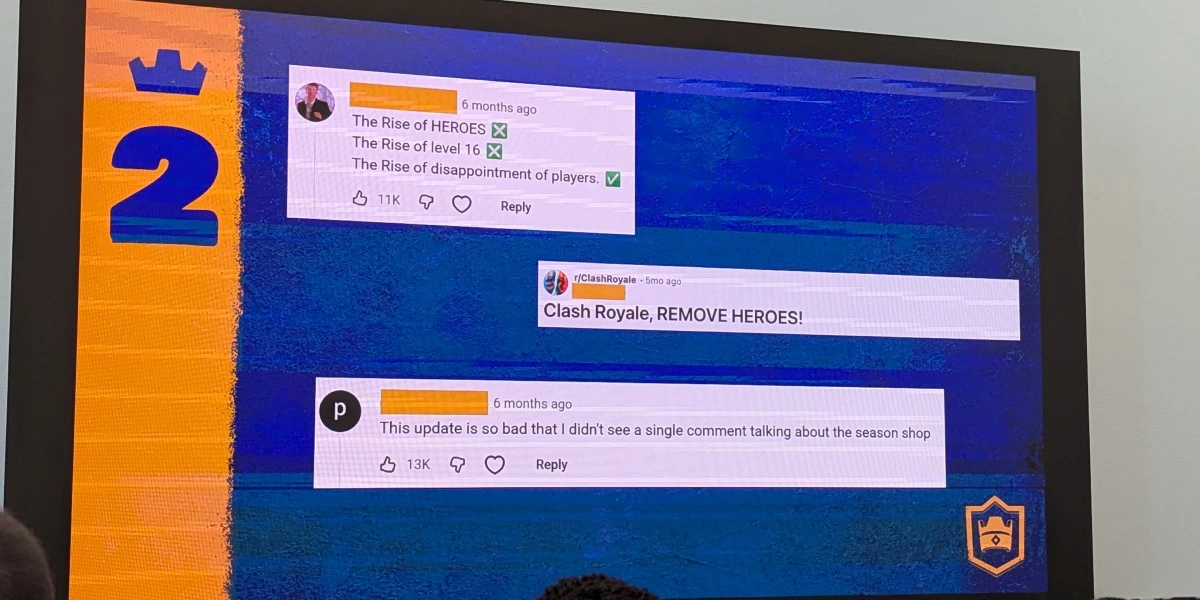
“Why weren’t players excited by this new gameplay? We now understand a few things,” explained Back. “Firstly, that our players will assume the worst about how hard it will be to acquire new stuff after release."
He added: “To put it another way, players will base their assumptions on our track record. Trust will take a while for us to build up and it’s really easy to break.”
Russell said there were some valid points around accessibility to new content - lack of predictability around when you’d unlock your next Hero and some existing perceptions around pay to win.
Major gameplay additions need a lot of buy-in from the thought leaders in your communities and much earlier in the process as well, added Russell.
In mid-March, the team pushed out an update to address the feedback. In June, Supercell made a commitment to players that it was finished adding card levels.
“After trying for years to keep extending this progression in different ways, we think we need to find a new direction,” said Back. “There’s not going to be an easy solution to it, but we’ve accepted it’s our problem to solve.”
Russell said that Supercell has made commitments and process changes to involve the community and creators as co-collaborators and partners in the development of Clash Royale moving forward.
Example three: C.H.A.O.S.
For the third update example - which was said to be a success - the team added a new game mode in March. “They rarely make a splash, but something about this one was a bit special.”
Called C.H.A.O.S. Mode, players periodically get a choice of buffs to apply to one of the cards in their deck during battle. The longer the battle goes on for, the more buffs get stacked up on either side.
“Now I’m going to give you an incredible lesson,” said Russell. “Sometimes your best results can come from doing things that players are asking for, things they actually want. Yeah, shocker I know.”
The mode had a meaningful impact on engagement metrics for the season that it ran, said Back.
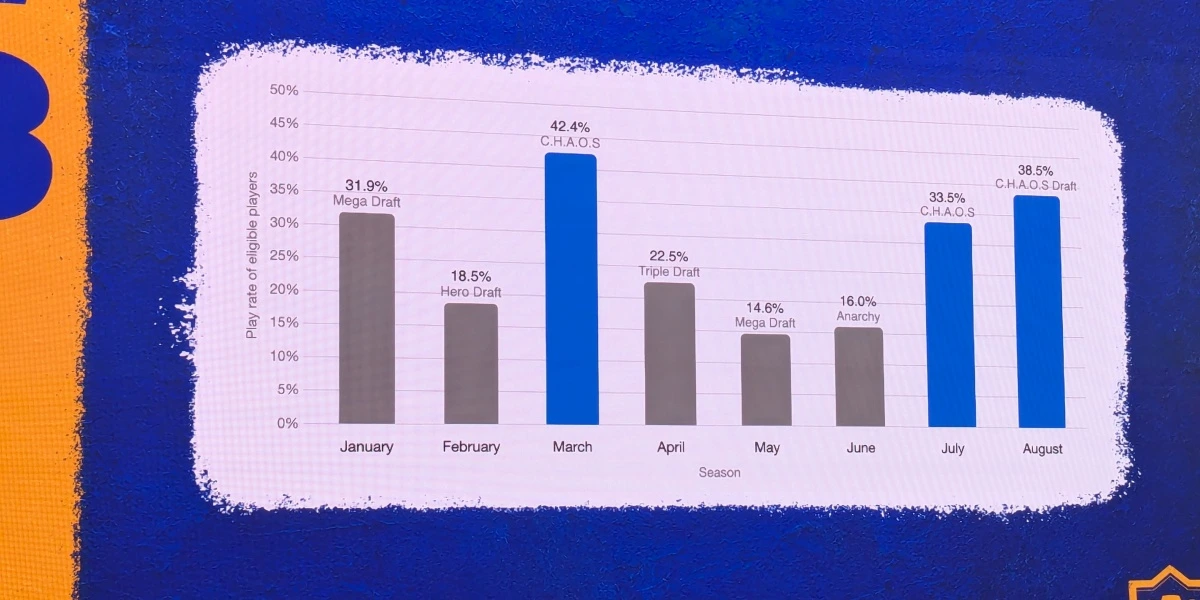
“We suspect that part of what made this mode so popular was because it came with no strings attached,” said Russell. “For anyone that cares about pay-to-win in their games, this mode was actually delivering a really fresh and democratised experience of fun and didn’t really depend on your past progression.”
C.H.A.O.S. has continued to see some of the highest play rates of the temporary game modes Supercell has run and the feedback has stayed positive, Back said.
“In this instance, while there was a lot of noise from players around new game modes, we started to see that … they are not just asking for new gameplay, they want novelty that they really sink their teeth into and depth they can really enjoy mastering.”
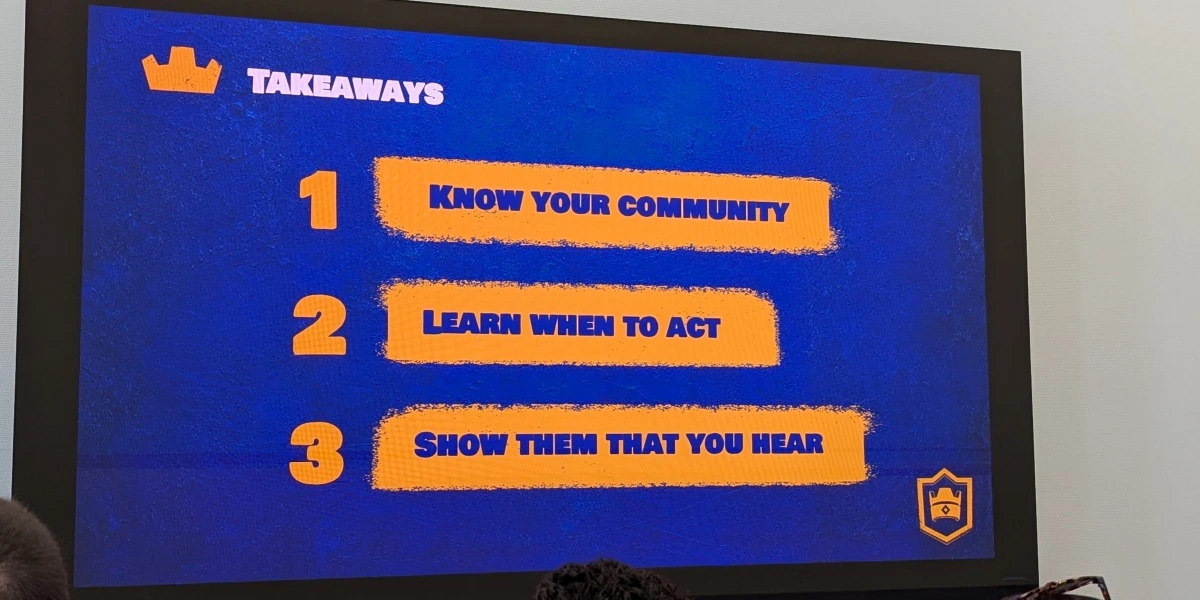
The final lessons from Russell and Back included:
- Investing in knowing your community and being able to pull out the actionable feedback from the noise.
- Make sure when you take action on that feedback, you bring players along.
- Weighing up what players say they do and don’t want, and taking that into account for the game’s future direction.
- Demonstrate that you hear the community and have respectful dialogue.
“So Clash Royale is more than a decade old now and it’s going to take more than a few missteps to kill a game like this.”
Companies

Events