Four key takeaways from Pocket Gamer Connects Nordics 2026

- AI can help studios explore new possibilities, but human creativity and decision-making remain essential.
- D2C strategies require more than launching a web store, with ongoing optimisation and player relationships key to success.
- Despite ongoing industry challenges, Nordic studios continue to demonstrate creativity and resilience.
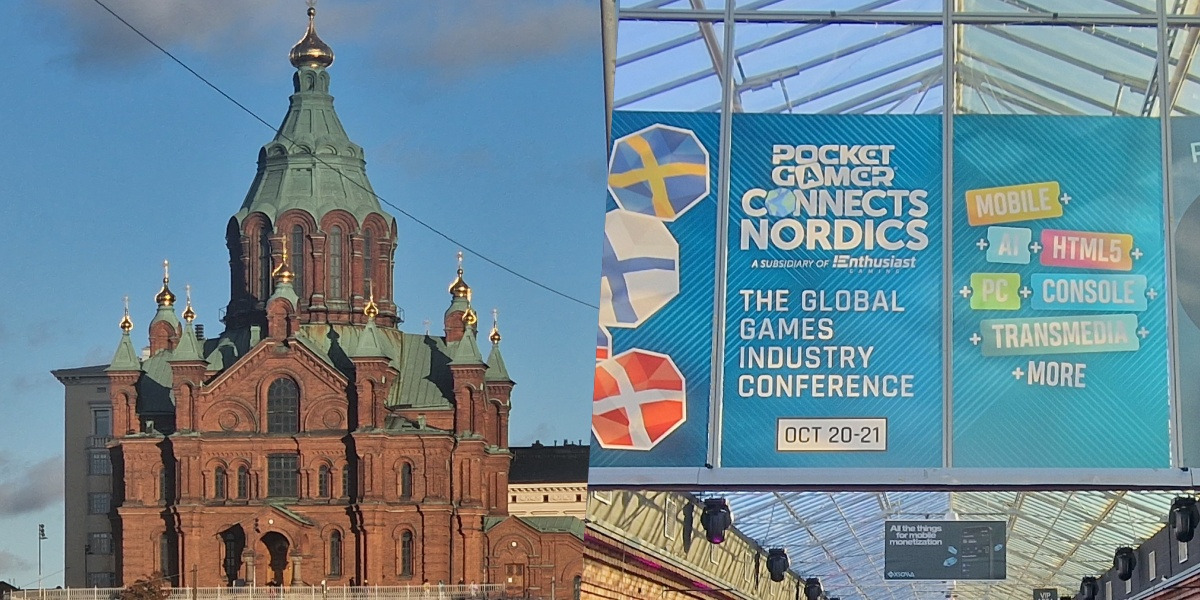
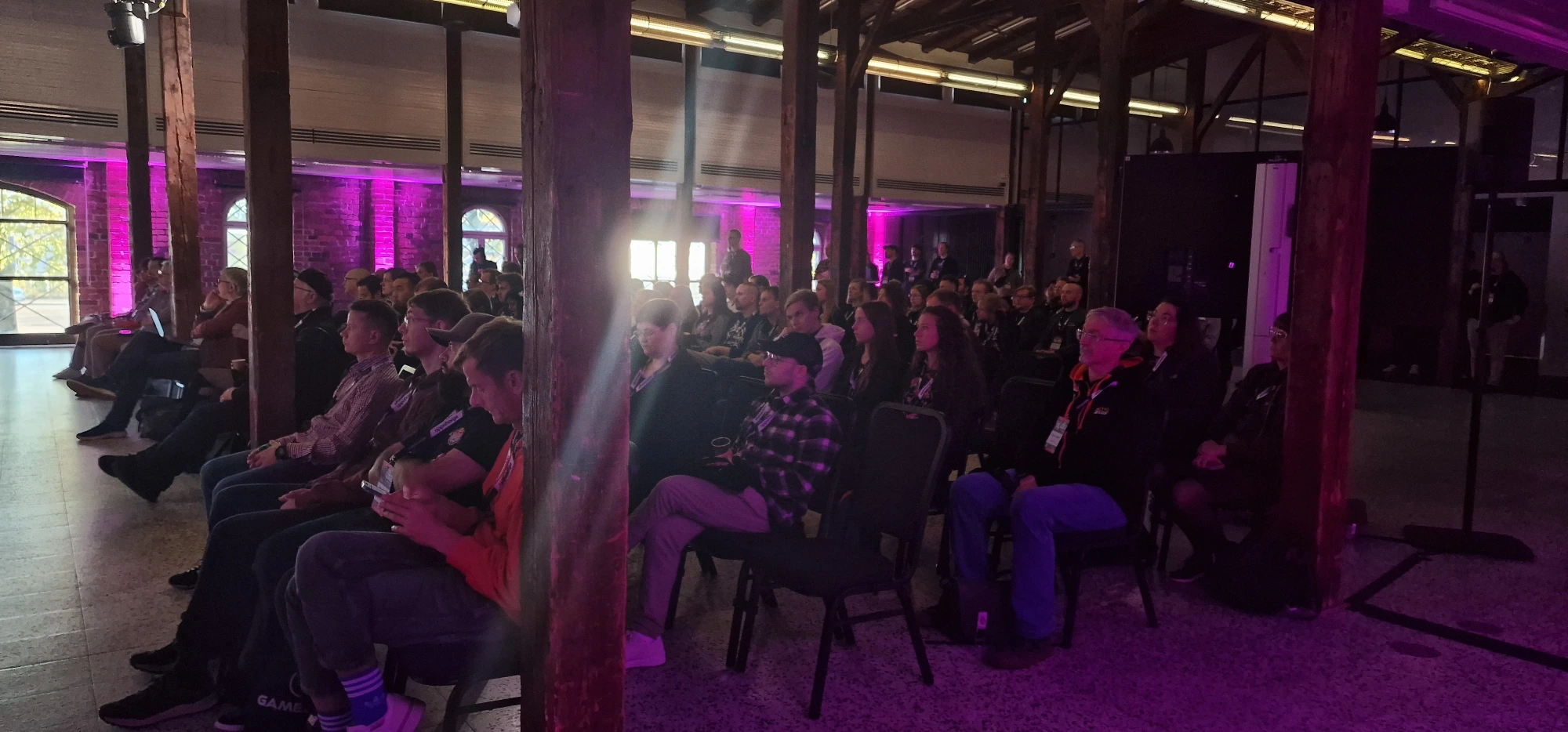
Pocket Gamer Connects Nordics 2026 is a wrap. The event took place in Helsinki and brought together people from across the games industry to share ideas, explore what it takes to build games players can connect with, and get advice on success.
Across the discussions, some themes were extremely common: AI, direct-to-consumer strategies and player engagement. One theme that stood out to me across all of these discussions was that success depends not only on making a great game, but on making thoughtful choices about how it's built and sustained.
All of these conversations happened against a wider market backdrop of uncertainty, market challenges, and ongoing layoffs. But many of the discussions also highlighted the creativity and resilience of the games industry and Nordic studios.
Here are four takeaways from PGC Nordics.
AI can widen the scope, but it shouldn't replace the creative work.
Luke Dicken brought a pragmatic perspective to the discussion on AI, noting that AI is worth exploring when it can create new possibilities, not just because it's attracting attention.
As he put it, the industry risks “chasing our tails” in debates over whether AI is good or bad, rather than working out where it can genuinely be useful.
That sentiment fits into much of the broader conversation I hear around AI, where views range from scepticism to enthusiasm, with many others looking for a middle ground.
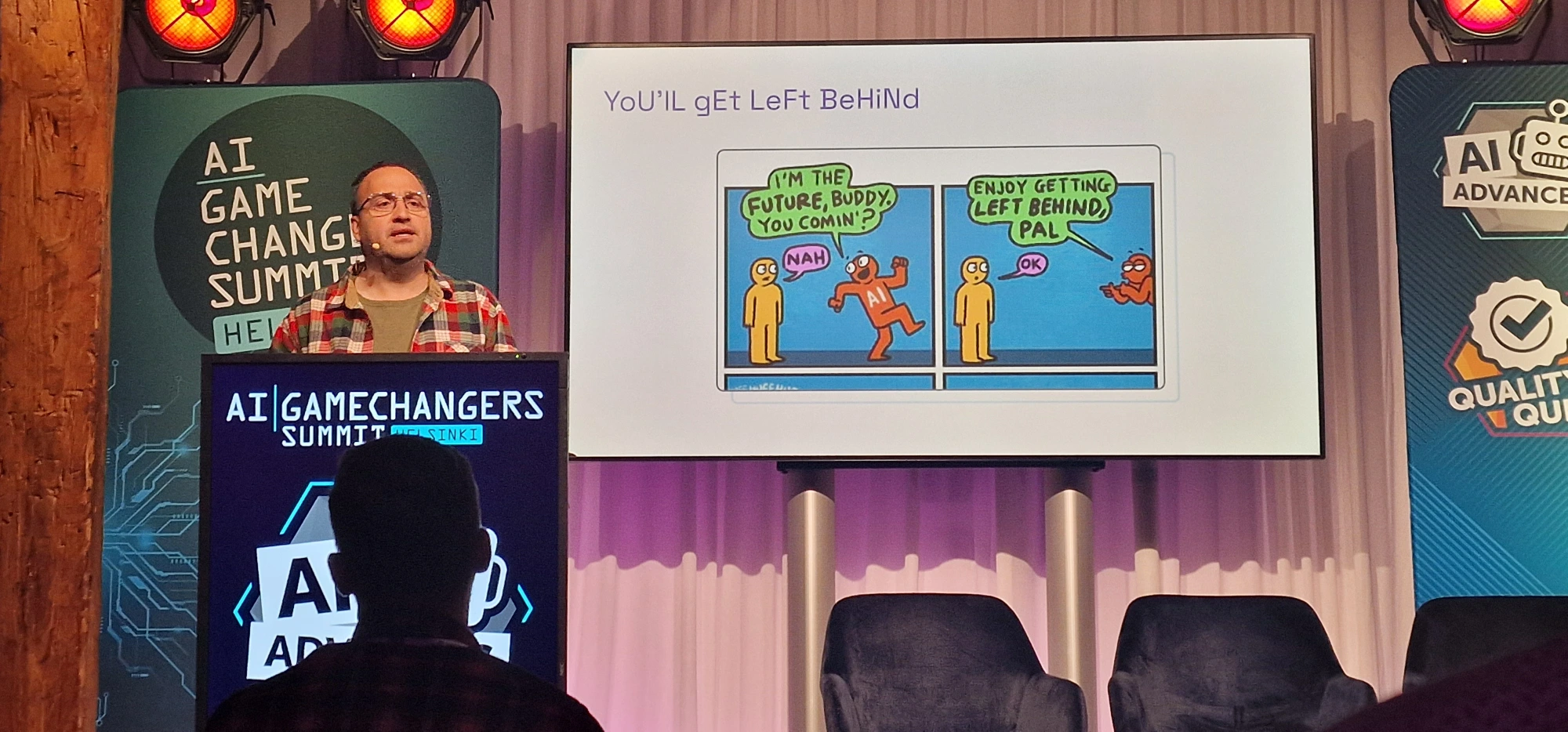
For some smaller studios, AI is already helping them try things they couldn’t have done before without a huge cost. One thing that came up often was that the key is identifying the right tools and use cases, especially early in the process, where AI can widen the range of ideas a team can explore.
The key factor, though? Using AI doesn't mean handing over the creative work. Teams should set clear boundaries and real people should remain responsible for shaping ideas and owning the final outcome.
The message was don't fear AI or embrace it wholesale, but to explore where it can genuinely expand what a team can do.
D2C is a product, not just a store.
A key point across many direct-to-consumer discussions was that launching a web store is only the beginning. As Daria Berdnikova put it, "existence doesn't equal performance.”
I also heard that a store needs to be built and run like a product, and many on-stage talks reinforced this idea. Stores need day-to-day support and continual improvement to give people a reason to use them and return.
That comes down to understanding what players value. Personalised offers and loyalty schemes can all help build an ongoing relationship, but they also need to fit the audience.
Berdnikova noted that “getting that first dollar” can be one of the hardest to win. But even after that, studios still need to earn the players' return, rather than assuming the initial transaction guarantees a lasting relationship.
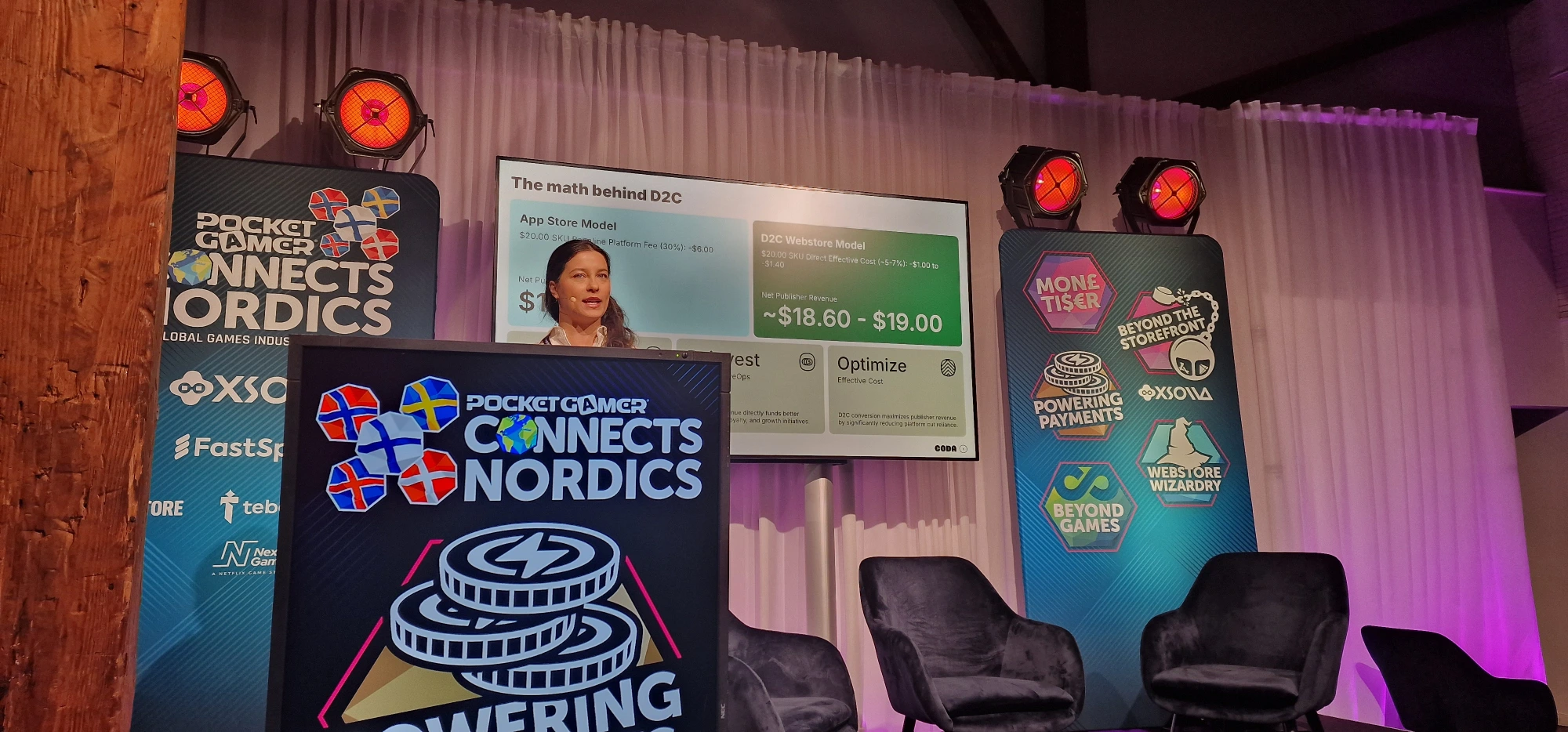
Localisation is part of that product thinking too. This means more than simply translating text or converting currencies. Studios need to understand how people in each market actually behave. She gave the example of a publisher expanding to Japan that added PayPay to its checkout, as it has become an increasingly popular way to pay and has had successful results for the store.
Olga Dokun also noted how this all contributes to more than just higher margins. D2C gives studios a direct relationship with players, but it also means taking on the work that comes with it, such as customer support and handling refunds. A store isn't a “set it up and leave it” solution, it's an ongoing product and service that must work for players and the business.
A great game still needs a path to players.
At PGC Nordics, I hosted a panel called “Does the best game still win?”, a question that came up in one way or another in many discussions. The recurring theme was that making a successful game takes more than a strong idea. Coming up with a promising game concept isn’t the challenge anymore the hard part is getting it in front of players and making it work.
One thing I heard is that the game itself might have to come second, not because quality doesn't matter, but because studios should think early about who the game is for, how to find those players, and what will keep them coming back.
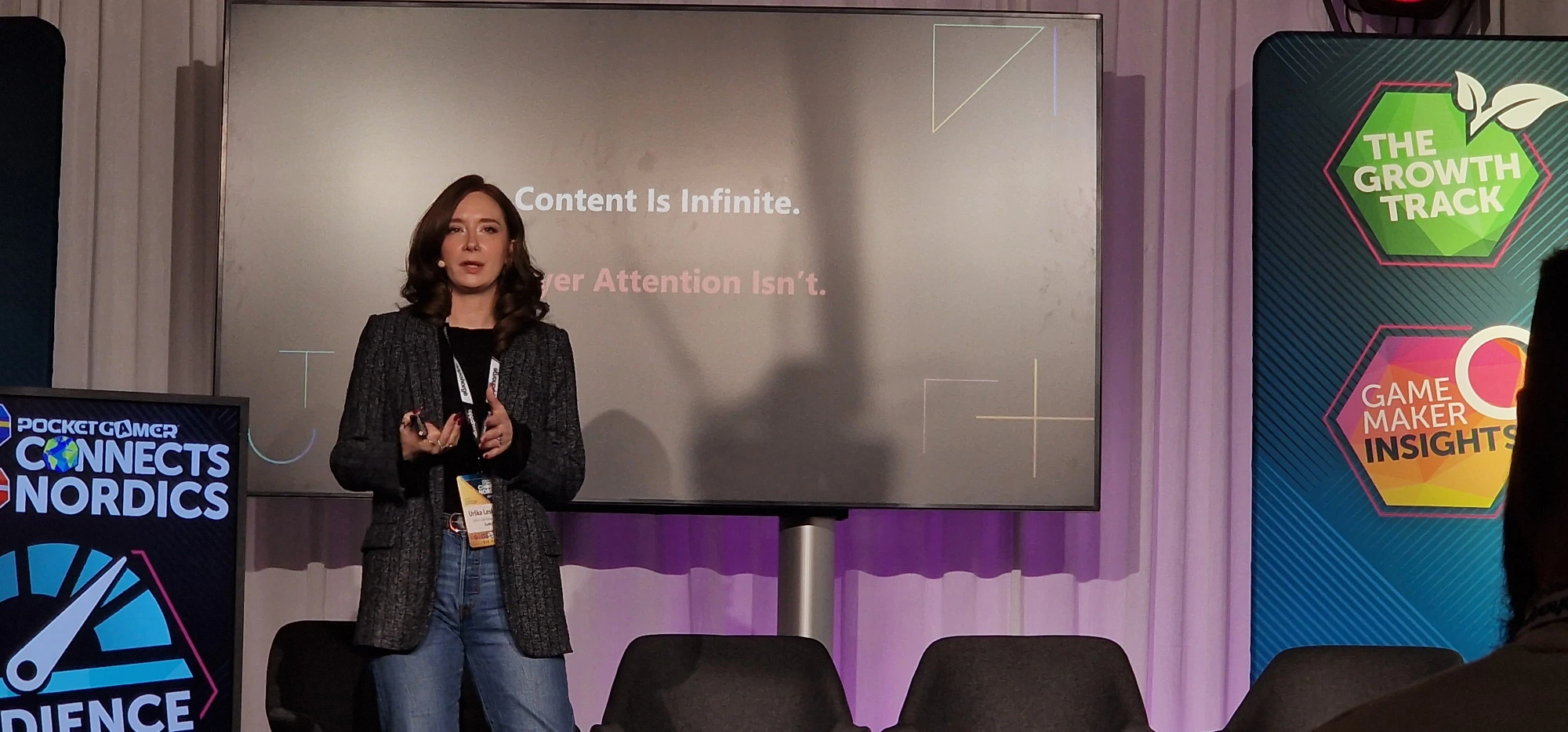
It’s not just new games, either. Urska Leskovar from Outfit7 shared that when engagement drops, don’t reactively add more content. First, diagnose what is causing the dip, whether that's onboarding friction, a problem in the player experience or something else. For every roadmap idea, ask: "What does this add, and why should the players care?"
A great game matters, but so does building a path from that idea to the players who could make it succeed.
An industry under pressure, and a community that keeps showing up.
The games industry has faced layoffs and closures around the world in recent years, as I write this, there’s news that BioWare has closed, a company with decades of legacy behind it.
The Nordics haven’t escaped that pressure either. The impact has been felt across companies like Star Stable Entertainment, Ubisoft Stockholm, and, more recently, Ubisoft’s announcement that it's closing RedLynx.
However, there are Nordic success stories to celebrate too. One example is Embark Studios’ ARC Raiders, which became a major hit.
I interviewed the game's executive producer, Aleksander Grondal, at the event, and he said he was happy with the team he works with, it's smaller but more connected. He wasn't saying studios should avoid growth, but that growth can take different forms and that a strong, connected team is worth protecting as a studio.
Events
