How Nordic studios are using AI part two: From solo game-builders to support that never sleeps

- Some studios have dissolved the team entirely - at Bitmagic, anyone can now build a game from start to finish, solo.
- AI is taking over the work around the craft, reporting, bug-hunting, sketching, while design decisions and "feel" stay deliberately human.
- Player support now answers before a ticket exists, turning thousands of player conversations into business insight.
We hear a lot about how AI is reshaping game development. But when you talk to the people actually shipping games, the picture gets a lot more interesting than "AI makes art now".
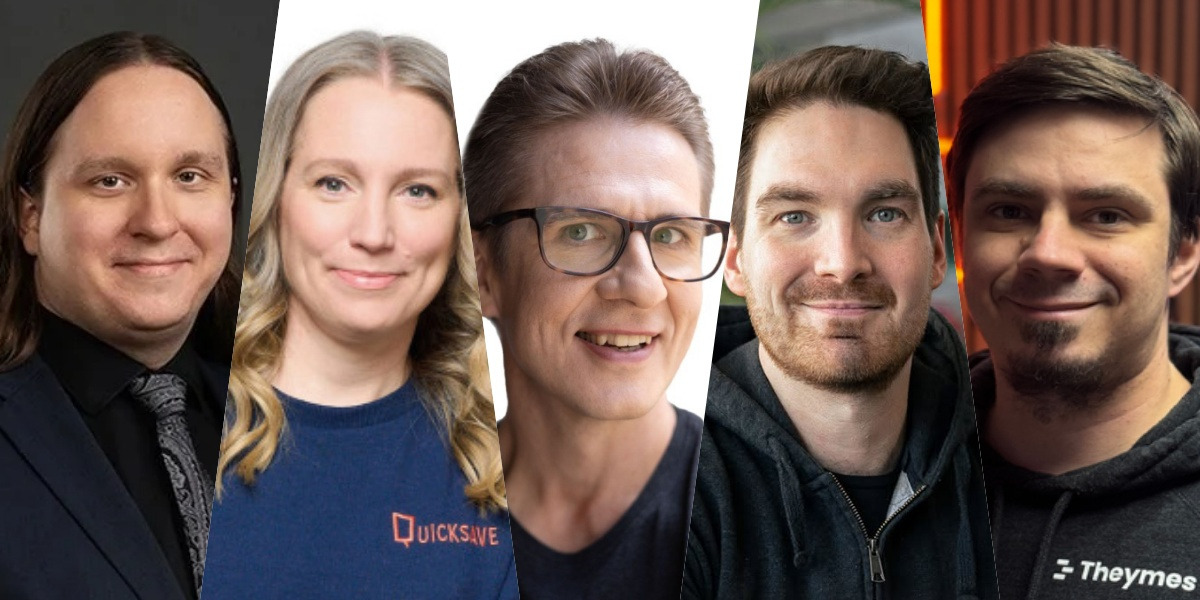
For part two of our series on AI in the Nordic games industry (you can read part one here), we spoke to five more people close to that shift: a games lawyer, an AI-native platform CTO, a studio growth lead, an AI tooling CEO and a player support founder to see how it's really playing out across the region.
Where the legal risk went quiet - but didn't leave
Joeli Niva, legal counsel at Rovio, speaking in a personal capacity and not on behalf of the company, says: "From a game art perspective the question I get most hasn't changed much: can we use AI-generated or AI-assisted art commercially without exposing ourselves to IP infringement, or a breach towards the tool provider."
He adds: "The legal fundamentals here haven't moved much in the past year - the core uncertainties around what the AI was trained on and who owns the output are largely the same as they were.
"What has changed is that the conversation has gone quiet on the legal side, but not because it's resolved. It has shifted from a legal risk question to a publicity and community management one.
"Companies are now more worried about player and community backlash against AI usage than about an actual legal claim landing on their desk. So to me it seems that the tension hasn't disappeared, it has just changed its angle."
Human creativity matters more, not less
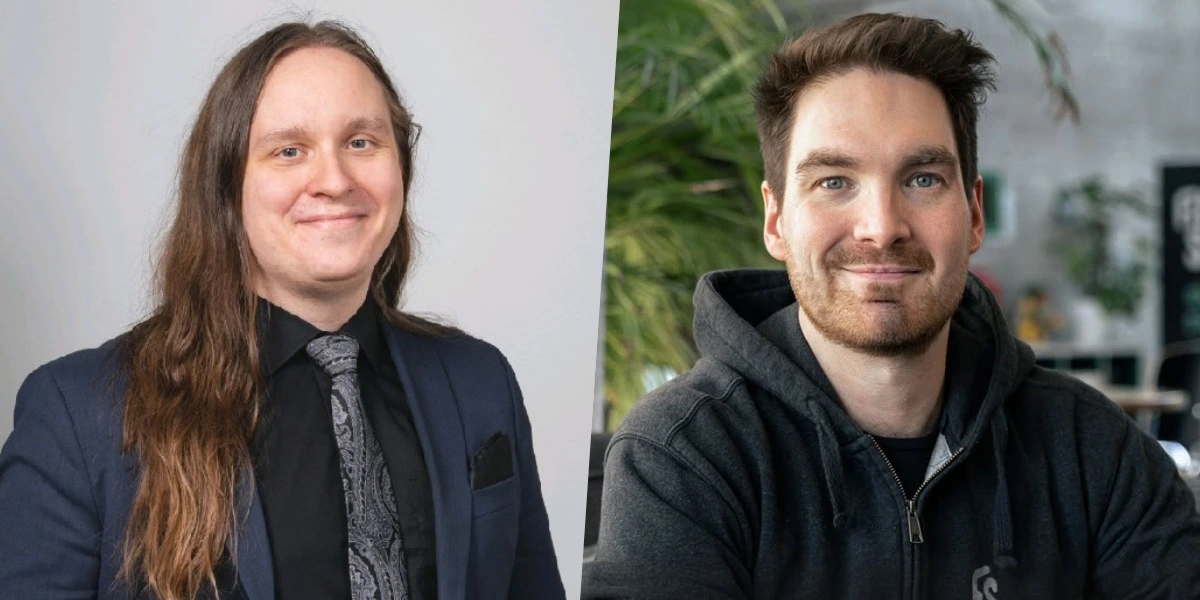
Daniel Rantala, chief growth officer at Fingersoft, says AI has spread across the studio's more automatable work - but that it has made human judgement more valuable, not less.
"At Fingersoft, AI is primarily used across programming, data analysis and visualisation, error-proofing, and other time-consuming or automatable tasks," Rantala says. "We continuously try to find where AI fits in our operations, and we back those use cases with tooling and access to AI systems.
"AI helps creativity in game development, but that human creativity and nuance now matters more than ever. Design decisions, art direction, the feel of a vehicle hitting the ground: that is human work and AI at most gets us to the intended result faster. What AI has changed is the work around the craft, such as reporting, data use, bug identification, sketching and piloting.
"We are extremely passionate about our products and AI is an exciting new tool to deliver even better experiences to our players. Ambition for AI is high and in one year, it is clear that the world will be very different from today."

AI writes the code, humans review it
Elina Arponen, CEO and co-founder of Playables.ai, runs a production pipeline where AI does most of the writing and humans do the reviewing.
“At Playables.ai we are using AI very much in our production pipeline. For example, mostly AI writes all the code and humans only review and give feedback on it.”Elina Arponen
"At Playables.ai we are using AI very much in our production pipeline. For example, mostly AI writes all the code and humans only review and give feedback on it," Arponen says. "This process depends on what's being created though - e.g. our website development has not much human oversight since it's not part of the core product we are building.
"Mostly everything we do otherwise also is being double checked by AI for mistakes or inconsistencies. Like text, marketing, legal, presentations and ideas for creative improvements. People talk about AI slop, but it can also help you improve the quality of your output.
"Clearly our product also has AI in it, but here what I find interesting is the model where AI is the user interface to a powerful professional tool. So the idea is the tool itself does the heavy lifting, but the AI makes the usage easy. This, I believe, is a future paradigm for all complex software."
Support that answers before you ask
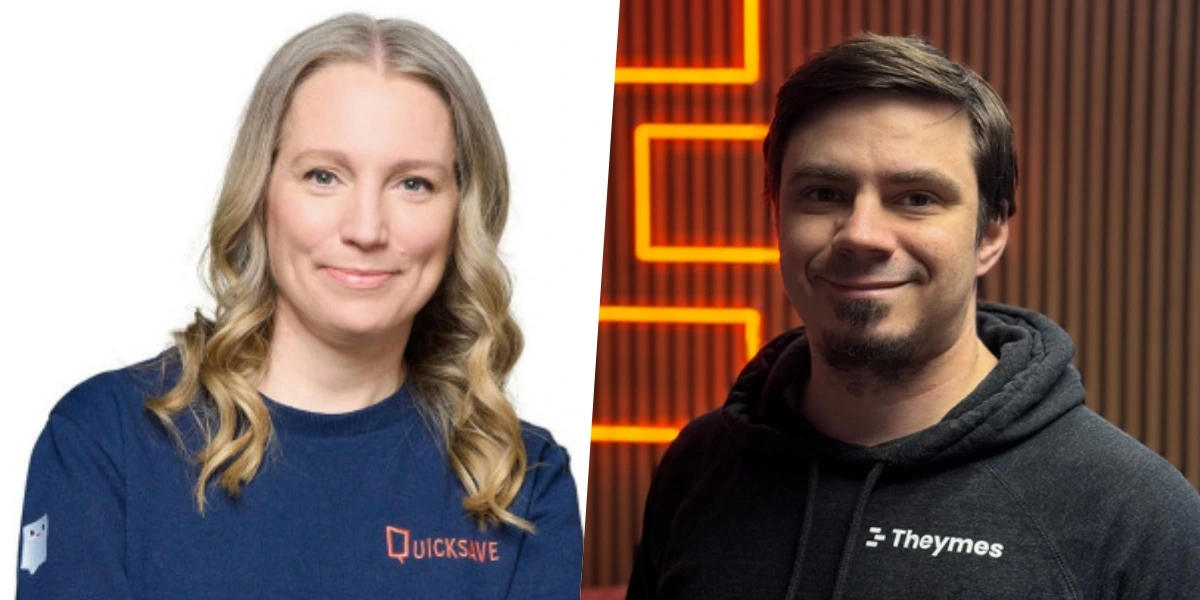
Tommi Koirikivi, co-founder and CEO of Theymes, the AI-powered player support platform for game studios, says the clearest shift for players is that they no longer have to wait for a human to answer routine questions.
"I think one of the biggest changes we've seen is that players no longer have to wait for a human to answer routine questions," Koirikivi says.
"Questions like gameplay guidance, account issues or event-related support that used to end up in an agent's queue are now often resolved instantly by AI before a support ticket is even created. From the player's perspective, the experience is simply faster.
"For support teams, AI gives them the tools to spend less time on repetitive requests and more time on the cases where human expertise makes the biggest difference.
"AI has also opened up entirely new analytical possibilities. Instead of manually digging through thousands of conversations, support, product and live operations teams can ask questions like, 'What did our most valuable players think about the last update?', and get actionable insights almost instantly.
"We see AI making support teams more valuable than ever by turning player conversations into insights that benefit the whole business.
"More broadly, the questions have shifted from using models to connecting them to multiple different data sources via connectors to achieve the best results."
When a "team" becomes one person
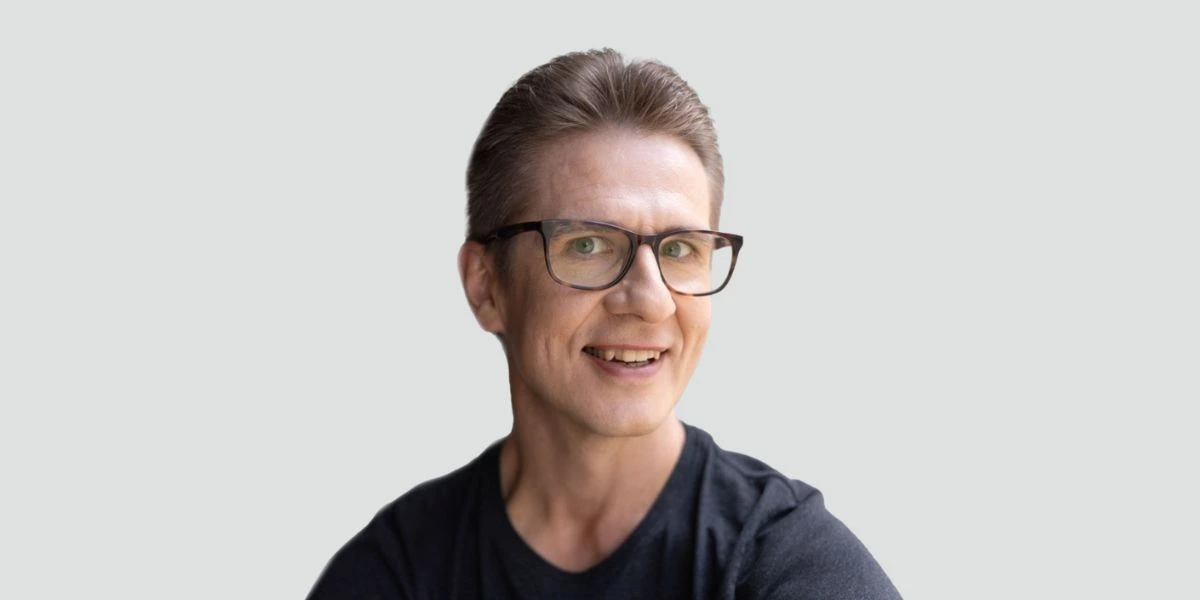
Markus Hjort, CTO and co-founder of Bitmagic, describes the biggest change at his company bluntly: the games are no longer built by teams.
"The big change for us is that we now use Bitmagic to build our own showcase games, and those games are no longer built by teams," Hjort says.
"Anyone in our company can now build a game from start to finish independently. We of course sometimes design ideas together and we have playtest sessions for feedback, but in the end everybody works on their game independently."

You can continue the AI conversation at Pocket Gamer Connects Nordics in Helsinki on October 20th and 21st, where the AI Gamechangers Summit is taking place - tickets are available here.
For more insights on the Nordic games industry, read our free-to-download report, published in association with Xsolla. You can also check out our Top 30 Nordic Game Makers list here.
Companies




People





Events
