iBloxx Studios on building StrayShot for mobile, seven-figure backing and the road to console

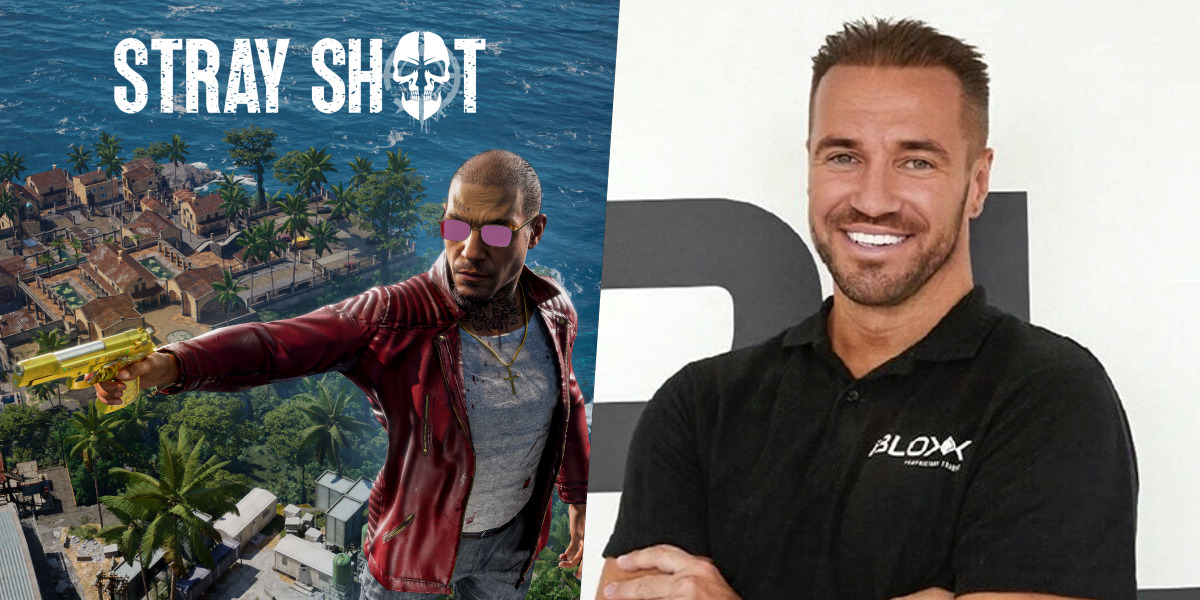
- iBloxx invested seven figures internally into StrayShot.
- StrayShot is mobile-first by design, built to run on lower-end hardware to reach emerging markets, with console support targeted for 2027.
- iBloxx is keeping Web3 elements deliberately invisible, prioritising gameplay over wallets or crypto onboarding.
Dubai's iBloxx Studios spent years building software and investment arms before deciding the real opportunity was making games. Now a third-person shooter called StrayShot is testing whether that bet pays off.
The 25-person team has put seven figures into the project, optimised to run on both flagship and budget phones - a deliberate choice aimed at markets where people want to play shooters but don't all own expensive devices.
We speak with CEO Domenik Maier about why StrayShot keeps its web3 layer almost invisible to players, what partnerships from the Dubai Future Foundation and Xsolla actually deliver and why he believes MENA gaming is still one breakout global hit away from real investor confidence.
PocketGamer.biz: Could you tell us a bit about iBloxx Studios and what you’re up to right now?
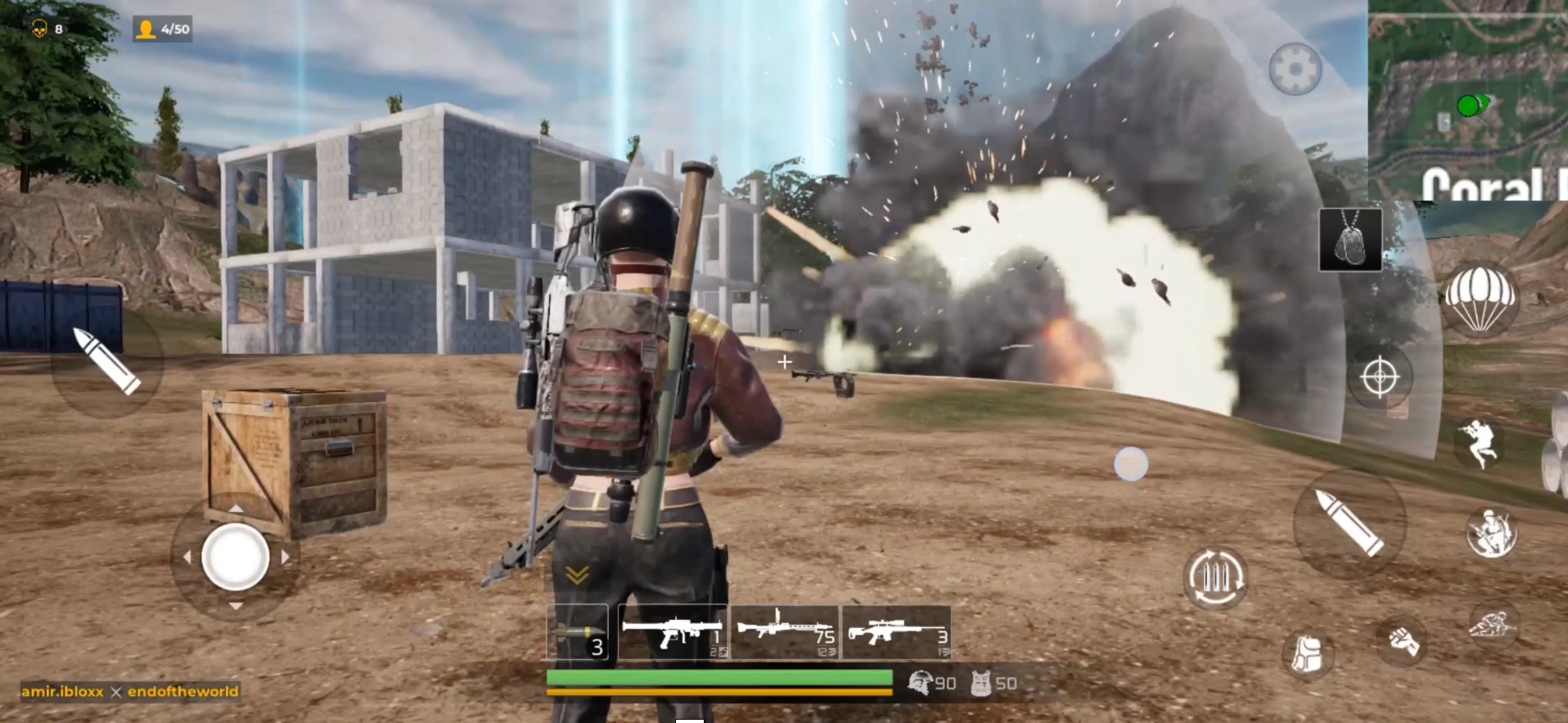
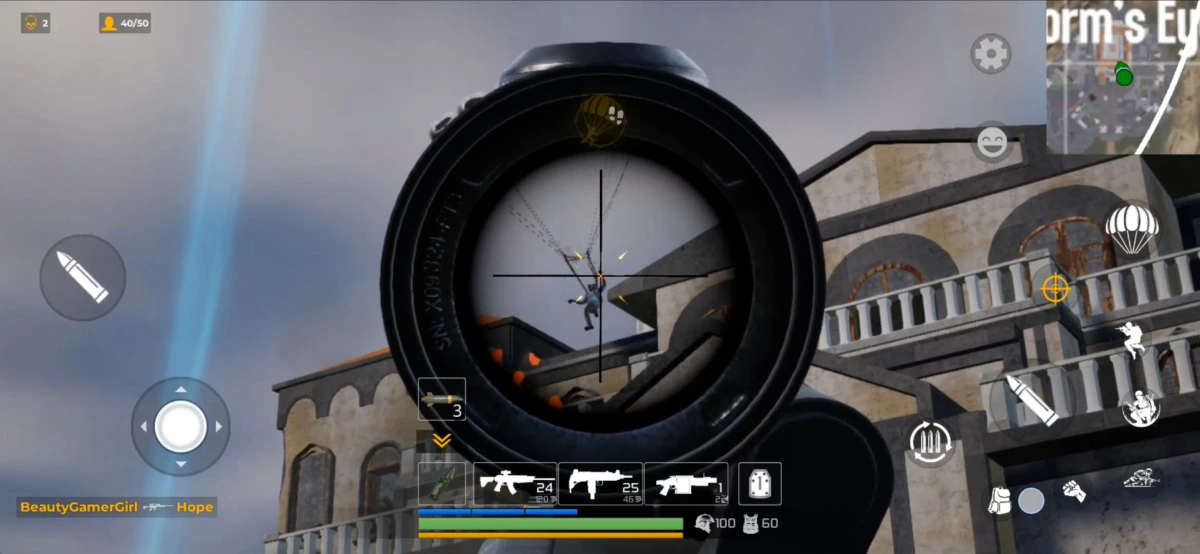
Domenik Maier: iBloxx Studios is a Dubai-based game development company focused on building high-quality multiplayer games for a global audience. Our core focus right now is StrayShot, a competitive third-person shooter being developed in Unreal Engine 5 and optimised for both mobile and PC.
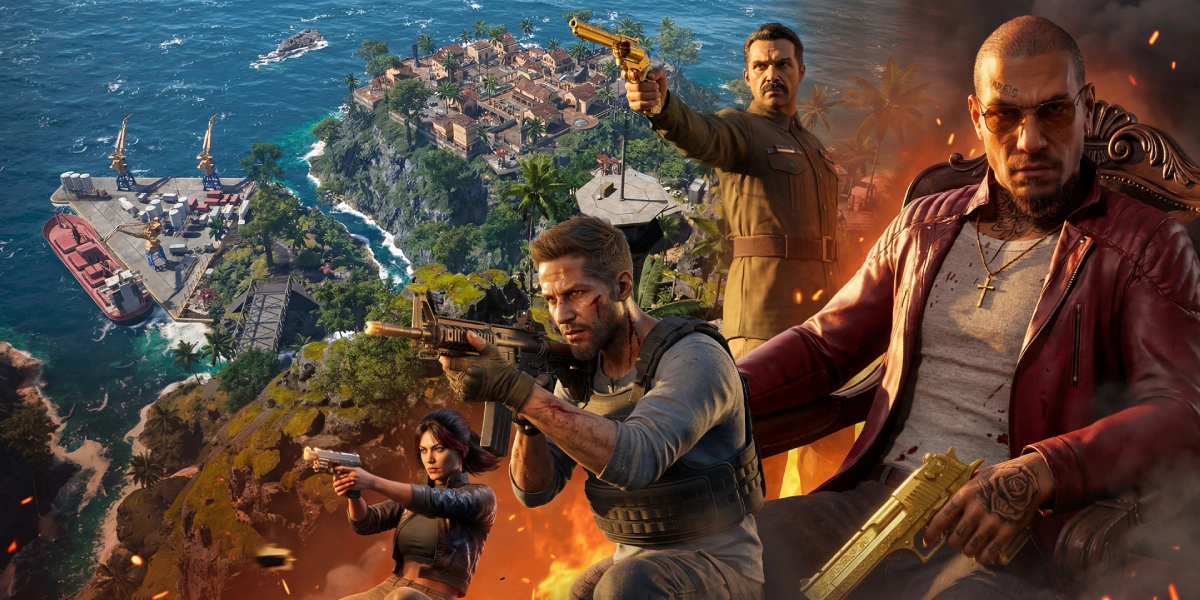
At the moment, our main priority is preparing StrayShot for soft launch later this summer, followed by a broader release later this year. A lot of our efforts are currently centred around gameplay polish, infrastructure, live operations preparation and scaling the production pipeline for launch.
How many staff do you currently employ and where are they based?
We currently have a team of around 25 people. The majority are based in Dubai and work from our headquarters in the DMCC, although we also collaborate with remote talent internationally. We’re a very international team overall, with more than 10 nationalities represented across development, art, engineering, and operations.
iBloxx operates across three entities - Technologies, Studios and Capital. How do those arms interact in practice? And how do you prioritise resources between developing games and your other projects?
The three entities complement each other strategically, but today our primary focus is very clearly on iBloxx Studios and gaming. iBloxx Technologies focuses broadly on software development, including financial technologies, algorithmsand AI-related tooling. iBloxx Capital mainly supports advisory and strategic investment activities.
In practice, the broader ecosystem gives us access to technical expertise, business development opportunities, and strategic relationships, but from a resource and operational standpoint, the majority of our focus is dedicated to StrayShot and scaling the gaming division.
Tell us more about StrayShot. Why did you decide mobile was the right platform to target first? And did the capital side of iBloxx play any direct role in funding the game's development?
We chose mobile first because we believe that’s where the largest opportunity exists globally, especially in emerging markets where high-quality shooters are massively popular but hardware accessibility can still be a limitation.
“We fully understand the scepticism around Web3 gaming, and that’s exactly why our philosophy has always been 'game first'”Domenik Maier
One of our goals with StrayShot was to deliver a visually ambitious multiplayer shooter while still optimising for lower-end devices.
That combination is technically challenging, but it allows us to reach a much broader audience. From a funding perspective, iBloxx itself invested seven figures internally into the project during development.
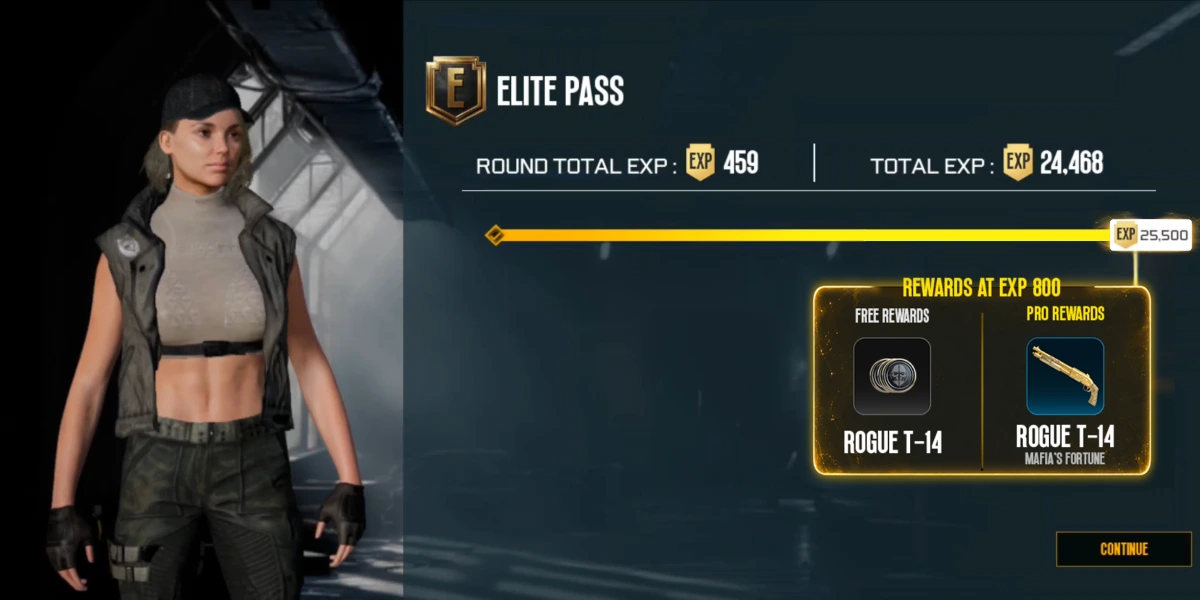
The broader iBloxx ecosystem helped support the early stages strategically, but today StrayShot operates as a dedicated game production effort with its own roadmap, team, and long-term vision. Console expansion is also part of the long-term plan and we are targeting 2027 for that next stage.
Web3 gaming has a credibility problem with mainstream players. How are you designing StrayShot so that the blockchain layer doesn't become a barrier for players who don't care about it?
We fully understand the scepticism around Web3 gaming and that’s exactly why our philosophy has always been “game-first”. For us, blockchain should never create friction or become a requirement to enjoy the experience.
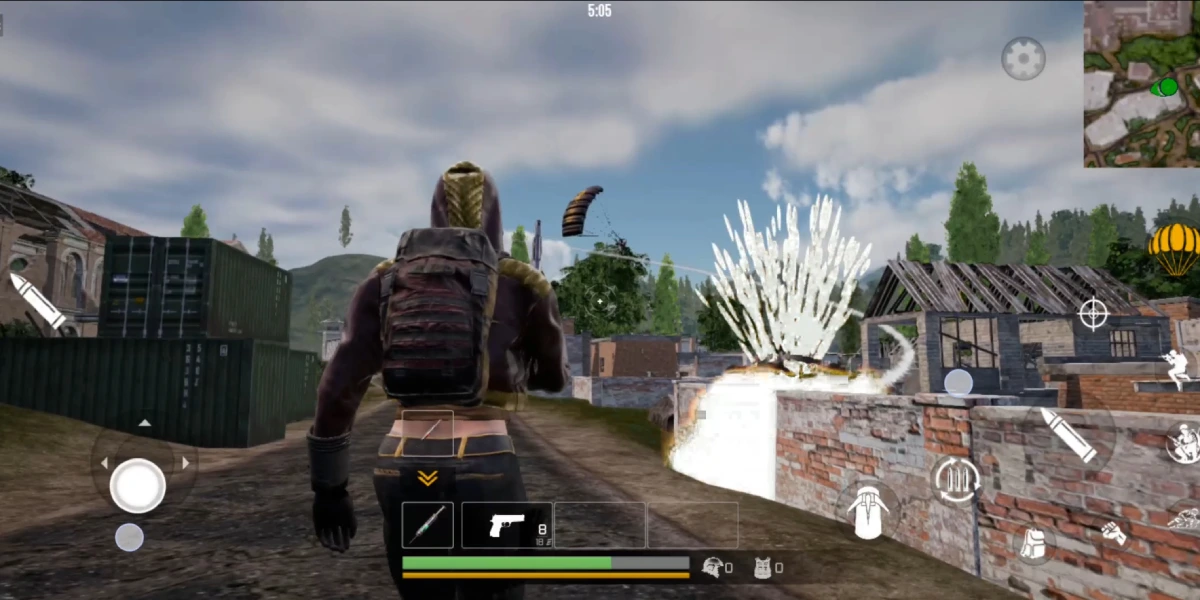
Players should be able to jump in and simply play a great multiplayer game without needing to think about wallets, crypto, or technical onboarding. Where digital ownership becomes interesting is in giving players more control over the assets they accumulate over time, but we want that layer to feel subtle and seamless rather than intrusive.
Where does StrayShot sit in development right now, and is there a specific timeline for launch?
Right now we’re in active tech testing and preparing for soft launch later this summer. The game is already fully playable internally, so the current phase is really about optimisation, balancing, infrastructure testing and refining the overall player experience ahead of scale.
“What will really unlock larger investment flows is seeing more studios successfully launch internationally recognised titles and build long-term player communities.”Domenik Maier
Following the soft launch, the plan is to move toward a wider release later this year. The funding allows us to accelerate production quality, expand marketing efforts, strengthen backend infrastructure, and prepare for future platform expansion including consoles in 2027.
You're working with the Dubai Future Foundation, Xsolla and the Dubai Culture and Arts Authority. What is each of those partnerships actually delivering for you beyond optics? Are there any more partnerships in the works?
The partnerships have been genuinely valuable from both a strategic and operational perspective. Different organisations have supported us through introductions, advisory, ecosystem connections and helping us navigate opportunities within the regional gaming landscape.
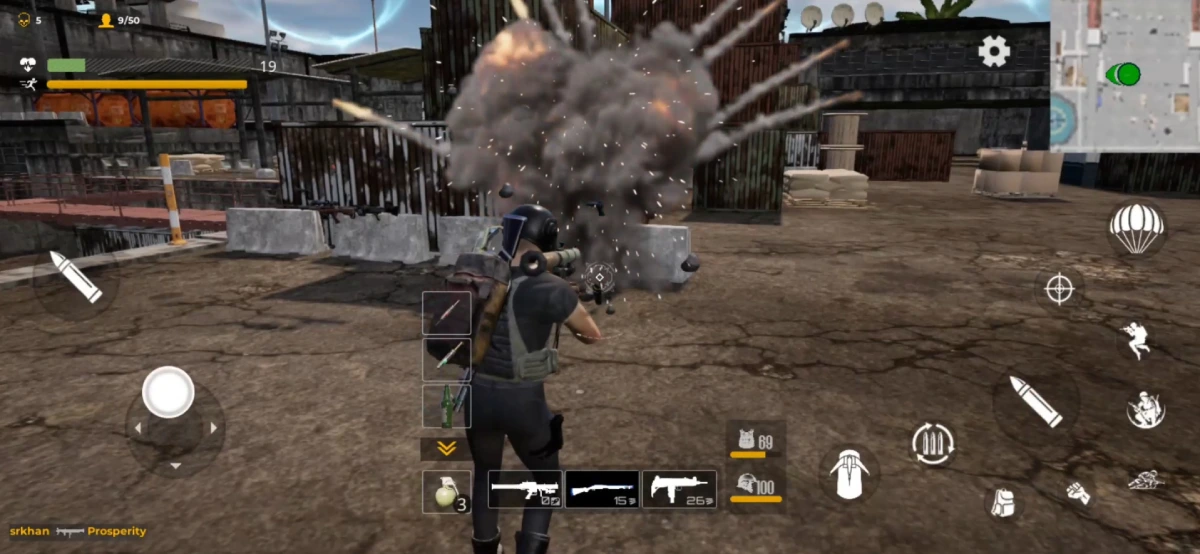
For example, support around international exposure - including sponsorship for our Gamescom trip and booth - was incredibly helpful as we continued building industry relationships globally. Xsolla has also been valuable from a gaming ecosystem perspective, given their experience supporting developers internationally.
Beyond that, we are currently in discussions with several major publishers and industry partners, although nothing has been contractually finalised yet.
What do you see as the current opportunities and challenges facing the games industry in the UAE and the wider MENA region?
I think the opportunity is massive. The region already has strong gaming engagement, a young population, supportive infrastructure, and governments that are actively investing in creative and technology industries.
Dubai in particular has created a very attractive environment for studios and founders through initiatives like the DMCC Gaming Centre, the Dubai Future Foundation and now the broader ecosystem being coordinated through the Dubai Program for Gaming and the Dubai Gaming Commission.
The biggest thing the region still needs is a true breakout global success story from a locally built studio. Once that happens at scale, I think you’ll naturally see significantly more capital, publisher attention and talent flowing into the ecosystem.
In terms of funding and support for game developers, how do you think MENA game studios could attract more investment?
I think visibility and execution are the key factors. Investors ultimately want proof that studios can build globally competitive products and scale sustainably. The talent already exists in the region, and the business environment is becoming increasingly supportive.
What will really unlock larger investment flows is seeing more studios successfully launch internationally recognised titles and build long-term player communities. As more success stories emerge, confidence in the ecosystem will naturally increase.
Beyond StrayShot, what are your plans for the rest of 2026? Are there any specific initiatives or projects on the horizon that we should look forward to?
Our full focus for the rest of 2026 is on launching StrayShot successfully and building a strong long-term live game. That includes expanding content, scaling the community, strengthening live operations and continuing to optimise the experience across platforms.
At the same time, we are laying the groundwork for future expansion into additional platforms, including consoles, and continuing discussions with strategic publishing and ecosystem partners.
Right now though, the priority is very clear: deliver a great game and build a lasting franchise around it.
Companies

People