Most people take an unexpected route into games says Global Game Jam director

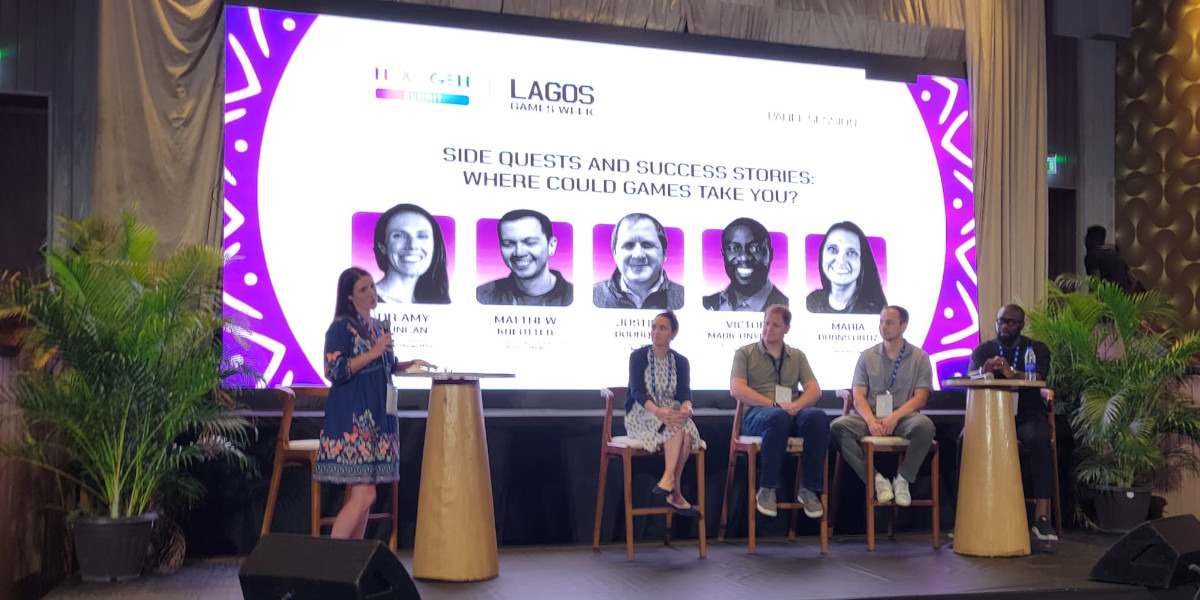
- Global Game Jam director Maria Burns Ortiz said there is no single route into games.
- Her own journey from sports journalism to industry leadership being a key example.
- Speakers encouraged attendees to focus on transferable skills rather than a traditional path into the industry.
Many young people assume a career in games means becoming a developer or an esports athlete, but the reality is that the industry runs on a far wider range of roles reached by routes that are rarely straight.
Speaking on stage during a careers-focused panel at Lagos Games Week 2026, Global Game Jam executive director Maria Burns Ortiz used her own path to make the point, having spent around a decade as a sports journalist at ESPN covering football, the NBA and the NFL before moving into games.
She left sports media at the top of the field to co-found an educational games studio with her mother, building maths games for children over 13 years old, before taking the helm at Global Game Jam, which runs the world's largest game jam, with around 40,000 participants across more than 100 countries each year.
"If you had told me that I would go from covering football to running the world's largest Game Jam event, I would never have believed you," said Burns Ortiz.
"There is no real one traditional path”
Burns Ortiz used her own roundabout route to reassure the young audience that they do not need their whole career mapped out in advance.
"The more I've worked in this industry, there is no real one traditional path," she said. "Most people in the industry took this very roundabout way to get there, and at the end of the day, we all still got here."
The panel reinforced the point by outlining roles that most attendees would not associate with games.
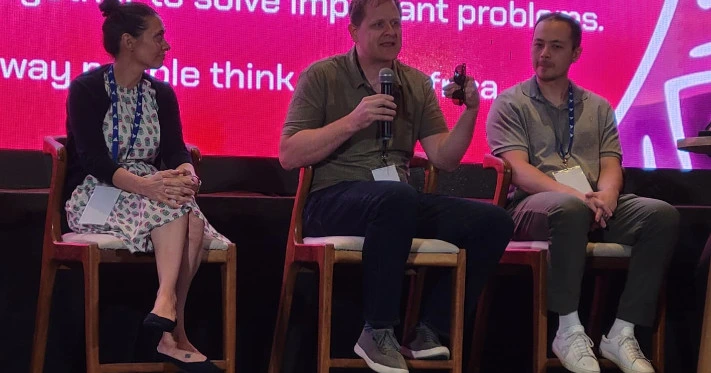
Africa No Filter's Victor Mark-Onyegbu described his work in narrative change, working with storytellers to shift global perceptions of Africa and shape how the continent is represented in the virtual worlds developers build.
Endless learning programs led Justin Bourque to frame his role as breaking down the technical barriers that stop young people from expressing their creativity.
Games for Change Africa programmes director Amy Duncan pointed to community engagement as an underrated path, noting that successful games depend on the people who sustain player communities long after launch.
People