MTG wants to double its size while leveraging AI


Swedish digital entertainment firm Modern Times Group wants to double in size over the next three to five years - all while it plans to scale up AI tooling.
MTG has grown its games business substantially over the years. The company's portfolio includes the likes of InnoGames, Snowprint Studios, Hutch, Ninja Kiwi, Futureplay, PlaySimple and Plarium.
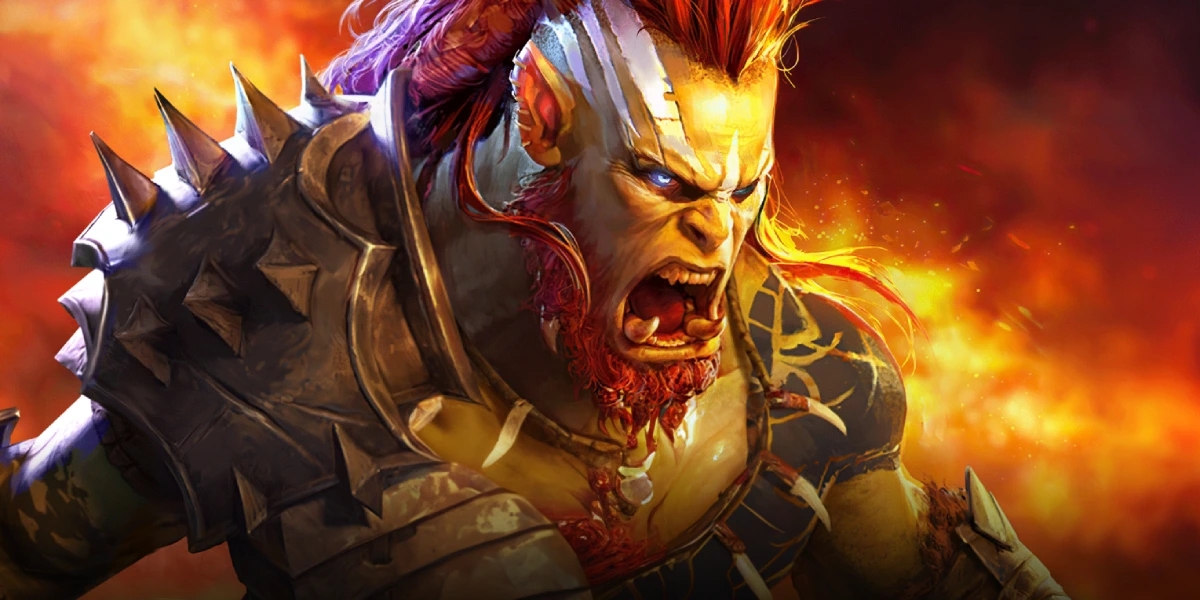
The latter Raid: Shadow Legends developer is the most recent acquisition, with MTG shelling out $620m to purchase the studio from Aristocrat Leisure, which left games to focus on its casino business.
But the company still has big ambitions.

“I am a big believer that you need scale and you get benefit from scale,” MTG president and CEO Maria Redin tells PocketGamer.biz.
“But it’s not getting big for the sake of getting big. It's always about being relevant, and relevant being having amazing games that our players love. So the only way we can double, I wish I could say we can do that through purely organic growth, but I think that's too ambitious, but that means that we will continue to have that selective M&A agenda, selectively diversifying our portfolio with more amazing evergreen IPs, or on the casual side, evergreen franchises. And then you fuel that with organic growth.
“We've done it so far and I think during my CEOship, we more than tripled the company. So I think that doubling again, yes, it's ambitious, but I think having a high ambition also takes us further.”
M&A
Redin talks about a “village philosophy” that underpins how MTG operates. On their own, studios need to stand on their own merits with a solid financial outlook. Then, she says, MTG can “turbocharge” their growth and “become better together”.
“So we said no to a lot of things,” she says, adding: “So when I say I want more scale, it’s all relevant scale. It’s finding that incremental one company that we truly believe should come into our gaming village.”
The company’s village philosophy is driven by sharing tech and learnings across the company as they compete not just with other studios, but social medi and streaming platforms.
“When one studio learns something good, we should make sure that's being shared. If we have an amazing marketing platform, we don't need to replicate that and build something else in a different studio. We make sure that that marketing platform can actually be leveraged across the group.”
When it comes to M&A opportunities, we ask if MTG is looking at the exciting studios in hubs like Türkiye, China and Vietnam. Redin says the first thing the company looks at is genre diversification, but that those are markets the company is looking at.
“We are very Western-focused in the style of game and also where our studios are based.”
She adds: “We're spending more and more time looking at those markets and trying to find what are the companies that could fit into our gaming village from there.”
“We will continue to have that selective M&A agenda that we had, selectively diversifying our portfolio with more amazing evergreen IPs.”Maria Redin
Once studios are part of the MTG setup, while the company wants to empower them, they are given a framework to operate in based on the firm’s goals at a group level.
“I'm a big believer that each CEO needs to be accountable for their own results, own their P&L and also earn the creative development because otherwise it's hard for them to deliver something that they haven't committed to. And I think that's a healthy conversation.”
Rebrand and leveraging AI
Last month, MTG rebranded its midcore IAP-focused division, which includes Plarium, InnoGames, Snowprint, Hutch, Ninja Kiwi and Futureplay, to PlayAmp. Shared services across PlayAmp include Plarium’s data platform, the GoGame marketing platform, a D2C platform (which now accounts for 51% of the division’s total revenue as of Q2 2026), AI Lab and more.
Redin says one reason for the move was to make sure everyone feels there is an identity that glues the entire division together. Ensuring there is some closer cooperation also helps make sure teams don’t get stuck - “we can run faster”.

Asked how the company is utilising this approach for AI, Redin explains that given the pace of the industry, MTG can’t simply just run central initiatives, “because then you will miss so many things”.
Instead, there’s an overarching framework of whitelisted tools so teams understand the structure of dos and don’ts. “But within that, they can run really fast and we can make sure that each studio has a wide array of tools that they can test. Then we find which are the best now.
“As we see things working, we share that between the studios and also between the two different districts to make sure we leverage both the tools we're building and also the systems that are working well.
"We also have a centralised AI lab that is iterating in a sort of sandbox environment, but that is incremental to what is being done in the studios.”
“We can kill more ideas, and, in a perfect world, also come faster to launch.”Maria Redin
Redin appears hyped about the potential for AI tech. For new game development, she says developers can start building games “fundamentally different today”.
“What used to be maybe one games team making one game like a year ago, you can actually make three games now because you size them differently, you actually leverage tools in a different way, so you can fundamentally rewrite the whole work process in new games development.
“So that gives us more shots at goal, we can test more ideas. We can kill more ideas, and, in a perfect world, also come faster to launch.
"But then we already have an existing production chain. To your point, you have very well functioning processes and structures, and you are not rewriting that from scratch.
“But you are adapting and tweaking every single process within and embracing the tools available to make sure you can run faster, you can produce more content, you can do more testing.”
Redin says MTG’s philosophy is to embrace AI tools without taking down the workforce. It’s not about finding efficiencies, she says, it’s improving the quality, content output and ideally getting more games to market.
“I think it can amplify all the steps in games production including marketing, creating more creatives and making sure you elevate the performance there as well. So I would say A through Z we can embrace it. But right now it complements the teams that we have."
Companies

People
