Outfit7's VP of legal on the risks AI poses to game IP ownership


- AI-assisted game development introduces new challenges around copyright ownership.
- These challenges are especially high when human contributions are limited.
- AI does not have to complicate brand partnerships if companies maintain ownership of their core assets and human oversight.
As generative AI becomes more embedded in game development and marketing, studios are having to think more carefully about what happens to their intellectual property throughout any creative process.
For mobile games working with established franchises and licensed brands, that means considering not just what AI can produce, but also what information teams put into these tools and whether the resulting work can still be protected.
Outfit7, the studio behind the Talking Tom franchise, is among the companies navigating that shift. We spoke with Tina Stockbauer Zagorac, VP of legal at Outfit7, about the copyright, confidentiality and ownership risks that come with bringing AI further into game development.
Protecting IP in the AI workflow
The introduction of AI changes some of the assumptions that companies have historically been able to make about ownership.
When a developer writes code, or an artist creates a character as part of their work for a company, there is usually a clear chain of ownership. AI-assisted creation can make that process less straightforward, particularly when the extent of human contribution varies.
“The absolute biggest shift, as AI becomes part of the everyday workflow, is that intellectual property protection is no longer automatic.”Tina Stockbauer Zagorac
“From a games lawyer’s perspective, the absolute biggest shift, as AI becomes part of the everyday workflow, is that intellectual property protection is no longer automatic; it must be actively secured, managed and documented,” Zagorac says.
She notes that companies therefore need to treat IP protection as an active part of AI adoption rather than something that can be assumed after the fact.
“In the past, if your team wrote code or designed a character, you automatically owned the copyright. Today, incorporating AI into production disrupts this baseline assumption, turning IP protection into a complex, risk-management task.”
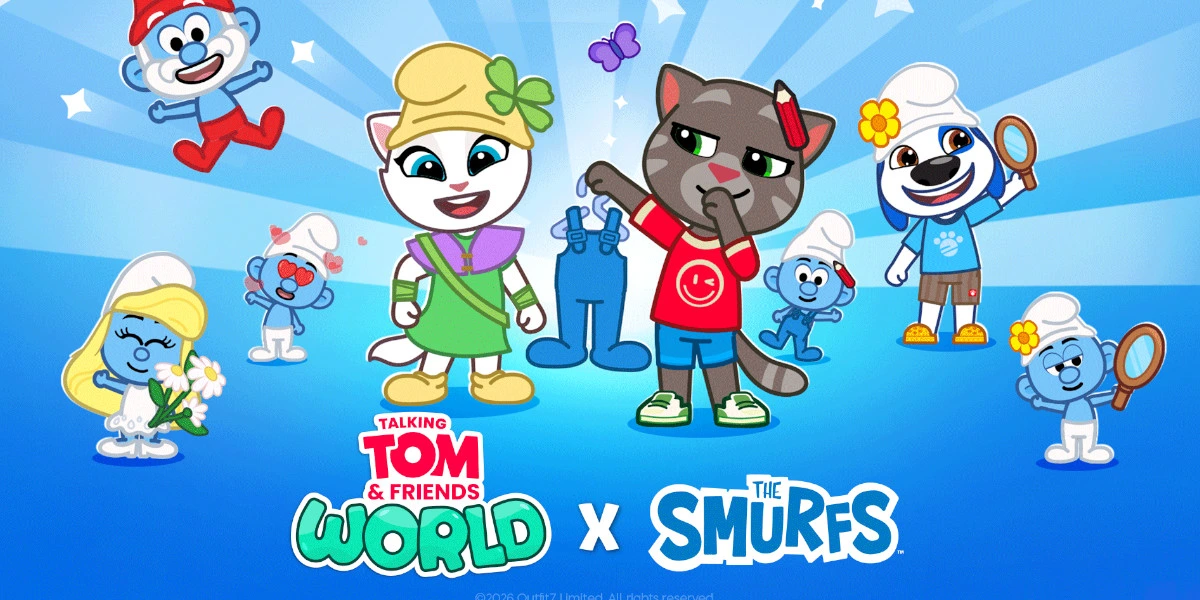
Human authorship matters here and Zagorac highlights the need for companies to consider how their creative teams develop AI-generated material to protect copyright.
“Because copyright offices globally require human authorship, unmanaged AI usage risks placing critical game assets or critical code into the public domain or leaving them legally indefensible.”
That means legal and creative teams need to set clear boundaries for where AI can be used, while also tracking the human work that follows.
“This requires a clear record-keeping system, including documentation of AI-generated assets alongside human edits, to demonstrate human creative control and defend ownership if challenged.”
What are you feeding into AI?
The question of ownership however, is only part of the picture. For game companies, there is also a potential risk around the material that employees actually feed into AI systems in the first place.
Unreleased characters, source code and assets supplied by a licensing partner can all carry confidentiality or contractual restrictions. Putting those materials into an AI service without understanding its terms could then create problems.
“From a legal perspective, feeding proprietary or licensed third-party assets into standard versions of AI tools introduces severe risks regarding trade secret exposure, loss of confidentiality and breach of contract,” Zagorac says.

This is increasingly relevant for game studios that may be working with IP they don’t directly own.
“If an artist or developer uploads unreleased characters, proprietary source code, or licensed third-party assets into a free AI tool, those assets may be used for model training,” she notes. “Furthermore, feeding third-party licensed IP into a public model can trigger severe claims from brand partners for breach of contract.
“Before using any AI tool, legal teams must verify that model-training functions can be disabled, while carefully auditing vendor contracts for robust confidentiality protections, clear liability terms, and indemnification in case of third-party IP infringement.”
Keeping control
Legal review doesn't stop once a company has established what its team can upload. The resulting material generated also needs to be assessed before it becomes part of a game or marketing campaign.
For studios producing characters, artwork or things like advertising, that means considering whether AI-generated content could infringe on existing IP and whether the company can claim ownership of the finished work.
“AI-generated outputs may contain protected third-party IP or infringe on existing trademarks.”Tina Stockbauer Zagorac
“AI-generated outputs may contain protected third-party IP or infringe on existing trademarks,” Zagorac says, adding that companies need to perform thorough clearance checks before finalising assets.
Beyond those checks, there is also the question of how much human involvement is actually needed to establish copyright protection. Zagorac argues that AI-assisted work needs to remain part of a human-led creative process.
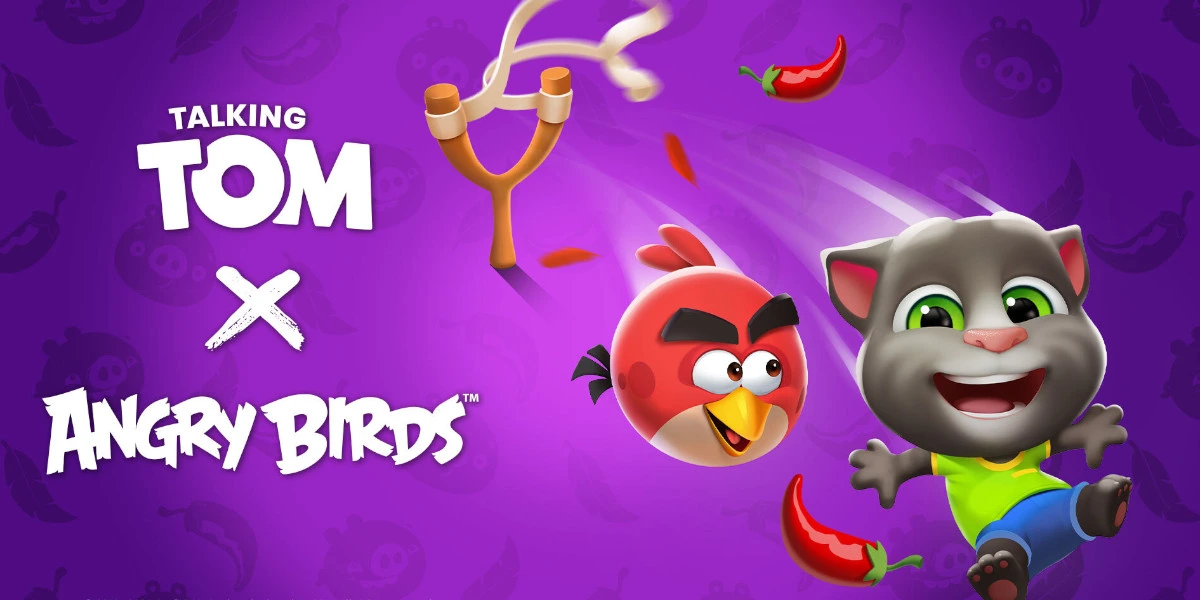
“Creative pipeline must be structured so that AI-generated outputs undergo significant transformation by human artists, ensuring companies can claim defensible copyright ownership over final production assets.”
For Outfit7, these considerations are particularly relevant given its ownership of the Talking Tom franchise and its work with other established brands.
“When AI tools are used responsibly, solely as a tool to enhance efficiency without replacing human creative oversight, brand partnerships can continue to thrive seamlessly alongside AI adoption.”Tina Stockbauer Zagorac
Zagorac does not believe AI necessarily makes those relationships more complicated, provided that companies maintain control over their creative assets.
“We don't see generative AI as an obstacle to these collaborations because we remain very protective of our franchise identity and actively work to ensure we strictly own all of our core assets,” she says.
“When AI tools are used responsibly, solely as a tool to enhance efficiency without replacing human creative oversight, brand partnerships can continue to thrive seamlessly alongside AI adoption.”
Employee impact
Beyond the legal questions around ownership, employees also face other challenges in how they use AI tools across businesses.
Consumer AI services are easily accessible and creative teams may turn to them to speed up tasks without fully understanding the extent of the information they are sharing.
“The biggest operational challenge is an awareness gap,” Zagorac says. “Most employees or creative teams adopt consumer AI tools with good intentions to boost efficiency, completely unaware of the underlying dangers or legal consequences.”
She highlights the risk of employees uploading company assets into consumer tools, especially when those services have not had any kind of approval for handling confidential material.

“They naturally treat AI tools like any other tool, not realising that copy-pasting proprietary code, uploading company assets or feeding third-party IP assets into consumer tools can permanently destroy trade secret protections, trigger breach-of-contract claims or result in unprotectable public domain assets.”
However, rather than simply banning AI use, Zagorac believes companies need to explain the legal implications to employees so they understand why certain restrictions exist and where to draw the line.
“When creative teams understand the actual legal consequences, they become active partners in risk management.”
She also recommends using secure enterprise AI tools with clear confidentiality and zero-data-retention obligations.
Where AI can help
Despite the risks, Zagorac believes AI has a place in game development, particularly for improving efficiency without compromising a company’s most valuable assets.
“The key is not avoiding AI, but rather strategically identifying which core assets require full copyright protection versus where operational efficiency takes priority.”Tina Stockbauer Zagorac
“From a legal perspective, the key is not avoiding AI, but rather strategically identifying which core assets require full copyright protection versus where operational efficiency takes priority,” Stockbauer Zagorac says. “For assets that represent the long-term equity and defensibility of the business, human authorship must remain central.”
Ultimately, Zagorac argues that AI adoption should form part of a company’s wider approach to protecting its intellectual property.
“When companies take a strategic approach, aligning AI usage directly with their broader IP protection strategy, they can safely scale production and drive growth without diluting their enterprise value.”
Discover more about AI at our upcoming Pocket Gamer Connects events, including at the AI Gamechangers Summit at PGC London on January 18th and 19th.
Companies

People