The memory game: Influence at the booth and beyond

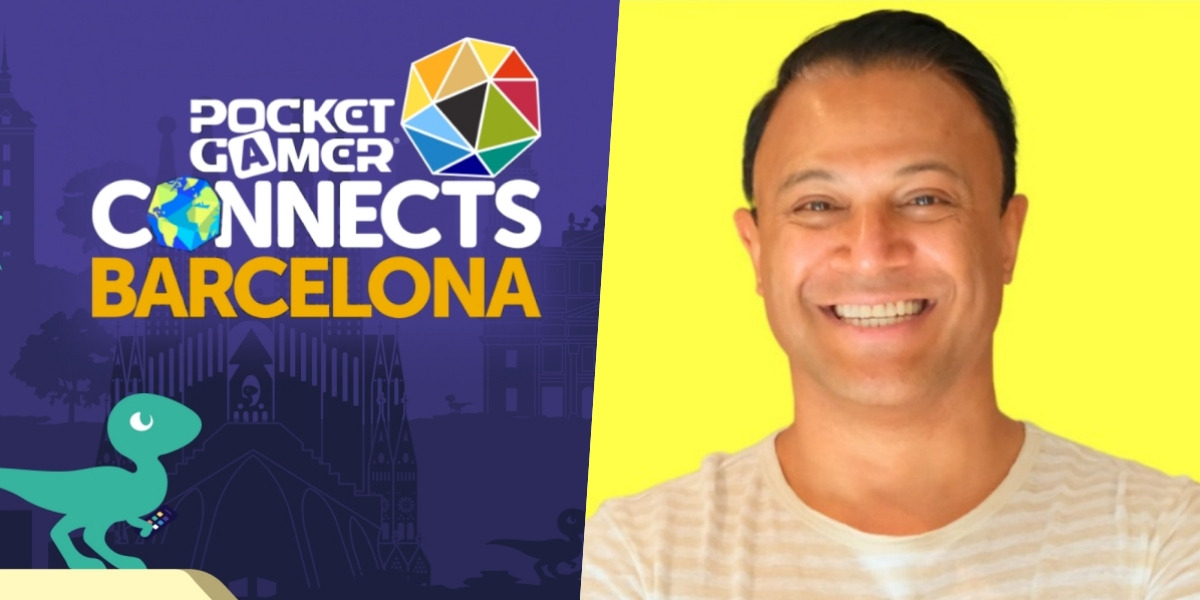
Rana Rahman is the CEO and founder of Raptor PR.
Pocket Gamer Connects has quickly arrived, with a packed conference schedule and the energy that only comes from the beautiful city of Barcelona.
For two days, industry conversations that have been happening online will happen in person (and well into the evening too). Attending for the networking and knowledge-sharing is, by any measure, a valuable use of your time.
But what a brand does with those two days, and the months surrounding them, is what will really ensure they stand out.
The reward for standing out
Something has changed in how gaming companies present themselves during industry events. The shift has been gradual but is now unmistakable. The traditional trade show formula of a logo on a lanyard and a sponsored bar tab is being turned upside down with activations that would not look out of place in a consumer PR and marketing playbook.
Custom booths have expanded beyond the flagship events, becoming more interactive and bringing a playful aesthetic to tradeshow floors and conferences. Brands are taking a more unconventional approach to side events too, championing the idea that B2B can be, well, fun!
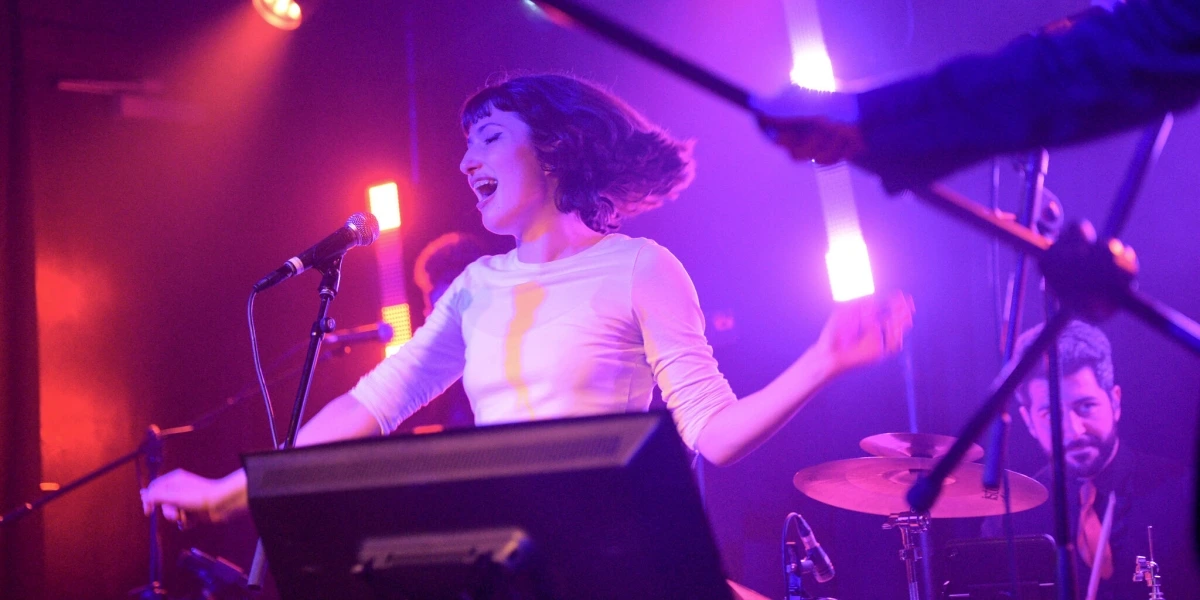
Game of Tones is a live band karaoke concept developed with ZBD, Raptor and Adjoe. A new foodie focus has also crept in, with curated Michelin-starred dinners and paella cooking classes finding their place alongside more conventional activities.
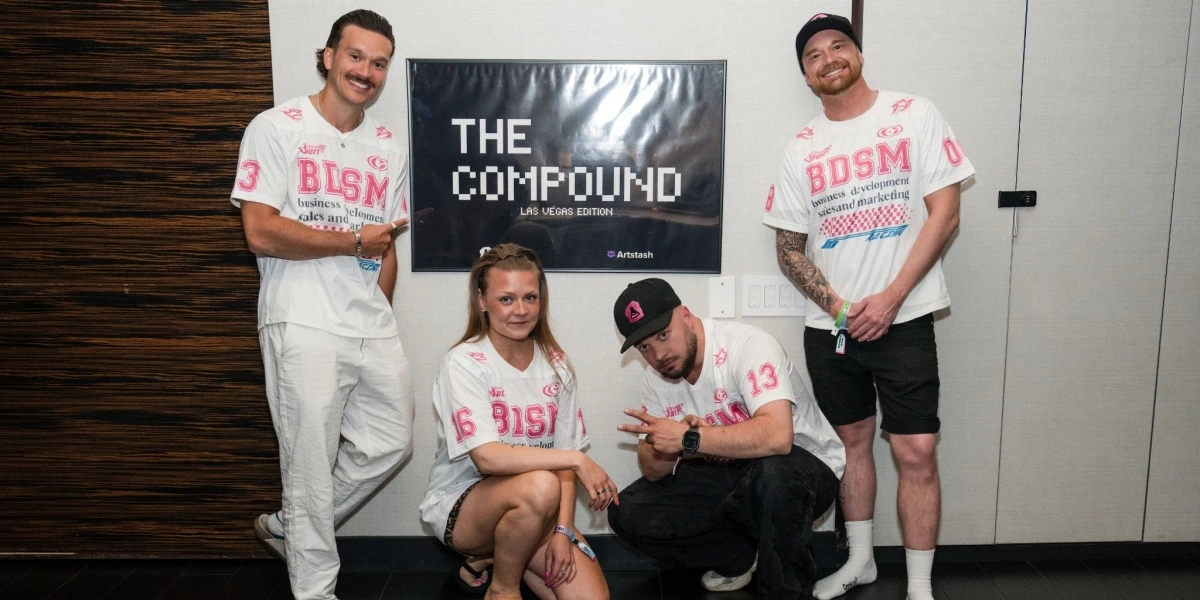
Merch has improved. Better made, less throwaway and more likely to be used in the long-term. Items created with thought and care speak volumes about your brand, but bringing a sense of humour always helps too. That's a moment which will stay with people and why GeekLab's 'BDSM' tees became a talking point in their own right.
Encoding the experience
There is a neurological reason why this works. Our brains are wired to prioritise and retain the unfamiliar. Novel experiences trigger a dopamine release and we organise a continuous experience like an event into distinct episodes. So the challenge for brands becomes creating a clean break from the surrounding noise.
“B2B sales cycles in gaming rarely resolve at the event itself.”Rana Rahman
Crucially, live experiences engage multiple senses simultaneously. Where a passive moment might register visually and briefly, an engaging event involving music, food, conversation and physical space creates multiple pathways at once, producing memory that is more durable. It helps to break up the script of the day.
For brands, this is the foundation of what event presence can achieve when it is designed with intention. That can also mean working to a different set of principles and becoming more representative and community-driven. The events focused on Women in Games, championed by industry figures like Claire Rozain, are another kind of shift altogether, and one that is sorely needed.
A blank space problem
The games industry calendar has a recognisable rhythm. Each event creates a spike in industry attention, new relationships form and the market feels briefly compressed into a single location.
Most brands organise their communications around these spikes alone. The activity peaks during an event and then the calendar moves on. The stretches between events, which collectively represent the majority of the working year, receive comparatively little strategic attention.
This matters because B2B sales cycles in gaming rarely resolve at the event itself. The meeting at the show is often the beginning of a process that unfolds over months, involves multiple stakeholders and concludes long after the badge has been binned. This is when the decision-making happens, but also when a brand's presence can fade.
Attention economy vs. memory economy
At any given point, roughly 5% of a B2B target market is actively evaluating a purchase. The remaining 95% are somewhere in a longer arc, aware to varying degrees but not ready yet. Reaching that 95% with a lead generation message is often premature.
“What builds mental availability is a recurring, recognisable message.”Rana Rahman
The objective, instead, is mental availability, ensuring that when a buyer moves into active consideration, a brand is already present in their thinking. This is equally true for investors, who are assessing the market continuously and waiting for the right time to act.
This is the memory economy. It operates through consistency and recognition. LinkedIn algorithms fragment audiences into micro-segments, meaning that posting frequently does not automatically translate into being remembered. What builds mental availability is a recurring, recognisable message: thought leadership that reflects a genuine point of view, executive visibility in the right places and content of substance that embodies expertise.
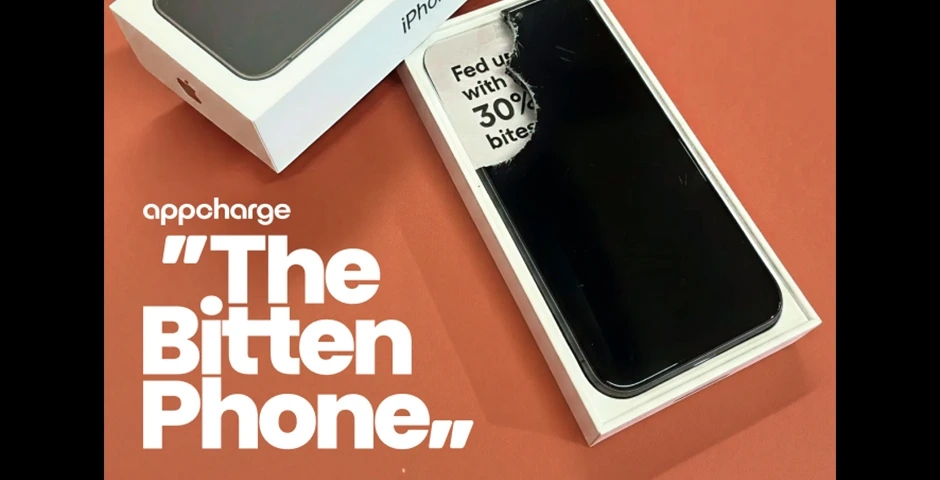
The ongoing brand building doesn’t negate a novel experience to draw attention. Appcharge demonstrated this well with its iPhone Bite campaign designed to protest the restrictive 30% Apple App Store fee, by sending iPhones with a physical bite taken out of them. Giving developers a literal way to experience the consequences of platform taxes and lost revenue.
Gaining ground in gaming's B2B market means treating the show floor and the space between events as a continuous loop. The event calendar should be the visible surface of a communications programme which runs continuously. The brands that leverage an all year round campaign are the ones whose reputation arrives in the room before they do.
Companies
People

Events
