Monetisation models and the risks of retrofitting

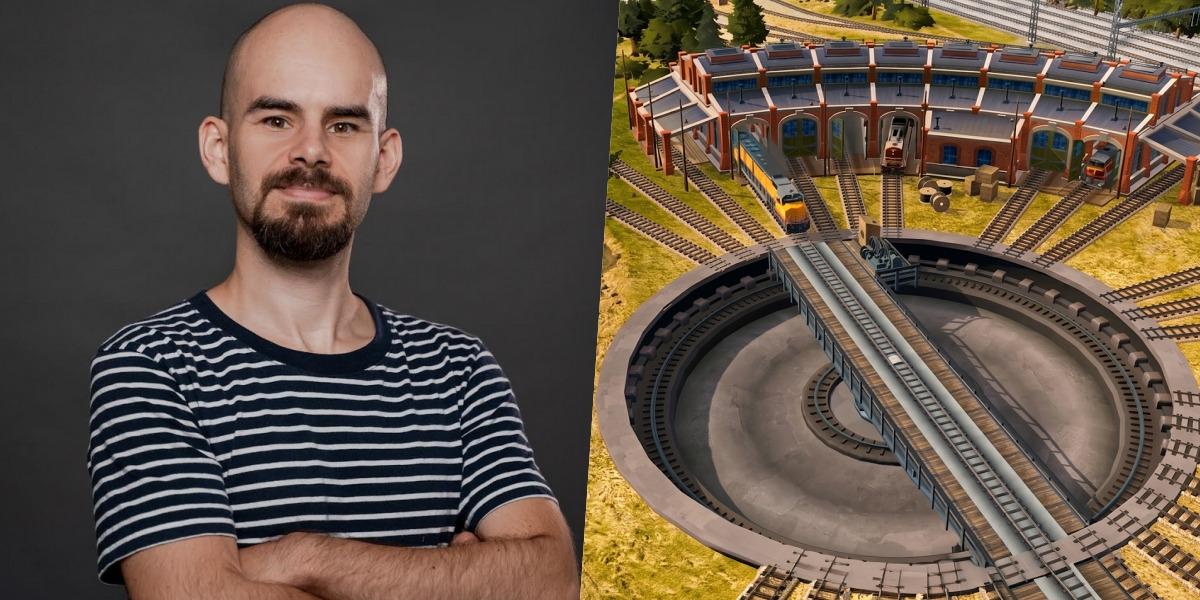
- Pixel Federation's Martin Gajarsky will speak at PGC Barcelona about monetising games.
- He believes developers should consider monetisation early, rather than forcing it into a game later.
Gameplay, visuals, sound design, mechanics and more all form the pillars of any game, but there’s another essential pillar for any studio seeking longevity: monetisation.
Whether it’s ads, player spending or a combination of the two, a game must aim to be a commercial success as well as a fun experience. Not compromising one for the other, but striking the right balance that players will respond to, is all part of the process.
“Trying to retrofit monetisation into a live game after the fact is a much messier problem to solve.”Martin Gajarsky
Ahead of his talk on monetisation and scaling at Pocket Gamer Connects Barcelona 2026, we speak with Pixel Federation lead game system designer Martin Gajarsky about this very subject, discussing Train Station 3 as a case study.
"With Train Station 3, our guiding vision was to fulfil the train tycoon player fantasy as fully as we could within our production budget. That meant finding an elegant fit between what players wanted and what made business sense," he shares.
Proven classics and unique elements
At PGC Barcelona, Gajarsky’s talk will explore the advantages of designing monetisation and gameplay together from the start, breaking down how early monetisation and live ops design, a validation-focused soft launch and sequel leverage can accelerate a game’s growth from day one.
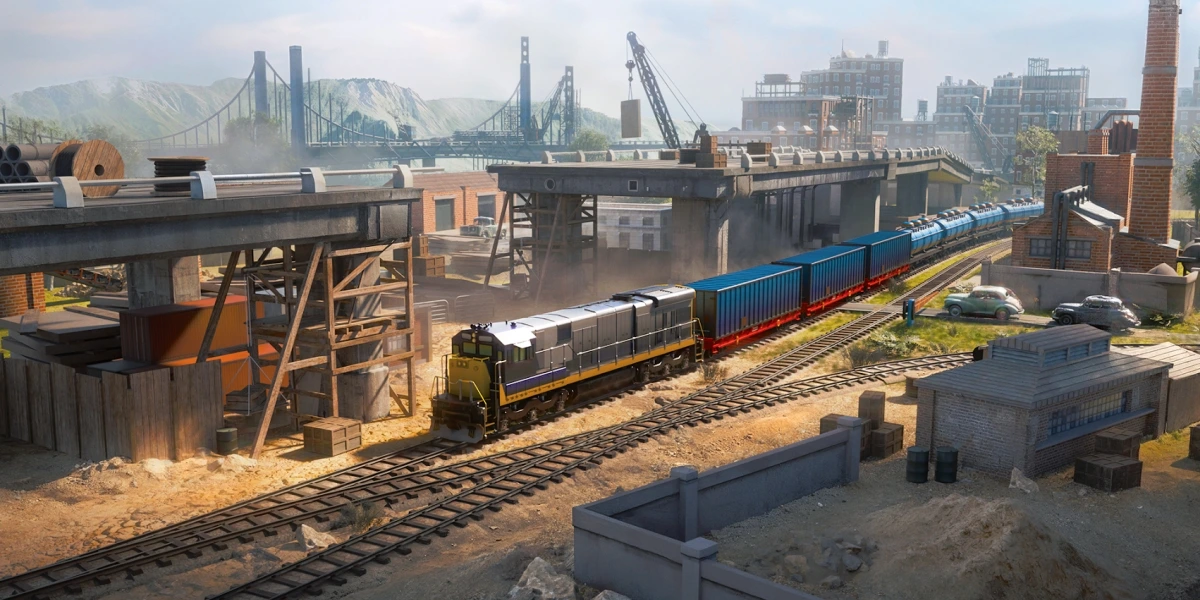
In his experience, planning how to monetise early makes the balance "easier, not harder". The opposite is also true: "Trying to retrofit monetisation into a live game after the fact is a much messier problem to solve."
“What made the difference was the care we put into integrating all of these into the game's systems and economy from day one.”Martin Gajarsky
In the case of tycoon game Train Station 3: Rail Games 3D, monetisation was locked in early based on knowledge of the audience from previous franchise entries. The game leverages "proven classics" like event passes and time-limited currency offers. It also features certain series-specific Train Station elements like premium locomotive offers.
"What made the difference was the care we put into integrating all of these into the game's systems and economy from day one. That created genuine long-term demand for the offers and made them feel like a natural part of the experience rather than something tacked on," Gajarsky says.
Train Station 3 also had the advantage of Pixel Federation’s years of experience - with models already "fairly polished" in terms of system placement, balance and UI by the time this game came into being. Testing during the title’s soft launch was quite short as strong KPIs allowed it to move quickly.
“Even a completely new IP will draw on design conventions from its genre, and those conventions give you a reasonable baseline for how to approach monetisation.”Martin Gajarsky
"Most of the learning came post-global launch," recalls Gajarsky.
"Traditional offer types like gems, currency offers and passes have outperformed our previous games. On the other hand, mechanics like a Piggy Bank or highly-discounted conversion offers haven't landed as well. They tended to cannibalise our existing monetisation rather than add to it. That’s why we are more focused on retention and engagement than adding more offers right now."
Among Train Station 3’s KPIs, Gajarsky shares that the most surprising is long-term ARPU, specifically D28 through D168. While he doesn’t reveal precise numbers, this metric is said to have significantly outperformed anything Pixel Federation has seen in its earlier games.
"I’ll share more on that in the talk at Barcelona," Gajarsky teases.
Always learning
While Train Station 3 may have reaped the rewards of its sequel status, Gajarsky doesn’t think a game must necessarily be a sequel for a developer to plan its monetisation or to learn from prior titles.
"I don't think being a sequel is the main factor," he suggests. "What matters more is how much overlap there is between two games in terms of design vision, systems and audience.
"Reusing system design elements opens up similar monetisation opportunities. Targeting a similar audience means you can predict with greater confidence how players will respond to things like season passes, gacha or rewarded videos.
"Even a completely new IP will draw on design conventions from its genre, and those conventions give you a reasonable baseline for how to approach monetisation. You'll still end up iterating things later, but launching with a solid foundation makes everything easier. We’re using a similar strategy for our spin-off tycoon game Highway Heroes, which is currently in soft launch."
On the other hand, while every studio may hope for a successful title, Gajarsky warns that an especially successful launch can actually catch developers off guard. He plans to discuss Pixel Federation’s own experience with this, and its struggle to move forward from that success, in Barcelona.
"I think that's something you don't hear in many talks," he concludes.
PGC Barcelona will take place on June 15th and 16th, 2026. Tickets are available now.
Companies

People

Events
