In the Hot Seat: Three ways Western developers are leaving a fortune on the table in China

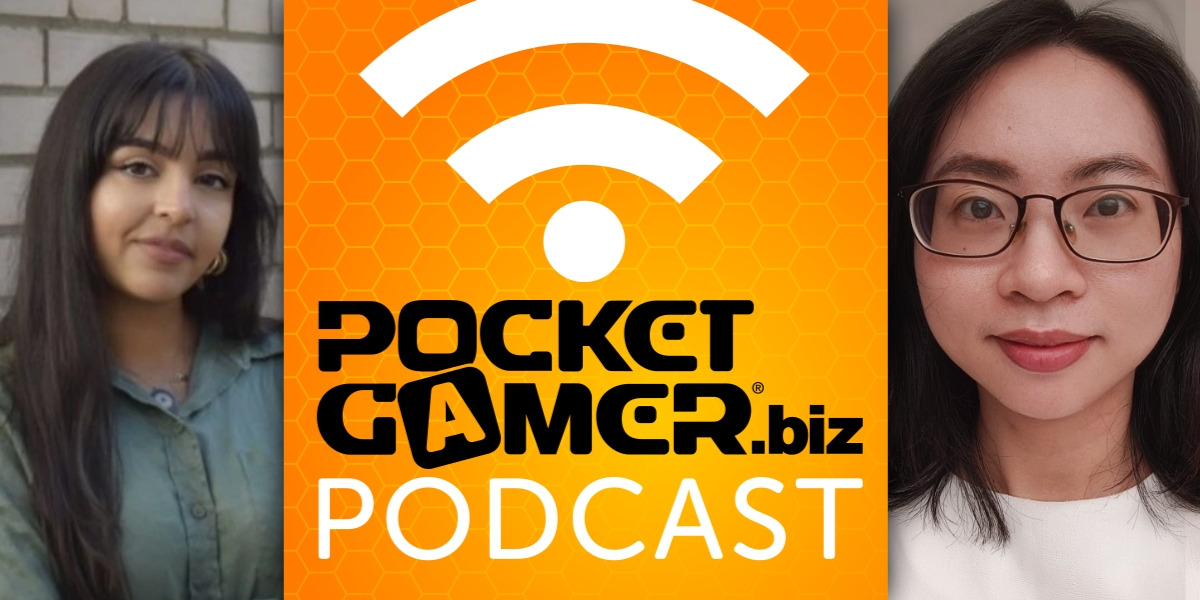


The next guest in our In the Hot Seat interview series is Claire Yang, overseas business development lead at Kingsoft, who we spoke to ahead of her appearance at Pocket Gamer Connects Summit Shanghai on July 29th.
Yang has spent the best part of a decade at one of the more unusual intersections in mobile games - the gap between Western developers and the Chinese market they can't quite crack. She's now four years into her role at Kingsoft, the Beijing-headquartered games and software group, where roughly 80% of revenue still comes from in-house titles.
Her core observation: cross-border deals rarely fall apart over money. They stall because Western developers, especially indie and mid-tier studios, can't picture the scale of the opportunity without dedicating resources to finding out - and walk away from partnerships worth many times what pursuing them would cost.

A few extra hires can mean 10 to 100x the revenue
Yang's rule of thumb is specific: a developer working with a Chinese publisher usually needs three to five people to support ongoing localisation and technical work. Many hesitate to commit that headcount, preferring to focus on Western markets - a decision she says often costs multiples of the revenue they're trying to protect.
"With probably just three or four extra team members, you can make 10-times or a hundred-times the money," she says. "I don't think they understand the math - mostly because they simply don't know."
Part of the problem is that China remains a black box for most developers outside the country. Policy shifts regularly, platforms and payment systems work differently and there's no Google Play to lean on as a default.
With China accounting for a fifth of global player spending, that's an expensive gap - and the starting point for Yang's talk at PGC Summit Shanghai on July 29th, where she'll argue mid-sized studios are better placed to compete with the giants than they realise.
Six months of wishlisting before millions of day-one downloads
Developers who do sign deals often misjudge how UA works once live. The Western approach is a gradual climb: build, soft launch, tune retention, then ramp up spend. China runs on a wishlist system instead, where players commit to a title up to six months before launch and "content advertising" builds community across China's equivalents of Instagram, Twitter and YouTube before a download is even possible.
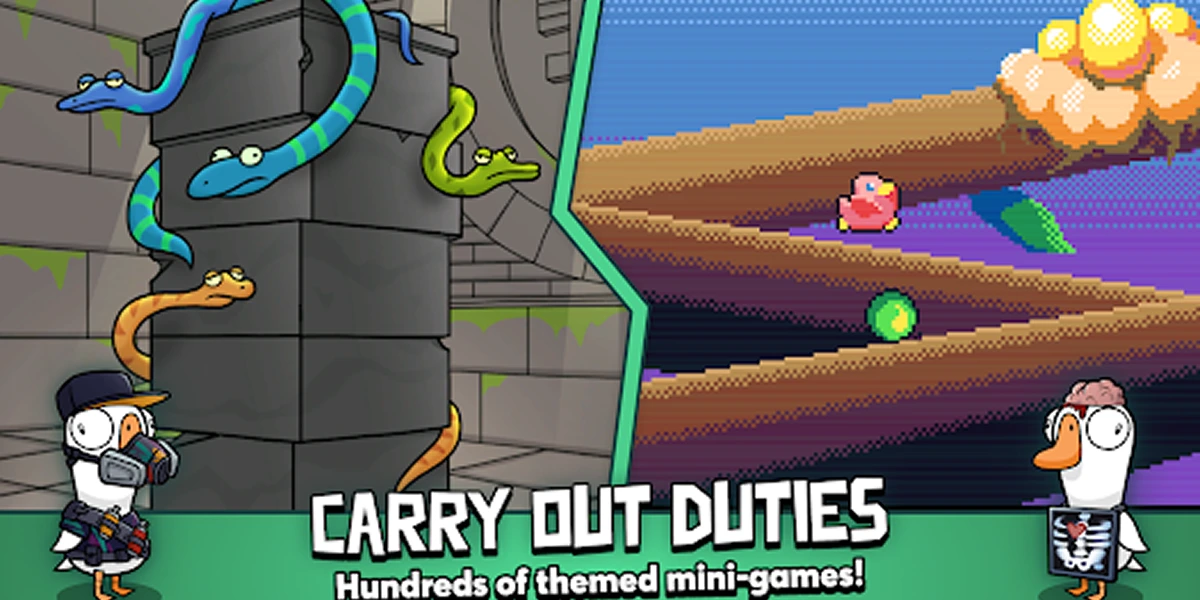
The payoff arrives all at once: Kingsoft's better titles see millions of downloads on day one, servers flooded within the first week - confusing Western partners still asking for a conventional UA plan.
A year and 60-70% redevelopment before launch
Most friction points can be resolved, Yang says. The exception is censorship, which requires designing with local sensitivities in mind from the start and adds time and cost. Workarounds exist through experienced local partners, she notes, but the safest route is still an established publisher who can navigate licensing.
That process isn't quick. With Angry Birds, roughly a year passed between signing and launch, with 60% to 70% of that time spent building an entirely new gameplay layer rather than simple localisation.
A billion vs. a million: Why budget doesn't decide who wins
Kingsoft, founded in Beijing in 1988, sits in an unusual middle ground: too large to be indie yet dwarfed by Tencent and NetEase. But Yang argues the wishlist system levels the field in a way budget can't.
"Tencent has a billion, we have one million - but in exchange for time, you can still build up the numbers through community effort," she says. That's why she scouts games with strong social hooks, not just the biggest budgets.
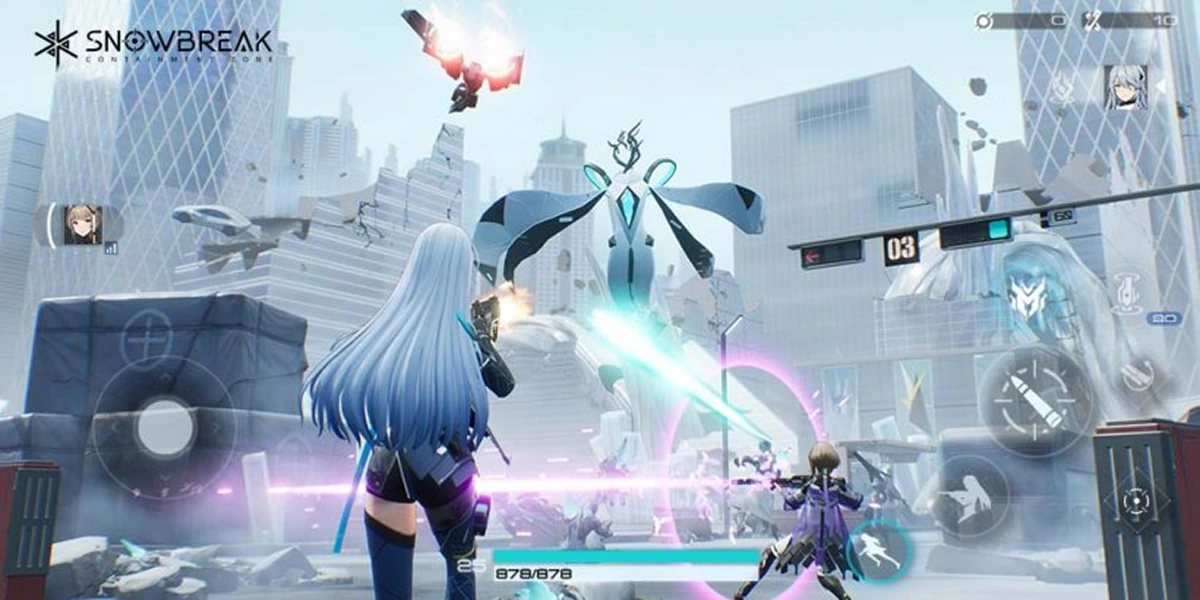
She points to a title Kingsoft rebuilt after licensing the IP from a 2022 Steam hit. It was built from concept art alone, with no source code and scaled from a team of 30 to over 100 as its community grew. It's a model she says lets mid-sized studios start lean and scale once feedback proves the concept.
Four of the top 10 charting games already come from China
Yang's Shanghai talk centres on how mid-size studios can thrive alongside giants like Tencent, NetEase and miHoYo. China's social platforms are too vast for any one company to dominate, she argues, and well-targeted content often beats bigger budgets outright - the same instinct she credits for Chinese studios' growing dominance of global charts, with four of the top 10 highest-grossing titles already Chinese-made.
Having delivered a version of the talk to a Canadian audience unfamiliar with China, Yang expects a different reception in Shanghai, where many attendees already work with Chinese studios.
Her hope: that they leave understanding why social, community-driven design needs building in early and that a publishing partner like Kingsoft offers far more than distribution.
Hear from Yang and a slate of other experts at PGC Summit Shanghai. Tickets are available here.
Companies

People

Events
