How Thatgamecompany and NetEase grew Sky's community in China
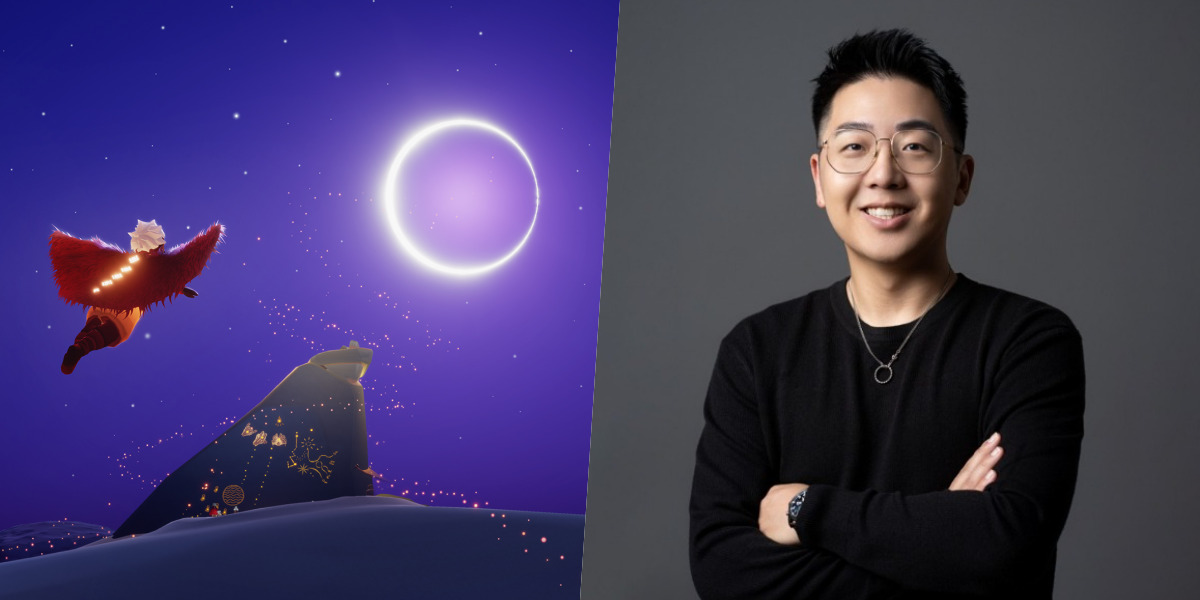
- In China, Sky: Children of the Light draws one of its most devoted audiences anywhere - and SJ Xue says the reason has little to do with money.
- Having sat on both sides of East-West dealmaking, first at NetEase, now at Thatgamecompany, Xue explains what actually determines whether a cross-border partnership succeeds.
- Capital and market entry only get a deal started: it's trust, shared craft and mutual respect between teams that really matters, according to Xue.
Cross-border deals are usually sold on funding and market entry, but that's rarely what makes them last.
Ahead of his PGC Summit Shanghai panel on publishing in China on July 29th, SJ Xue, head of corporate development at Thatgamecompany, talks to PocketGamer.biz about partnering with NetEase on Sky: Children of the Light and why trust between the teams matters more than anything written into the terms.
PocketGamer.biz: Most East-meets-West conversations are framed as Western studios trying to crack China. Your experience runs the other way - working with NetEase as the partner helping you grow. What does that relationship actually look like day-to-day and what surprised you most about how it works?
SJ: I've had the unique opportunity to experience this partnership from both sides. Before joining Thatgamecompany, I spent several years at NetEase where I was part of the team that invested in the studio.
Today I work on the other side of that relationship. Because of that, I don't really think of it as "us and them", it's always felt like a shared effort built around making the best possible experience for players.
Day-to-day, the partnership is much more collaborative than people might imagine when they hear "publishing". We co-develop in a very real sense. Our engineers and NetEase's engineers are in the same channels solving difficult technical problems together and working sessions across time zones are simply part of the rhythm of the week.

The collaboration extends well beyond engineering. NetEase works closely with our marketing and live operations teams, bringing a deep understanding of their players and the cultural context that helps us communicate authentically.
At Thatgamecompany, we remain the stewards of Sky's creative vision, emotional core and brand. NetEase complements that with insights and expertise that help ensure the experience resonates with players in meaningful ways.
What surprised me most is that the greatest value in the partnership isn't capital or market access, it's the depth of collaboration and shared craft.
NetEase has built exceptional expertise in live operations and community engagement and we've learned a tremendous amount from working together. That exchange of knowledge has strengthened Sky not just for players in China, but for our global community as well.
A lot of cross-border deals get sold on capital and market entry. In your experience, what's the part that actually determines whether a partnership works?
Capital and market access can get a partnership started, but they're rarely what determines whether it succeeds over the long-term. In my experience, what matters most is whether both sides approach it with a sense of shared ownership rather than treating each other as a client and vendor.
“Every great partner brings something different to the table and the best collaborations happen when you're genuinely open to learning from one another.”SJ Xue
That mindset starts with mutual respect for each other's strengths. Every great partner brings something different to the table and the best collaborations happen when you're genuinely open to learning from one another. That respect becomes trust, and trust isn't built in the negotiations, it's built through hundreds of small, day-to-day interactions between the people working together.
That's what I've appreciated most about our relationship with NetEase. There's a shared understanding of where each team creates the most value.
At Thatgamecompany, we're responsible for Sky's creative vision and the experience we want players to have. NetEase brings deep expertise in publishing, live operations, and understanding their players.
Because those roles are clear and there's real trust on both sides, the partnership feels collaborative rather than transactional. It allows both teams to focus on what they do best while building something that's stronger together than either of us could create alone.
What are the most common ways these cross-border relationships go wrong?
One of the biggest challenges is when a partnership is viewed primarily through the lens of funding or distribution, rather than as a long-term collaboration. Those things are certainly important, but they only create the opportunity. The real work begins afterward, when both organisations invest the time and people needed to build the relationship day by day.

Another challenge is distance, not just geographically, but culturally and operationally. It's easy to think of an international market as a business opportunity rather than a community of players with its own expectations, preferences, and ways of engaging.
Communicating authentically requires local insight and that's something you can only achieve by listening to partners who understand those players deeply.
The other factor is alignment on the long-term vision. The strongest partnerships are built when both sides are committed to creating lasting value, even while navigating the day-to-day realities of running a live game.
What I've learned is that successful partnerships aren't defined by a single agreement or announcement. They're built through consistent collaboration, mutual respect and a willingness to learn from one another over time. When those qualities are there, the relationship becomes much more than a business arrangement, it becomes a true extension of the team.
Beyond money, what has a partner like NetEase brought to the table that you couldn't have built yourself - and how should a studio evaluate whether a potential partner can actually deliver that?
Beyond capital, the biggest contribution has been deep operational expertise that would have taken years to build on our own, particularly in the Chinese market.
That includes a nuanced understanding of player behaviour, exceptional live operations and community management capabilities, strong relationships across the local ecosystem and extensive experience navigating a unique market. Those aren't things you can build overnight, they come from years of working closely with players and continuously refining that craft.
What makes the relationship especially valuable is that it's never been one-directional. Our engineers work alongside NetEase's engineers to solve complex technical challenges and those collaborations have made Sky better for players everywhere.
At Thatgamecompany, we bring the creative vision, the emotional experience and two decades of building games that foster meaningful human connection. NetEase brings complementary expertise that helps us deliver that vision to more players in more meaningful ways.
“Our engineers work alongside NetEase's engineers to solve complex technical challenges and those collaborations have made Sky better for players everywhere.”SJ Xue
When evaluating a potential partner, I'd look well beyond the terms of the deal. Ask yourself whether they're prepared to invest in the relationship over the long-term. Do they have experienced operators who will work alongside your team every day? Speak with studios they've partnered with, not only the ones where everything went smoothly, but also the ones that faced challenges and understand how they collaborated when things became difficult.
Most importantly, look for mutual respect. The strongest partnerships are built when both sides recognise and value what the other brings to the table. When that foundation is there, the relationship becomes much more than funding or distribution, it becomes a true collaboration.
For studios coming to PGC Summit Shanghai thinking about a cross-border partnership, what's the one piece of advice you'd give them before they sign anything?
Focus as much on the people as you do on the deal. The agreement is important, but the partnership will ultimately be shaped by the teams working together long after it's signed. Spend time getting to know the people who will be collaborating with you daily, because trust, communication, and shared values are what sustain a relationship over the years.
I'd also encourage studios to be clear about what they uniquely bring to the partnership. The best collaborations aren't about one side filling gaps for the other.
They're about two teams with complementary strengths coming together to create something neither could achieve alone. Understand your own value, respect what your partner brings and look for a relationship where both sides are committed to learning from each other and building for the long-term.
If you find that kind of partner, the value of the relationship will extend far beyond any single market or commercial opportunity.
PGC Summit Shanghai tickets are available here.
Companies

People

Events
