Unpacking the Tetris licensing playbook with Maya Rogers

- The Tetris Company licenses the brand rather than building games in-house, partnering with external developers and product makers.
- Maya Rogers said the company weighs deals on authenticity, fairness and whether a project still feels true to Tetris.
- The brand’s expansion has included many collaborations, including McDonalds, esports campaigns and film, while keeping the core marathon mode intact.
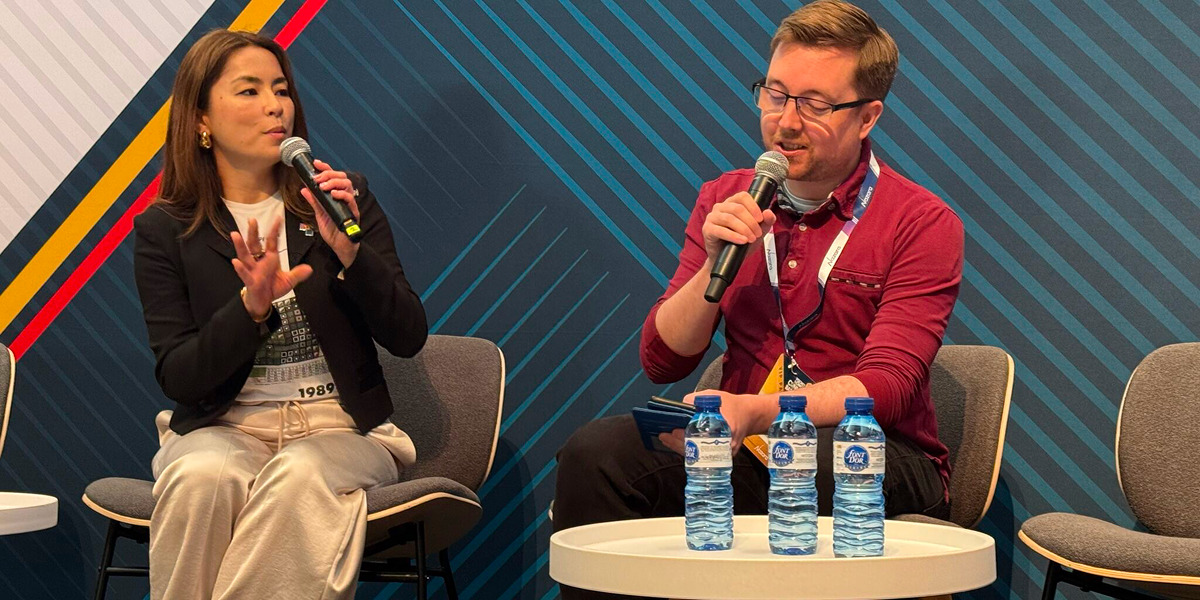
Speaking with PocketGamer.biz head of content Craig Chapple at Pocket Gamer Connects Barcelona, Maya Rogers, CEO and president of The Tetris Company, set out how the game became a lifestyle brand spanning games, film, toys and apparel.
Her focus: the right partners, the right deals and guarding the IP.
How the licensing model works
Tetris operates as a licensing business rather than an internal studio, partnering with developers Rogers calls "the subject matter experts" and expanding into consumer products, film and merchandise. What ties it together, she said, is a single feeling: the test for any project is "what is that joy" and whether it feels "like Tetris", whether that is a new game, the movie or a board game.
The one thing that does not change is the core. The team is "happy to explore" new variants, from the Game Boy original to Tetris 99 and Tetris Effect, but "the core marathon mode is always available", she said, with its accelerating blocks "embedded in every version of the game".
Authenticity and the win-win
Deals come both ways, inbound and proactive, but Rogers applies a consistent filter. "It's the relationship," she said, "and it's got to be a win-win."
She was blunt about the alternative: "if somebody's trying to just make money off of us and we're not getting a fair share… it doesn't make sense. But equally: "we also don't want to take a deal that's only benefiting us."
“If somebody's trying to just make money off of us and we're not getting a fair share… it doesn't make sense.”Maya Rogers
Authenticity matters because players notice. If you're not being authentic, people will see right through it, she said, adding that as a small company, relationships come first.
Beyond the blocks
That approach has produced some unusual partnerships. A McDonald's China collaboration turned Tetris into a playable puzzle made of chicken McNuggets that, Rogers admitted, "looks very funky" and hard to recognise unless you knew that it was Tetris.
However, it sold out within 48 hours and became something "you could only buy on eBay". That, she said, is the kind of collab outside of games where Tetris can "have a little bit of fun".
What happens when Tetris meets a Chicken McNugget? Exclusively available at McDonald’s in China!
— Tetris (@Tetris_Official) May 25, 2023
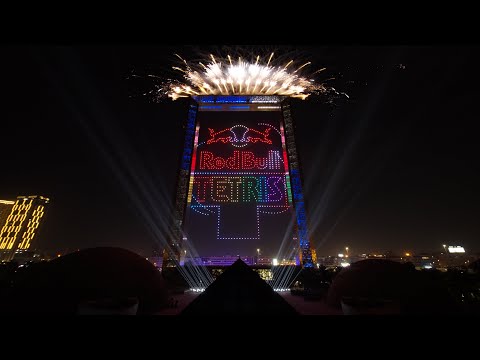
She also pointed to a global Red Bull esports campaign played across 60 countries, with the finalists flown to Dubai to play Tetris on a 200-metre tower rendered live by 2,800 drones - proof, she said, that "one leads to another".
What the film did for the brand
The 2023 Apple TV+ film Tetris, which Rogers executive-produced, came about after a director publicly said he wanted to make it.
At heart, she said, it is "a human story and… a friendship story" - the unlikely Cold War bond between her father, Henk Rogers and creator Alexey Pajitnov.
Its brand value is hard to quantify, but a film on Apple TV+ sits among "a few… really decent titles" rather than being diluted and it made people realise "Tetris is not just a game that came out forty years ago".
At the end of her talk, Rogers took a question from a PGC audience member.
How many Tetris games are there and how do you manage copycats?
On the first half of the question, Rogers laughed it off. "You're asking the wrong person," she said. "Someone at the office keeps a spreadsheet for that and it's a lot."
On copycats she was more pointed. The company actively protects its IP and a 2012 landmark case, brought after an imitator claimed it could copy the game and "call it whatever", proved "you can protect the look and feel", of a game.
Where the company finds an infringement, "we take it down". And it matters more with AI, not less, she argued, drawing a Disney comparison: "people still want to come back to what they know."
Companies
People

Events
