What makes a game ready for an entertainment IP?

- A game needs a clear identity, strong systems and a loyal audience before an entertainment IP can add true value.
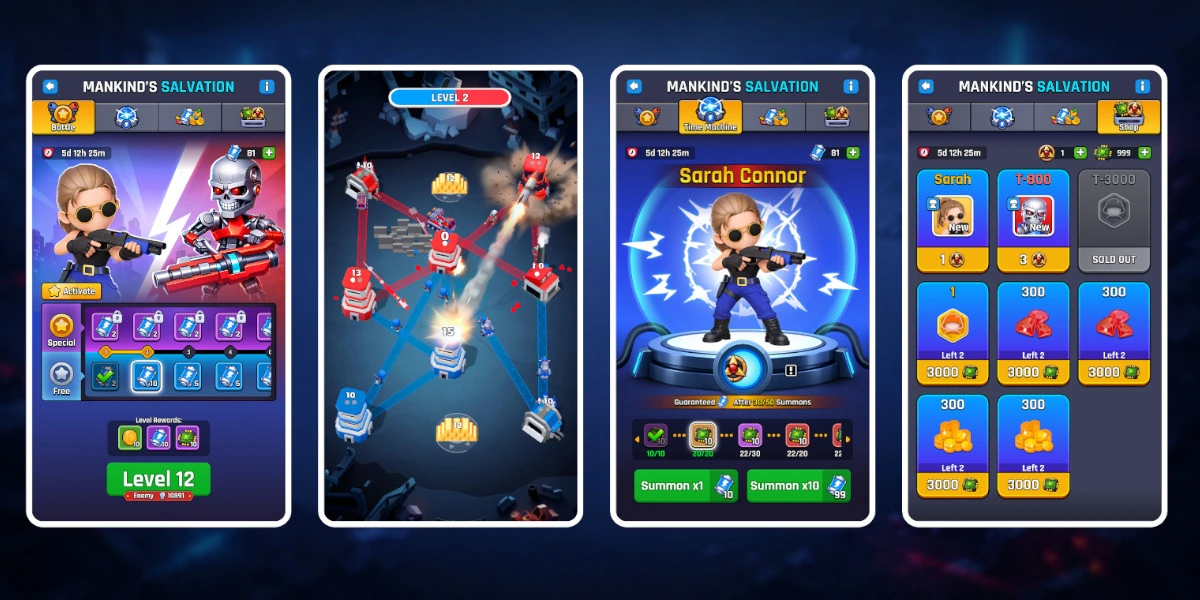
- The Terminator 2 collaboration was integrated into Tower War’s existing progression systems rather than added as a cosmetic layer.
- More than 2.5 million players participated in the event.
- In-app revenue increased by approximately 40%, while daily downloads grew by as much as 45%.
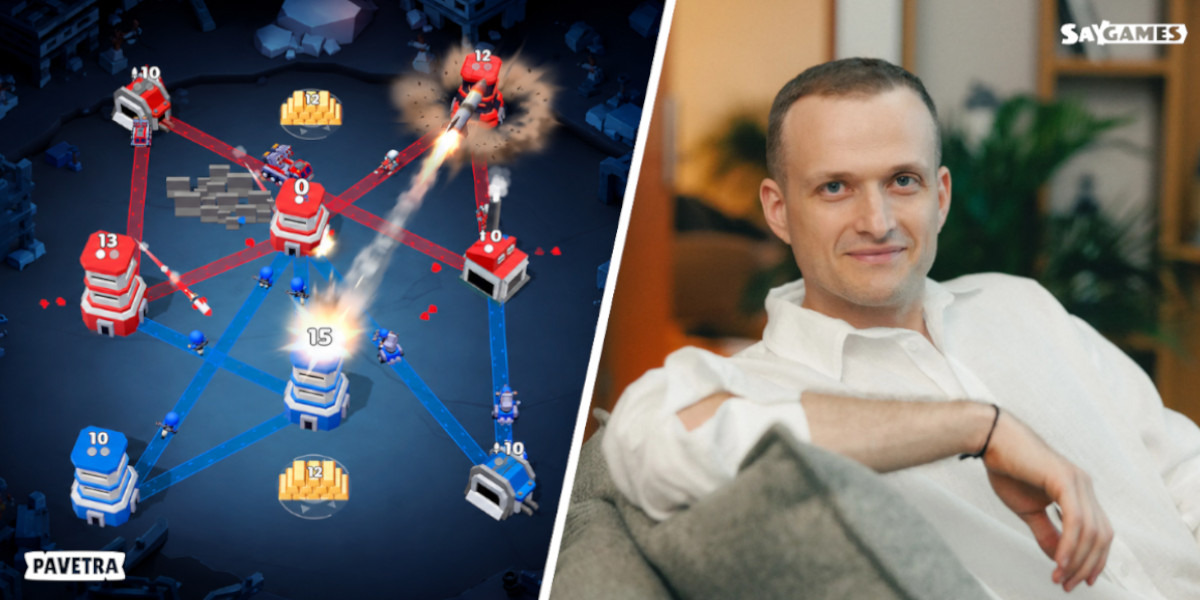
Denis Vaikhanski is COO at SayGames.
For many people, an IP collaboration starts with a question: “Which franchise should we work with?” In my experience, that's actually one of the last questions you should ask. The first one is much more important: “Is the game ready?”
A game needs to reach a certain level of maturity before an IP can truly add value. It needs a clear identity, systems that can support new content, and - most importantly - a loyal audience that is genuinely invested in the product. Only then can an entertainment brand become a meaningful extension of the player experience rather than just another marketing campaign.
I believe this is one of the publisher's most important responsibilities today. As games evolve through different stages of their lifecycle, the publisher's role should evolve alongside them - recognising when a product is ready for its next stage of growth and creating opportunities that fit that moment.
Sometimes that means expanding to a new platform or entering a new market. Sometimes it means building strategic partnerships. And sometimes it means bringing an iconic entertainment IP into a game at exactly the right time.
Our recent Tower War × Terminator 2: Judgment Day collaboration is a good example of what that approach looks like in practice.
Knowing when the time is right
By the time we first started discussing a potential Terminator 2: Judgment Day collaboration with STUDIOCANAL, Tower War had already spent five years evolving.
During that time, our partner developer team at Pavetra never treated the game as a finished product. What began as a relatively simple ad-monetised title gradually evolved into a much deeper live service with progression systems, IAP mechanics, live ops, and an increasingly sophisticated metagame.
Most importantly, however, the game had built something far more valuable than additional content. It had built a loyal audience: millions of players had already invested hundreds of hours into Tower War. They understood its systems, cared about their progression, and kept coming back.
Looking back, I believe the most important evolution wasn't the addition of any single feature - it was the gradual development of the metagame.
Looking back, I believe the most important evolution wasn't the addition of any single feature - it was the gradual development of the metagame.
Around the core gameplay, we continuously built new layers of progression: account development, additional game modes, resource systems, offers, and supporting mechanics that gave players meaningful long-term goals.
That metagame may not be as deep as what you see in traditional midcore games, but for a significant part of our audience it became the main driver of long-term retention. Many players no longer returned simply to complete another level - they came back to grow their account, unlock rewards, collect resources, and continue progressing over time.
That was the moment we realised Tower War was finally ready for an entertainment IP.
Working on the Terminator 2 collaboration was genuinely exciting for both SayGames and Pavetra. Like many people in the games industry, we grew up watching James Cameron's films, so having the opportunity to officially work with such an iconic franchise felt special. But nostalgia alone would never have been enough.
What mattered even more was that the Terminator universe naturally complemented the game we had already built.
The timing also aligned perfectly with the product roadmap. Pavetra was investing heavily in live ops and looking for new ways to keep events fresh and engaging. The team was expanding the game's social layer with clans and clan wars while steadily increasing the amount of content needed to support long-term player retention.
Against that backdrop, an entertainment IP didn't feel like an experiment. It felt like the next logical step in the game's evolution.
Against that backdrop, an entertainment IP didn't feel like an experiment. It felt like the next logical step in the game's evolution.
That's why I don't believe entertainment IPs should compensate for missing product depth or weak retention. They should amplify an already successful game and make it feel fresh again for players who already love it.
Simply put, entertainment IPs don't create evergreen games. Evergreen games earn the opportunity to work with entertainment IPs.
Creating Opportunities While Developers Build Games
Once we agreed that Tower War was ready, our responsibility wasn't to tell Pavetra how to build the event. Our job was to make the opportunity possible.
SayGames team led discussions with STUDIOCANAL, evaluated whether the collaboration made strategic sense for the product, managed licensing negotiations, coordinated approvals across multiple stakeholders, led the communications around the partnership, and handled the operational complexity that comes with working alongside a global entertainment company.
Meanwhile, Pavetra stayed focused on what they do best: building a great game.
That separation of responsibilities is incredibly important. Developers should spend their time creating outstanding player experiences. Publishers should increasingly focus on creating opportunities that would be difficult for studios to build alone.

Rather than adding a cosmetic layer on top of the game, Pavetra integrated the Terminator universe into Tower War's existing progression systems through dedicated levels, a Battle Pass, collectable characters, and rewards that remained valuable even after the event ended. Instead of interrupting the core experience, the collaboration became another meaningful step in players' long-term progression.
The results reinforced our belief that the timing was right. More than 2.5 million players participated in the event. In-app revenue increased by approximately 40%, while daily downloads grew by as much as 45%.
Those numbers were encouraging. But what mattered even more was that players embraced the collaboration as part of Tower War itself.
Opportunities are built long before they appear
Looking back, I don't think the Tower War × Terminator 2 collaboration began when we first spoke with STUDIOCANAL. It began years earlier, when SayGames and Pavetra committed to building a partnership designed to last.
During the early years of our collaboration, our involvement was much deeper. We worked side by side with the studio on nearly every aspect of the product: gameplay systems, balancing, interfaces, analytics, monetisation, and creative direction.
That level of involvement was never meant to be permanent. Our philosophy has always been to help studios build their own expertise by sharing tools, knowledge, and product thinking - not to make them dependent on us.
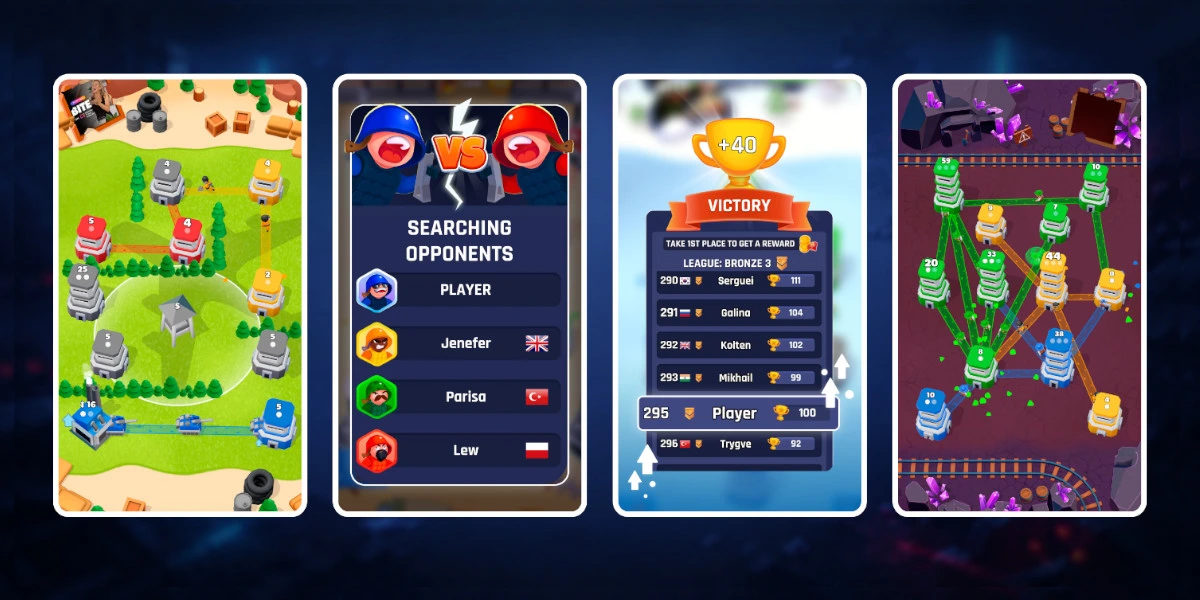
As Pavetra grew, our role naturally evolved. The studio became increasingly independent. Product decisions became faster. Experiments became more sophisticated. The team began running many more A/B tests, often simultaneously, continuously refining the game through data. Over the years, Tower War changed so dramatically that today's version is fundamentally different from the one players first downloaded.
Projects like Tower War are the ones you want to keep building almost indefinitely. As long as the team enjoys working on the game and players continue enjoying it, there are always new opportunities to explore.
The future of publishing is about creating the right opportunities at the right moment. And those moments are never accidental.
Today, Tower War has built a deeply engaged community. The game contains tens of thousands of levels, many players have invested hundreds of hours into it, and of course inside SayGames you'll find people who have completed thousands of levels themselves. That's what makes long-term partnerships so rewarding.
The future of publishing is about creating the right opportunities at the right moment. And those moments are never accidental. They're built through years of trust, shared ambition, and a commitment to growing the game - and the partnership - together.
Companies

People