Why discovery and monetisation are converging in 2026

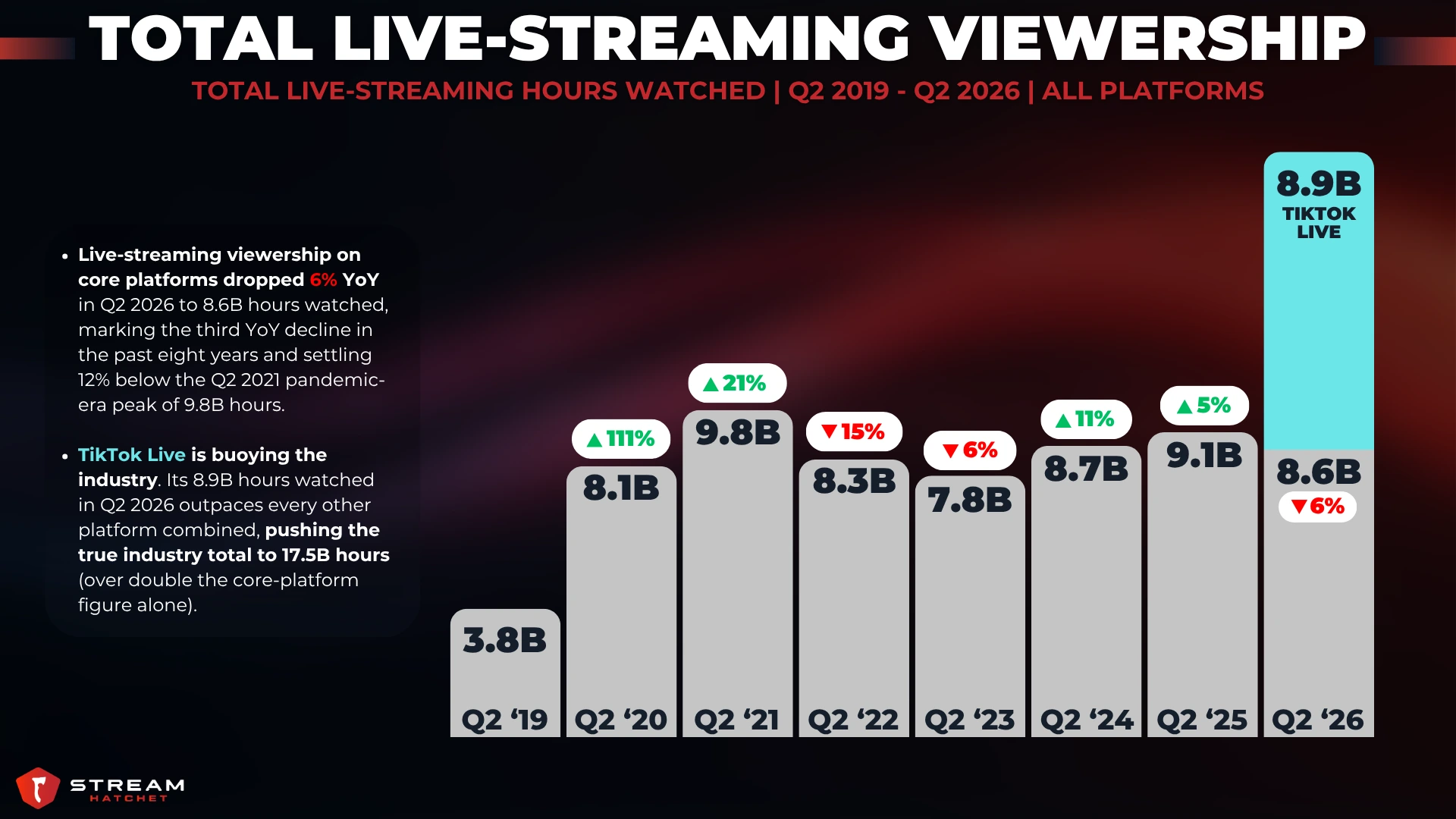
- Live-streaming viewership reached 17.5 billion hours in Q2 2026, with TikTok Live accounting for 50.9% of the total.
- More mobile publishers are expected to treat TikTok as a core distribution and community channel.
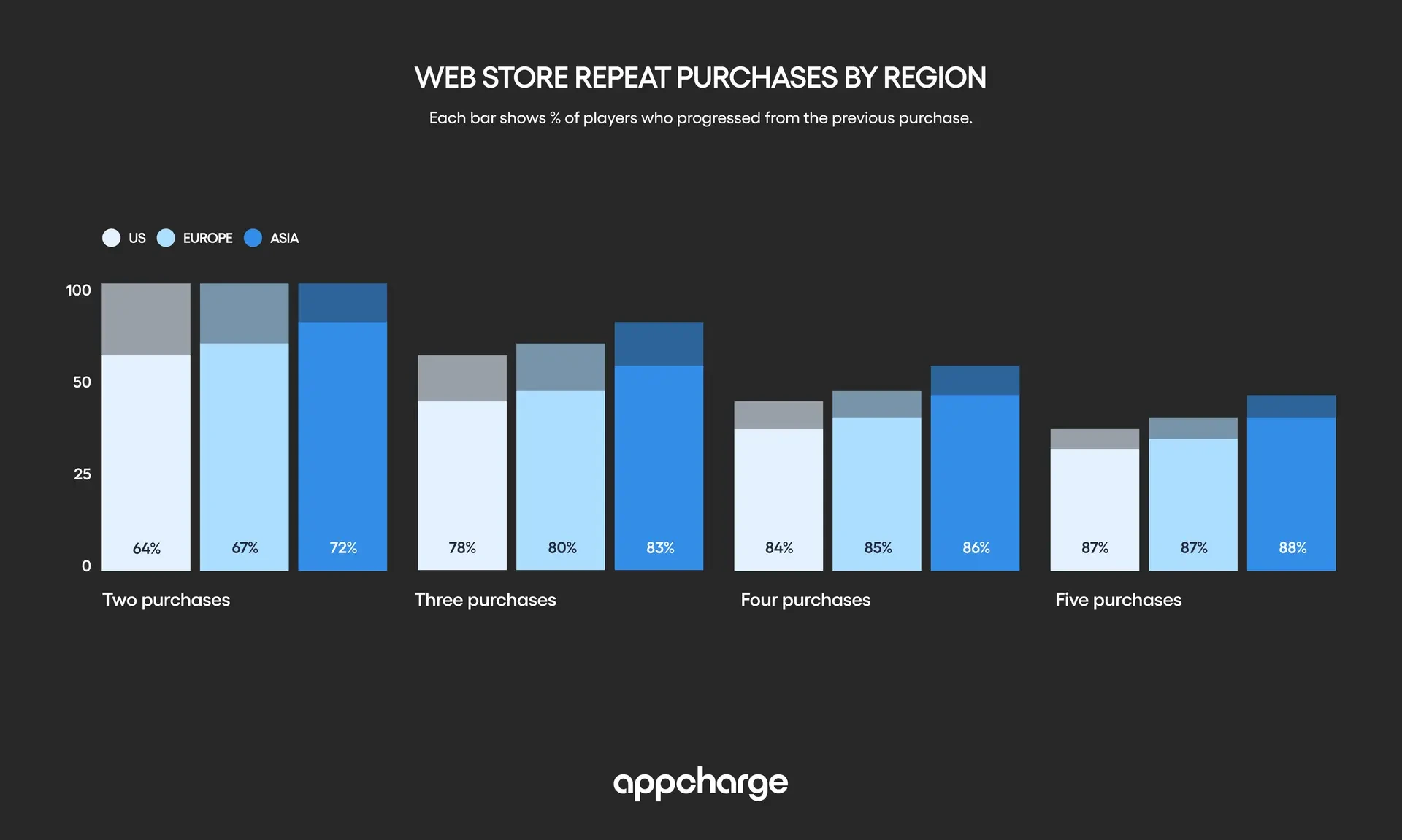
- Once a player has made three web store purchases, their repeat rate passes 84%.
Eduard Montserrat is Founder and CEO at Stream Hatchet and David Stelzer is CSO at Appcharge.
For fifteen years, the app store answered two questions for every mobile publisher: how a player finds you, and how a player pays you. Both answers have changed inside about eighteen months, and the industry has been reporting them as two separate stories.
Discovery moved first, to live video, creators, and communities. Payment followed, to web stores and payment links. They look like different trends because different teams own them, but they are the same shift. The app store bundled discovery and payment into a single product, and the games industry has now unbundled both halves of it.
The prediction for the second half of 2026 is that publishers stop running them as separate programmes. The businesses that pull ahead will treat discovery and payment as one loop: a player found through a creator, converted on a surface the publisher owns, and brought back without the platform sitting in the middle.
This is the first Gamescom where discovery and monetisation are two parts of the same conversation.
TikTok is where the game gets watched: Eduard Montserrat, Founder and CEO – Stream Hatchet
“Discovery is no longer just about where someone first hears about a game. It is about where audiences choose to spend their time afterwards. In Q2 2026, live-streaming viewership reached 17.5 billion hours watched, and TikTok Live alone accounted for 8.9 billion of those hours, or 50.9% of the total, making it bigger than every other platform combined.
“Discovery is no longer just about where someone first hears about a game. It is about where audiences choose to spend their time afterwards.”Eduard Montserrat
For mobile publishers, that changes how TikTok should be thought about. It is not simply a place to create a viral launch moment and then move players somewhere else. It is increasingly becoming a platform where games can build sustained audiences and communities over time.
By the end of 2026, we expect more mobile publishers to treat TikTok as a core distribution and community channel, with an always-on creator strategy rather than a series of isolated campaigns. The publishers that get this right will be building persistent audiences around their games, not just buying moments of attention.”
The transaction follows: David Stelzer, CSO – Appcharge
“Opening the app was never the contested moment. A player who found a game through a stream opens it the same way anyone else does. What is actually in play is the moment immediately after, when that player decides to spend and something has to carry the transaction.
Native app store billing hands that transaction to the platform, and with it the fee, the customer record, and the right to speak to that player again. A payment link keeps all three with the publisher.
Payment Links exist to make the second option the default rather than the exception, and the adoption data suggests they are doing it: 56% of US players who use them are completely new to direct-to-consumer purchasing, not simply new to a particular store. They recruit buyers rather than redistribute them.
“Across Appcharge-powered stores, 97% of revenue comes from repeat buyers, and once a player has made three web store purchases, their repeat rate passes 84%.”David Stelzer
The sharper claim is what happens after that first purchase. The owned storefront is turning into a discovery surface in its own right.
Across Appcharge-powered stores, 97% of revenue comes from repeat buyers, and once a player has made three web store purchases, their repeat rate passes 84%. A store with that profile behaves like a destination, somewhere players return to for offers, events and news, with identity and loyalty attached, and no platform holder able to reach in.
By the end of 2026, expect the better publishers to plan a web store content calendar with the same seriousness they plan a live ops calendar, because that is what the retention numbers are already asking for.”
Discovery moved. Payment followed. The two now have to be designed together, because the failure mode is obvious once you look for it: a player acquired through a creator and handed to a checkout that does not know who they are is a player acquired on the platform’s behalf, not the publisher’s.
We predict that by the close of 2026, the publishers pulling ahead will not be the ones with the best creator campaign or the best web store. They will be the ones who stopped scoring those separately and started measuring the whole journey, from the clip that found the player to the third purchase that kept them.
Companies

