Cadence: Musical Playgrounds is a "time capsule to how games used to be" 13 years in the making

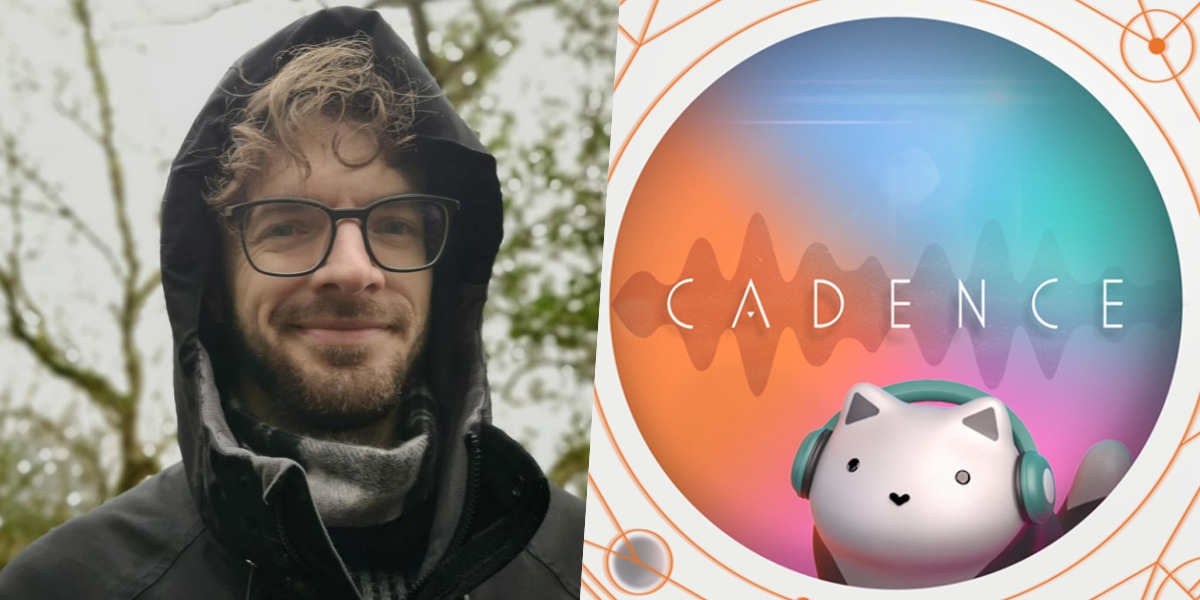
- Minimalist puzzle title Cadence: Musical Playgrounds has players building circuits while making music.
- The title spent 13 years in development, going through some big changes but preserving "how games used to be".
While free-to-play has firmly established itself as the dominant force in mobile games, even in 2026 there remain those outliers that opt for the traditional one-time payment approach.
Many are experimental indie titles, charging upfront to remain unburdened by the friction of gameplay versus monetisation. Some are made by one solo developer, focused on a personal, creative vision rather than the compromises of a committee.
Of course, building everything alone comes with its own challenges, too. And unless you’re Balatro, the indie scene may not be the fastest way to a multi-million dollar mobile hit. But it certainly has no shortage of creativity.
Cadence: Musical Playgrounds is among such creative games. It’s a minimalist puzzle title where making music is the goal, but no musical expertise is required. In each level, players wire circuits together and create music in the process, providing something for both the musically minded and the logical thinkers.
Evidently, it’s an indie experience people are wanting to play and willing to pay for. According to AppMagic estimates, Cadence has picked up more than 60,000 downloads on iOS since its launch this February.
“Each block in the game creates a musical tone, so when you create a circuit, you're essentially creating the soundtrack in real time.”Peter Cardwell-Gardner
Cadence comes from the mind of South African indie developer Peter Cardwell-Gardner under the working name Made With Monster Love. We speak with him to find out more about the game’s creation, the balance between puzzles and music and how the industry has changed during Cadence’s 13 years of development.
Cadence explained
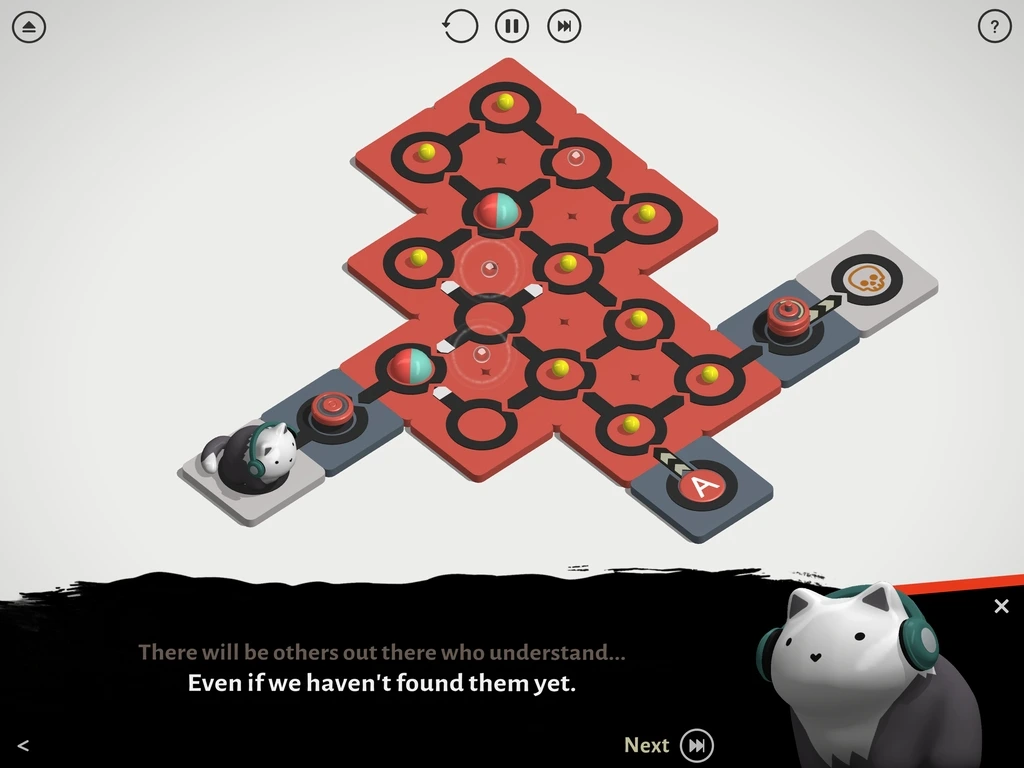
Cadence: Musical Playgrounds is styled as a game where "logic meets melody". It’s available on iOS and PC with a focus on solving puzzles to create music, connecting increasingly complex circuits to wake up a cat called Ren.
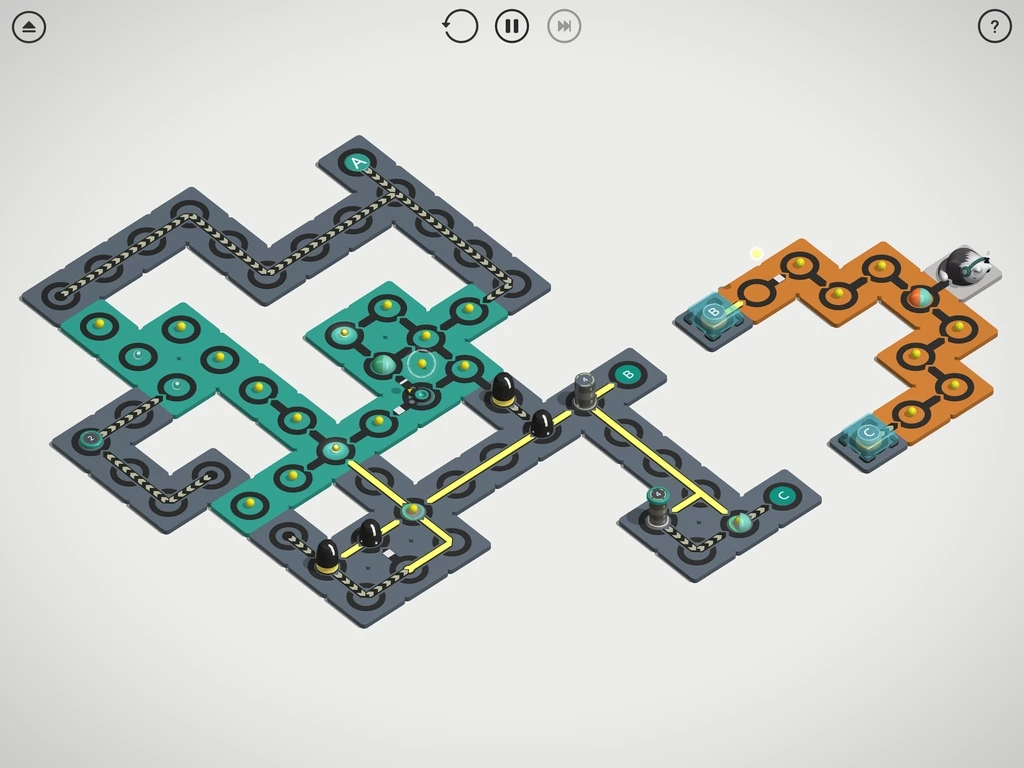
There are five zones and 60 levels, which most players can expect to clear in two to four hours.
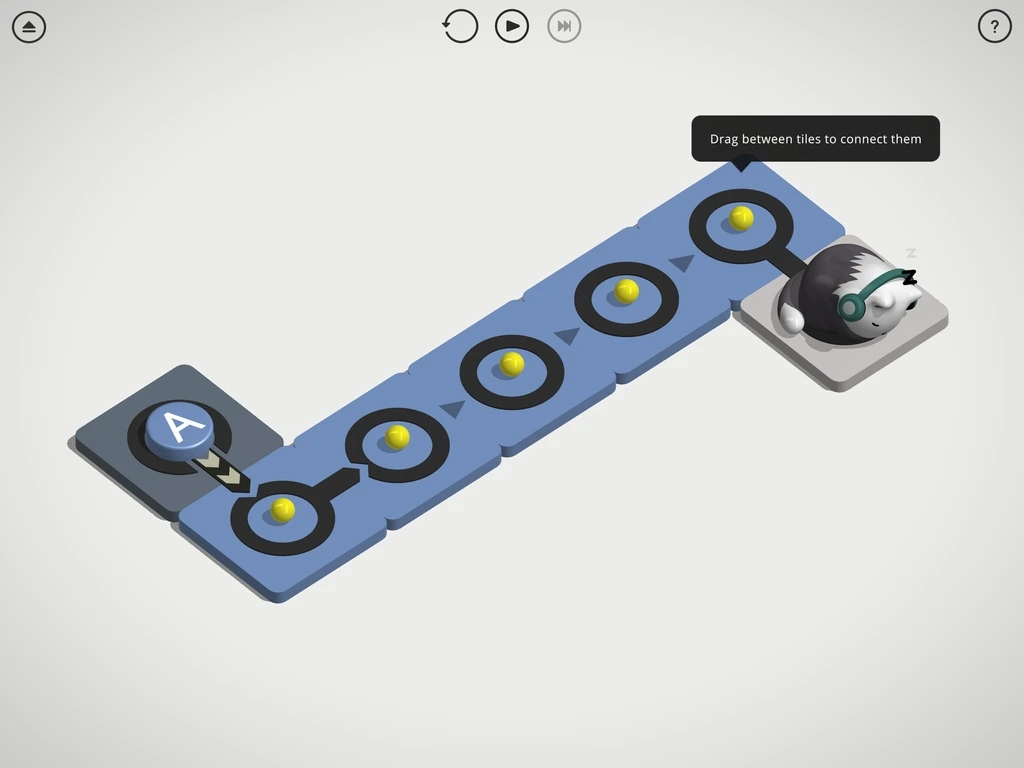
"Each block in the game creates a musical tone, so when you create a circuit, you're essentially creating the soundtrack in real time," Cardwell-Gardner explains.
"It doesn't require any musical skill - in fact you can play with the sound turned off. However, that would be a shame, because the music sets the mood of the game: a pocket of serenity for a frantic world."
He designed Cadence to look "simple on the surface" but with a lot of hidden depth. He also set out to create an engaging audio experience for players. While Cardwell-Gardner believes gameplay has to come first, he emphasises the value of visuals and satisfying sound design when there are so many games competing for players’ time.
Sound is an "emotional language" that connects with people, he believes, and says the same of visuals.
"For a game like Cadence, it's an essential part of the experience," adds Cardwell-Gardner.
"With so many games to choose from, nailing your presentation is such an important part of players even giving you the chance to find out it's fun in the first place."
In an industry dominated by live ops, we ask if Cardwell-Gardner has plans to continue updating the puzzler - whether paying fans can expect more content - or whether it’s a finished premium product.
He answers that Cadence as it exists today is "a complete experience", and that while he always has more ideas, he has to think carefully about what to work on next.
A medley of changes
Cadence: Musical Playgrounds has finally released after 13 years of development. Cardwell-Gardner has been working on the title for most of his career in games, therefore, with over 15 years in the industry overall.
“Even though the game has changed a lot, I've stayed true to the original vision. I'm glad I get to offer people a time capsule to how games used to be.”Peter Cardwell-Gardner
He’s previously been involved in Payload Studios’ creative block-building indie game TerraTech, worked with Embark Studios on a project that ultimately didn't make it to market and is currently the lead developer on a karaoke singing game.
Meanwhile, his independent work on Cadence arose from a can-do attitude: "I tend to look at things and say, ‘I can do that’. And I find that often if you apply yourself you can do it. But the trade-off is time. It takes a lot of time to learn so many different skills and to wear all the hats."
Considering that span of time, we ask how the industry has changed since Cardwell-Gardner began development on Cadence, and whether Cadence has changed with it.
"The industry has become a lot more cynical - it's more about business models than about creativity and experiences. But that's true for the world in general now. Even though the game has changed a lot, I've stayed true to the original vision. I'm glad I get to offer people a time capsule to how games used to be," he answers.
“The free-to-play business model is actually very expensive.”Peter Cardwell-Gardner
At the same time, earlier versions of Cadence looked very different. Synth tones were present purely for ambience, and instead of building circuits to wake up Ren the cat, Cardwell-Gardner was designing a game where players would build infinite loops to clear levels.
"I even wrote a lot of clever code to detect looping solutions, but it was too abstract and confusing for players," he recalls.
The idea of turning on a tile and gradually building a circuit was much easier for players to understand, he found. The objective - waking up the headphones-wearing Ren - also came later, evolving from a placeholder asset of a cat. Today, Ren is the face of the game, front and centre in the app icon.
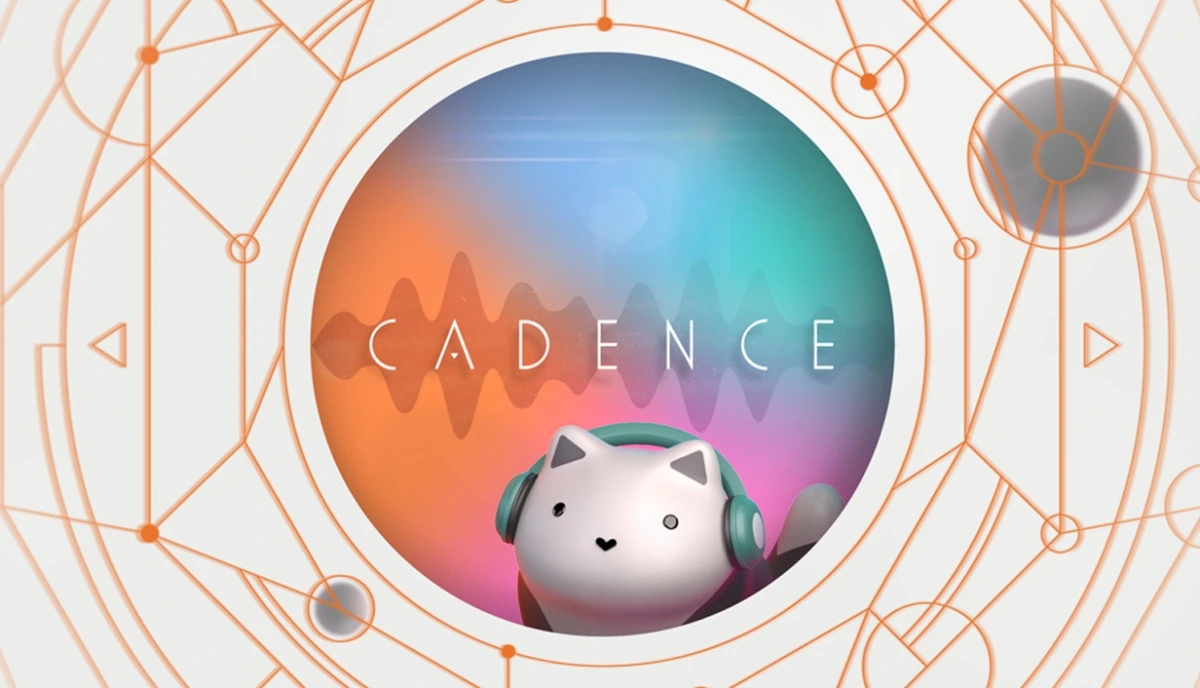
"Ren came to life once I added animations, at which point I fell in love. I would love to get a cat in real life again but I'm not allowed to have pets in my apartment, so Ren was where I put all that energy," Cardwell-Gardner reveals.
"The words of wisdom Ren dispenses was the last thing I added to the game. You can't work on a project for so long without going on a journey. It felt important to honour that in the game."
Logic, creativity and a place for premium games
While PC gamers may be more accustomed to premium purchases, free-to-play has long been the driving monetisation model on mobile. This was true even 13 years ago when development began on Cadence and so we ask Cardwell-Gardner why he decided on a premium game.
"The game has been made for iOS and Steam since the beginning. iOS because the game just has a lot of Apple design values baked into it. But Steam has been incredibly valuable too for having access to players and building a community around the game," he says.
"The free-to-play business model is actually very expensive. It costs a lot of money to acquire users and then it costs a lot of money to keep building new content quickly enough to retain those users. I simply can't compete on those terms, so I decided to stick to what was within my means."
“The industry has become a lot more cynical - it's more about business models than about creativity and experiences.”Peter Cardwell-Gardner
Whether Cadence expands to other platforms like Google Play and Nintendo Switch depends largely on how it performs on PC and iOS. As an indie dev, it’s a matter of resources, as much as Cardwell-Gardner would "love" to bring the game to more audiences.
Finally, we discuss tapping into different types of audiences, reaching paying players whether they’re musically minded or not. While Cadence’s 60 levels may appeal to puzzle fans, one feature more geared towards musicians and creatives is the sandbox music maker.
Once a player has a solid understanding of the game and its rules, they can begin to use an editor to create their own music loops. There are two synths and a drum machine built into the app and creators can create up to four tracks.
Any tiles a player places will automatically pick notes from a satisfying scale, making the sandbox accessible for those who aren’t experienced musicians too.
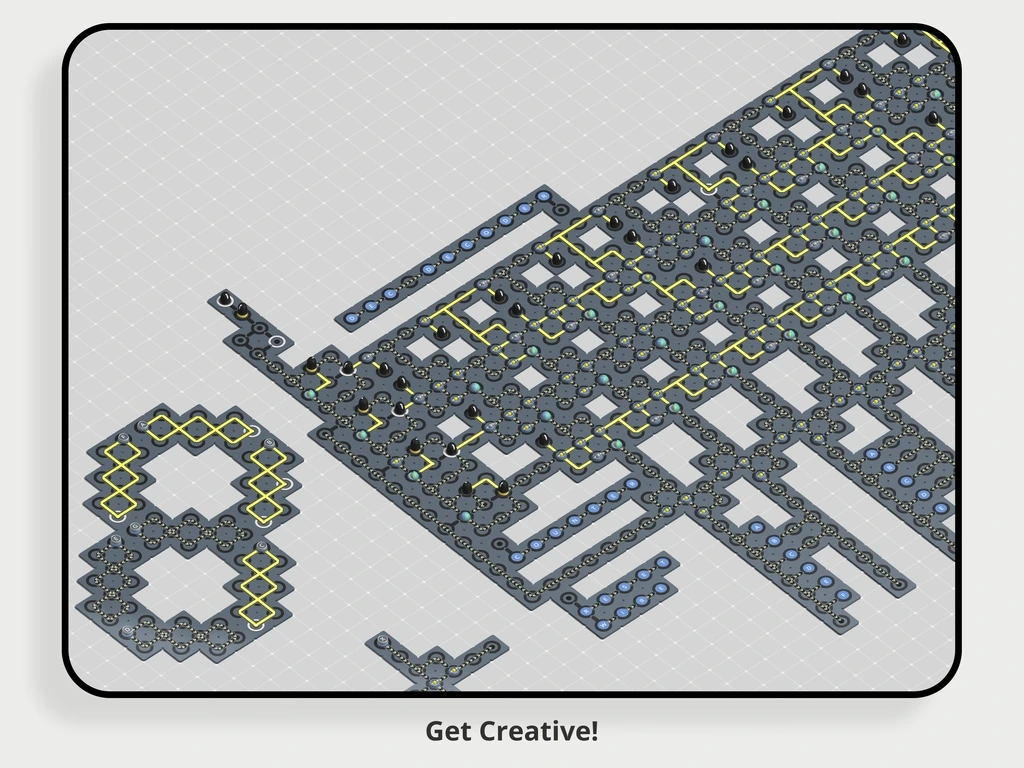
Steam players can share their music and browse community creations through Steam Workshop. There are currently no equivalent community sharing features in the iOS version, but these may be added later, again depending on performance.
While this may make the PC version more appealing to some, Cadence's one-time purchase is cheaper on mobile than on Steam.
"There are two different players. Those that want to enjoy themselves mainly to stick to the puzzles, and those that want to break the game go create mad things in the sandbox. But the trick is that all the puzzles were made with the sandbox," Cardwell-Gardner concludes.
"So really, it was about finding a set of game mechanics that are both fun and also make good music. This was incredibly challenging, but I'm very pleased with how it turned out."
Companies

People