Direct-to-consumer in games: Promise versus reality

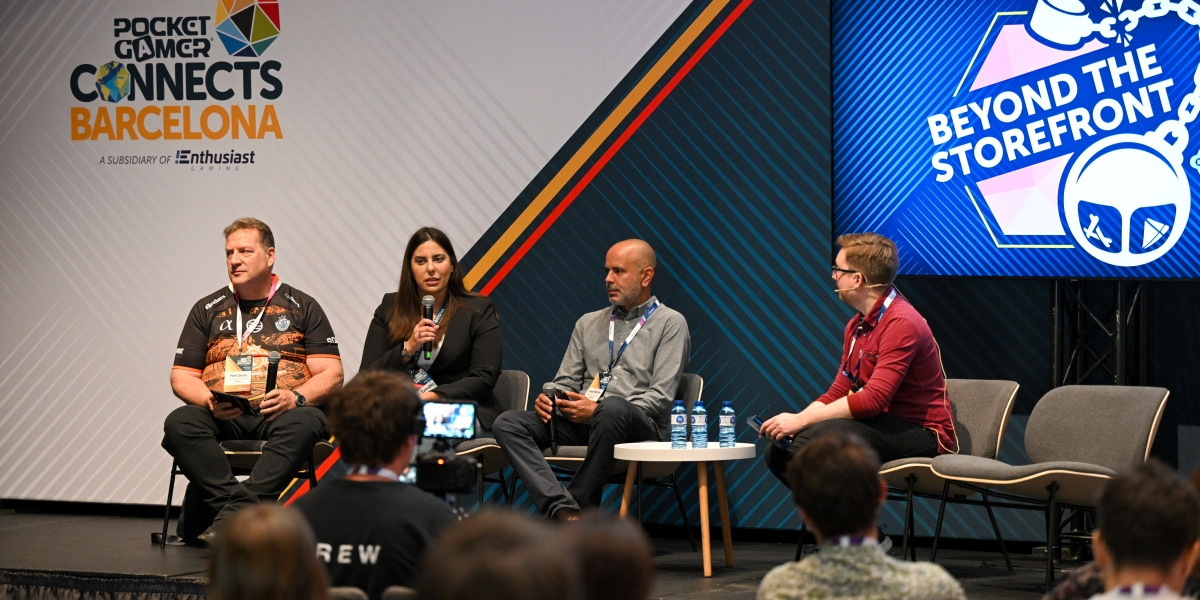
- Years after Epic took on Apple and Google, the panel saw real opportunity in going direct, even if the full revolution is still some way off.
- The real prize of going direct isn't escaping the 30% fee but owning the player relationship and the data that comes with it.
- D2C is already paying off for big players like Playtika and Stillfront, but smaller studios should target a more modest 15% to 20%.
Epic Games' long legal war with Apple and Google was meant to break open the app stores. Years on, the industry is still asking how much really shifted.
On the Xsolla-sponsored ‘Beyond the Storefront’ panel on day two of Pocket Gamer Connects Barcelona, a panel hosted by PocketGamer.biz head of content Craig Chapple put direct-to-consumer under the microscope.
Joining him on the panel was Worldline director of channel sales Jonas Martins, Xsolla business development manager - EMEA Inês Ramalho and Breeze director of strategic partnerships Peter Gerson.
We take a look at how the panel weighed D2C's promise against its reality, from the regulatory state of play to the numbers studios are actually banking on.
Plenty of change, little relief
There has been "a lot of change", said Worldline's Jonas Martins, "but that didn't necessarily make this cheaper for developers".
Things are clearer on Google's Android side than Apple's right now, according to Breeze's Peter Gerson, with Google pushed into setting fee percentages, yet none of it, he added, makes going direct "suddenly seem cheaper".
Epic's settlement with Google, which caps fees at 9% or 20%, struck Xsolla's Inês Ramalho as "more promise than the reality", since in practice most developers save only a few percentage points. "Especially for small studios, there is still a long way to go," she said.

It's about ownership, not the 30%
For the panel, chasing the platform commission misses the point. "The key question is really about player ownership," said Martins.
The relationship with players is "definitely a studio's biggest asset as a company", argued Ramalho, along with the data and the direct line that comes with it. Save a few points on fees and you have gained little, own the relationship and you have changed the shape of your business.
Execution, not permission
With the stores partly open, the barrier is no longer permission, "it's execution", said Gerson. "And execution comes down to resources" - payment processing, tax, compliance and customer service all cost money and people.
"In theory, everyone can do it," he added, but "in practice it may not suit a small studio to do it straight away."
“It's not so much about the permissions, it's execution - and execution comes down to resources.”Peter Gerson
That, Martins added, is why studios need "the right partner… that has a global reach and local information", rather than treating D2C as a switch to be flipped.
Increasing complexity around regulation
D2C is also relentlessly region-specific and the platform holders, Martins argued, are "leveraging on that complexity" to slow change. Apple's €500 million EU fine for anti-steering, and the changes that followed, were cited as a case in point, with the process likely to grind through appeals for some time.
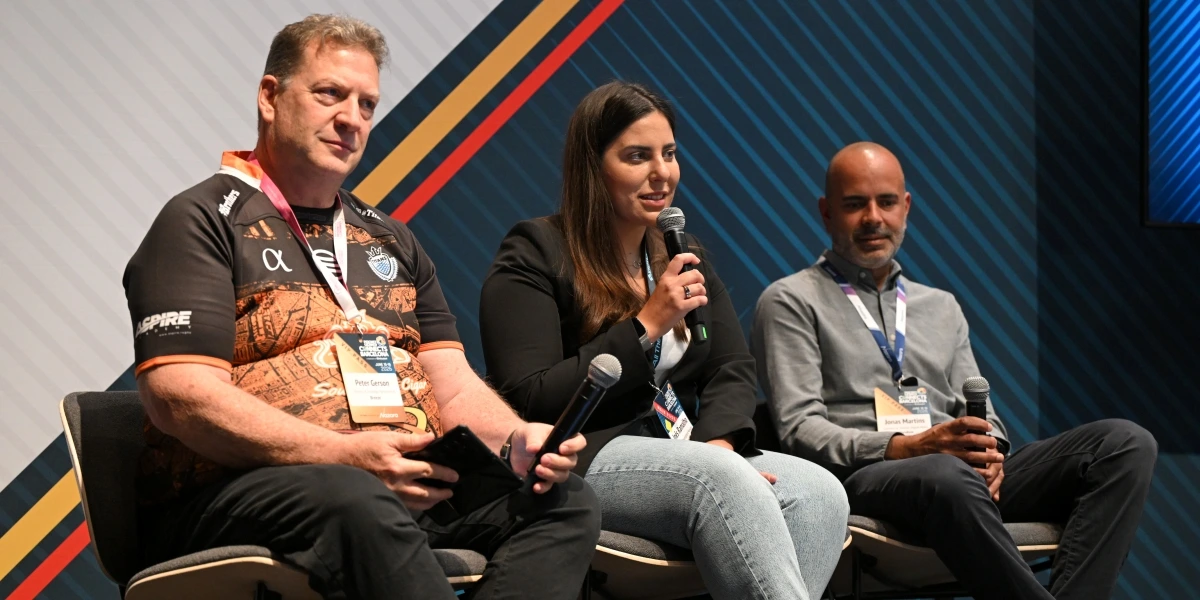
The advice was to tune out the noise: "look at your own business… look at your community", urged Gerson, while Martins pointed to building user acquisition around the web.
The numbers are real
For all the caveats, D2C is already working for the companies investing in it - a point Chapple made with figures from his own research, noting that big publishers are banking serious sums. Playtika's D2C is running at roughly a $1.2bn annual rate; Stillfront has put D2C at around 44% of bookings; and Modern Times Group reported it as a sizeable share of group revenue.
“For small studios, there is still a long way to go.”Inês Ramalho
On targets, though, the panel was measured. Martins said while there are companies pushing for 50%, most smaller studios should be aiming at 15% to 20% and building from that.
Ramalho put the floor a little lower for the smallest teams, at around 10 to 15%, with more established studios able to push higher.
Meet players where they are
Underpinning all of this is community. Studios should meet players on the channels they actually use - Discord in some markets, Telegram or WhatsApp in others.
As Ramalho put it: "get to know your players more and more." And developers should start early by building a community as early as possible, recognising that studios who try to do it three months before launch are "already late".
Amid the regulatory noise, the panel's message was to look inward: at your community, your players and the web channels you own, rather than wait for the platforms to hand over a windfall. Fees may yet fall further.
For now, the smartest D2C play is owning the player relationship and doing the groundwork to make it pay.
Companies



People



Events
