Fingersoft’s Otto Simola on Hill Climb Racing 2’s first decade and what comes next

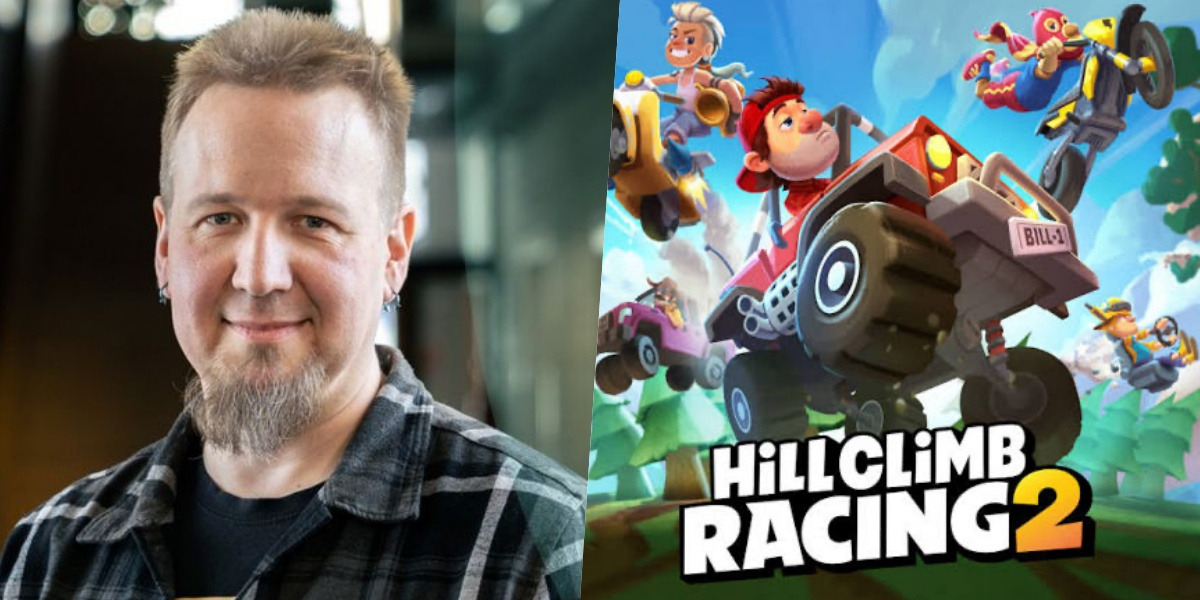
- The two-button core from the original still drives HCR2 today.
- Playtesting decides which new mechanics earn their place.
- HCR3 should grow the franchise, not cannibalise HCR2.
Otto Simola is product marketing manager for Hill Climb Racing 2 at Fingersoft, the Finnish studio behind one of mobile’s most enduring franchises.
A decade on, we speak to him about the physics that started it all, how a two-button game keeps growing and what the next decade looks like.
Still gas and brake
The original Hill Climb Racing began as a physics test coded in a bedroom. Almost fifteen years on, that work still sits at the heart of the sequel.
“That simple idea of two buttons, gas and brake, combined with the vehicle’s air controls, is still there,” says Simola.
The two games have developed separately, with different design principles, but put them side by side and the core mechanics are clearly related. Only one vehicle came straight across: the Hill Climber, which gets extra abilities in HCR2 through its deeper meta-layer of tuning parts.
Simola says two buttons can do more than people expect. Thrusters and jump shocks fire when both pedals are pressed together. Some vehicles get a boost from tapping the brake while holding gas. More recently, extra buttons have arrived for vehicle-specific features and boosters, and players have welcomed them.
“It’s all about playtesting: if some new mechanic feels natural in addition to the old ones, why not add more to that?”
10 years of change
Asked what would surprise the 2016 team most, Simola points to monetisation. HCR2 now offers far more ways to spend, from progress boosts to drivers and vehicle skins.
“The game can be enjoyed without spending any money,” he says. “The game’s economy is balanced so that it serves a wide variety of different player demographics.”
The players have changed too, pushing the game well beyond what the team imagined, with countless YouTube videos testing how far each vehicle can go. The standout for Simola is “Mono Wars”, a community-run event where players competed on the monowheel, one of the trickiest vehicles in the game.
“Mastering the speed and landing with that requires a huge amount of skill and the videos of that event blew my mind.”
Shorter days for a long-running game
Running a live game for a decade takes stamina, and Fingersoft has built its working culture around that. The Oulu-based studio’s office runs on six-hour days, with a gym and a sauna on site. For a mobile studio, that setup is still unusual.
Simola says the perks send a clear message to staff that the company cares about their wellbeing. That matters in an industry where crunch is still common.
“For many of us, developing games is a passion and just sometimes very hectic with a fast pace in development,” he says. “Sometimes it happens that you might lose track of time spent on the projects.”
For a studio still updating a game it launched in 2016, avoiding burnout is part of the job. “It’s good that we also remind our employees to relax, exercise and take some time for themselves.”
Room for a sequel
With Hill Climb Racing 3 on the way, Simola isn’t worried about HCR2 being pushed aside. He has seen this before.
“Hill Climb Racing 2 wasn’t cannibalising the original, but brought new players and fans to the franchise,” he says. “Both games will have and find their audiences.”
He describes the franchise as a huge sandbox where millions of players let the team experiment with ideas. For HCR2, the roadmap targets current players, new audiences and lapsed fans.
“There are already so many ideas that the next decade for the game looks just brilliant.”
Meet the industry at PG Connects London

Want more lessons from the teams behind mobile’s longest-running hits? PGC London returns on January 18th and 19th, bringing together 3,000 games industry professionals from around the world. Get your ticket.
Companies

People
