Google Play launches discoverability tool Game Finder using "gamer DNA"

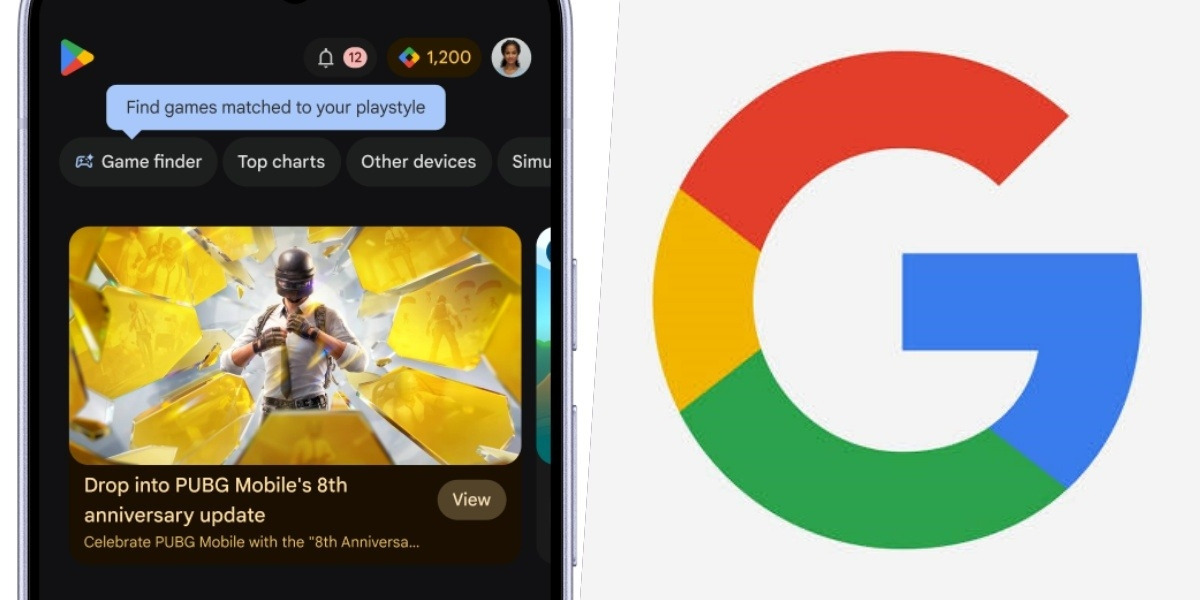
- Google Play's Game Finder now allows players to find recommendations based on "gamer DNA".
- Users can create personal apps to be shared with a small circle of people, without taking the app public or needing a developer account.
Google Play has announced an update to app discoverability called Game Finder using the latest Google AI tech, tailored to each player’s gameplay habits.
Game Finder gives recommendations based on a user’s interests. This includes favourite genres and mechanics - recommending a squad builder because a player already enjoys them, for example. This has been described as "gamer DNA", an analysis of how a user plays and the preferences they share.
Users can also filter out games, such as opting not to see titles that push in-app purchases, or view recommendations based on the games people they follow are playing. There are also game playlists to explore such as "best idle games for my commute".
Game Finder has currently rolled out in English in the US.
Multiple updates
Google Play also now enables users to create personal apps via vibe coding without a developer account.
Users of Google AI Studio can make personal projects that will stay private and separate from the public Play Store. Initially, these personal creations will be limited to select markets like the US.
In the coming months, personal apps will become shareable with a close circle via invitation without taking the app public, but if creators decide they do want to release an app publicly, they can convert their account into a developer account later.
The update has come as Google looks to take its vision to become "more than a store" into its next stage, with a change in mindset from "there’s an app for that" to "there’s an app for me".
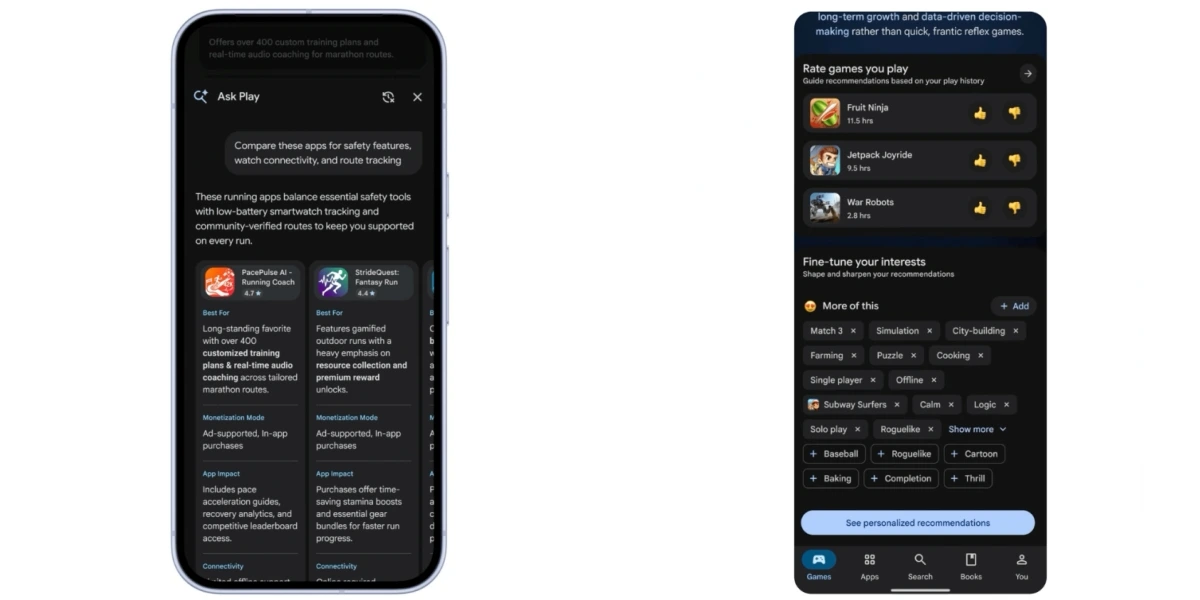
The announcements are among a number of Google Play updates, including multi-screen discovery for users across a range of device types, 30-second playbacks through Sidekick gameplay recordings and even curated app collections built into users’ car app libraries. This includes in-car media features like watching YouTube videos on the dashboard when parked - and shifting to audio when driving.
Google has also revealed plans for Age Range Sharing, aiming to create a safer user experience where players can maintain their personal details while still giving developers required information on age. As its name indicates, Age Range Sharing will enable users to give an age range rather than an exact date of birth.
This can be done via Google Play’s Family Link app.
Amid increasing scrutiny from legislators surrounding apps and games, PocketGamer.biz asked VP and GM of Play and developer ecosystem Samuel Bright whether Age Range Sharing is expected to meet the requirements of the proposed EU Kids Act.
"We do think this is an important step in maintaining privacy for users while also being able to solve for a lot of the age-assurance requests that we’re hearing from developers and policymakers around the world. There's a lot of different regulation and legislation around that and a lot of it is evolving over time," he answered.
"Our goal is just to make the experience as safe, trusted and private for users as possible, and that’s because we have a range of apps and games on our platform, and we don’t think that the age assurance requirements or the needs for a Cocomelon and a Kalshi are exactly the same."
Google Play also has new performance requirements for apps and games that will be enforced from February 2027.
Companies
