Mad Hook's Hazim Al-Hanbali: “If I want to change one thing in the sector, I will convert competition to collaboration"


- MENA's games industry faces studio closures and downsizing, but indie development continues to grow, especially in Saudi Arabia.
- Young players often choose trending games to play with friends over games with better gameplay.
- Fundraising remains Jordan's biggest challenge, as global investment slows and regional political tensions affect investor confidence.
The MENA region has seen impressive growth in recent years, with MENA-3 (Saudi Arabia, UAE and Egypt) in particular projected to reach $3 billion in player spending by 2030.
Amid the region’s development and opportunities, there are also challenges. So, ahead of Pocket Gamer Connects Jordan on November 7th and 8th, we speak with Mad Hook CEO Hazim Al-Hanbali for the latest industry perspectives.
PocketGamer.biz: How would you assess the MENA games scene at the moment?
Hazim Al-Hanbali: The MENA games scene is currently going through big ups and downs. You can see development studios closing doors, some are downsizing, while others are growing and raising funds. You can see growth in the indie dev scene in terms of new games developed, funds raised and new teams, especially in KSA.
What do you think are some of the challenges facing the games industry in Jordan and the wider MENA region?
The games industry is going through challenging times globally. Investment appetite is less than before, game companies are downsizing globally.
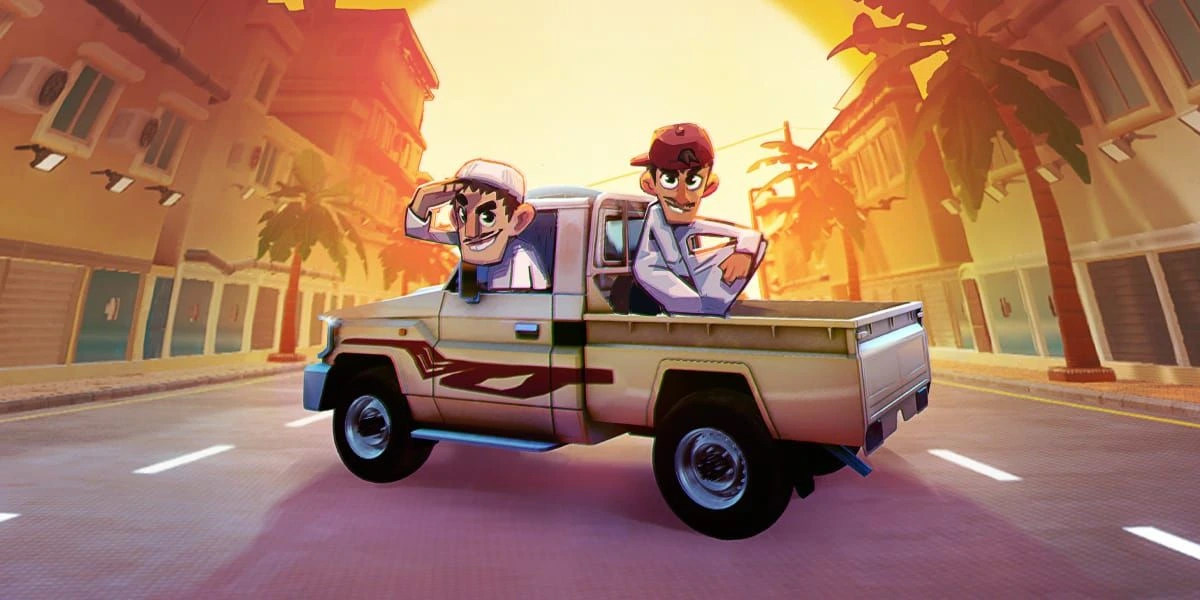
In the MENA region, the current political situation is affecting investments and slowing things down, yet things are still moving forward. In Jordan, the main challenge is fundraising.
Beyond funding, what are some other opportunities in the MENA region? And how can the government further help the games industry grow?
We have talented teams in the region with original content who need support in terms of funding and global publishing. I believe if the government provides enough funding, it's the only thing currently needed
What changes have you observed in the local games industry in Jordan? Say consumer behaviour towards games.
Players are moving towards trending games instead of good games, they prefer to play a trending game with their friends over a better game that is not trending, especially in young players.
From your perspective, what’s unique about the startups you’re seeing in MENA compared to those from other regions? Is it greater use of AI, a focus on certain genres, or something else entirely?
The unique thing about gaming startups in the region is that they are fueled with passion to create original, culture-inspired games. In terms of genres, you can see big diversity, and on multiple platforms.
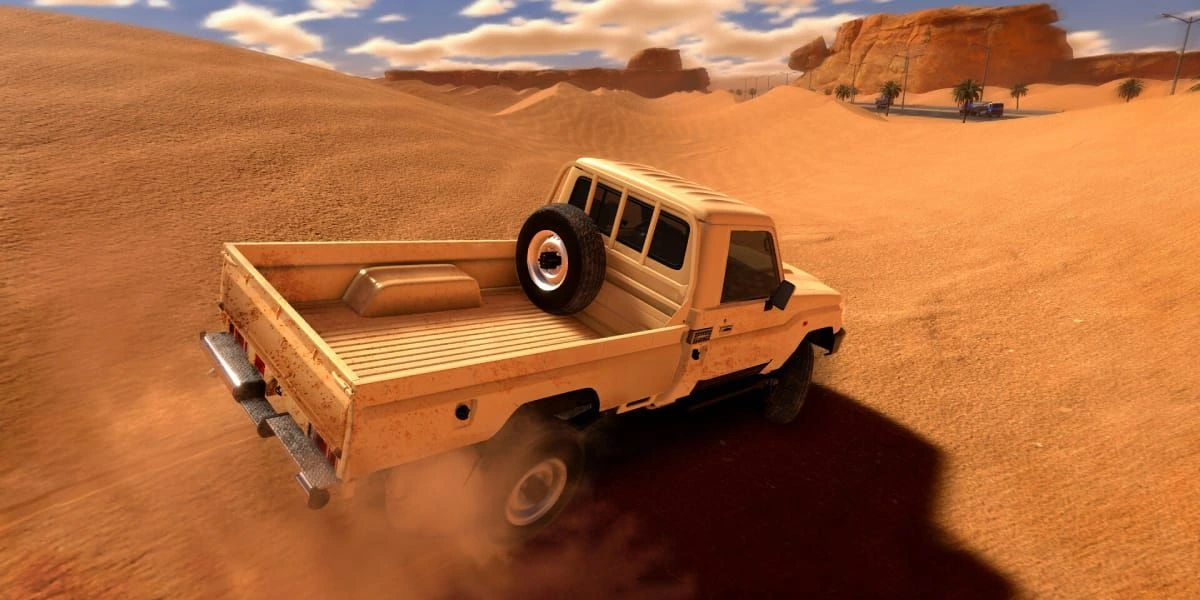
Yes, there are many studios building many games in a certain genre, racing for example; at the same time, you will see new unique games in totally different genres, such as the game Azooma Escape
What do you think MENA could realistically become known for in global game development?
I believe the success in MENA will come from indie studios, most studios in the region are driven by pure passion,
Looking ahead five years, what is your outlook for the MENA games industry, and if you could change one thing about the sector today to help it reach where you want it to be, what would it be and why?
I believe we will have a couple of success stories in the upcoming years. We will have more games on console and PC, and hopefully we will see a fully Arabic-developed triple-A title. If I want to change one thing in the sector, I will convert competition to collaboration.
You can feel a sense of competition in the sector at the government level, which is healthy, but if we convert this competition to collaboration, the sector will grow stronger everywhere in the region.
Pocket Gamer Connects Jordan on November 7th and 8th, 2026.
Companies
