Supercell's Vladislav Perge on building communities and player trust
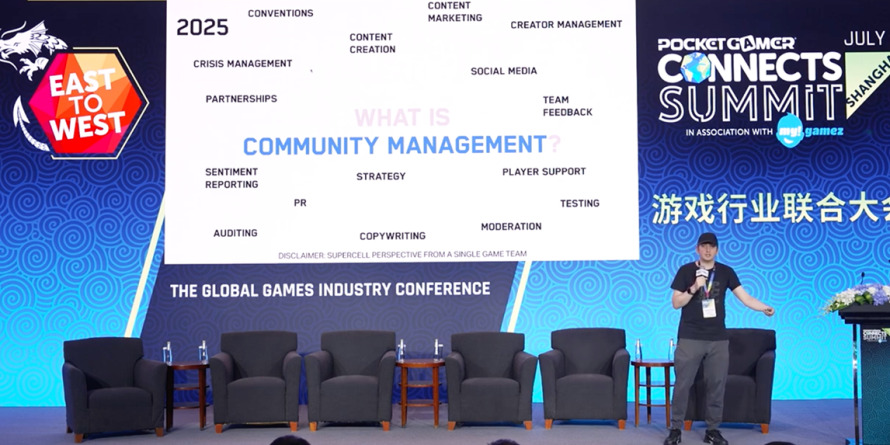
- Perge framed community management as far more than social posts, spanning onboarding, sentiment, support and creators, with transparency and owning mistakes at its core.
- On ROI, he argued positive sentiment drives everything else, with Supercell running a weekly "vibe check" and aiming to resolve controversy within 24 to 48 hours.
"All of you can be community managers."
That was the message from Supercell's Vladislav Perge at last year's Pocket Gamer Connects Summit Shanghai (an event that returns for 2026 on July 29th). You don't need the job title, he argued - anyone on a team can read their game's subreddit, see what players are saying and act on it.
We cover his biggest takeaways, from earning player trust to how Supercell actually measures community work.

From forums to Discord
Perge opened with a quick history of where players gather. Communities moved from late-2000s forums to Skype groups by 2012, then grew rapidly across YouTube, Reddit and Facebook around 2015, when, he said, “the actual communities start being built”. By 2018, much of that activity had consolidated on Discord, which he described as “IRC with elaborate features”.
By 2022, there were an "abundance of platforms". Players looking to judge an update “would simply go on Reddit” and read the first 24 hours of reaction.
Beyond social posts
At Supercell, Perge noted the words "community manager" barely capture the job. Far from just "posting on Twitter", the role spans creator management, sentiment tracking, player support, testing and content, with the focus shifting by priority as an update nears release.
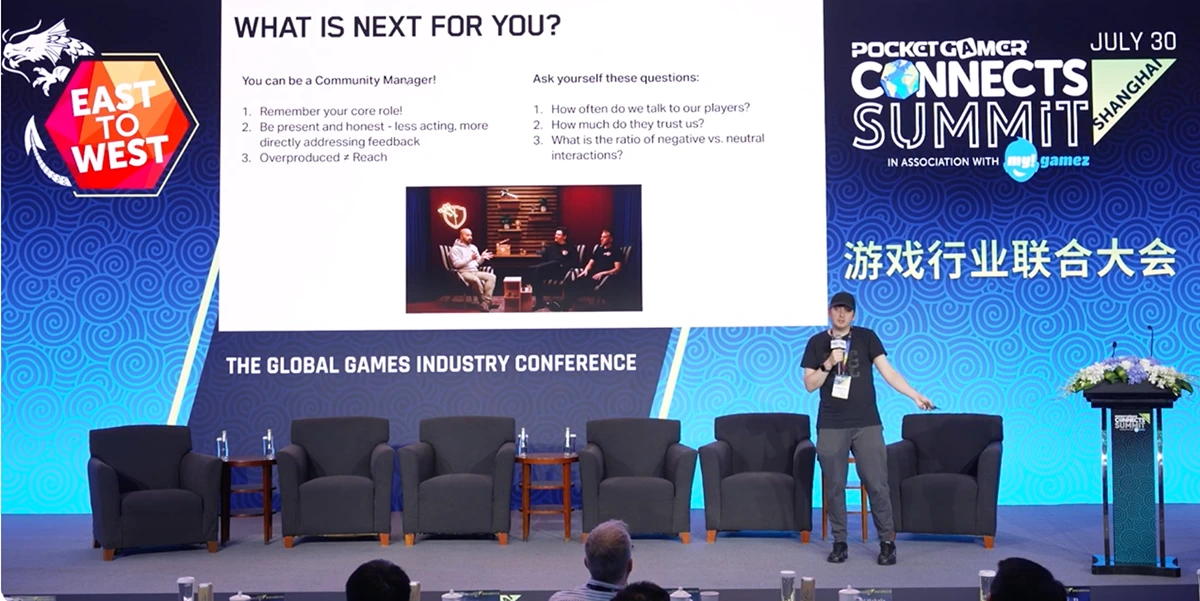
And the listening isn't his job alone: Supercell watches its own Clash of Clans ads get picked apart on Reddit and treats the reaction as a signal for the wider team.
Communities people are proud to join
The goal is to have "communities that people are proud of joining", where new members feel they belong. Greet them with toxicity and the community won't grow.
Perge flagged a common trap: neglected onboarding, asking the question: what does a player actually see when they join your Discord or subreddit? Toxicity still needs moderation, but nurturing positivity beats policing negativity. "Toxicity just removes itself if you have more positivity."
Be yourself, own your mistakes
Authenticity ran through the talk. Supercell directs its own community videos rather than working from a script, and this extends to admitting failure. A game should call out what's wrong with itself, he said, pointing to Clash of Clans' 'Inside the Builder Hut' series, where the team addresses the most negative feedback head-on. Acknowledge the mistake, explain it and say what you will do - "that's the best thing you can do".
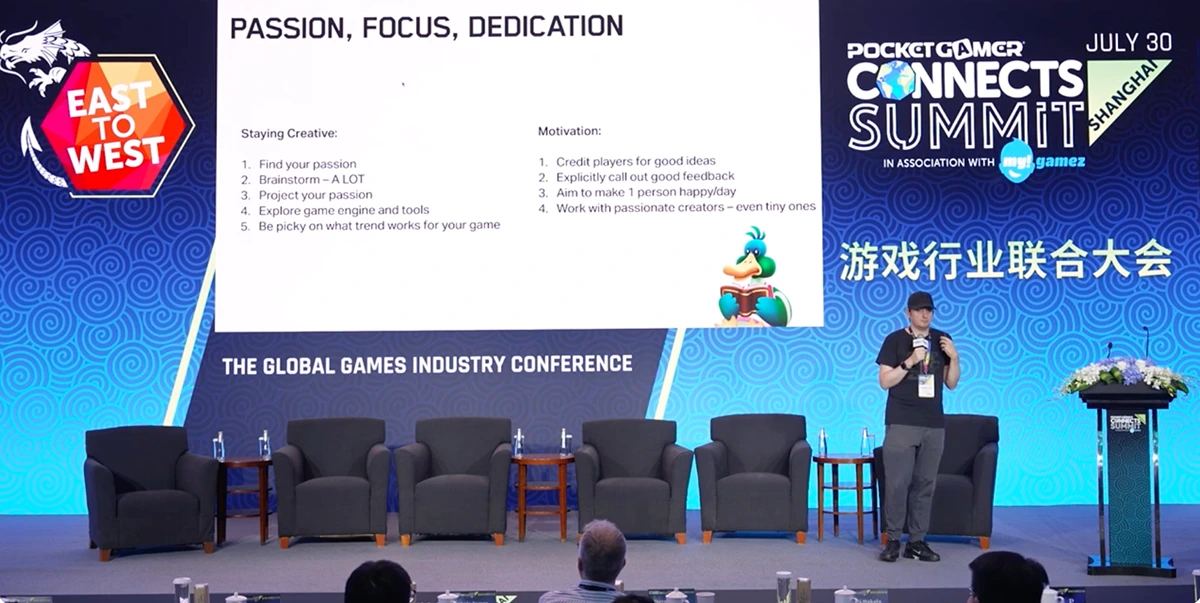
The same instinct shapes content. Chasing trends is a losing game. Perge said you can't now go viral by copying what's already on TikTok, so the aim is to "surprise players… make content that they would not expect, because that's how you make your own trends".
His personal benchmark is smaller still: "Trying to make one person happy per day is the key."
The ROI question
For 13 years, Perge said he has been asked what community management is actually worth. His answer: "Positive sentiment leads to everything else."
Supercell measures sentiment rather than a direct revenue line. A weekly Clash of Clans report called 'vibe check' tracks what players love, hate and find controversial. Acting on it, the team aims to resolve any controversy fast and usually within 24 to 48 hours.
The realistic target, Perge said, isn't praise but the ratio of negative to neutral replies. Purely positive posts barely exist. "Nobody ever wrote that they love the game and everything's all right with it," he noted. There's always something to complain about."
PGC Shanghai returns in 2026
Perge’s session was part of PGC Summit Shanghai’s 2025 debut, which brought Supercell, Tencent, NetEase, miHoYo, Epic Games and EA to the city. The event returns on July 29th, ahead of ChinaJoy week, as a one-day bridge between the Chinese and global games markets.
This year’s programme focuses on global publishing, cross-border deals, studio funding, growth strategy and AI’s impact on game development.
Companies
People
Events

