Making games now vs then: Nordic veterans on 25 years of changing practices

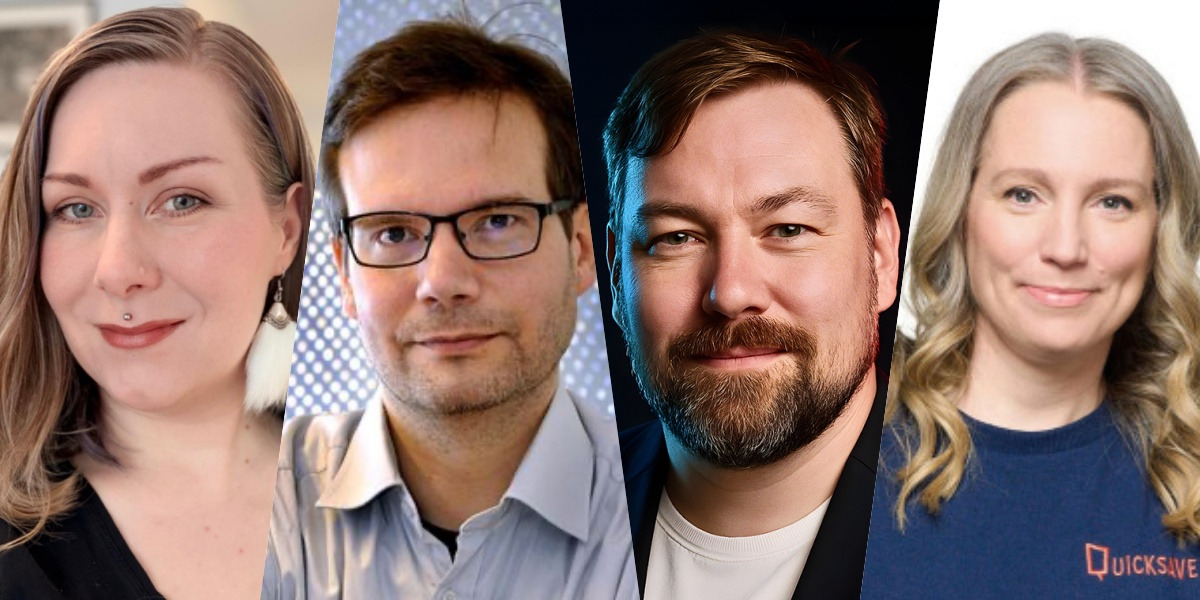
At Pocket Gamer Connects Nordics in Helsinki on October 20th to 21st, the panel “Making Games Then & Now: 25 Years Of Changing Practices” will revisit the turning points that shaped game development from the 2000s to the 2020s. Some are global, some distinctly Nordic, and others are deeply personal.
Ahead of the event, we asked some of our panellists what has changed most since they started out, which old instincts still hold and what the next era of development might bring.
No schools, no mentors, no problem
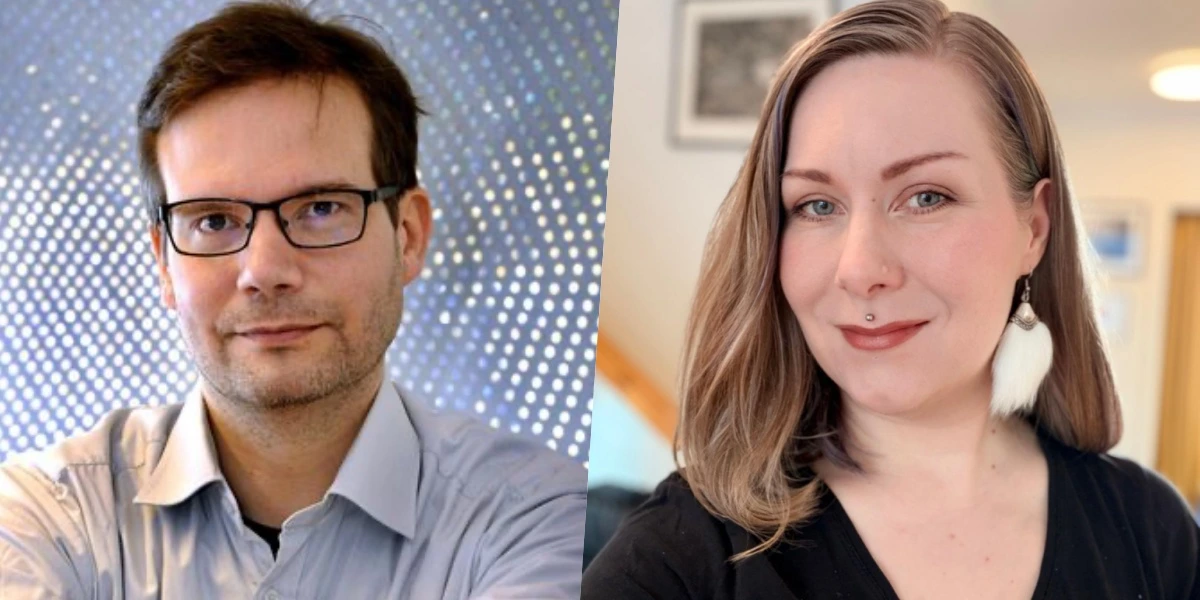
For Jaakko Kemppainen, a lecturer in the department of art and media at Aalto University, the biggest gap is education. “Back in early 2000s there were no schools for making games,” he says. There were a couple of game design books his team didn’t know about, plus programming manuals. Through cultural studies at university, he found the early game theorists: Huizinga, Caillois and Suits.
“Things were much simpler, but we also lacked guidance and mentors,” he recalls. The upside was an open market. There were no digital storefronts yet, and mobile meant small Java games. “There was a lot of space for opportunistic experimentation.” His team made TV games that players controlled by texting from button phones, learning the casual market, technical limits and production pipelines on the fly.
“There is a market for every game, but reaching the audience is the big question.”
Today he tells his students: “You need to pay your bills, after that do whatever feels good to you.” Some want to make personal, artistic games or recreate childhood favourites. Others are focused on monetisation trends. “There is a market for every game, but reaching the audience is the big question,” he says. Marketing, social media and entrepreneurship are now required skills too, which “sometimes feels overwhelming to me.”
His advice is to read widely and look beyond games. “Reading, watching movies, studying psychology, architecture, engineering, chemistry or anything else can provide a game developer ideas and perspectives that help to differentiate from the competition.” A degree alone isn’t enough: “Papers from a school are paper.” He also argues that schools should teach how to balance passion with a sustainable life, because “many of us learn it in the hard way.”
The case for familiarity
If reaching an audience is the big question, Karoliina Korppoo, founder and game creator at Sholf Development, and ex-Rovio and Supercell, has one answer: give players what they’ve been missing.
Looking back on the making of Colossal Order's Cities: Skylines, she recalls a team that resisted chasing novelty. They built a spiritual successor and carefully weighed whether each change would make the game too different.

“Familiarity is a strength and especially in a genre that had not seen many games lately, it turned out to be good strategy,” she says. “Listening to the audience and staying loyal to the big names of the genre are at the core of how Skylines was made.”
Two years is now a lifetime
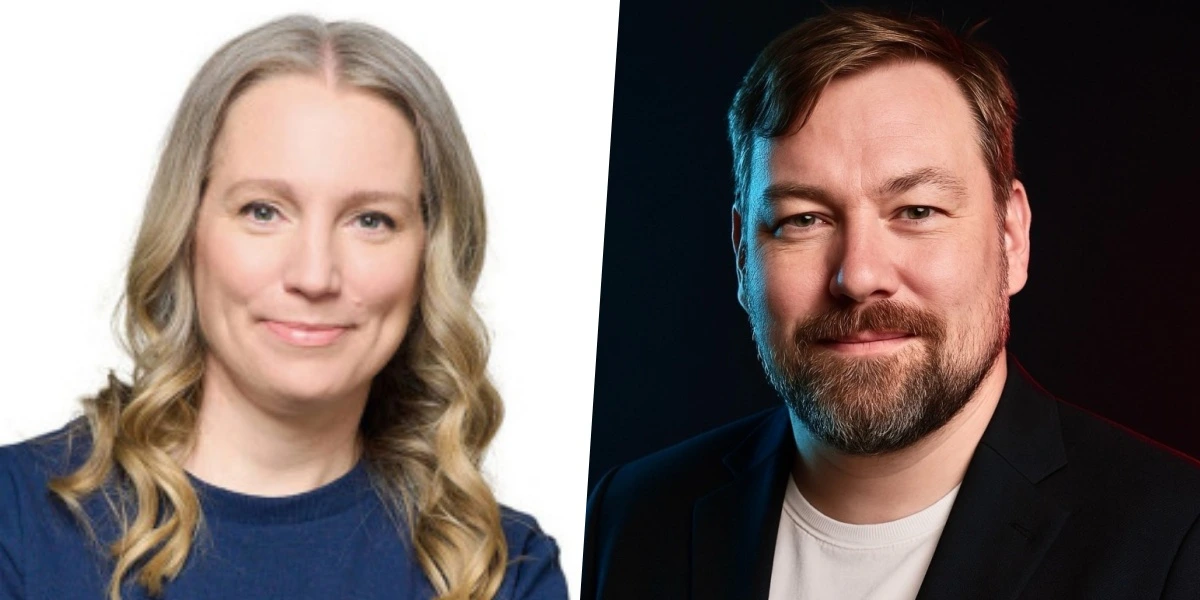
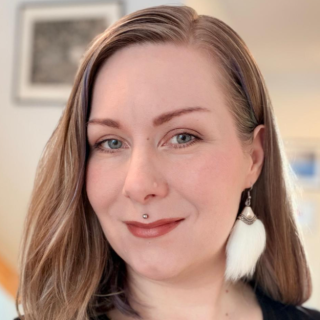
Elina Arponen, CEO and co-founder, Playables.ai, separates the instincts that still hold from those that have expired. “AI and other progress changes a lot how we work, but less the fundamentals what we should be achieving,” she says. Those fundamentals are good company culture, customer-oriented products and teams built to fit the need.
The thing that wouldn’t work today is the timeline. “Back then you could make a plan to develop a game for two years and look for funding for that. Now two years is a very long time and you have to plan to test the product with customers much faster.”
A return to roots, with a catch
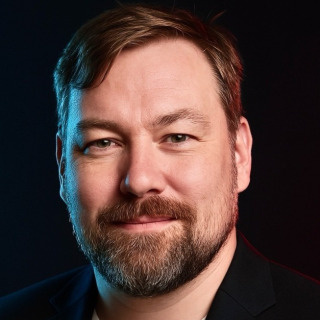
Tatu Petersen-Jessen, co-founder and CEO, Odd Latent, sees the current moment in gaming as “both a new era and a return to our roots, mixed with excitement, panic and chaos.”
As development gets faster and cheaper, he says, “small teams will be able to deliver miracles,” with more room to fail. “When a failed experiment doesn’t threaten the future of your company, there’s less pressure to repeat familiar formulas.”
There is a catch. “Everyone else gets the same tools,” Tatu warns, pointing to oversaturation and commoditisation. “You could finally make that game nobody would have funded, only to find that hardly anyone tries it.” Discovery will need as much invention as development.
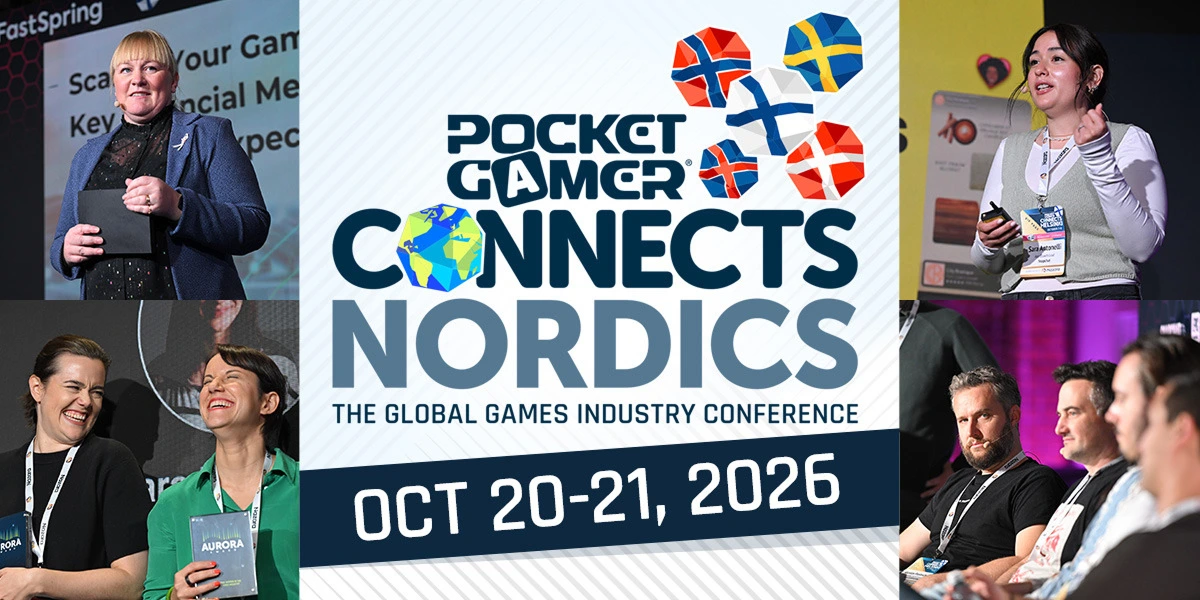
Don't miss out on the panel - one ticket also includes the AI Gamechangers Summit and Beyond Games: Transmedia Summit. Expect more than 1,500 professionals and around 150 speakers.
Book your ticket now.
Companies



People


Events
