How Nordic studios are using AI part three: Lore checks, a "programmer's programmer" and the parts writers keep for themselves

- AI does the digging and admin so creatives can focus on the craft.
- Indies say AI is replacing outsourced work rather than developers.
- Indigenous stories need real community voices, not AI shortcuts.
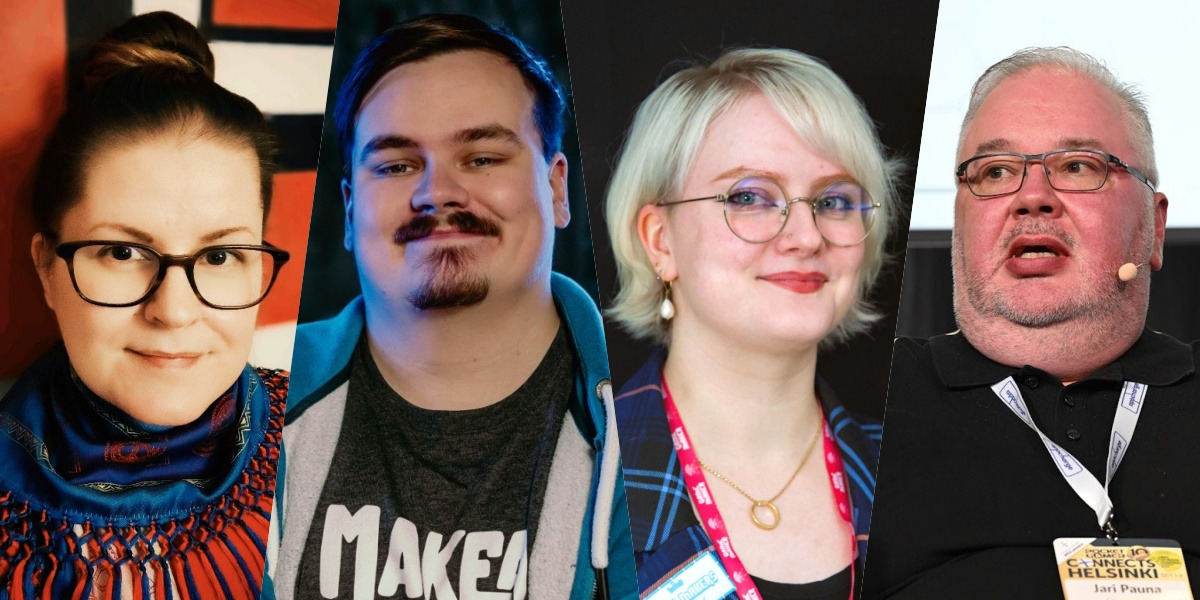
For part three of our series on AI in the Nordic games industry (you can read part one here and part two here), we heard from four people who see AI from very different sides: someone building it, someone using it daily, a studio CEO who keeps it away from Indigenous stories that belong to the communities who live them and someone representing the workers living with the fallout.
Outsourcing the "dull bits", not the voice
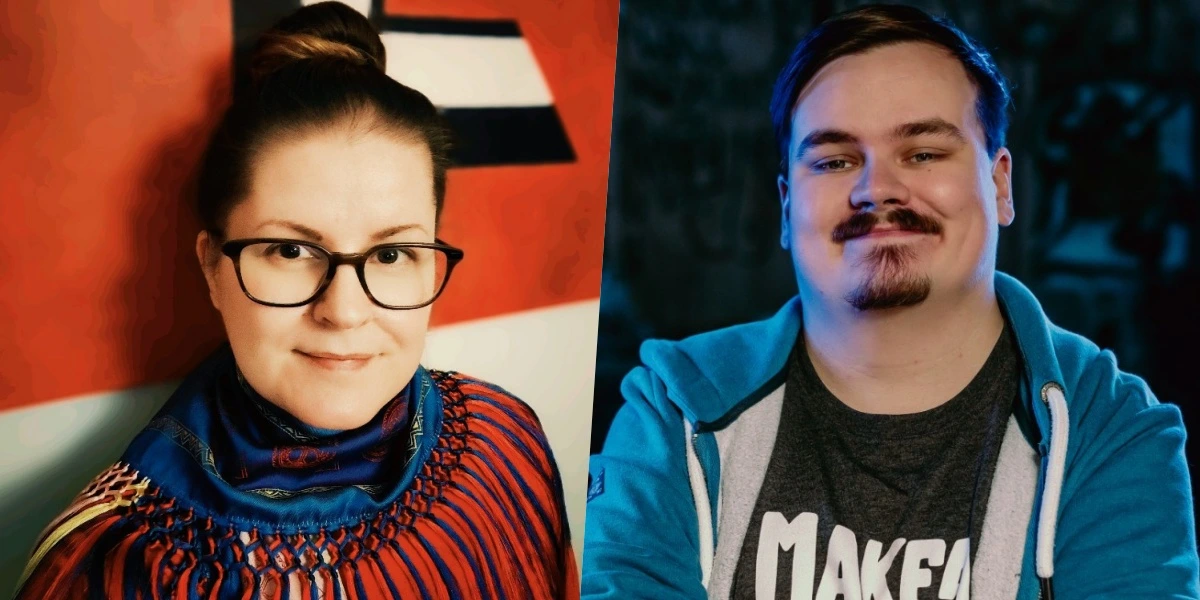
Marjaana Auranen, co-founder of Red Stage Entertainment, the Tampere indie studio behind Sámi-inspired adventure Skábma - Snowfall, says the studio keeps generative AI out of its games entirely and uses it only for the parts of her job she'd rather not do.
"As a company, we don't really use generative AI in our games. We like to separate the creative work from AI," Auranen says. "Personally, generative AI is not really something that I use to create new scripts or in dialogue writing. AI for me is more of a help with checking grammar, writing reports and making fast iterations of official documents: structuring, planning timetables and budgeting.
"Basically AI is outsourced to do all the so-called 'dull' bits of my producing job, not the fun parts such as creative writing."
Her reluctance to go further comes down to voice. "The main reason for not jumping on the AI train fully is that it tends to make very generic content and characters - something that I feel every author tries to avoid like the plague," she says. "We spend years creating our own voices and sometimes very unique ways of writing, and having AI do that for us doesn't feel professionally rewarding. It takes away more than it gives to the process. It makes you part of the mass and can even take away your authorship."
For a studio whose most recent game draws on Indigenous Sámi stories and myths, that question of authorship carries particular weight.

"If the author is writing about minorities, especially if they're not part of that culture, using AI is a huge trap," Auranen says. "It offers you generic and stereotypical information and it sometimes even lies and hallucinates. The writer should always have the competence to separate facts from fabrications. And in these cases all the deep knowledge comes from the members of that minority culture, not from AI."
She does see value for others, though. "I'm a professional scriptwriter. I already have the tools and skills to navigate through the story, so I don't need AI's input on that. But I understand that to someone who doesn't have that base, using AI can be beneficial: it is a skip button that they can use to make their ideas more concrete, for example so that they can sell them to publishers and distributors better.
"After testing AI tools quite a bit now, from creative writing all the way to reports and quick game design drafts, it only works for me when skipping the time-consuming grind. All the fun, and sometimes very frustrating, creative parts - those I like to keep to myself, for personal and professional reasons."
The "programmer's programmer"
Tomi Toikka, founder of DREADMILL studio and previously founder and CEO of Tampere's Makea Games, the studio behind Unreal Engine parkour title Supermoves, says that for a small team AI works as a multiplier, not a substitute.
"For a small indie team like ours, AI has mostly become a force multiplier rather than a replacement for developers - I call it the 'programmer's programmer'," Toikka says. "We use it for brainstorming, research, programming assistance, and some references. It lets us iterate much faster.
"Where AI has probably replaced outsourced work is in areas like concept exploration, placeholder assets, translations, copy editing, and marketing drafts. At my last company Makea Games, when AI was still in its infancy, it was way less powerful than today. Nowadays when working in Unreal Engine, it allows us to solve many problems that'd otherwise have their solutions hidden behind obscure Reddit threads.

"We've deliberately kept AI away from the core creative identity of the game. The game design, art direction, final visual assets, narrative, and overall player experience are all human-created. We see AI as an assistant that helps us execute ideas more efficiently - more of a power tool than anything that replaces anything."
Checking canon so writers don't have to
Jari Pauna, co-founder of Brimstone AI, a narrative tool built to help writers plan and improve game stories, describes how one narrative designer on a licensed game is using it.
"One narrative designer is working on a licensed game with decades of lore behind it. They're adding dialogue choices to a later act and need to make sure the new lines match earlier conversations in the game as well as the official canon," Pauna says. "The awkward part is that plenty of material online looks authoritative but isn't actually canon.
"Before Brimstone, the designer had to search through old scripts and reference documents by hand, sometimes just to check a single detail or line. Now they can use Brimstone to check the new dialogue against the approved material and see where something might conflict.
"They still review the results and make the creative decision, but they no longer have to do all the digging themselves. It turns a slow, error-prone checking process into a faster review, leaving more time for the part that actually needs a writer: making the dialogue work."

The pressure to do more with less
Wilma Ramona Ikäheimonen, chair of the board at Game Makers of Finland, the country's games industry trade union, says the disruption members are feeling is specifically generative - and that its biggest effect isn't the one most people expect.
"From the union's perspective, it's mainly generative AI that's changing day-to-day work in Finnish game studios right now," Ikäheimonen says. "The earlier generation of AI, such as analytics, player segmentation, matchmaking and personalisation, has been part of game development for years and is largely an established technology rather than a disruption.
"What members report today is that GenAI is being used to try to speed up iteration, prototyping, coding support, documentation and parts of content production. The bigger impact is often not direct job replacement, but changing expectations: teams are expected to do more with fewer resources, and workers are under pressure to continuously develop new AI-related skills.
"At the same time, there is still significant uncertainty around copyright and regulation, the long-term viability of GenAI within game productions, and the ethical considerations in its adoption. AI can modify current roles as well as create new ones, but its adoption should be responsible and transparent and should support human creativity rather than come at the expense of the people making games."
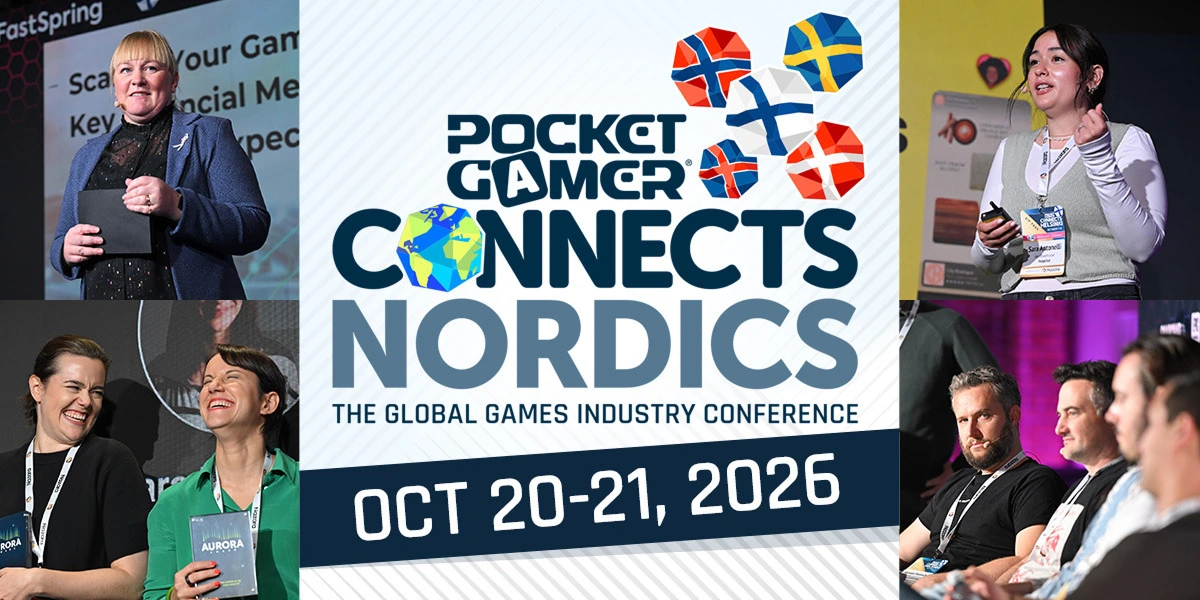
You can continue the AI conversation at Pocket Gamer Connects Nordics in Helsinki on October 20th and 21st, where Ikäheimonen will present 'AI within the Game Industry - Differentiation, Clarification, and Impact'. Toikka ('It's 2026 - Welcome to the Underscope') and Auranen ('The Stories We Don't Tell - Bringing Living Cultures into the Games') are also speaking.
Tickets are available here.
Companies


People


Events
