Mohanad Games on developing in Syria, publishing through the UAE and reaching Syrians abroad

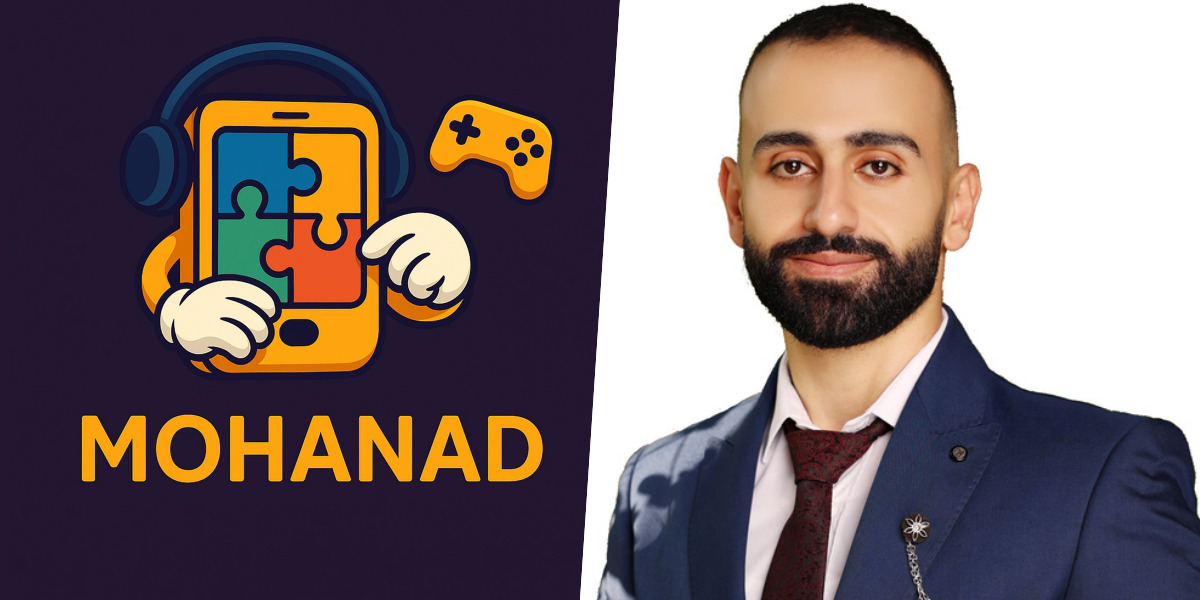
- Mohanad Games is a one-person studio in Syria that develops and publishes mobile games.
- He taught himself programming at 25, starting with Java, and had published games by 2021.
- His estimated cumulative AdMob revenue is over $52,000, not counting the sale of Zain’s Hero Story.
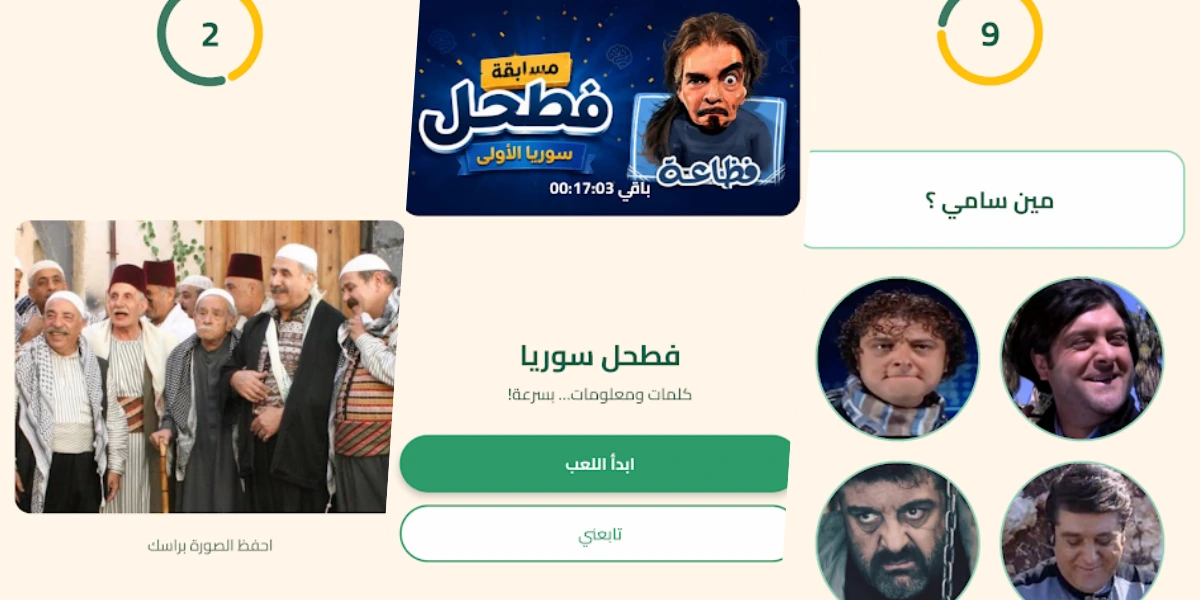
- Fathal Syria has passed 100,000 downloads, with players among Syrians in Germany, Egypt, the UAE and Turkey.
Syria has few game developers, and those publishing from the country have had to work around sanctions that made it hard to access the services they need. Mohanad Games opened its developer account in the UAE for that reason, while the development itself stays in Syria.
Working independently, the developer taught himself to code, built a catalogue of mobile games and has earned an estimated $52,000 in revenue since 2021. His Arabic game Fathal Syria, built on memories of Syrian television, has passed 100,000 downloads.
We speak with the founder Mohanad Attieh, to discuss how Fathal Syria resonated with Syrians at home and abroad, how he tests ideas before committing to them, and what it will take for solo developers in Syria to become sustainable studios.
PocketGamer.biz: Could you tell us a bit about your studio? How did Mohanad Games come about and what are you up to right now?
Mohanad Attieh: Mohanad Games is the name under which I develop and publish mobile games as an independent developer based in Syria. My interest in making games goes back to childhood, when I played educational games on a Windows XP computer and dreamed of creating my own.
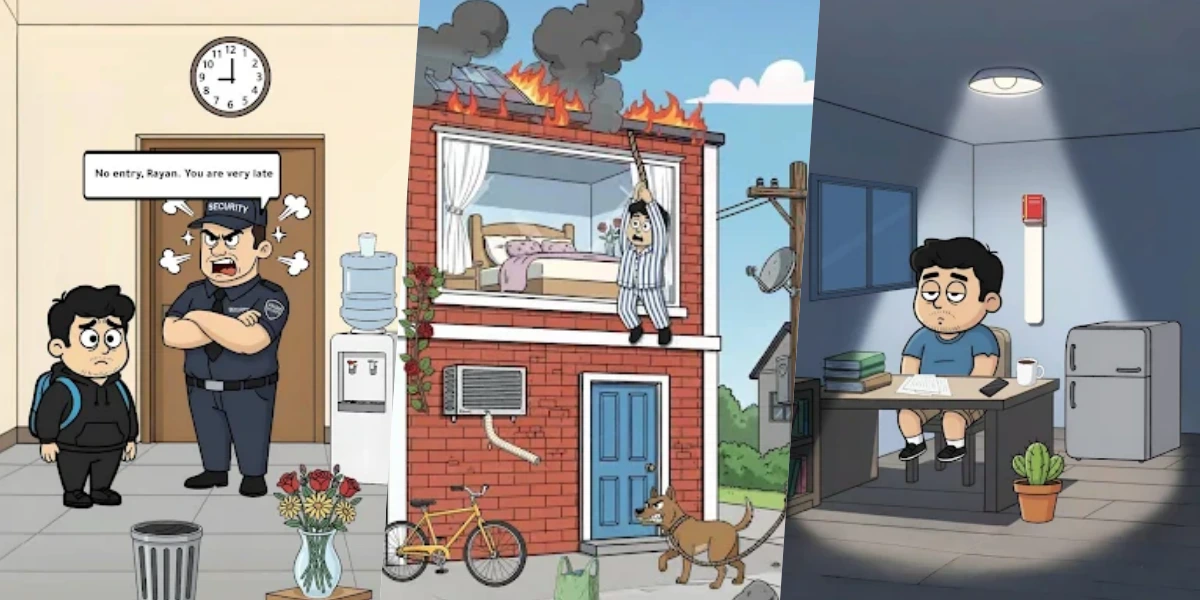
At 25, after several unsuccessful attempts to find work, I began teaching myself programming, starting with Java. I initially built simple mobile applications before moving into games. By 2021, I had published games and was earning advertising revenue from them.
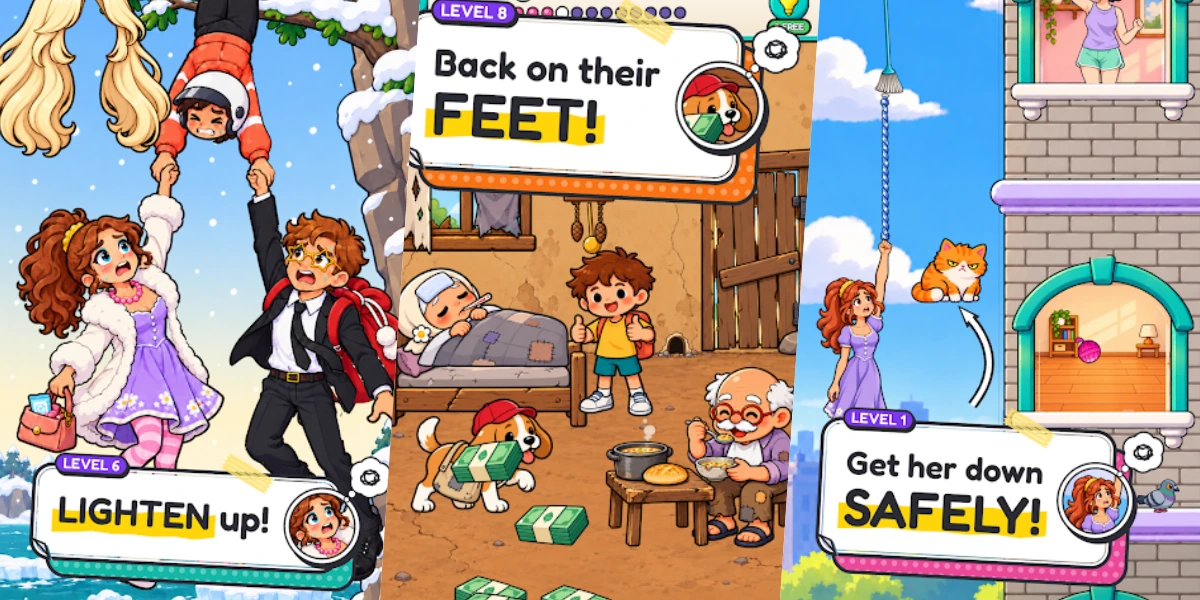
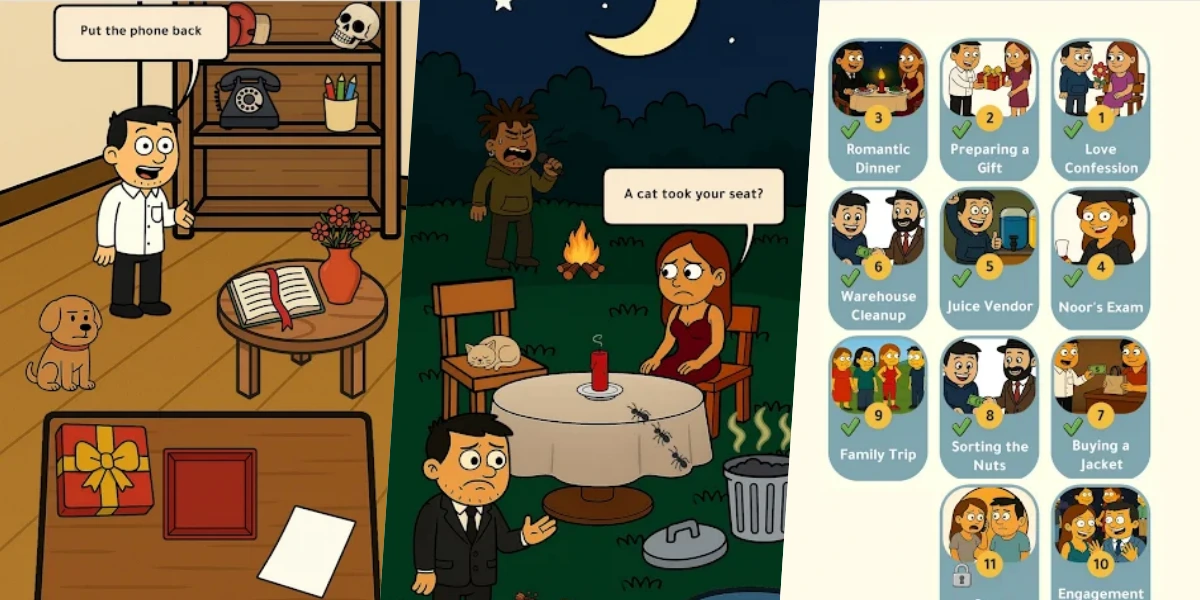
Today, I am working on two parallel tracks: continuing to develop Fathal Syria for Arabic-speaking players, and creating multilingual games for an international audience. I have just launched Think More Think Less, my new multilingual puzzle game, which is now available on the store.
As an indie developer, do you rely on a team for certain projects, or have you always handled other areas like art, music and testing yourself?
Previously, I worked with freelance artists through freelancing platforms to help with the artwork and visual design of my games. These days, I rely on Al tools for that part of the work. For audio, I buy ready-made sound assets online to use in my games.
For testing, I ask family members and friends to install and play my games on their phones. They let me know about any problems they encounter and share suggestions for improving the experience.
I still work independently, but in the longer term, I would like to build a team and establish a game development company in Syria when the right conditions are in place.
Your Google Play listing shows a Dubai address, while you live in Syria. How does operating with a UAE address work for you day to day, and what challenges come with it?
I had to open my developer account in the UAE because the sanctions affecting Syria at the time made it difficult to access the services I needed to publish my games. I continue to live and handle my day-to-day game development in Syria, while maintaining UAE residency to manage the practical business side of my work.
“The most important question I ask myself before developing a new game is: "Can I market this game and get people to download it?"”
Mohanad Najeh Atiyah
This arrangement involves regular travel. I return to the UAE at least once every six months for residency-related requirements, which adds costs that I have to cover to keep my work going.
At the same time, I genuinely enjoy those visits. I have become very fond of the UAE and see the trips as an opportunity to take a break from time to time, rather than simply a business obligation.
Tell us more about your creative process. Your games range from Arabic trivia and crosswords to story-driven adventures. How do you come up with ideas for new games, and how do you decide which ones are worth building?
The most important question I ask myself before developing a new game is: "Can I market this game and get people to download it?" I think specifically about whether its gameplay could make engaging videos that attract views and encourage people to try it.
Seeing similar games generate strong engagement on social media also gives me confidence that an idea is worth pursuing. However, I do not start by building a large game all at once. I begin with a small number of levels and expand based on the results.
For example, Zain's Hero Story launched with just 10 levels. Once it gained traction and started generating revenue, I continued adding more. By the time I sold it, it had around 30 levels. This approach allows me to test an idea and see whether it can attract an audience before investing more time in expanding it.
Fathal Syria has passed 100,000 downloads, which looks like your biggest game so far. Why do you think this one took off? And do you see downloads or reviews from players outside the MENA region? If so, which countries stand out?
I believe one of the main reasons Fathal Syria has resonated with players is its connection to Syrians' shared cultural memories. During the long years of war, many Syrians moved abroad, but they remained connected to their culture and memories, and continued watching Syrian television and drama.
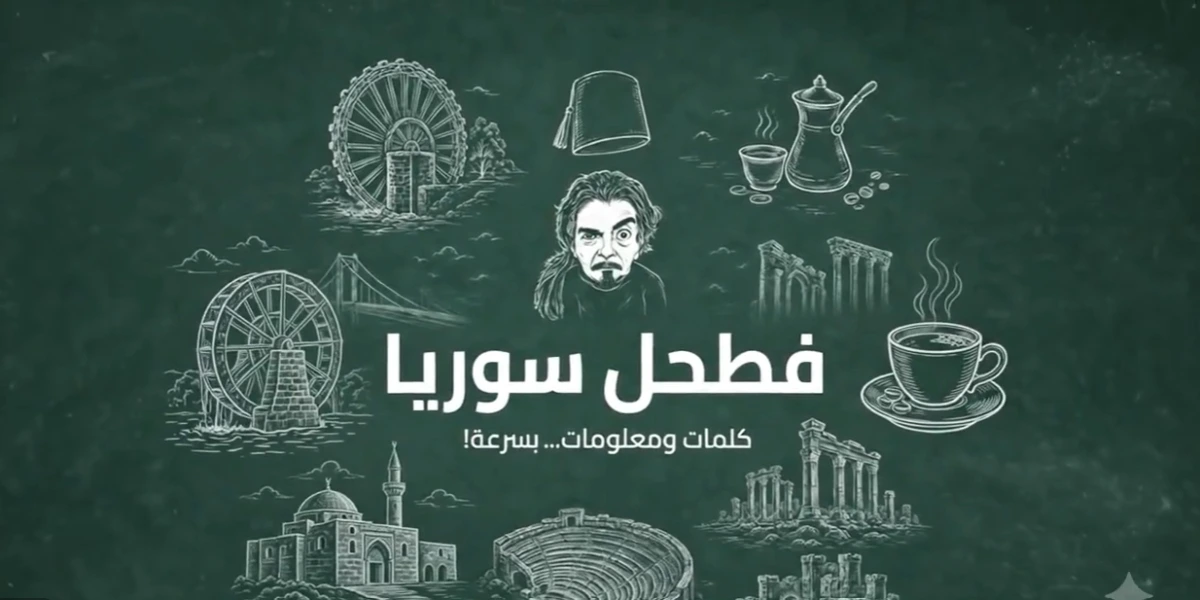
The game speaks to that connection through scenes and characters they know and remember. My audience is therefore not limited to people living in Syria or the Arab region. It also includes Syrians living in countries such as Germany, Egypt, the UAE and Turkey.
Living abroad does not mean they have lost their connection to Syrian content or their interest in it. These are my people and my community, and I believe that shared connection is at the heart of Fathal Syria's success.
And so do you adapt your games for players outside the Middle East, or do you keep them built for Arabic speakers?
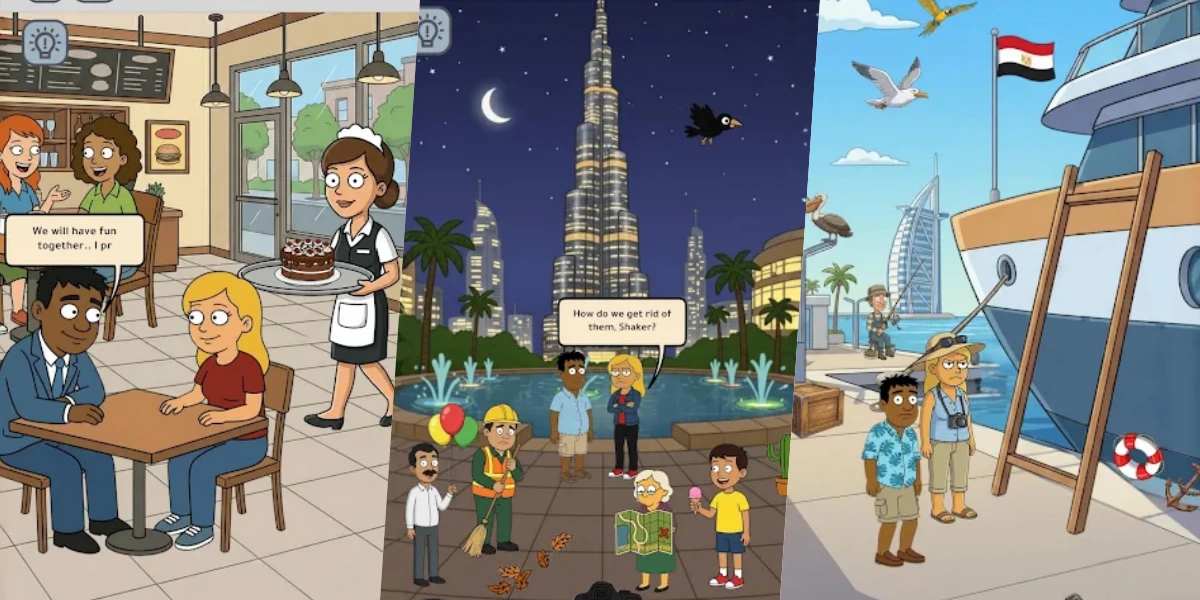
I decide on the target audience from the outset: is the game intended specifically for Arabic-speaking players, or could its concept appeal to an international audience through support for multiple languages? Zain's Hero Story was an example of the second approach, as it supported several languages, including English.
Fathal Syria, on the other hand, is aimed specifically at Syrians and other Arabic-speaking players who enjoy Syrian television and drama. That includes players living outside the Middle East as well. What brings its audience together is their connection to that content, rather than simply where they live.
You've earned over $52,000 from AdMob ads since 2021. Which of your games bring in most of that, and does it include the game you sold?
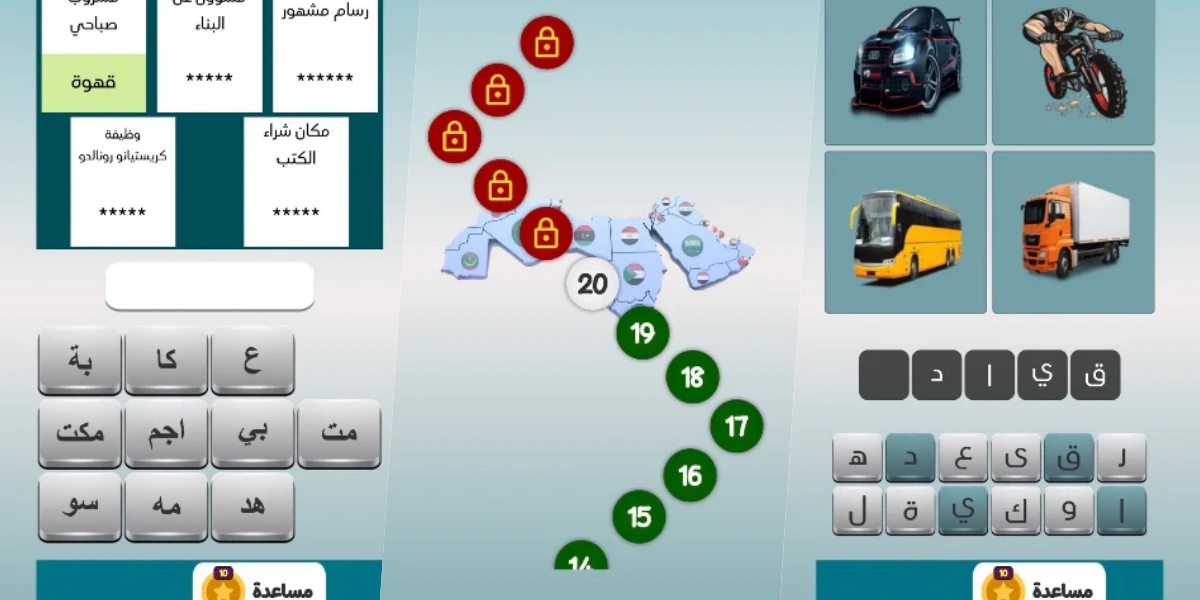
The main contributors have been Kalimat Al Arab كلمات العرب Tariq Al Tahaddi طريق التحدي and Yawmiyat Rayan يوميات ريان along with Zain's Hero Story during the time I owned it, before the sale. The figure of over $52,000 represents cumulative estimated AdMob advertising revenue; it does not include the proceeds from selling the game.
As for my new puzzle game, I am not developing it with a sale in mind from the outset. Selling would be an option to consider if a suitable offer came along, rather than the goal behind the project.
From your own experience, what are some of the opportunities and challenges of building games in Syria?
I see an important opportunity in creating games that connect with Syrian and Arabic-speaking audiences through their culture and shared memories, whether they live in Syria or abroad. My experience with Fathal Syria has shown me how that connection can bring together players across different countries.
“In my view, reliable access to international publishing services and payment systems is essential to helping developers build sustainable studios.”
Mohanad Najeh Atiyah
One challenge I face is low advertising revenue per player, specifically among players located inside Syria. It is important to make that distinction: I am referring to the market within Syria, not to Syrian players generally or Syrians living abroad. That difference matters when considering the commercial potential of a game aimed at a Syrian audience.
Access to international services and payments also remains a practical challenge for me. I hope the remaining practical effects of sanctions and barriers to accessing those services can be fully resolved, so developers based in Syria can use publishing services, tools and payment systems like developers in other countries, and build and manage their businesses from home.
Tell us more about the game development scene in the country. Is there an active community? And what do you think the Syrian ecosystem needs most to help more of these teams become sustainable game studios?
From what I have seen, there are still relatively few game developers in Syria. There are programming communities, including Facebook groups where members share knowledge and experience, but most of the activity I see focuses on web development and mobile applications rather than games.
In my view, reliable access to international publishing services and payment systems is essential to helping developers build sustainable studios. Developers need to be able to publish their games, receive revenue and manage their businesses from Syria, with access to the services available to developers in other countries.
I see removing those barriers as a fundamental step towards growing the game development community and helping individual projects become sustainable businesses.
What are your plans for the rest of 2026 and the coming year? Are there any specific initiatives or projects on the horizon that we should look forward to from you?
I have just launched Think More Think Less, my new multilingual puzzle game, and it is now available on the store. My focus over the coming months will be on promoting it, reaching players and continuing to develop and improve it.
This release is part of my effort to create games for an international audience, alongside my work on titles for Arabic-speaking players.