PGC Summit Montréal kicks off: Here’s what’s on the agenda

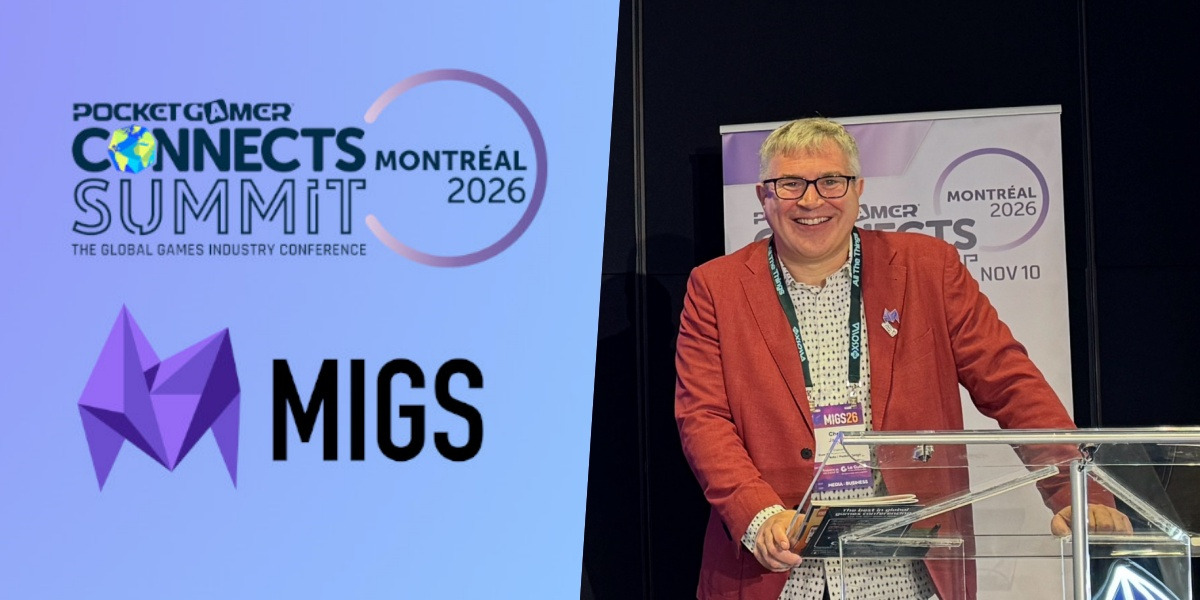
PGC Summit Montréal has officially kicked off at the Grand Quay of the Port of Montreal. It’s our first time running a show in the city and we’re doing it inside MIGS, Canada’s biggest and longest-running B2B games conference. Thanks to our global sponsor Xsolla and silver sponsor Ludia for supporting the event.
If there’s a theme to today, it’s longevity. Lots of our speakers have kept games running for years, rebuilt them, or started their own studios when things went wrong. Here's what's on the agenda.
Global Trends
The morning kicks off with the keynote, moderated by PG.biz's Mariam Ahmad, joined by Xsolla’s Blair Dolson, Koolhaus Games’ Wolfgang Hamann and Noodlecake’s Ryan Holowaty. They’ll talk about finding growth now that player acquisition costs keep going up and about keeping players coming back.

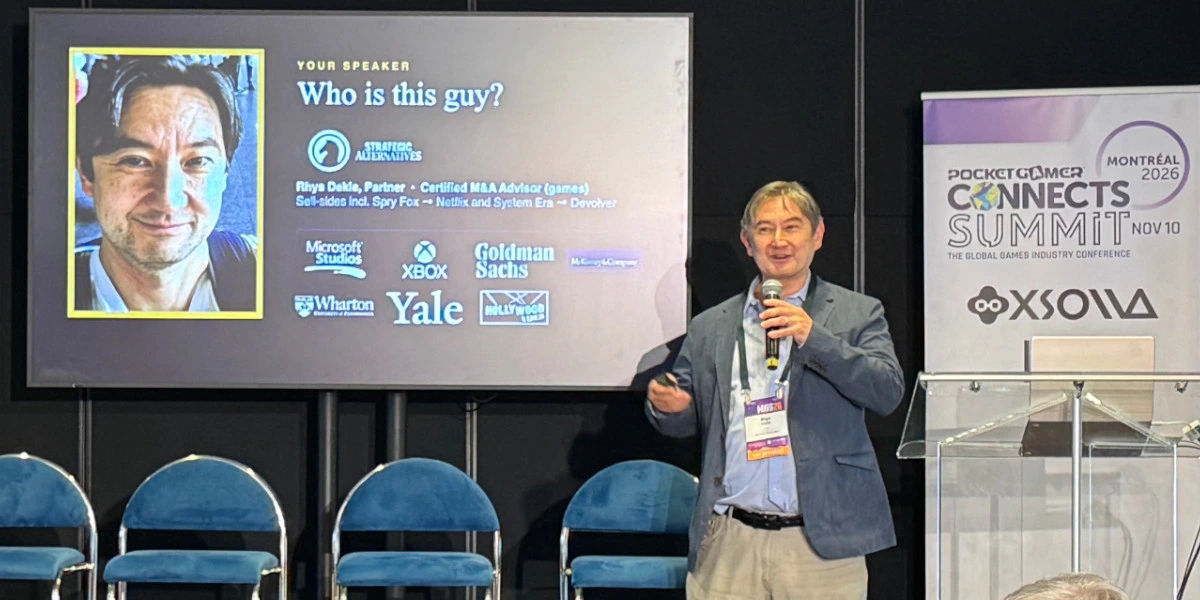
After that, Rhys Dekle from Strategic Alternatives asks a question plenty of founders will want answered. If AI makes your game cheaper to build, does it make your studio worth more? He spends his days on studio sales and acquisitions and he isn’t so sure.
Then, Hyper Hippo’s Alexandre Denault tells the story of tearing down Adventure Capitalist after nine years and rebuilding it from scratch, mistakes and all. Denault previewed the story in an op-ed here. Ludia’s Lucas Labordiere and Karl Dandan follow with what it’s really like to run a game that’s been live for more than a decade.
The Growth Track
Discord’s Anthony Tešija explains how to use a Discord server as a development tool. Ahead of the event, Tešija explained how studios should open, run and grow a server from alpha to live ops - check out his piece here. LoopLight Studios’ Robert Warren then digs into why some games are so hard to put down.
Game Maker Insights
The rest of the afternoon belongs to studio leaders. Wero’s Adam Clare, ALTKEY’s Frederic Tremblay and Phantom Rowboat’s Jon Huffman all share what running an indie studio looks like right now. Huffman's team started Phantom Rowboat when their old studio closed, and he’s bringing real numbers, including the first contract that didn’t pay them.
Sean Wylie-Toal, who worked on The Simpsons: Tapped Out at EA, explains why shipping a game is only the start. Writers from Motive Studio, Reflector Entertainment, Tribute Games and Ubisoft Montreal then talk about writing for characters and worlds someone else created.
To finish: The Big Indie Pitch
We close the day with the Big Indie Pitch, where indie developers pitch their mobile, PC and console games to our panel of judges. It’s a quick-fire format -each developer gets just five minutes per table to convince the judges, including questions. First place takes home the coveted golden bat and second and third place receive certificates.
Over at MIGS
MIGS is running its own Red, Blue and Green stages at the same time, so there’s plenty to see if you wander off. IO Interactive talks about how its studio strategy shaped 007 First Light.
Ghost Ship Games shares the highs and lows of developing Deep Rock Galactic in public. Kitfox Games’ Tanya Short and Clint Hocking of Build Machine Games talk about how to keep a new indie studio alive long enough to pitch.
Tomorrow: MIGS day two
MIGS carries on tomorrow. Alex Massé, who started Paralives on his own and is now taking on The Sims, opens the day. There’s also the MIGS Indie Pitch Competition and a lot of talk about co-development, with Behaviour Interactive, Gameloft Montreal, Virtuos and Keywords Studios among the speakers.
Post-event we'll be releasing plenty of write-ups of the best talks and panels, along with interviews with IO Interactive, Gameloft Montreal and others, so keep an eye out for those.
Companies




Events