Rise of Fearless' Kanessa Muluneh: "Africa shouldn't only be seen as a place to sell games"

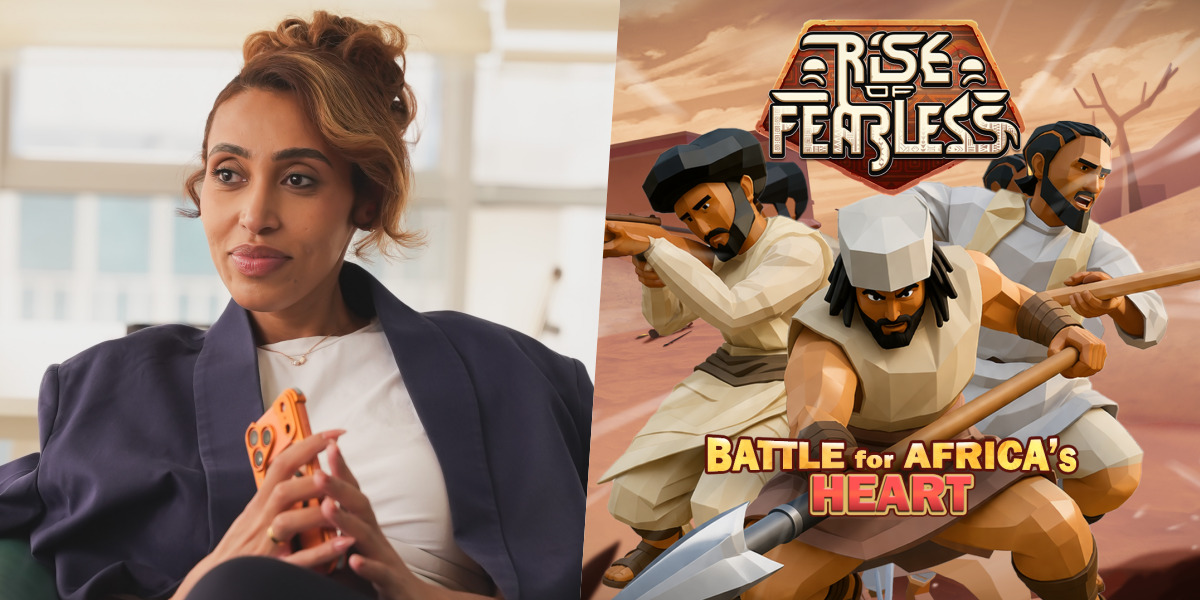
- Rise of Fearless raised $1 million from Mauritius-based Epic Edges Capital
- The game launched on iOS and Android in 2025 and has passed 15,000 downloads. Its biggest player communities are in Nigeria, Ethiopia and South Africa.
- The studio registered the game’s IP in the Middle East because it gave stronger protection than the options available in Africa.
UAE-based Rise of Fearless has secured $1 million in funding from Mauritius-based Epic Edges Capital, as founder Kanessa Muluneh brings in an international team with Ubisoft, PlayStation and Capcom experience to audit and scale the African mobile title.
Ahead of Pocket Gamer Connects Jordan on November 7th and 8th, we catch up with founder Kanessa Muluneh to discuss how she landed $1m after walking away from her original target, why investors keep treating Africa as a single market, and what it will take for the continent to build games the world wants to play.
PocketGamer.biz: When we last spoke, you had been working on Rise of Fearless for more than a year. Where does development stand today and what stage is the game currently at?
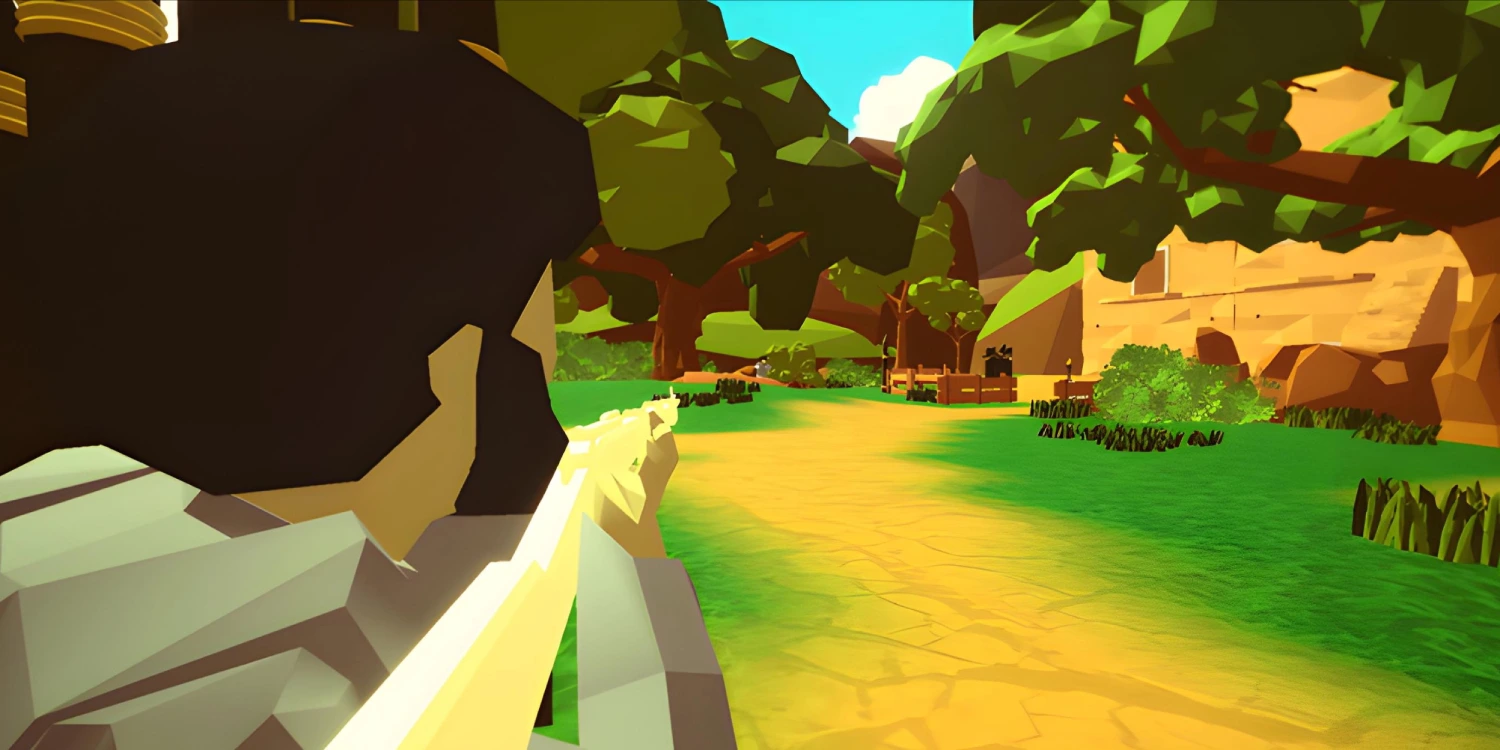
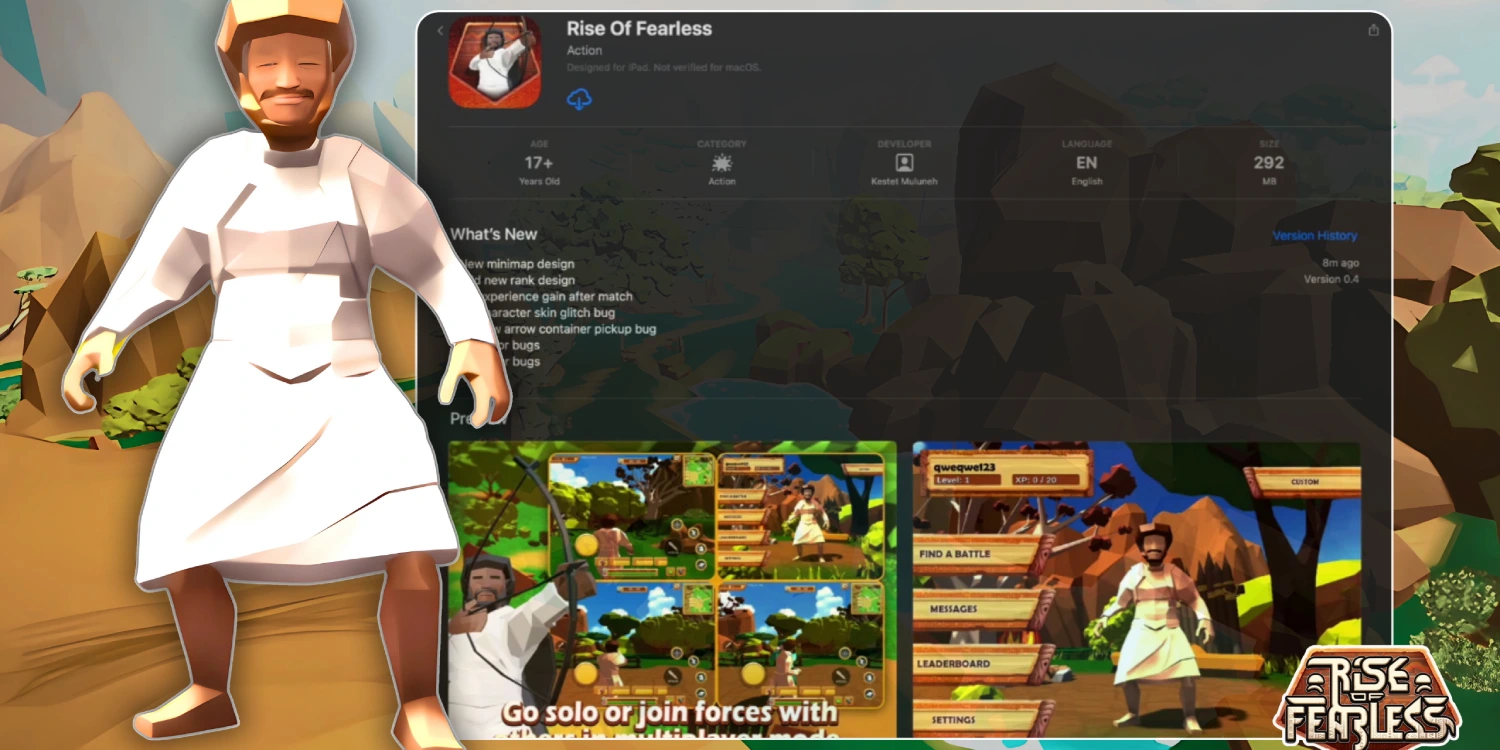
Kanessa Muluneh: Rise of Fearless has continued to evolve. We launched the game in 2025, and it's now available on the Apple App Store and Google Play, with over 15,000 downloads so far. We're now focused on improving the player experience, strengthening the technology behind it, and building a solid foundation for long-term growth.
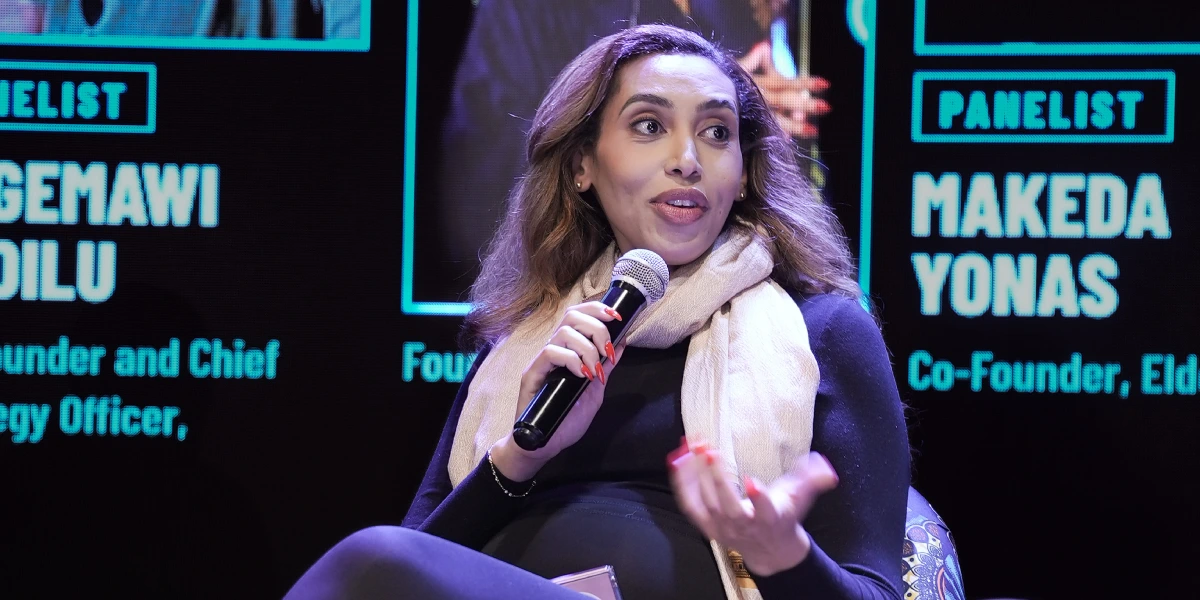
With a knowledgeable and experienced international gaming team now involved, we're in a stronger position to take the game forward. I wanted to build African-owned intellectual property that brings our stories, history, and culture into gaming, while creating something that can compete internationally.
How big is the Rise of Fearless team now, and how has the team changed from last year, including the work you’re doing with the development team in the Philippines?
One of our biggest developments has been bringing in an experienced international team, including gaming professionals who have worked with some of the industry's biggest companies. We've partnered with Miniboss Solutions, led by Adam Krause and TJ Consunji, who bring experience from Ubisoft, PlayStation, 2K, Capcom and Krafton. They're supporting us on the publishing and marketing side.
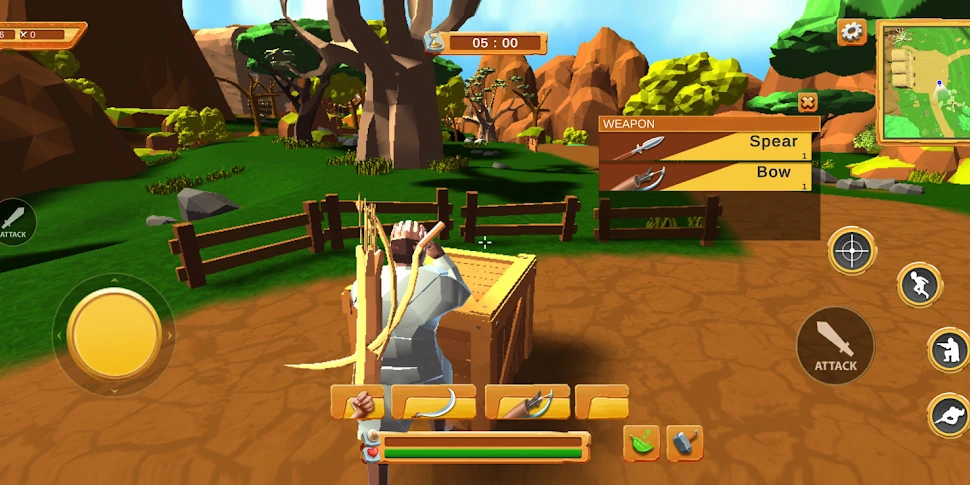
We're also working with Yoshio Osaki of IDG Intelligence on market research and strategy, TQ Jefferson of Trick Question Studios on franchise development and creative direction, and Spectra Studios, which brings triple-A game development and technical art expertise.
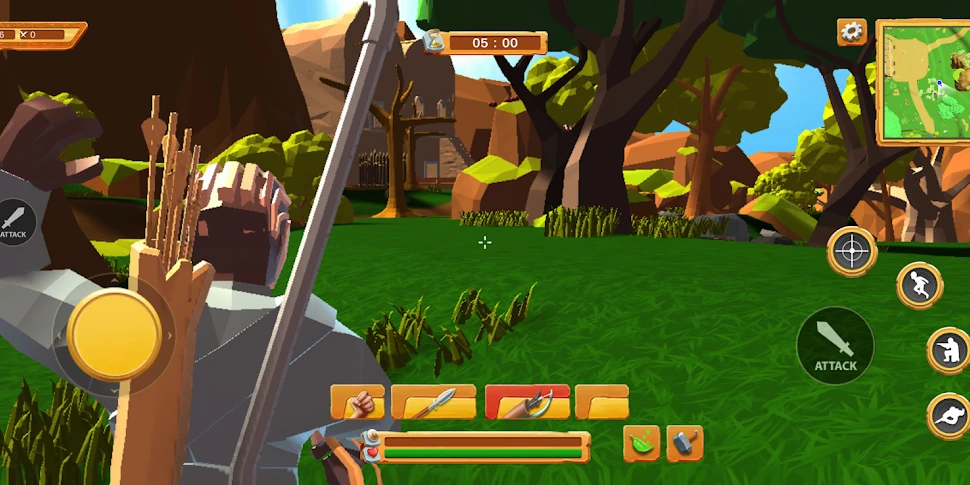
For me, this is a huge step. These are people who understand what it takes to build, launch and grow gaming franchises internationally. Having that level of experience involved changes what's possible for Rise of Fearless. Our development collaboration in the Philippines remains part of the project, but we're now bringing together expertise from different markets to strengthen the game and prepare for a much bigger audience.
What would you say has been the biggest challenges or remaining milestones standing in the way of bringing the game to a much bigger audience?
Since launching in 2025, we've reached over 15,000 downloads, with our largest player communities in Nigeria, Ethiopia, and South Africa. Our next phase is focused on improving the player experience, growing our community, and building a world-class game that can compete internationally.
“I didn’t want to raise capital just for the sake of raising capital. I wanted the right people involved.”Kanessa Muluneh
With our new international gaming team on board, we're currently conducting a comprehensive audit of the game to identify areas for improvement. The findings will help guide the next round of improvements.
One of the biggest challenges has been navigating the differences between African markets, particularly when it comes to payment systems, connectivity and infrastructure. For me, It's about building something sustainable that players will continue to enjoy and that can grow into a globally competitive African-owned gaming franchise.
Last year you announced a $700,000 funding goal, but have now raised $1 million. Tell us more about how the funding came about.
We actually decided to move away from our original $700,000 fundraising target and continued bootstrapping the project until we found the right investment partner. I've always been selective about who I bring into the business. For me, an investor should bring more than money. They need to understand the vision, respect what we're building, and allow us to maintain our creative direction.
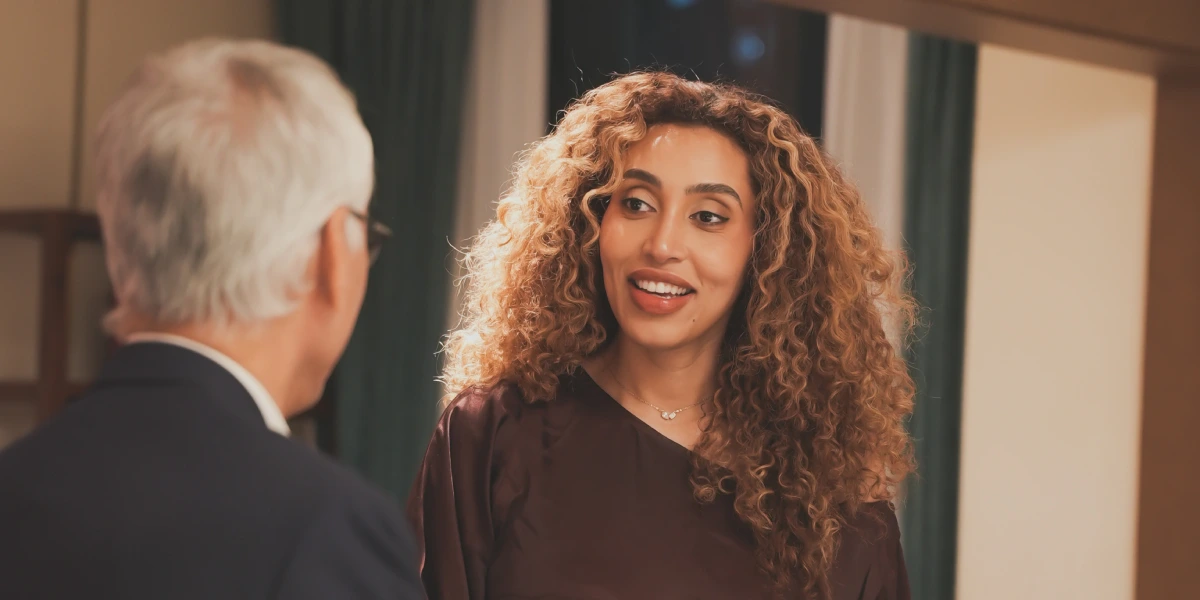
I'm happy to share that we've now secured $1 million in funding from Epic Edges Capital, structured through a Simple Agreement for Future Equity (SAFE). This is a major milestone for us, especially after building the game independently for so long.
The investment will help us strengthen the team, improve the technology and infrastructure, and expand our marketing and community-building efforts. It took time to find the right partnership, but I believe that was important. I didn't want to raise capital just for the sake of raising capital. I wanted the right people involved.
How has the funding landscape changed since you first started raising capital, and where would you agree most of the investment interest is coming from today? Is it Africa, the Middle East, Europe or elsewhere?
The landscape hasn't changed, in my opinion, but my network has. There are investors who have followed my journey and are now comfortable supporting me in reaching my goals with Rise of Fearless.
I've always been transparent about my journey, and I've noticed that raising funds can be as simple as opening up to my network, sharing a solid plan, and answering any questions they might have.
Our investment came from Epic Edges Capital, which is based in Mauritius. The fact that it's based on the African continent makes it even better.
When do you expect Rise of Fearless to become commercially sustainable, and what does the business model look like now?
That's something I can confirm after the initial audit. In the meantime, I'm building up my data bank to better understand how to make the most of every platform, both online and offline.
I'm also meeting with Google and Apple soon to explore the payment gateways they have available, as well as local online payment providers across the continent. We're taking it step by step. Once we have the data we need, we can confidently structure our commercial model.
You’ve described Africa as an overlooked part of the global gaming opportunity. What do you think international companies and investors still misunderstand about the African market, and what needs to change for the continent to become a major games development and publishing ecosystem?
I think one of the biggest misconceptions is treating Africa as a single market. We're talking about 54 countries, each with different consumer behaviours, infrastructure, cultures, economic realities, languages, and so much more. There's also a tendency to look at Africa purely as a growing consumer market rather than somewhere that can develop its own gaming intellectual property.
“Having hundreds of millions of gamers doesn’t automatically translate into the same spending patterns we see in Europe or other established markets.”Kanessa Muluneh
That's something I want to help change with Rise of Fearless. We need more investment in local talent, better access to technical expertise, stronger publishing and distribution partnerships, and importantly, patient capital.
Building an ecosystem takes time. Investors need to understand the markets they're entering rather than simply applying models that have worked elsewhere. Africa shouldn't only be seen as a place to sell games. It should also be a place where globally successful games are created.
Newzoo estimates that Africa will have more than 406m players in 2026, yet the market is expected to generate around $2 billion in revenue. Do you think the industry focuses too much on player numbers and not enough on ability to spend?
Having hundreds of millions of gamers doesn't automatically translate into the same spending patterns we see in Europe or other established markets. We need to look at purchasing power and access to payment systems.
The opportunity is to develop business models that make sense for the audience. That could mean accessible pricing, advertising, local payment solutions, or other forms of monetisation. You have to be creative and understand what works in each market.
With Rise of Fearless, accessibility has always been part of the thinking behind our mobile-first approach. We want to make the game accessible to as many people across the African continent as possible.
We're seeing stronger connections between the African and Middle Eastern games industries. What opportunities do you see for African studios through this relationship, especially in funding, publishing and partnerships?
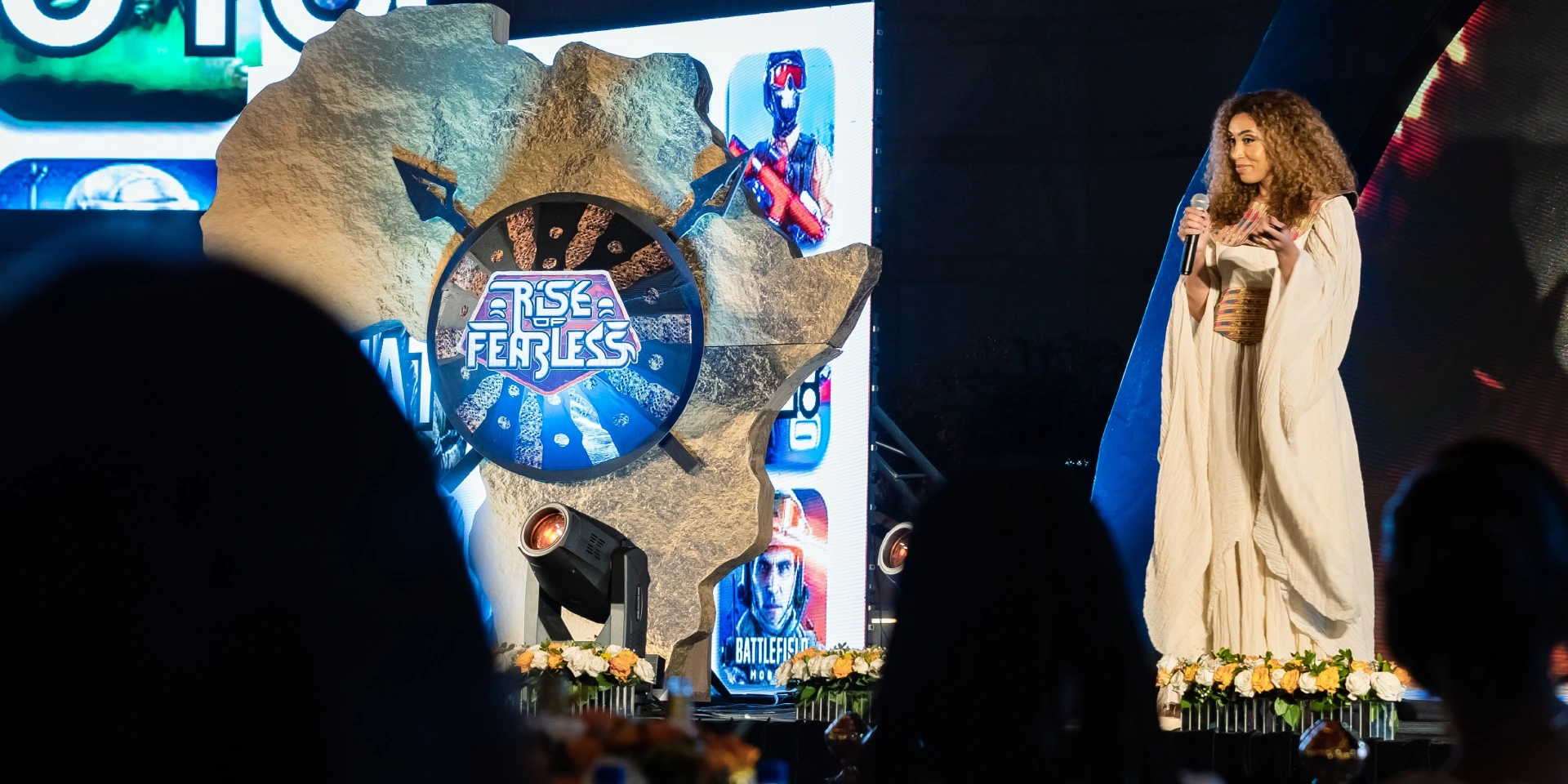
I actually spoke about this on stage at the Global Games Show in Saudi Arabia recently. I see a lot of potential in strengthening the relationship between Africa and the Middle East, particularly because both regions have opportunities to contribute to the growth of the gaming industry.

They also share a long history of connections. The Middle East is making significant investments in gaming, while Africa offers a growing player base. I'd like to see more partnerships where African studios gain access to publishing expertise, technology, distribution networks, and international markets while maintaining ownership of the intellectual property they're creating.
Having spent time in both regions, I see opportunities for greater collaboration and knowledge exchange. For example, we chose to register Rise of Fearless's IP in the Middle East because we felt it offered stronger protection for our intellectual property compared to the options available to us in Africa.
Over the next five years, I'd like to see more African-developed games reaching global audiences through partnerships that create long-term value for both sides.
Can you share anything else you're currently working on, and give us a hint of what to look forward to from you?
Rise of Fearless is actually just one product within a much bigger vision. For me, it's about building something beyond a single game and creating more opportunities for African creators to develop and grow their own intellectual property.