"We were born out of the restructuring of an animation company and we always believed in the power of storytelling"

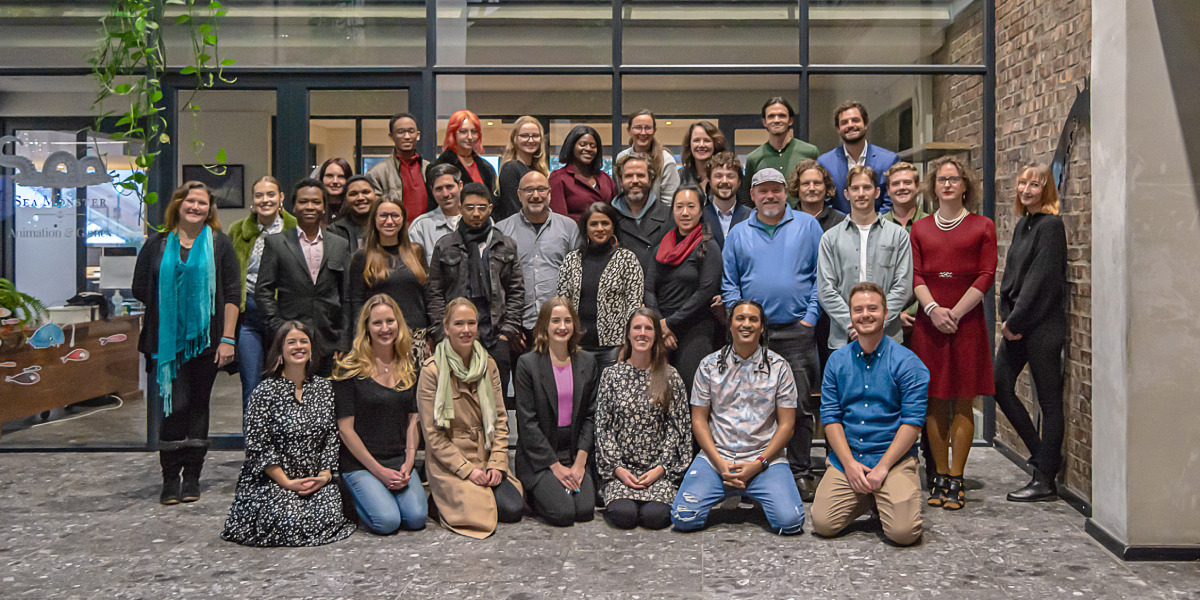
- Sea Monster CEO Glenn Gillis says the science and value behind impact gaming are now becoming much more widely recognised.
- Sea Monster’s long-term ambition is to build more products, businesses and joint ventures around its core vision.
- The studio's entrepreneurship game for The King's Trust International is now fully released across multiple territories.
Fifteen years ago, Sea Monster was born from an animation company restructuring with a belief that games could do more than entertain. Today, the Cape Town-based studio has developed more than 80 impact games spanning education, entrepreneurship, financial literacy and social change.
While the company says the business remains challenging, CEO Glenn Gillis believes the case for impact gaming has become clear, with Sea Monster now “mostly swimming with the tide” as more organisations recognise the role games can play beyond entertainment.
As Sea Monster marks its 15th anniversary, we caught up with Gillis to discuss the studio’s evolution, the changing African games market, its work in entrepreneurship and financial education, and what comes next as it looks towards its 20th anniversary.
PocketGamer.biz: Sea Monster recently marked 15 years. What does that milestone mean for the team?
Glenn Gillis: Incredible validation - and the fact that we're still here. When we started, it was actually clear to us that games were the world's favourite medium and that they could be used in a variety of contexts beyond just entertainment.
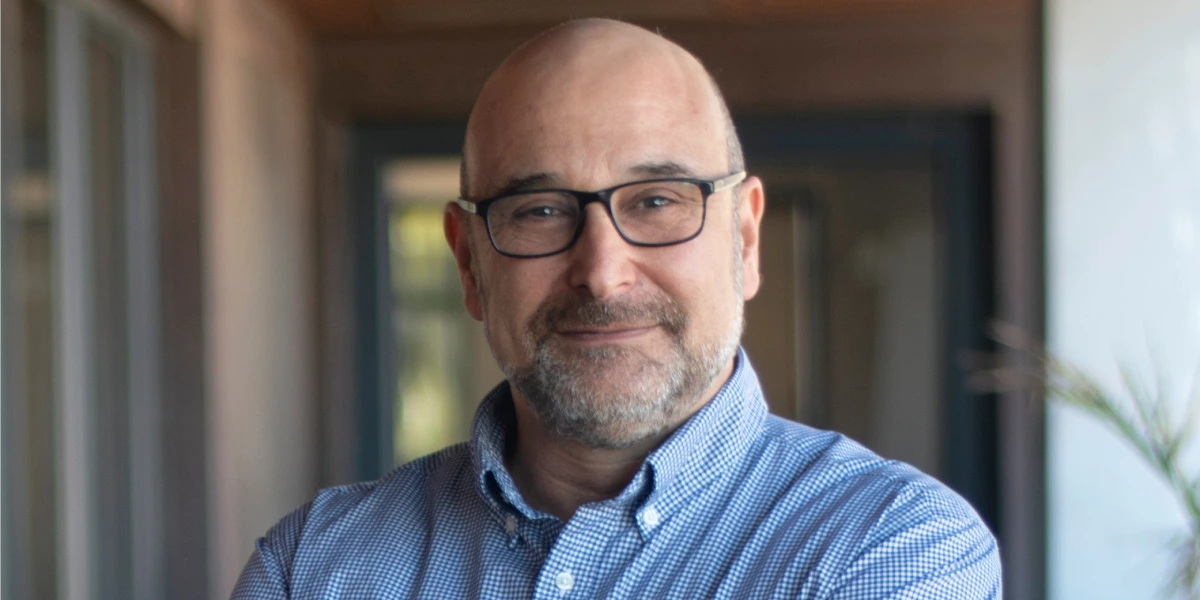
But it's never been easy. It's getting easier now, and we can see that we are now mostly swimming with the tide, not least because the science of what we do has become so obvious and the role of games has never been clearer.
Looking back, how did Sea Monster take shape and what were the early days like?
We were born out of the restructuring of an animation company and we always believed in the power of storytelling - and particularly stories where the player had agency, which is a very rough definition of what makes a game. But we also knew you could do that on an industrial scale - it wasn't just something that happened if you sat around and waited.
“It's that old saying that it takes a village to raise a child. In Africa, it takes a continent to make a gaming business, because you have to develop the whole ecosystem. ”Glenn Gillis
You could actually be very intentional about how you scale the production of games and story, and how you blend the art and science to inspire behaviour change. So in the early days we were always very clear on why we were doing what we were doing and we figured out the how mostly by surviving our mistakes.
In terms of team, vision and scale, how has the company evolved since launch - and what's an important lesson from the past 15 years?
I don't think our vision has actually changed. It's been remarkably consistent over the last 15 years because it exists independently of what we do. It speaks to why we do what we do, and ultimately for us that's about inspiring as many people as we can globally to come to the realisation that they can be authors of their own narrative - that they do not need to be passive recipients of social media, or observers to a world in crisis.
So our why hasn't changed, but certainly our how has changed and evolved as we have built up experience and skills in the niche we occupy. The scale is largely driven by our ability to access predictable demand. What we've seen is that there are supply-side interventions to support the industry, but actually what we really need - not just Sea Monster, but generally - is access to partnerships and markets, because we know that's how you scale an industry.
“Survival for small businesses everywhere in the world is an issue.”Glenn Gillis
In terms of important lessons, it's that old saying that it takes a village to raise a child. In Africa, it takes a continent to make a gaming business, because you have to develop the whole ecosystem. We're creating a category - in terms of impact games - and we're not doing it alone; there are others. But we're doing something much more than just running a business.
I think European and American people don't realise that we've got several of these things happening all at the same time, each of which we need to contribute to so that our business can survive, we can create the depth of talent that we need and ultimately create awareness for games as an instrument for change.
When we spoke last year, you described survival as a real concern for creative businesses. A year on, how would you describe Sea Monster's position today?
Survival for small businesses everywhere in the world is an issue. I think specifically in South Africa and Africa, creative businesses - particularly if it's just a few people together, the smaller studios - have all struggled. And globally, even the big game companies have struggled.
We have just stayed true to what it is we do, and our business model is luckily not reliant on B2C, pure entertainment revenue streams, because I think that would have got us into big trouble. Clearly the global shifts in the political landscape have had a significant impact on business everywhere.
So we're better off than we were last year, but we're not out of the woods - and far from being able to unlock the potential which we know exists in our business, on the continent.
What about the climate resilience game you were considering running through WhatsApp? What happened to the project and what did you learn from developing on a platform like that?
Perhaps not surprisingly, the funding for Climate Resilience has been restricted over the last few years. But of course the climate issues continue, and yes, we are continuing to move that forward slowly, because we know the need is so real - and the evidence is overwhelming that we need to figure out how to build resilience skills in the face of changes in the environment.
“Games remain the perfect mechanism by which we can learn the skills we need to adjust to AI, to a changing environment, and a changing business environment”Glenn Gillis
WhatsApp was fun and it certainly has its advantages as a channel. But we've seen with the development of these interactive AI tools that WhatsApp is only one way of doing it - mobile web actually gives us far more functionality. So while we continue to nurture that project over the next few years, we will continue to investigate ways to build choose-your-own-adventure style narratives, which was the essence of our climate resilience game.
How did the work develop with The King's Trust International on the entrepreneurship game and what are you learning about using games to teach enterprise skills?
One of our proudest achievements this year is that we won the right to build the Entrepreneurship game for The King's Trust International, out of the UK. It cements our position as one of the leading impact gaming companies in the area of entrepreneurship education.
Not least because we love it, we're good at it, and we think the world needs lots of different solutions in this area, of which games is clearly just one. So it's been a huge privilege to work with them on that, and that game is now in full release and being deployed through multiple territories globally.
We're also very happy to say that we tested it in an African context for cultural neutrality and accessibility, something that is baked into every project we work on. Everybody needs a more entrepreneurial mindset in an increasingly challenging world and games remain the perfect mechanism by which we can learn the skills we need to adjust to AI, to a changing environment and a changing business environment.
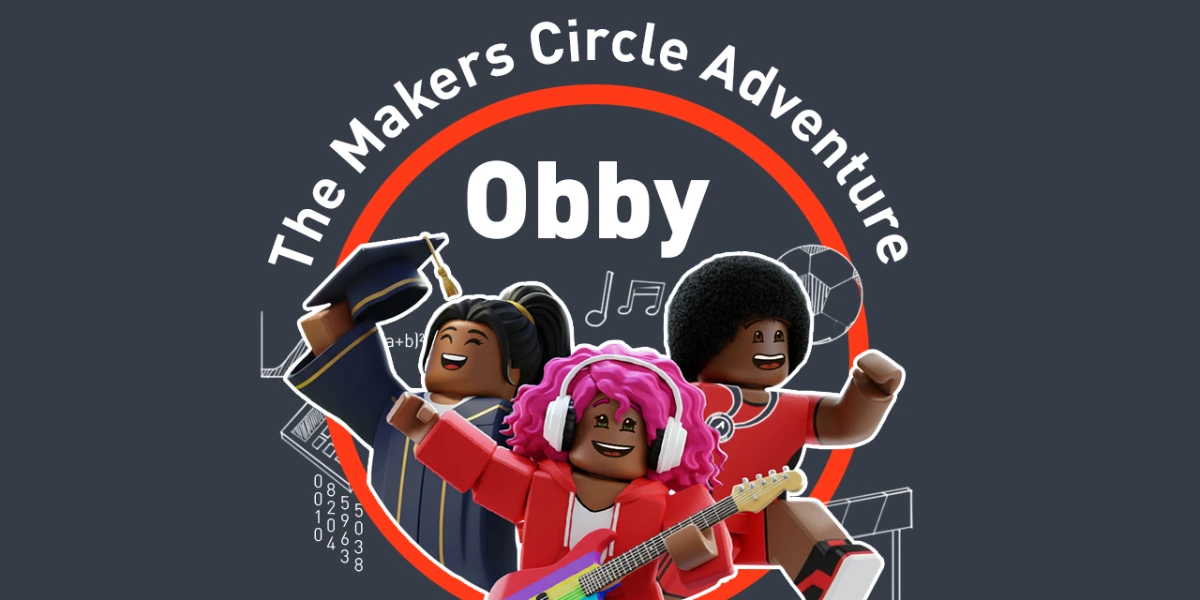
What's striking, and super obvious when you think about it, is that the game loop - try something, gather evidence, adjust your strategy, try again - correlates perfectly with what entrepreneurs need to do in the real world. We can't think of another medium where the message is in the gameplay.
You're practising that entrepreneurial muscle, and all the socio-emotional skills that go with it. We think that's going to be a major driver of our entrepreneurship training globally, and games are perfect for that.
Newzoo estimates that Africa will have more than 406 million players in 2026, yet the market is expected to generate only around $2 billion in revenue. What do you think needs to change for that huge player base to generate more money - and do you think the industry focuses too much on player numbers and not enough on ability to spend?
It's absolutely a combination of three things: Firstly, the ability to pay, which is an economic question - the financial firepower to do so. Then the willingness to pay, which has to do with the cultural relationship between players and games - will I actually pay a dollar, or whatever it might be, to play a game, or do I expect everything to be free? And then the capability to pay, which is a technical issue - can we receive the payment? Can I get paid through the mechanisms players have access to?
As the economies of Africa grow, clearly the market will grow. But there's a lot of nuance in these high-level numbers, which in some sense aren't that useful, because there are huge pockets of growing middle class everywhere, which are sometimes disguised within these figures.
So I think the point is that it's a continent of many countries and many communities, each with its own dynamic around those three things. But it seems inevitable that there would be much higher growth coming out of Africa than out of many maturing markets everywhere else.
Can you share what you're currently working on, and give us a hint of what players can look forward to from the company?
One of the most exciting things we're looking at is how to finally make a much more intimate connection between gameplay and real-world financial decision-making - leveraging our fifteen years of experience in the financial education space, but actually linking it more closely with the journey people take to better understand themselves, understand the economy, and understand accessing funding and markets.
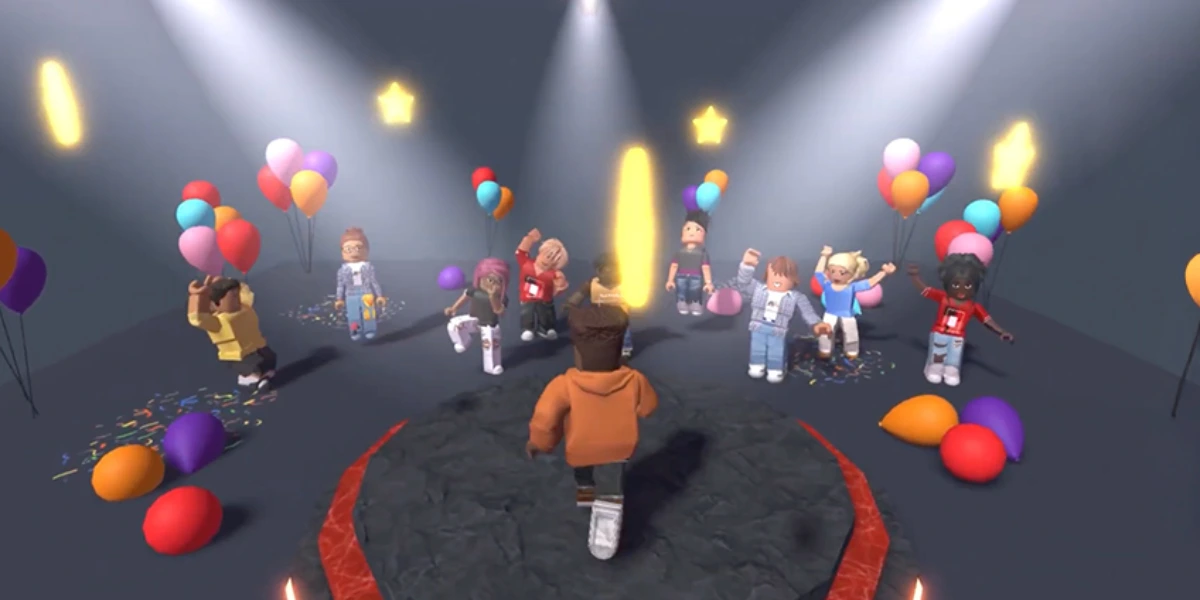
I think that in the next year, because of the overwhelming need that exists for economies everywhere to support small businesses and creative businesses, a lot of serious money is going to come into this category - and it's not going to come from the games industry.
It might come from banks or credit providers, or other sources, because there's such a mismatch between the sources of funding and the need for funding, which would create jobs and economic participation for so many. In this highly disrupted world, the reality is people still need access to funding, they still need to know themselves - and games are the way. So watch this space; we will have more to share shortly.
When Sea Monster reaches its 20th anniversary in 2031, what do you want the company to have achieved by then?
I can't believe 2031 is only five years away - frightening. My biggest dream is that Sea Monster exists beyond the founders. Ultimately, like any small business, if it can't survive beyond the passion and drive of the people who started it, then it hasn't really created a legacy. I'd love to see Sea Monster existing separately from me and the other founders.
I'd love to see us having various stakes in related businesses. [Custom-built] impact gaming on a service basis is always going to be tricky, so if we can build more products, more businesses, more joint ventures - I'd love to see several parallel businesses that all support the same vision.
And ultimately what I'd really love to see is that we stop talking about the potential of the games industry in Africa. That we have a vibrant, growing ecosystem where we are developing real talent, offering real career opportunities, competing amongst the very best in the world - and solving real problems in a way that is fun, engaging and experiential.
Companies

People
