Global Game Jam's Maria Burns Ortiz: "We compare our first drafts to other people's finished products"


- Micro Missions aims to bridge the industry's experience gap through paid, short-form projects.
- Micro Missions pays $50 to $100 for art/audio tasks and $25 to $50 for QA, completed within 48 hours.
- GGJ targets 25+ studios, 500+ participants and up to 2,000 paid projects in year one.
- Burns Ortiz argues emerging markets lack investment - not talent or creativity.
- The programme hopes to turn small freelance tasks into long-term industry careers.
The games industry has spent years talking about the next generation of developers. But for many aspiring creators, particularly outside traditional development hubs, the hardest part isn't learning the craft - it's getting that first opportunity.
That's the problem Global Game Jam hopes to address through Micro Missions, a new initiative launched alongside Endless Foundation that connects indie studios with emerging developers through paid, task-based projects spanning art, audio and QA testing.
Rather than asking newcomers to compete for full-time jobs with little professional experience, the programme offers short assignments to be completed within 48 hours, helping participants build portfolios while providing studios with production support.
We caught up with Global Game Jam executive director Maria Burns Ortiz to discuss why the programme exists, how Africa is central to its ambitions and why access - not talent - is still the industry's biggest challenge.
Lowering the barrier to entry
For Burns Ortiz, one of the biggest obstacles facing new developers isn't a lack of talent - it's the industry's reliance on previous experience and personal connections.
"There's this big frustration that I felt existed around people wanting you to have experience or they want you to have connections or they want you to have work that you can show," she says. "But when you're starting out, you don't have any of that. So the goal of Micro Missions is to help democratise or level that playing field.”
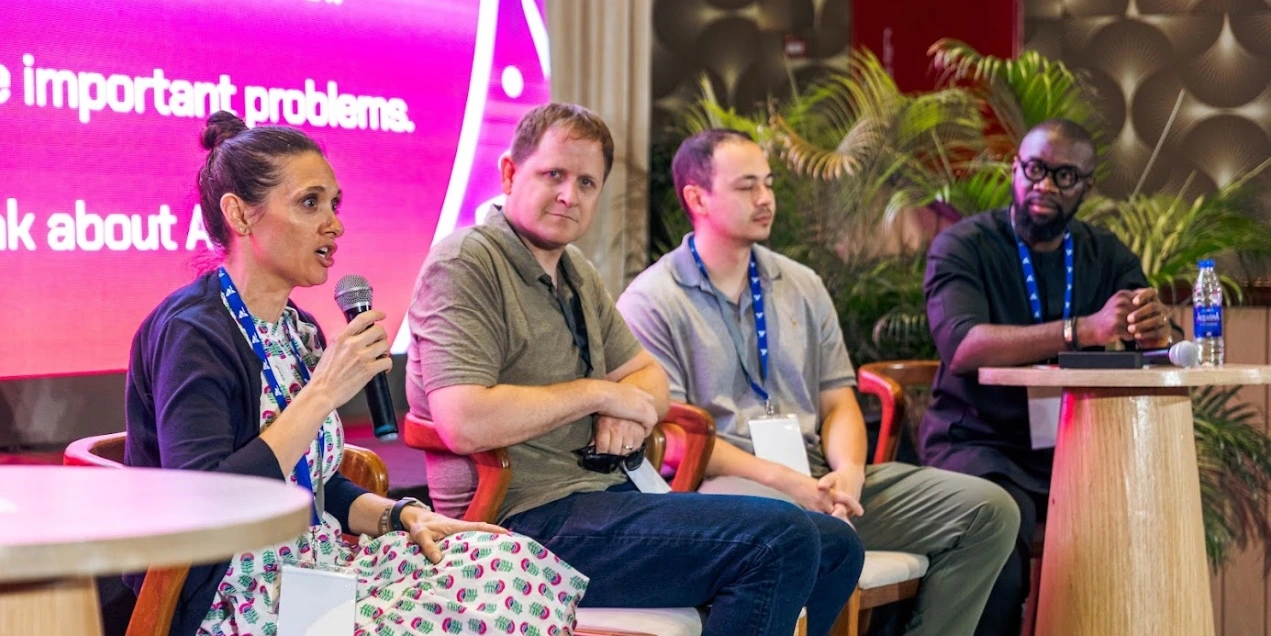
Beyond simply paying contributors, Burns Ortiz believes the programme gives newcomers something far more valuable: experience working within someone else's creative vision.
"The really key part of it is it's not just your artwork showing what you can do," she explains. "Really in this industry, a lot of it is: can it fit within the world of my game?"
The initiative also benefits studios, particularly smaller teams that often struggle to identify reliable freelancers outside their existing networks. By acting as an intermediary, Global Game Jam hopes to reduce some of that uncertainty while introducing developers to talent they may never have discovered otherwise.
Looking beyond established markets
When Burns Ortiz took over Global Game Jam two years ago, she began looking beyond regions where the organisation already had a strong presence and instead focused on markets still building their ecosystems.
“The future is here in some cases and people just need to start taking notice.”Maria Burns Ortiz
"Often people talk about underserved markets and they tend to think these underserved markets don't have potential. The reality is when you look at the space, underserved means they haven't been served. That's where opportunities are."
For Burns Ortiz, Africa sits alongside India, Latin America and Southeast Asia as regions where future industry growth is already taking shape.
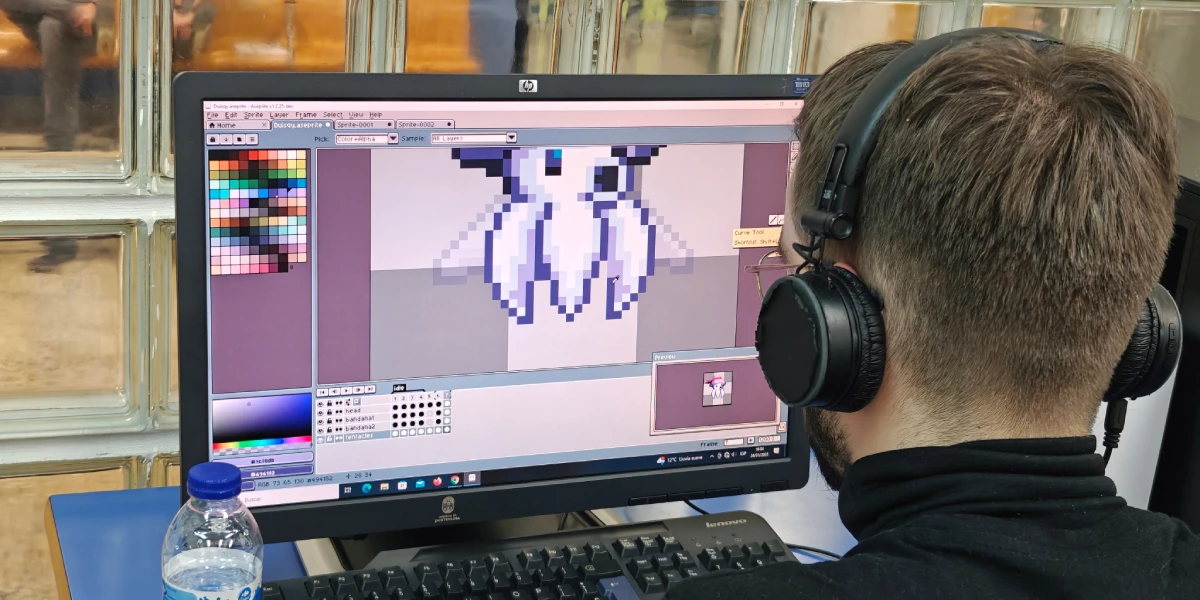
"The future is being built today," she says. "We can support that growth, we can help accelerate it, be part of it in our small way, working with all the folks on the ground.
“So for me it's very much about making sure we can provide access to all of those markets that we keep talking about will be the future. The future is here in some cases and people just need to start taking notice.”
The programme currently supports participants anywhere PayPal payments are available, allowing developers from countries including Nigeria, Peru and India to work with studios around the world while gradually building professional networks that have traditionally been driven by referrals.
Talent alone isn't enough
While Micro Missions creates new entry points into the industry, Burns Ortiz acknowledges it cannot solve every challenge facing emerging markets.
When asked about the barriers preventing African developers from turning game jam projects into sustainable careers, she points to investment rather than creativity.
"The talent exists and the creativity exists, but it's hard to do that without money."
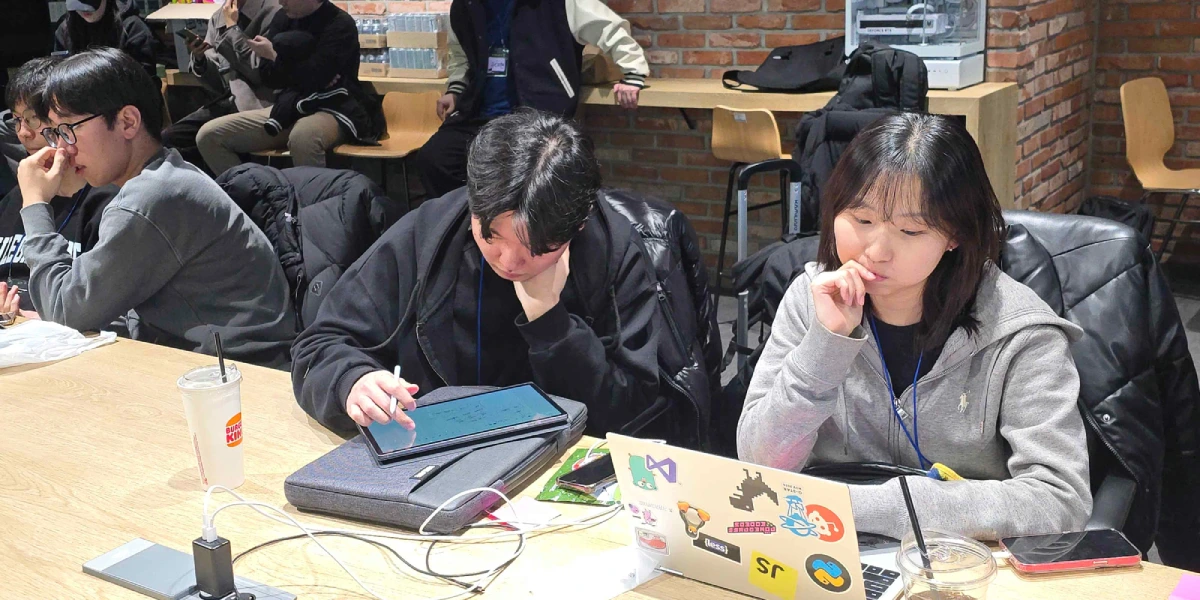
Burns Ortiz argues that comparisons between African studios and developers from more established markets often ignore the vast differences in available funding.
"What could somebody do with $2m or $5m in funding versus what someone is doing with maybe $100,000? It's not a fair comparison."
“Building out your portfolio, getting better, learning - that I think is the key to success and what ultimately sets folks apart.”Maria Burnz Ortiz
Although she believes investors are beginning to pay greater attention to previously overlooked markets, Burns Ortiz says there remains a significant gap between recognising opportunity and committing capital.
"There's a big step between starting to look at those markets and then investing in those markets."
Beyond investment, she also believes the industry needs to demonstrate that game development is a viable profession, not simply a hobby, particularly in communities where families may be unfamiliar with careers in games.
One mission at a time
Over the next year, Global Game Jam expects Micro Missions to support at least 25 indie studios through microgrants worth up to $2,500 each while generating between 1,500 and 2,000 paid assignments for more than 500 participants worldwide.
Individual payments are intentionally modest, with art and audio contributors earning between $50 and $100 per assignment and QA testers receiving between $25 and $50. Burns Ortiz argues that the real value lies less in the payment itself than in the experience, portfolio pieces and industry connections participants gain.
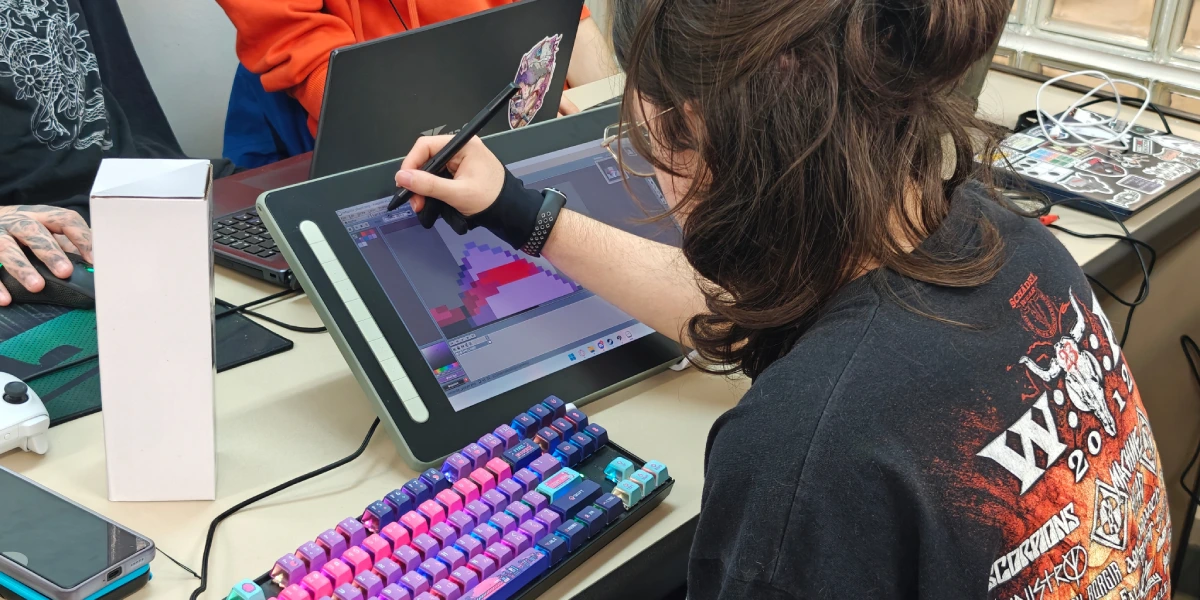
Looking ahead, she hopes the programme evolves into something larger than individual assignments. Participants will be able to opt into a growing talent network that studios can revisit when searching for freelancers or QA testers, creating longer-term pathways into professional game development.
For developers just beginning that journey, Burns Ortiz says every developer starts somewhere and that building a strong portfolio, embracing failure and remaining persistent are what ultimately set successful creators apart.
"We compare our first drafts to other people's finished products," she explains.
“When you're playing a game, you expect to lose or die or encounter challenges. And yet when we go out into the workforce or in school, failing is the worst thing that could happen. But in games, that's how you get better and move forward. And so I think that's my advice for young folks.
“It's never as easy as it looks. Even for people who make it look easy, it was hard for them too. Building out your portfolio, getting better, learning - that I think is the key to success and what ultimately sets folks apart.”
Companies

People