WOLF Qanawat on cutting churn with games, the three-persona system and building for a majlis-first audience

- WOLF Qanawat's Gaming Hub reached 3.66m in-app gaming sessions by February 2026, acquiring 66,500 new users.
- Churn dropped 10 percentage points, from 27% to 17%, over the same period.
- A third of users play across multiple games rather than sticking to one title.
- Golden Goal, its World Cup activation, took about six months from concept to launch, with the game itself built in 3 months.
Wolf Qanawat's Gaming Hub started in mid-2025 as a simple add-on to a live audio app used by Arabic-speaking users across MENA. It has since grown into one of the app's main features, cutting user churn from 27% to 17% and bringing in 66,500 new users through games alone.
We speak with Wolf head of games Neil Casini about why a third of users now play more than one game, how the platform built its World Cup game Golden Goal in just three months and why he thinks games work best when they get people talking, not when they pull attention away from the conversation.
PocketGamer.biz: Could you tell us a bit about Wolf Qanawat and what you’re up to right now?
Neil Casini: WOLF Qanawat is the premier live audio entertainment and social networking platform tailored specifically for the Arabic-speaking digital community in the MENA region. We’ve built a vibrant ecosystem where users chat, host live podcast-style shows performed on virtual audio stages, build close-knit communities, and now, enjoy playing games together.
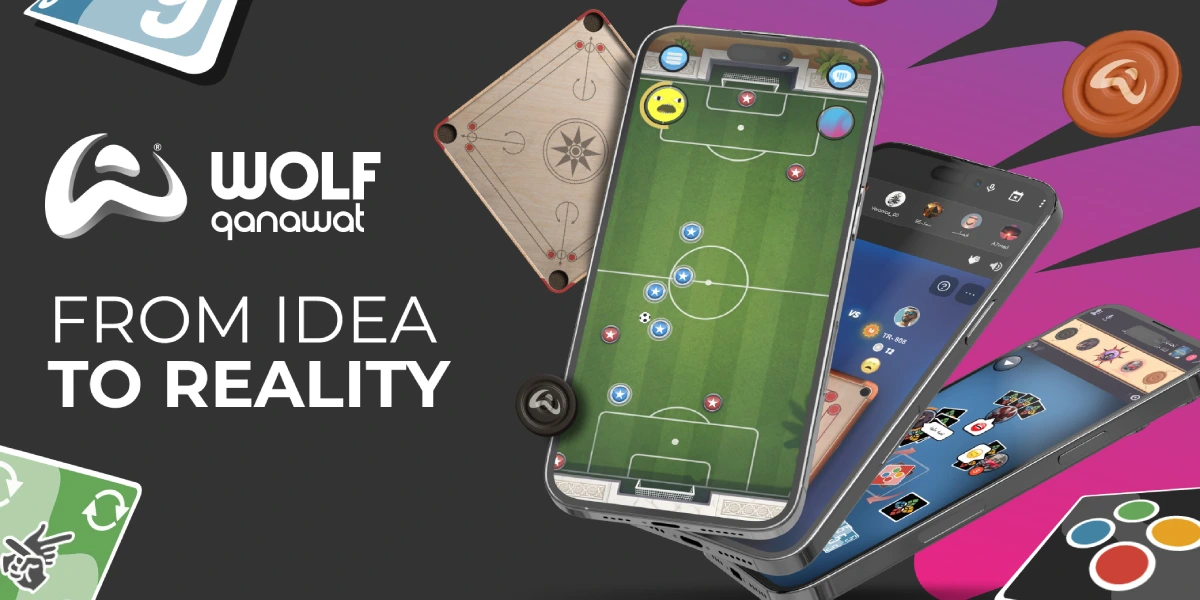
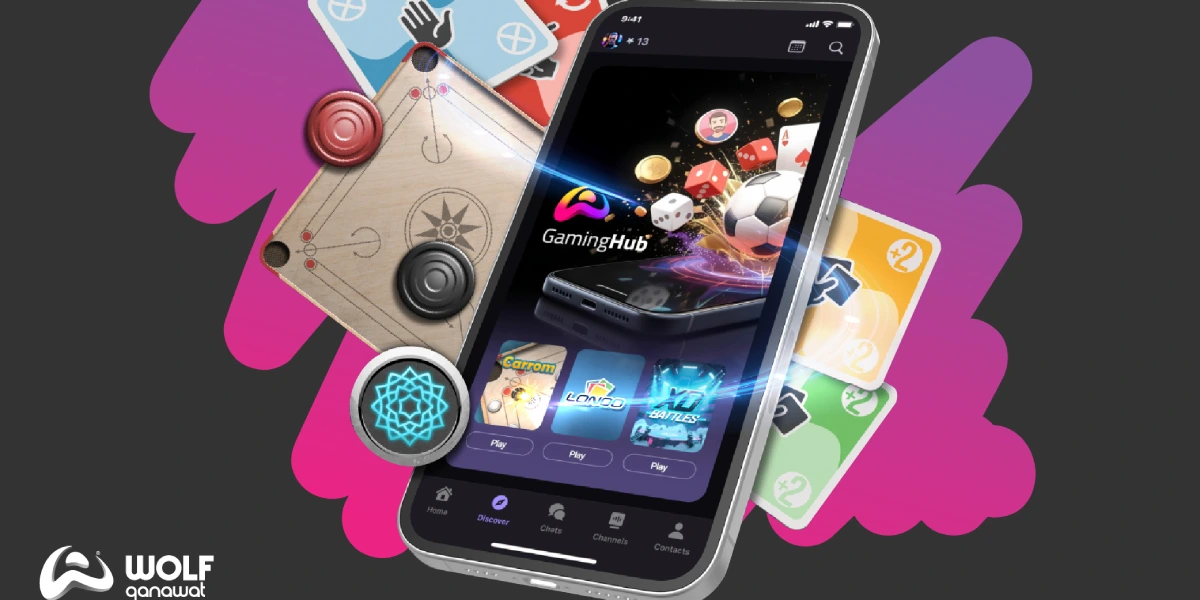
My focus as head of games is driving forward the line-up of games in our Gaming Hub, which we launched in mid-2025. We are expanding it from a feature into a core pillar of the platform. We’re integrating heavily gamified, multi-player experiences that act as natural social icebreakers directly within our audio channels.
Crucially, a major part of this strategy leans into our core expertise: facilitating large-scale, team-based activities. We enable macro-level community competitions, designing experiences where entire channels and established mini-communities can compete against each other for ultimate bragging rights. This creates an incredibly powerful layer of tribal loyalty and organic retention that is unique to WOLF.
How do you decide which games to bring into the Gaming Hub, and what does the integration process look like from your side?
Our game selection process is entirely driven by cultural relevance and social mechanics. We look for multiplayer games that naturally foster friendly banter, competition, and connection. This is precisely why we launched with Carrom. It has massive cultural significance in the Middle East and is often played during social gatherings and Ramadan.
We deliberately design or adapt experiences requiring two to four players to ensure interaction is high. Sitting on top of Qanawat, our Unity-powered games plug into a foundation layer that provides seamless integration with all of Qanawat’s backend microservices.
The hub reached 3.66m in-app gaming sessions by February 2026, with 66,500 new users acquired. What drove that and did it meet your projections?
These numbers completely smashed our initial internal projections and heavily validated our core thesis: gaming is the ultimate engine for social bonding. What drove this explosive engagement is the fact that our games do not exist in a silo. We embedded the Gaming Hub directly within our existing community channels.
“We don't view audio and gaming as two competing buckets fighting for budget; we see them as an indivisible, symbiotic unit.”Neil Casini
Users don't have to choose between playing a game or hanging out with their friends; the intelligent chat and audio features co-exist seamlessly with the gameplay. For the 66,500 new users we acquired, entering a quick, low-friction game acted as the perfect, low-pressure onboarding ramp into the wider Wolf Qanawat community.
Churn also dropped from 27% to 17% over the same period. How much of that do you attribute to the Gaming Hub?
A massive portion of that 10% drop in churn is directly attributable to the Gaming Hub. In the social and mobile spaces, long-term retention relies on a sense of belonging. Live audio content gets users through the door, but interactive gaming anchors them into real friendship groups. We specifically designed our system so that when a game session ends, players are deposited right back into a highly social area of the WOLF Qanawat community.
This deliberate design gives users an immediate off-ramp into deeper conversations and relationship-building. Once a user establishes a regular gaming circle on the platform, they cease to be a passive observer - they become an active part of the community, which dramatically lowers churn.
A third of users are playing across multiple games rather than sticking to one title. Was cross-game engagement something you designed for deliberately?
Absolutely. Right from the start we knew we wanted a diverse library of titles to cater for a two-pronged strategy. Firstly, we wanted to give our users the games they were asking for and, while delving on that particular need, it simultaneously moved us towards market parity.
Suddenly, there was no need to go elsewhere to play. Secondly, we have an ambition to mix things up and provide brand experiences that will be unique to Qanawat. The relationship we have with our users helps us to quickly test our ideas and see what resonates and, just as importantly, what doesn’t.
Wolf Qanawat is fundamentally an audio community platform. How do you approach designing games that serve community engagement rather than competing with it for user attention?
Coming from a traditional triple-A and mobile background, this is one of the most fascinating design puzzles I’ve worked on. The trick is treating the game not as a distraction from the conversation, but as the catalyst for it.
To this end, we maintain a three-persona strategy with every game we create; an approach naturally afforded to us by the existing Wolf Qanawat feature set. With the game providing our ‘Players’, the Audio Stage providing our ‘Commentators’ and the Channel members providing our ‘Audience’, we have a perfect setting for community tournaments, eSports and GameShow events.
By avoiding design loops that demand absolute, undivided visual focus and instead designing mechanics with a low cognitive load, we provide ample "airtime" for verbal banter, messaging, gifting and interaction across all three personas.
How do you balance investment in the Gaming Hub against the platform's core audio entertainment product? Where does gaming sit in your broader product priorities?
We don't view audio and gaming as two competing buckets fighting for budget; we see them as an indivisible, symbiotic unit. Audio is the voice and soul of WOLF Qanawat and gaming is the interactive engine that keeps people talking. Because of our backend strategy, balancing investment has been remarkably efficient.
“In the MENA region, gaming is intensely communal. It's a digital extension of gathering in a physical ‘majlis’ meeting place or cafe.”Neil Casini
By partnering with Edgegap for automated multi-cloud management, we operate on a highly cost-effective, user-based pricing model. This keeps our operational overhead incredibly lean, allowing us to aggressively drive game development without diluting resources from our core Wolf Qanawat roadmap.
How do you use prototypes and user feedback during development? At what stage does community input actually shape the direction of a game?
Our community helps shape everything we do right from the outset. We boast one of the largest volunteer networks with over 2,000 dedicated users that we can directly communicate with. Combined with pools of dedicated Beta testers, everything we build is validated before we write a line of code. As such, our feedback loop is significantly tighter than a traditional games studio.
We introduce new games into our core community Channels and Verified Gaming Channels first, allowing us to gain valuable feedback at a wider scale. This ‘soft launch’ approach allows us to capture and react to hugely valuable data for any final balancing or bug-fixing across the wide device coverage this provides.
Golden Goal has launched for the World Cup. How far in advance does a time-sensitive activation like that need to be in development and what happens to it after the tournament ends?
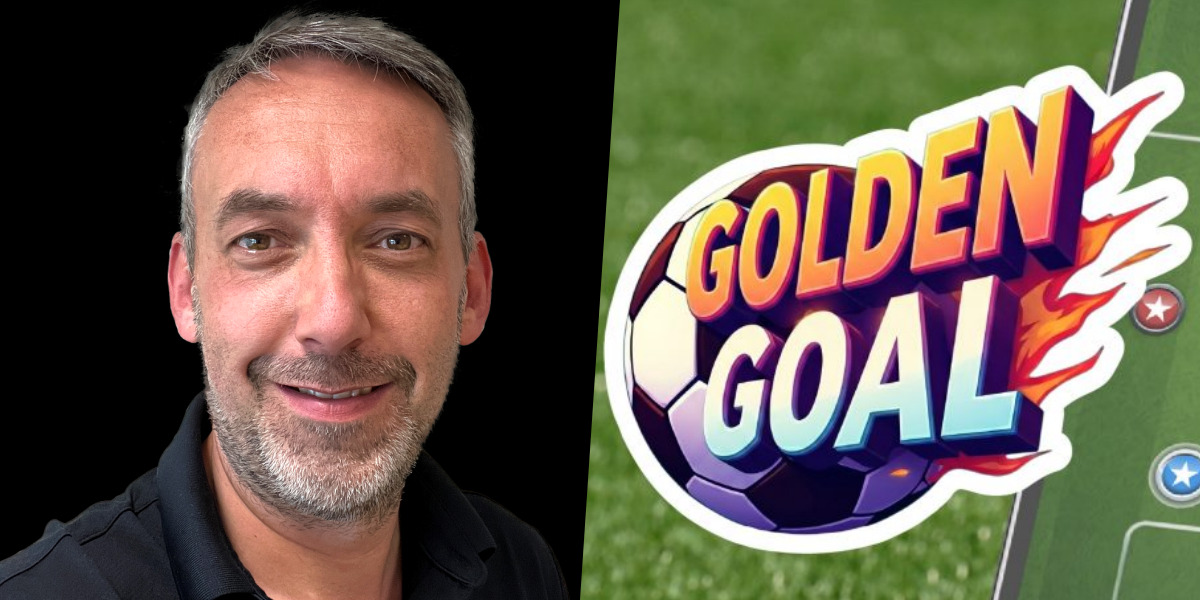
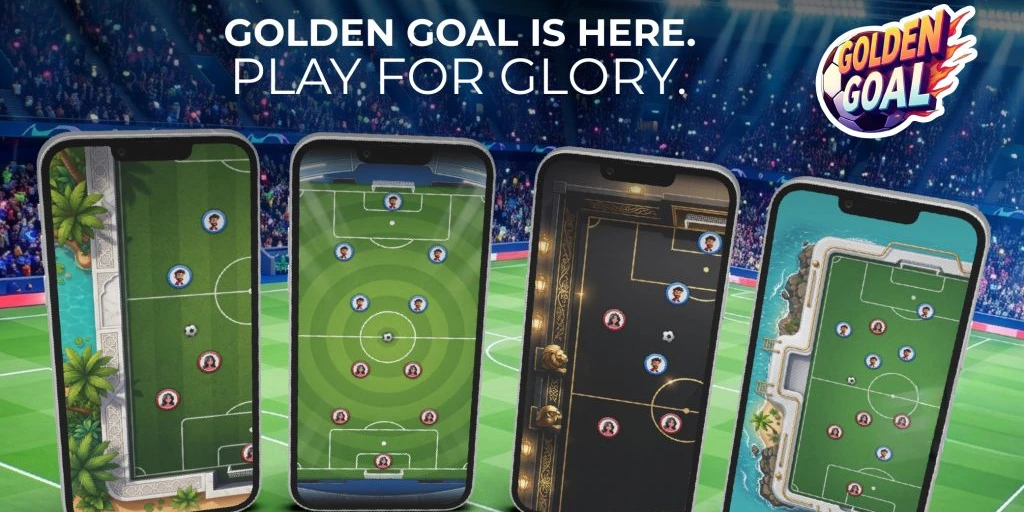
For an event with the massive global scale and regional passion of the World Cup, the seed of the idea was planted in November 2025 with an initial concept. Back then, our Gaming Hub was still in its infancy, so there was a lot of behind-the-scenes work that needed to take place to enable both the game and the business goals.
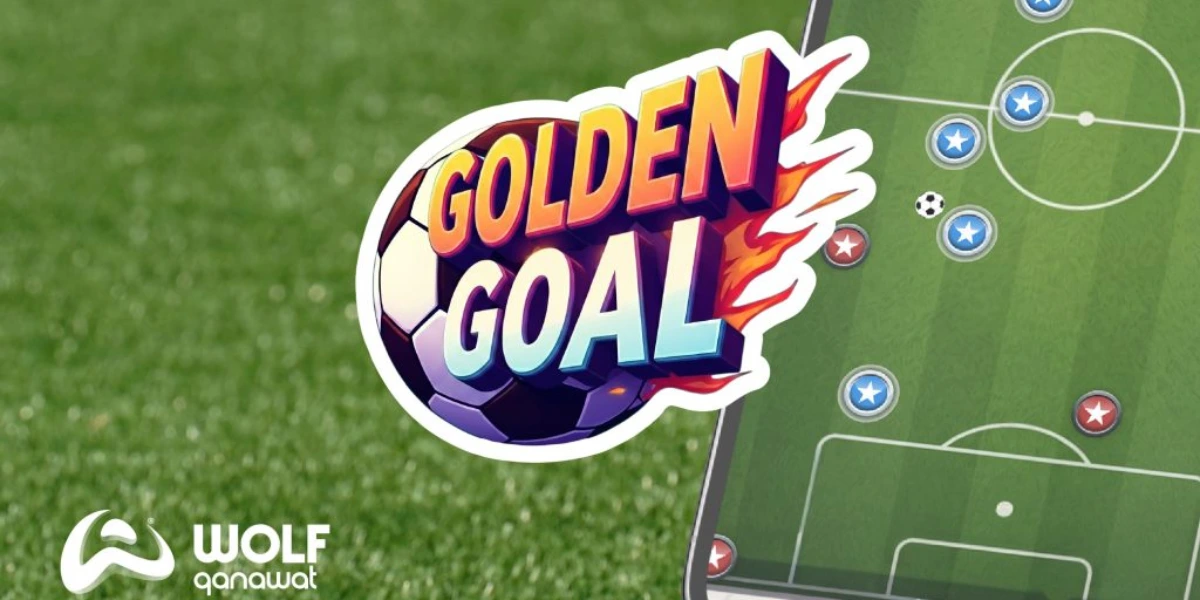
So while Golden Goal was delivered approximately six months from conception, the actual game was only a three-month project. I’d expect this time to be considerably less in the future. Because football is an evergreen genre, we intentionally designed the World Cup component as a plug-in set of cosmetics.
Some of these will be retired, some will simply transition into standard items, but the underlying infrastructure means we can easily spin up exclusive content for all future football tournaments and events.
How does designing games for that audience differ from what you would do for a Western or global product? And how have your games been received internationally outside the MENA region? Can you share any numbers?
The core difference lies in digitising existing cultural habits rather than trying to build completely abstract habits from scratch. In Western markets, casual mobile gaming is often a solitary, time-killing activity on a commute. In the MENA region, gaming is intensely communal.
It's a digital extension of gathering in a physical ‘majlis’ meeting place or cafe. While Arabic-speaking users in the MENA market remain our primary focus and anchor our design choices, the architectural choices we've made have given us seamless global capabilities should new opportunities arise.
What are your plans for the rest of 2026? Will you be exploring new platforms? And are there any specific initiatives or projects on the horizon that we should look forward to?
The remainder of 2026 is all about diversification and immersive expansion. On the content front, we are significantly expanding the Gaming Hub with new titles and features that deepen the experience for our three-persona strategy.
New platforms are always exciting and we monitor new opportunities very closely but for now, our audience is firmly in the mobile space, so that’s where our focus remains.
Regarding new initiatives, I can’t comment on any specifics but as a business, we have identified gaps in the market that offer exciting potential. The future for WOLF and MENA gaming looks very bright indeed.
Companies
People