10 years of Pokémon Go: Making a phenomenon built to last

- Pokémon Go first released on July 6th, 2016.
- After 10 years, the title continues to evolve with evergreen ambitions.
Pokémon Go has turned 10 years old, marking a full decade of getting players exercising outside while playing one of mobile’s most lucrative games.
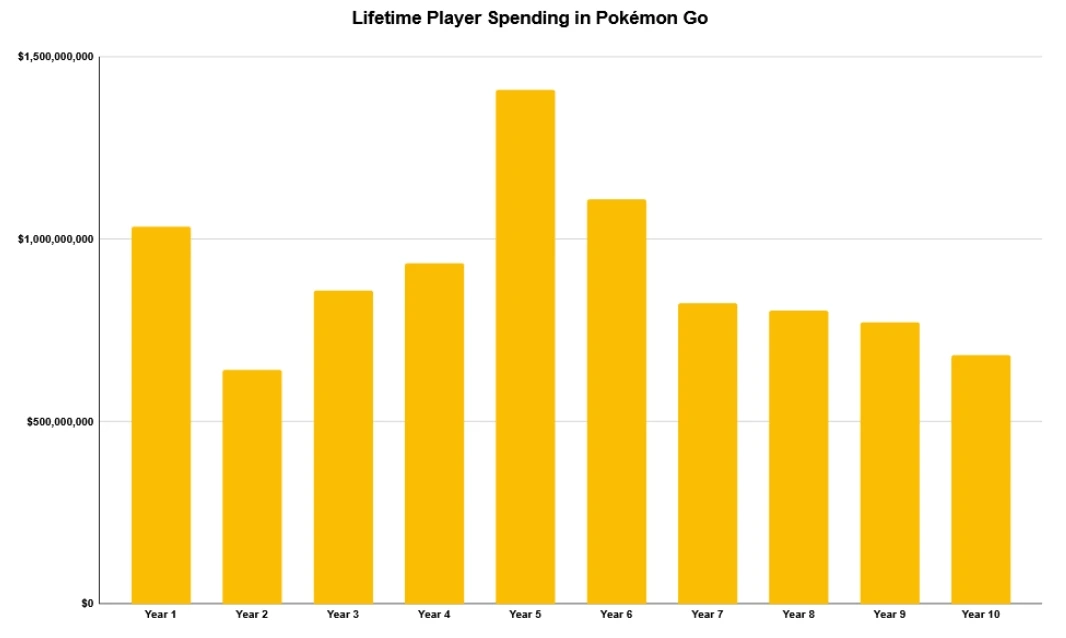
In 10 years, the title has captured plenty of nostalgia, millions of players and over $9 billion in revenue from the App Store and Google Play, by AppMagic estimates.
Collectively, its players have officially walked more than 30bn miles. As recently as 2025, when Scopely acquired Niantic’s flagship as part of a $3.5bn deal, approximately 10m people were still playing Go seven days a week.
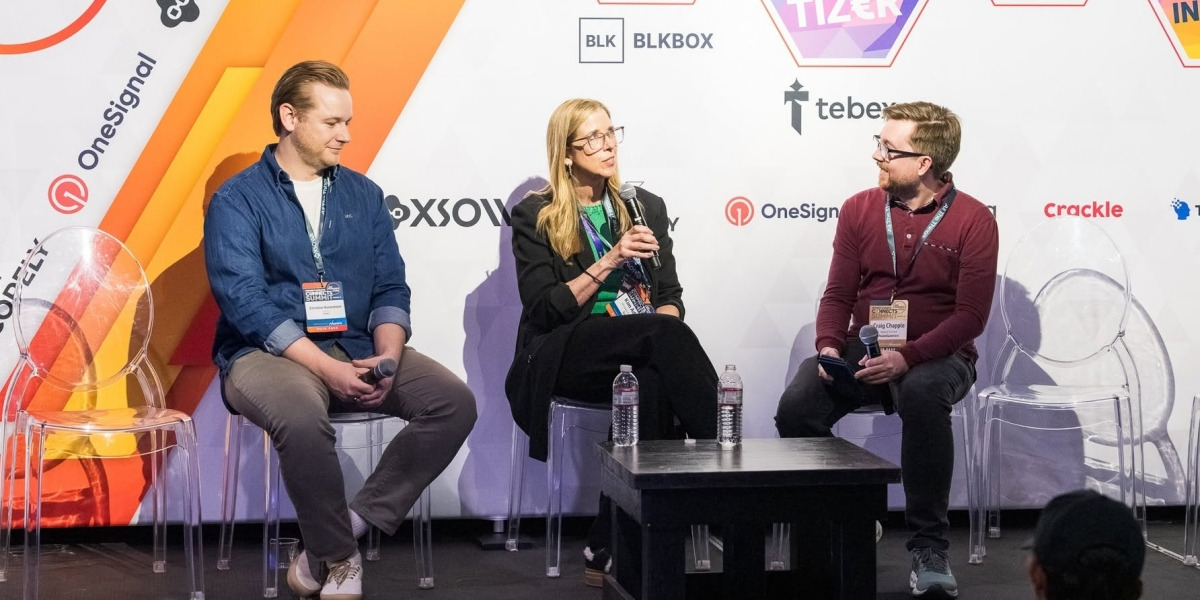
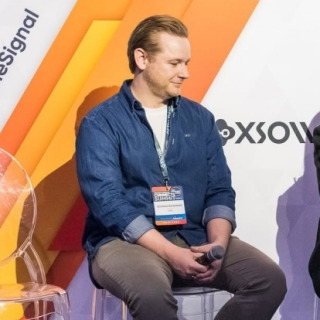
Coinciding with Pokémon Go’s 10th anniversary, 2026 also marks 15 years of Scopely. To find out more about how the company builds games to last, brings in new features to forever franchises and overcomes hurdles to keep them thriving, PocketGamer.biz head of content Craig Chapple spoke on stage at Pocket Gamer Connects Summit San Francisco with key staff from two of the publisher's biggest games.
Scopely VP of game development Kim Adams was among the speakers. She works on Pokémon Go supporting teams across feature production, design, research, art and XR initiatives. Part of the Pokémon Go team since 2022, she first joined as director of art and production, and later served as senior director of game development.
“Early signals for us were pretty clear. It became a global phenomenon.”Kim Adams
Christian Kurlemann, VP of product roadmap for Monopoly Go, also shared the stage, bringing insights from more than a decade at the company. Kurlemann was with Scopely before Pokémon Go even launched, though of course, Go didn’t enter the publisher’s portfolio until 2025.
"For Pokémon Go and Niantic games, everything is deeply rooted in the mission, so we sort of start there as a north star. Our goal is to get more people outside in the world exploring together," Adams began.
"Everything is founded in that. Then you add the richness of the IP that we’re lucky enough to work with."
Connecting through Pokémon
Pokémon Go marked the second wave of Pokémania, a reprisal for the series on a scale unseen since the 90s. It brought back nostalgic fans who grew up with the IP and now had income of their own. At the same time, it introduced newcomers to the series and allured those who’d stuck with the franchise all along.
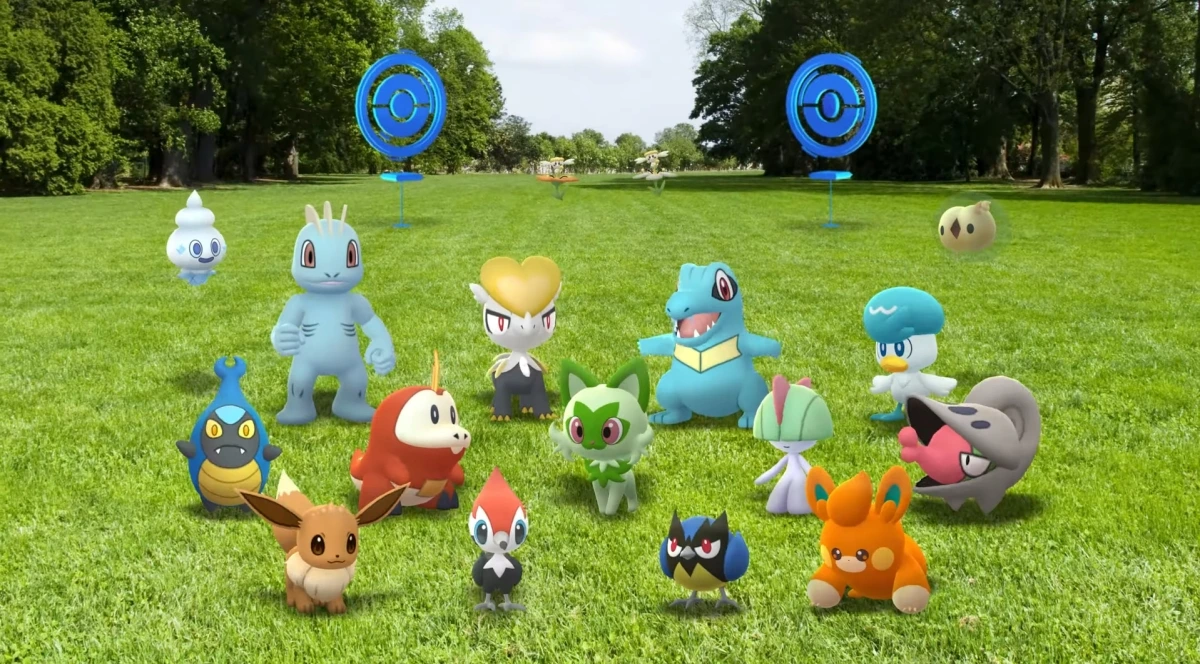
What began as a game about capturing Pokémon and controlling Gyms quickly tapped into a sense of community, bringing players out in droves to explore and play together. Over the decade, Go has developed its social connection with a friends system, trading, PvP battling, Raid Hours, Routes and more.
And as this game has evolved, it’s come to feature more species of Pokémon than any main series title.
"Early signals for us were pretty clear. It became a global phenomenon," said Adams. "I think we had 21 million players in the first three days. We had hundreds or even thousands of people walking through the streets and parks playing the game. So it was pretty clear early on that we had something special that resonated with people,"
Kurlemann added: "It was definitely the talk of the industry for that era."
“I think the game has made such a real difference in people’s lives that they have a loyalty to it that’s really special.”Kim Adams
Adams continued: "It’s about nostalgia. Familiarity. But honestly, I think after talking to so many people as I travel around and play the game, what I’m hearing are so many stories about connections.
"It’s the main thing that people tell me: I didn’t have any friends, or I’d moved to a small town, I kept running into people at Gyms and now I’ve been to their wedding, they came to my wedding. I think the game has made such a real difference in people’s lives that they have a loyalty to it that’s really special."
A rocky road
Today, Pokémon Go and Monopoly Go remain among the most culturally impactful games in the world, with earnings in the multi-billions of dollars. That doesn’t mean their roads to success, or the years sustaining it, have been straightforward.
Monopoly Go famously took seven years of development to finally launch in 2023. For Pokémon Go, one big challenge came during the global pandemic - putting outdoor exploration and group meetups largely to a halt, walking game or not.
"We built for live, in-person interaction, right? We were really close to bringing thousands of people together at live events, and then come March 2020, something happened. We had scheduled three live events that we wanted that year and obviously quickly had to pivot with COVID to more indoor, stay-at-home plans," said Adams.
"We thought about some sort of monster, global live event where you can have the same access to gameplay anywhere you want. So, out of COVID you actually have the best of both worlds where now we do launch our live events across the world, followed by the Global events."
The latest example is Go Fest 2026. After events in Japan, the US and Denmark this June, players worldwide will gain access to celebratory content on July 11th and 12th with Go Fest 2026: Global.
The pandemic saw new features emerge and even turned out to be a highly lucrative time for Pokémon Go, despite players' movement being restricted.
The radius for spawning Pokémon around a player was expanded from 40 metres to 80, allowing for more captures from home - and more Poké Balls used. Furthermore, Remote Raids allowed players to purchase tickets to challenge Legendary Pokémon from anywhere in the world, without walking to a particular Gym.
Estimates suggest that between Google Play and the App Store, Pokémon Go ultimately had its most lucrative year ever during the lockdown.
Adams recalled that after the pandemic, the next challenge was getting players out walking again - returning to Go’s original mission: "It was tricky, kind of readjusting everybody back."
An evergreen mission
Pokémon Go has now spent more than a year in Scopely’s portfolio, continuing with its own objectives but sharing some crossover with the broader company culture.
Kurlemann suggested that Scopely "really cares about making great games" and has a continual drive to improve. He stated that every team takes a player-centric perspective, a sentiment which Adams echoed. She thinks Scopely’s emphasis on community pairs well with Pokémon Go’s own community focus.
Furthermore, though they work on different games, the pair share an ambition to keep these titles sustainable long-term. Pokémon Go has already been through a decade of evolutions, bringing in new species, mechanics, community features and more, but even today there are new concepts arising.
“We like to build things that are easy for people to play from the age of eight to 88.”Kim Adams
Some features make it in, others don’t. Some get noted down and may become relevant later. "I can’t tell you what they are because they might come back in some way," said Adams.
She suggested that by combining learnings from user research together with creative pillars and strategic goals, Pokémon Go’s systems get improved and ultimately new opportunities emerge.
Hence, the game continues to change.
Meanwhile, Monopoly Go is keeping content fresh with crossovers from Star Wars to The Simpsons, or even players’ pets. Kurlemann noted that in the context of Pokémon and Monopoly, two IPs that have endured for decades, there is a drive to ensure Scopely’s own entries serve as further evergreen products.
"I think it needs to be an ever-present consideration from the beginning of development, whether it's your technology or your systems design, to make sure that you can sustain a game for a really long time," he said.
"Making a long-term-oriented game, I would say, features that are left on the cutting room floor form a lot larger a list than features that actually make it in, because every time you put something in the game it’s there for a long time."
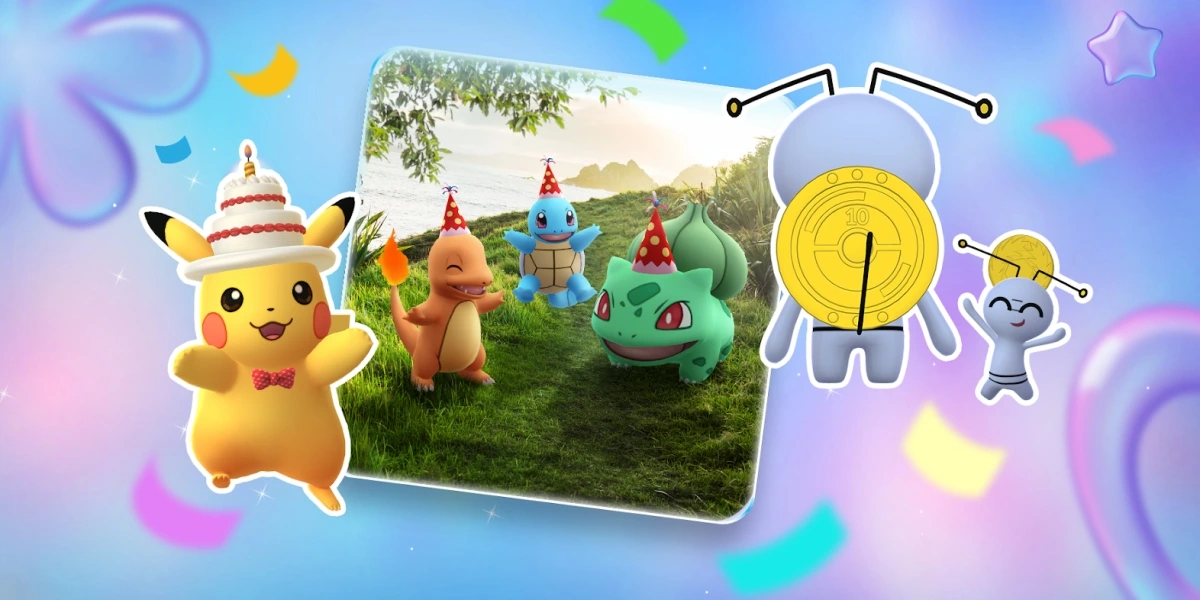
Finally, Adams highlighted the role of player feedback and the many opinions of fans. In addition to the community’s ideas for Pokémon Go, team members also play and vote on what they want to include. With so many ideas, it’s all the more important that everything builds towards the game’s core mission.
"We like to build things that are easy for people to play from the age of eight to 88, and we’re always looking to design for the real world. We never want to decouple your actual world, your location, your weather, where you are right now, the time of day, from your gameplay," she concluded.
Scopely will be in attendance at Pocket Gamer Connects Summit Shanghai 2026 on July 29th.
Companies


People

Events
