Creating art for mobile games: How MENA developers win attention
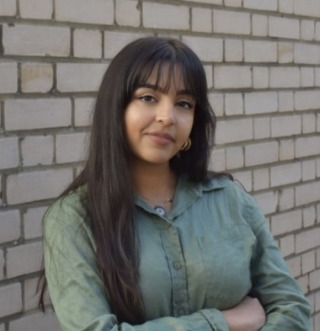
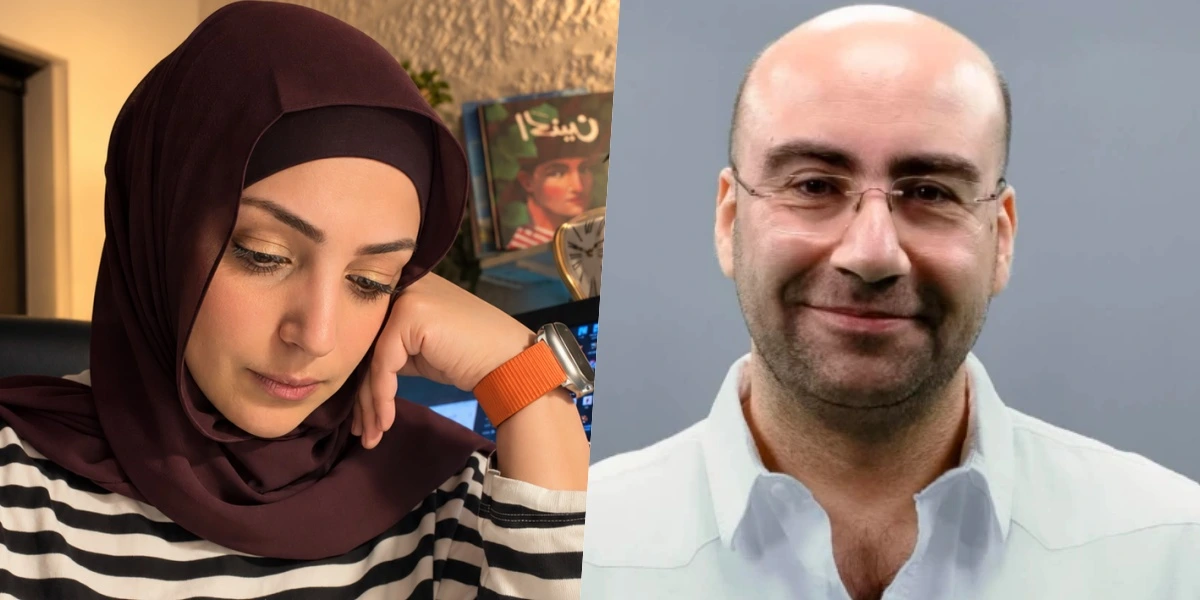
- AJ+’s Gada Jermy says a striking image stops the scroll, but a story keeps players.
- Mad Hook’s Ahmad Abu AlRuz and Marwan Mahjoob on porting art to PS5 and taking MENA culture global.
- Air Castle Studio’s Ruslan Boulad says trimming extras won’t cover a 50% budget cut.
- Istikan Studio’s Danar Kayfi on building an art team with no industry to hire from.
A few of our panellists work at studios that made our Top 30 MENA Game Makers of 2026. Make sure to check out the full list to see the region’s leading studios.
At Pocket Gamer Connects Jordan in Amman (November 7th and 8th), the panel 'Art Creation for Mobile Games' will explore how creating art for mobile differs from console and PC, from efficient workflows to keeping visual quality high on limited hardware and scaling art production.
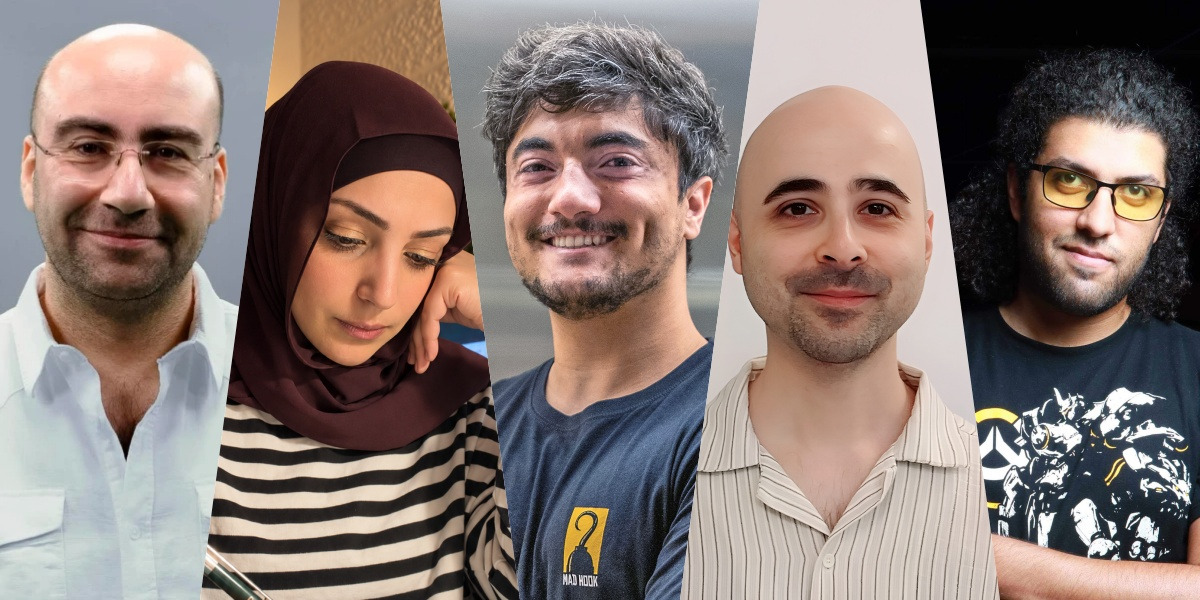
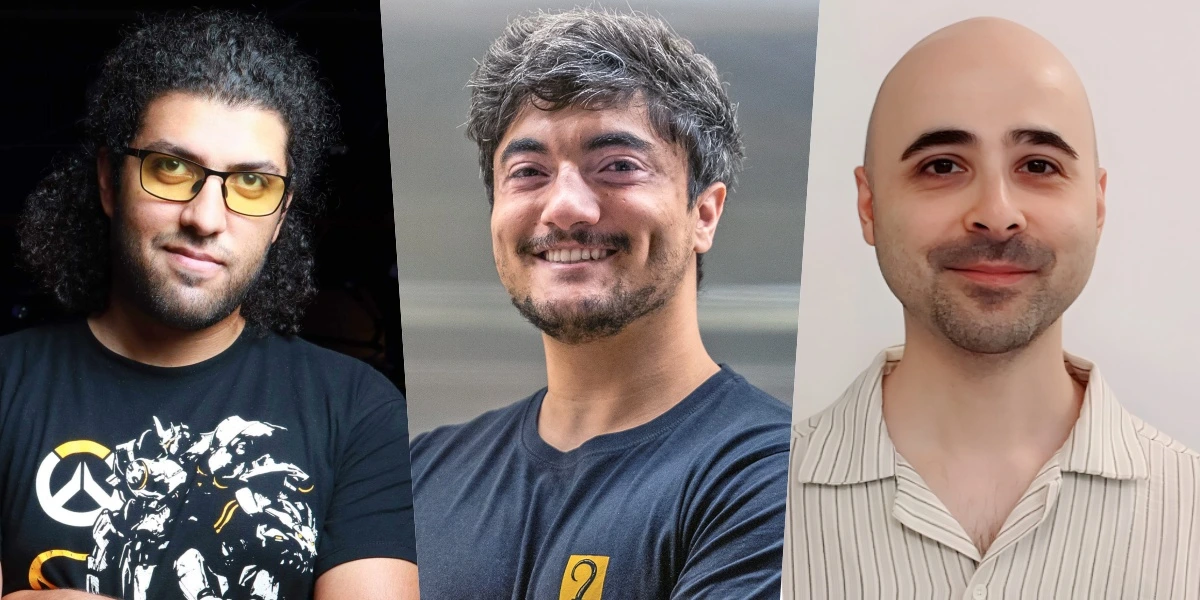
As a teaser ahead of the event, panellists Gada Jermy of AJ+, Ahmad Abu AlRuz and Marwan Mahjoob of Mad Hook, Ruslan Boulad of Air Castle Studio and Danar Kayfi of Istikan Studio share how they win players on a small screen.
Stop the scroll
Gada Jermy, digital artist at AJ+, says the biggest lesson for game artists is that “grabbing attention and keeping attention are two different things".
“As an illustrator and storyteller, I believe a good visual should tell us something immediately,” she says. “It could be a funny expression, an interesting composition, a small detail that makes us curious, or simply something we can relate to.”
The same applies to mobile games. “We don’t always need more details, brighter colours or complicated designs to make something interesting. Sometimes, removing unnecessary details makes the important things stand out even more.”
She adds: “A beautiful image can make someone stop and look. But a good story gives them a reason to stay.”
Built around a sense of place
Danar Kayfi, studio manager at Istikan Studio, builds games in Erbil, where the games industry is still young. More than 75% of Istikan Chai’s Steam sales come from China, without a publisher or paid marketing.
“In Kurdistan there’s no games industry to hire from, so you can’t recruit a ready-made art team,” he says. “You build one around people, and you shape the pipeline around the team you actually have. Ours is three artists working in pods of two with a developer, so everyone sees the game as a whole.
“With a team this small, every asset has to earn its place. We reuse art pipelines from one game to the next. Tikka & Kebab builds on much of what we made for Istikan Chai. And we decide scope before production starts, not during it.
“It also forces a clear identity. We can’t outspend anyone, so we lean on what only we can draw: the istikan glass, the bazaar, charcoal grills. That cultural authenticity has been our biggest differentiator and it’s a big part of why Chinese players found Istikan Chai.
“Bigger studios could learn from that: small pods, reusable pipelines and art that comes from a real sense of place rather than from trends.”
Rebuild what players notice
For Ahmad Abu AlRuz, creative director at Mad Hook, moving a game from phone to PS5 means almost all the art should be rebuilt. “Mobile art is made for a small screen and tight memory budgets, and it doesn’t hold up on a big TV in front of a PS5 player,” he says.
That doesn’t mean binning the mobile art on day one. “Those assets make great placeholders,” he explains. Once the game is playable, “it becomes much clearer where the art investment really matters: the hero characters, the environments players spend the most time in, the UI they touch constantly".
When Mad Hook brought Amer: The Chase Hit and Run to PS5, it updated a focused set of key assets and kept the rest. “Don’t rebuild everything; rebuild what players will notice.”
Culture that travels
Mad Hook’s games are built for MENA players, but they now have players in the US and Japan too. For Marwan Mahjoob, art department manager at Mad Hook, going global meant not losing “the weird humour and the cultural stuff that makes our games ours".
“Stylised art is perfect for indie games,” he says. “A desert can get boring fast, but stylised, you can make it look new every time.”
Still, a joke that lands with MENA players “might mean nothing to someone in the US or Japan", so the team A/B tests. “We don’t just go with what looks cool to us. We go with what players actually respond to.”
He adds: “Going global isn’t about hiding your culture. It’s about showing it in a fun way that makes people want to know more.”
Half the budget, gone
For Ruslan Boulad, co-founder at Air Castle Studio, a 50% asset budget cut can’t be covered by trimming extras.
“No amount of redundant and minor assets will cover for half, so hard decisions must be made,” he says. Boulad estimates around 30% to 35% of levels and hero assets would go, with minor and secondary assets making up the rest.
What he’d protect are “the assets that best capture the project’s core message and identity, along with the elements that make the experience entertaining and engaging".
As he puts it: “The goal is to ensure that what remains delivers the strongest experience.”
Join us in Jordan
Hear the full conversation at PG Connects Jordan, taking place next week on November 7th and 8th at Abdali Boulevard in Amman.
Book your ticket here.
Companies


People

Events