"Clarity is kindness": How to land an IP collaboration

- Know the business model before you pitch: a flat fee, a revenue share, or a visibility based swap.
- Do your homework and show the IP holder mock-ups of how its brand will appear in your game.
- Leave far more time for contracts and approvals than mobile developers are used to.
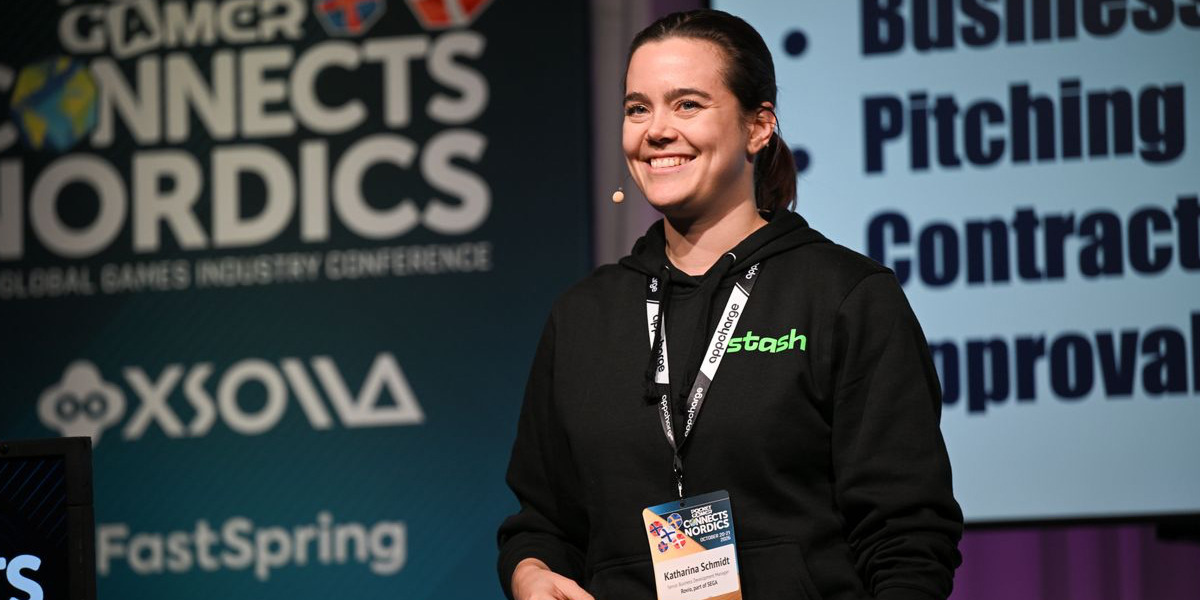
Most game developers are used to moving relatively fast. Stash associate director of business development Katharina Schmidt's advice for anyone hoping to bring a famous brand into their game is to slow down.
"In mobile games especially, we're used to quick turnarounds," she told the audience at PGC Nordics last month, in a session titled 'A playbook for IP collaborations'. "But contracts still need to be done with clarity and at the pace that is required to make sure the details are in place."
Schmidt spent four and a half years leading business development on the Angry Birds IP at Rovio. There she negotiated the China publishing deals for Angry Birds 2 and Angry Birds Dream Blast, and took the brand into other games, cars and TVs. Schmidt had started a new role at Stash the day before her talk and stressed that the views she shared were her own.

Pick your model
Schmidt outlined two main ways to structure a deal.
The first is paying for the licence, either as a flat fee or a revenue share. A flat fee is predictable, but the developer carries the risk if the collaboration underperforms. A revenue share needs careful sums to make sure the game's economics still work. "It requires some patience and some Excel math," she said.
The second is a visibility-based deal, where both sides benefit from the exposure rather than money changing hands. That is a hard sell for a small mobile game approaching one of the world's biggest IPs. But it can work if the brand wants to reach new countries, audiences or age groups.
Her advice: do your homework, then ask. "I would rather ask the IP holder which models they prefer using rather than assume."
Find the right match
Before approaching anyone, Schmidt recommends thinking through three things together: your game, the IP and the business case.
“These IPs are incredibly important for the holders. They are many times part of the core business. They are well protected and carefully cared for.”Katharina Schmidt
"Wondering if SpongeBob would like to work with Battlefield? Maybe it is a good collaboration," she joked. "But here it's actually good to do some research as well and see what those IPs have worked with before."
Groundwork gives the conversation a starting point. It may also reveal creative opportunities the IP holder hasn't considered.
Show, don't tell
When it comes to the deal itself, Schmidt listed the key details to settle: how long the collaboration runs, whether it is global or limited to markets such as China and how the IP will actually appear in the game.
For that last point, she recommends mock-ups. The goal is not to reinvent the brand but to show your vision. "These IPs are incredibly important for the holders," she said. "They are many times part of the core business. They are well protected and carefully cared for."
Clarity is kindness
Schmidt's main message was to agree on usage rights and approvals early. Gaps left in the contract tend to surface later, "at a time that is much worse than when you're preparing the paperwork".
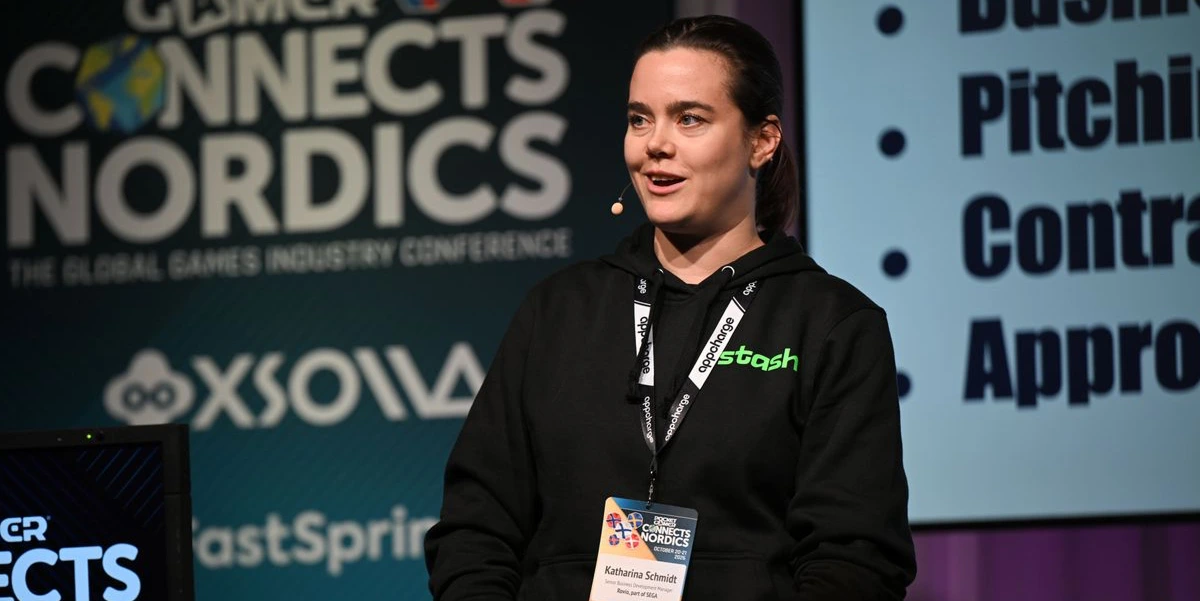
It is a principle she applies beyond contracts. "I think we owe it to each other when we ask for help or we try to explain our vision," she said. "I would even go to the extent of saying clarity is kindness."
“It's the golden time to collaborate across companies and across brands.”Katharina Schmidt
Approvals deserve the same planning. Big IPs often have several teams signing off assets before anything goes live, so it pays to learn how that process works and allow enough time. Collaborations across working cultures, such as her deals with Chinese partners, can take longer still, with language barriers and different expectations to work through.
When deals fall apart
Asked whether an IP holder with no history of collaborations would take a call from an unknown studio, Schmidt said the team matters. A studio with no released games is a bigger risk to a brand's quality expectations.
But she was upbeat overall. "It's the golden time to collaborate across companies and across brands," she said.
When deals do collapse, there is rarely a single reason. Roadmaps shift and events in the world or in either company's strategy can intervene. Contract clauses that allow a collaboration to be moved can help.
See you in London
Hear from the people building the industry’s biggest games at PGC London on January 18th and 19th, 2027. Tickets are on sale now.
Companies


People

Events
