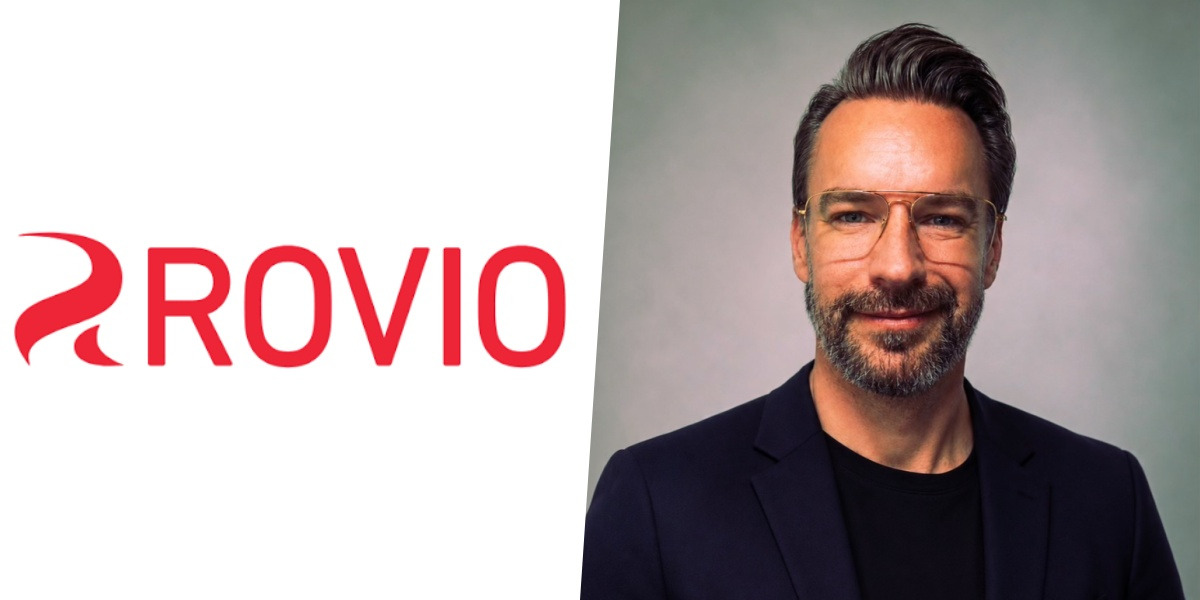
Rovio's Wille Miljas on Nordic talent, global audiences and working on Angry Birds 2

- Featuring “can’t be the strategy” anymore, says Miljas, so studios have to create their own demand.
- The Nordics have the talent, but quality alone won’t find a game its audience.
- Marketing helps sell a finished game, but it should also help shape why the game deserves to be played.
Wille Miljas has spent most of his career in games marketing, from SEGA in Japan to Next Games in the US and now Rovio, where he recently moved from a central marketing role to focus entirely on Angry Birds 2 with the studio in Stockholm.
Ahead of his appearance on the "Region Focus: Examining the Nordic Games Industry" panel at PGC Nordics, we asked him what's changed for the region, what still holds and where Nordic studios need to rethink their approach.
Talent alone is no longer sufficient
Miljas describes this moment in time as a "transformative period for the games industry as a whole", with competition being as fierce as ever for player's attention. "Simply making a good game isn’t necessarily enough anymore. You need strong products, but you also need innovation in how you find audiences and build businesses around those products."
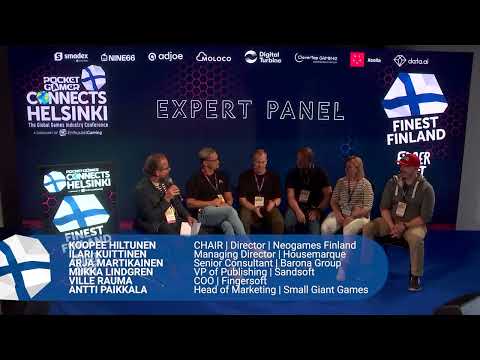
The Nordics serves as an interesting case study in games longevity, in his view, due to the unique combination of "senior talent, a very strong education system, and a long history of building games for global audiences."
Platform featuring can't be the only strategy
When asked what worked five to 10 years ago, Miljas immediately points to platform featuring on mobile.
"Featuring hasn’t disappeared, it just can’t be the strategy."
“You can’t just launch a game and hope the ecosystem does the distribution for you anymore.”
"Today, I think you have to assume that you need to create your own demand rather than waiting for the platform to deliver it."
The marketing mix today means that influencers and creators now play a much bigger role in discovery, for new launches and live games alike. “You can’t just launch a game and hope the ecosystem does the distribution for you anymore."
Quality alone won’t cut it
That leads to the assumption he thinks most needs rethinking: that Nordic games can mostly rely on the quality of the product to find their audience.
Distribution, marketing, community and audience-building need to be considered much earlier in development, he argues. “A great game still needs to be a great game. But increasingly, building the audience is part of building the product.”
What Japan taught him
Working across markets has left Miljas wary of one common misconception: that what works in one market can simply be translated into another.
“You can have the same game, the same brand and the same marketing campaign, but what motivates a player to engage with it can be very different.”
Japan is his clearest example. “You can have the same game, the same brand and the same marketing campaign, but what motivates a player to engage with it can be very different.”
He isn’t arguing for localising everything, though. “That’s not scalable.” The real skill lies in working out what has to stay globally consistent and what needs to flex locally.
Outcome first, route second
The same thinking shaped his work on Sonic Rumble, which brought together teams at Rovio, SEGA Japan and SEGA in North America, each with different expectations and ways of working.
The lesson, he says, is that you can’t make everyone work the same way. “Get alignment on the outcome early. You can debate the route afterwards.”
The Nordics are neighbours, not rivals
Don’t expect to see fireworks on stage at PGC between the Nordic markets. Miljas sees each market’s strengths as complementary: Stockholm historically stronger in PC and console, Helsinki in mobile, with Denmark and Norway having shaped the region through companies of their own.

“If this panel were a hockey match, maybe it would be a different story. But I expect us to get along just fine.”
Why would the player care?
A marketing-first lens, he argues, adds a question developers and studio heads don’t always ask.
A developer asks what they can build. A studio leader asks what can become a successful business. Marketing asks, “Why would the player care, and how are we going to make them care?”
That insight should shape the product, not just its launch. “Ideally, marketing isn’t the team that gets handed the finished game and asked to sell it. It should help shape the reason the game deserves to be played in the first place.”
Trading breadth for depth
His own recent move reflects that belief. The central role gave him a broad view across games and teams, but he realised he enjoys being close to the product and now wants depth of impact.
The timing helps. With The Angry Birds Movie 3 arriving in cinemas on December 23rd, he wants to turn that global film momentum into real growth for Angry Birds 2.
“And, maybe slightly naively, I still believe there’s a bit of magic that happens when you work really closely with a game team.”
Hear more from Wille Miljas on the “Region Focus: Examining the Nordic Games Industry” panel at PGC Nordics in Helsinki on October 20th and 21st. Secure your spot.
Companies


People

Events
