From Unreal to Soulframe: Digital Extremes president on the studio's 33-year history

This article is part of our Canada region report, published in association with Xsolla, offering insights on the country's important games hub. You can download it for free here.
Digital Extremes has been making games in London, Ontario since 1993. It co-created the Unreal series with Epic, spent years building other publishers’ titles and, in 2013, launched free-to-play shooter Warframe. More than a decade on, it is developing a second online game: Soulframe.
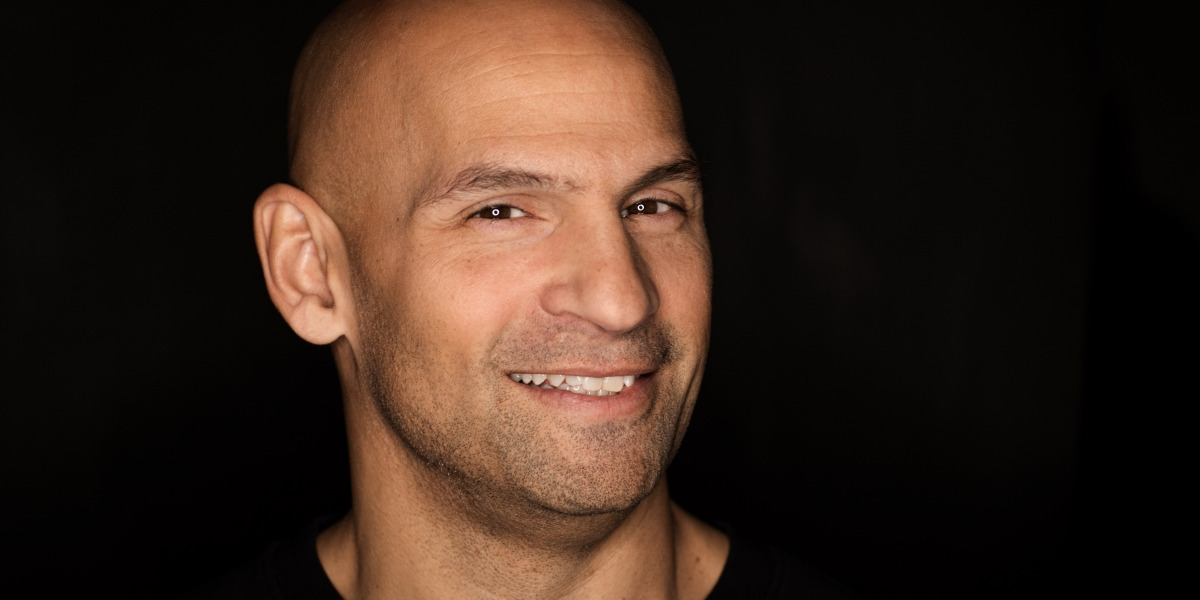
Sheldon Carter has been at the studio for 20 years and has worked across many roles, including creative director on The Darkness II.
For much of that time, Digital Extremes depended on work-for-hire, such as the multiplayer for 2K’s BioShock 2, while trying to build its own IP alongside it.
Backs against the wall
As president, he now oversees the business and its partnerships, but stays “as hands on as I can possibly be” with development on both games. The studio’s roots go back further. In the 1990s, following the success of Epic Pinball, it co-created Unreal with Epic MegaGames and went on to work on Unreal Tournament.
“It’s pretty cool to reflect on the fact that our studio had a heavy hand in creating the first game to run on the Unreal Engine,” Carter says. Its own titles, including Pariah and Warpath, eventually led to Dark Sector.
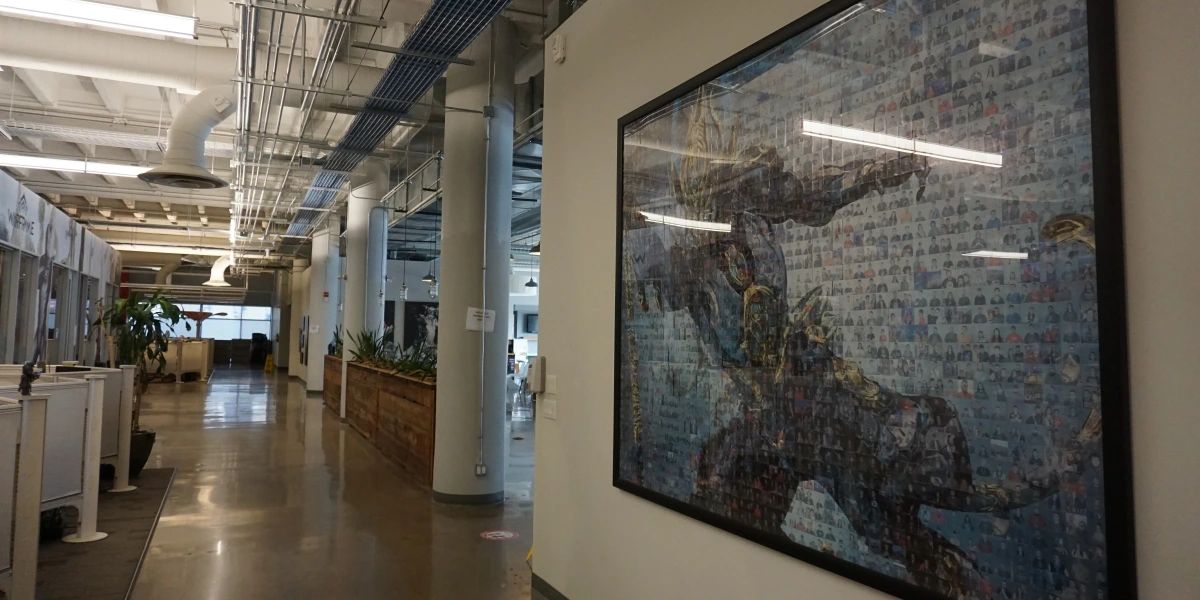
“In the earlier days of the studio, work-for-hire projects were our primary source of revenue, and we tried to balance that work with the development of original IPs,” Carter says.
“We had some wins and losses, but work-for-hire was pretty consistent. Over time, that stuff started to dry up.”
Those original games came with compromises. Dark Sector began as a science fiction project, but after the success of Resident Evil 4 and Gears of War, publishers wanted something different.
“Launching Warframe was eye-opening for us; it drastically changed our outlook on development.”Sheldon Carter
“We had to drop a lot of creative ideas we had for the game to ground it more in a visceral setting and make it less sci-fi than we wanted,” Carter says. By the early 2010s, the studio was close to shutting down.
“We were ready to close our doors and walk away,” he says. Instead, it took the ideas cut from Dark Sector, built a small slice of a new game and released it for free, letting players decide “when and how, or even if, they wanted to open their wallet”.
Players over critics
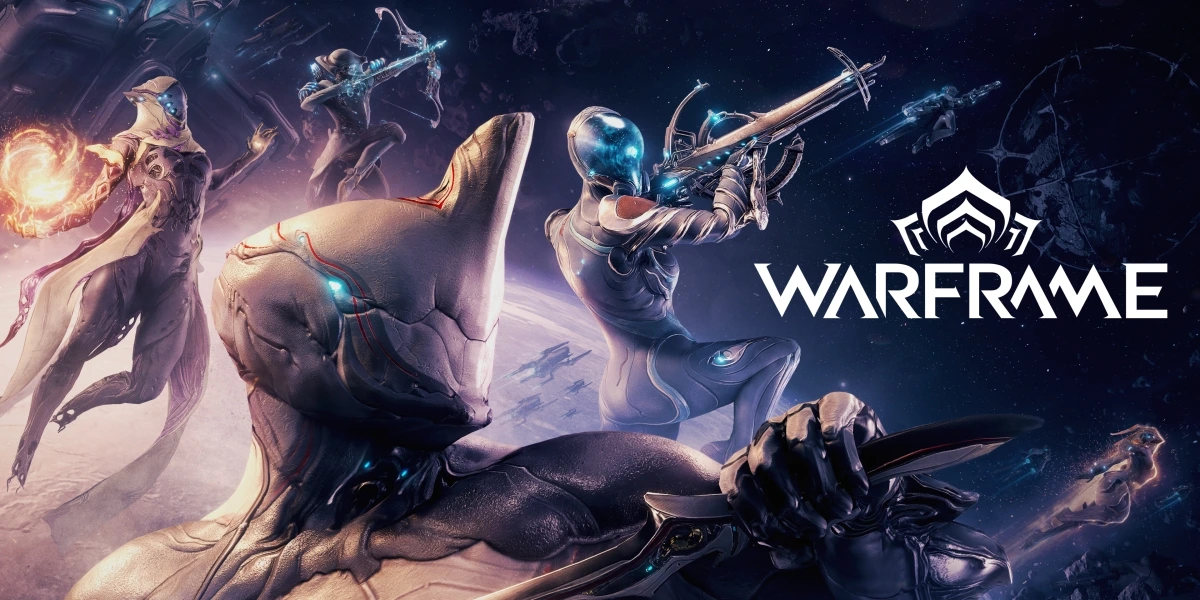
That game was Warframe. “Launching Warframe was eye-opening for us; it drastically changed our outlook on development,” Carter says. “We discovered a style of development that emphasised the relationship with the players and the community, mixed with frequency of updates and creative risks.”
He continues: “We wear our Metacritic score as a badge of honour, and the proof is in the pudding,” he says. “Warframe on any given day can have 100,000 players online and engaging, so that critical score doesn’t necessarily line up with a trajectory of success and growth.
“I think we as devs can sometimes get distracted by review platforms and can take it more seriously than we need to,” he adds. “It’s a collection of opinions, but it shouldn’t distract from the bigger picture.”
His advice to staff is to look elsewhere. “I like to encourage staff to keep their heads down and listen to what players are saying and how they’re engaging with the games we make. That insight is far more valuable for informing our next creative choice.”
Carter describes a studio where ideas can come from anyone. Warframe’s creative director, Rebecca Ford, joined Digital Extremes as an intern, and the studio’s backlog of unused Warframe ideas includes suggestions from interns, character artists, marketing, community, QA and customer service staff.
“If someone shows an interest in doing something different, and is willing to learn, and we see a valuable need for that within a project, we’re happy to give someone the opportunity to try something new so long as it serves the bigger picture,” he says.
“We all wear a lot of different hats, and we like making our leadership team very accessible to all employees.”
Player feedback shapes the games in a similar way. Carter says the experience of building Warframe taught the studio to respect players’ time as well as their money, and to invest in a welcoming community. It is also why the game has stayed largely PvE.
“Our mission is working together, and we think it’s way more fun that way.”
Still open to newcomers
At nearly 14 years old, Warframe faces a different problem: a perception that it is too big to start now. Carter says the team reviews the new player experience every year and keeps update sizes small across platforms.
“We love the fact that our games take full advantage of every hardware advance, but you can also play it on your phone,” he says.
“I like to encourage staff to keep their heads down and listen to what players are saying and how they’re engaging with the games we make.”Sheldon Carter
Platforms have been a focus this year. Warframe launched on Android in February and Nintendo Switch 2 in March, and is now on the Samsung Galaxy Store too, meaning it is available on every current major platform. Carter sees each new platform as a way to grow Warframe’s community, though not a risk-free one.
“New technologies and platforms might present new challenges and opportunities as we continue on this journey, and it can be both exciting and terrifying.”
Carter sees most of the studio’s challenges as global rather than Canadian. The biggest is competition for players’ time, with more good games released every year.
Being free removes one barrier but adds another. “Being a free game has the advantage of not requiring a player to open their wallet, but it also presents the challenge of overcoming stereotypes associated with predatory free-toplay microtransaction mechanics,” he says.
“We like to be free-and-fair with our approach, but it’s a challenge to break that perception barrier.”
“New technologies and platforms might present new challenges and opportunities as we continue on this journey.”Sheldon Carter
He believes the studio’s way of working gives it room to respond. “Opportunities take shape in many different ways, and I think our approach to development gives us some flexibility to experiment, and we’re going to continue doing that.”
The second frame
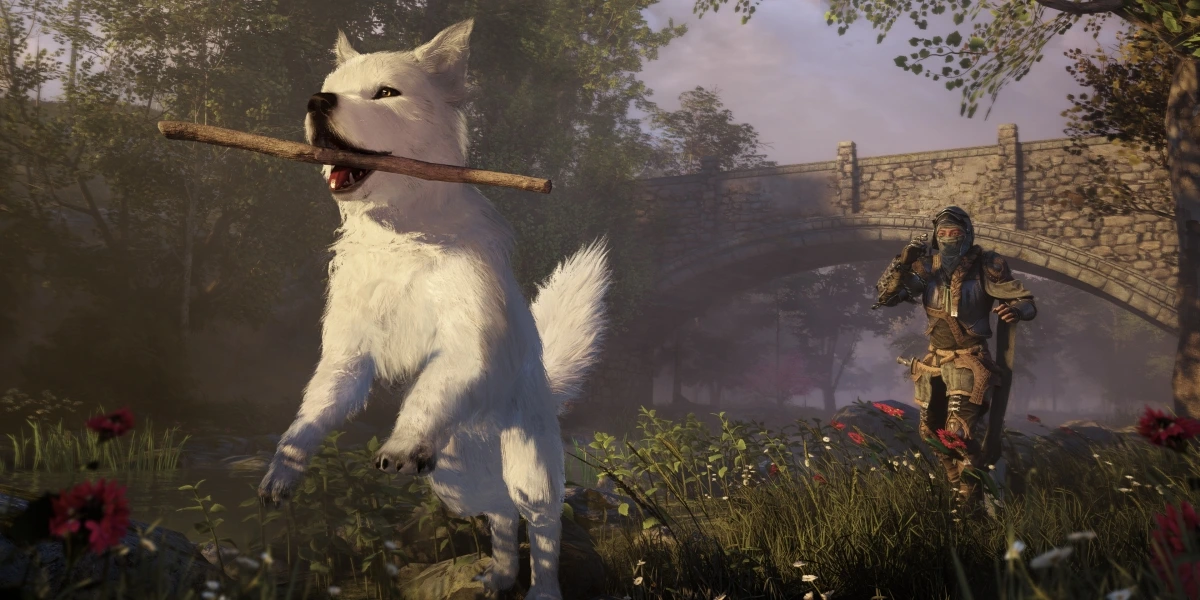
The studio’s next test is Soulframe, a fantasy online RPG currently playable in pre-alpha as Soulframe Preludes, with no full release date set.
In three to five years, Carter would like to see it “growing alongside Warframe in a complementary way”, with each game informing the other.
He expects Soulframe to follow a similar approach to Warframe: building inclusive communities, iterating quickly and taking creative risks that will not always pay off.
“There are business milestones we’ll have to meet,” he concludes, “but our biggest proof point will boil down to having an audience that’s willing to play, is willing to come back for more, and wants to share that recommendation with a friend who might do the same.”
Companies

People

Events