Selling into China, getting the most out of AI, strengthening live ops: Key takeaways from PGC Summit Montreal and MIGS

- AI only adds value when it builds on something rivals can’t copy.
- Live games grow by tuning their core loop, not by adding more events.
- China has 722 million players, and studios should check demand on local platforms before spending on launch.
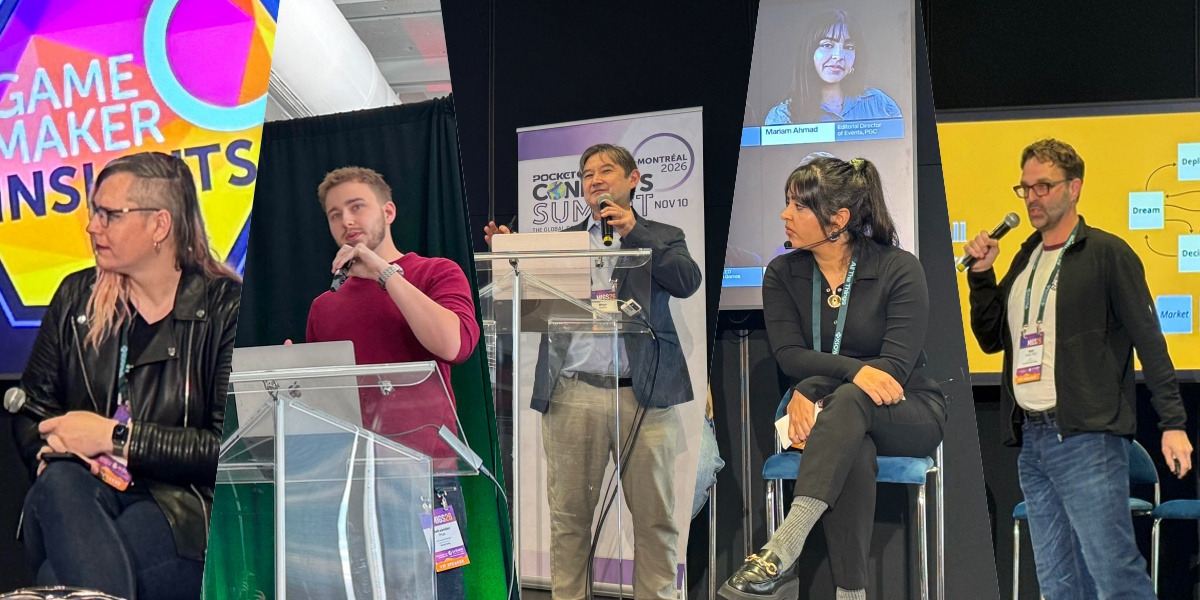
PGC Summit Montreal ran alongside MIGS this year, bringing the games industry to Montreal on November 10th and 11th. Across two days of talks and panels, speakers from studios, publishers and service providers shared what’s working for them right now.
We cover the highlights on AI, core game loops, selling into China, writing for established IP and designing for omniplatform play.
Use AI, but don’t outsource your thinking
AI discussions ranged from warnings about jobs and the loss of creativity to how studios can cut costs without losing value.
Rhys Dekle, an M&A advisor at Strategic Alternatives, warned that AI won’t raise a studio’s value on its own. “AI relocates value. It doesn’t create it,” he said. The value goes to whatever rivals can’t copy, such as IP, community or data. “Zero moat × AI = faster zero.”
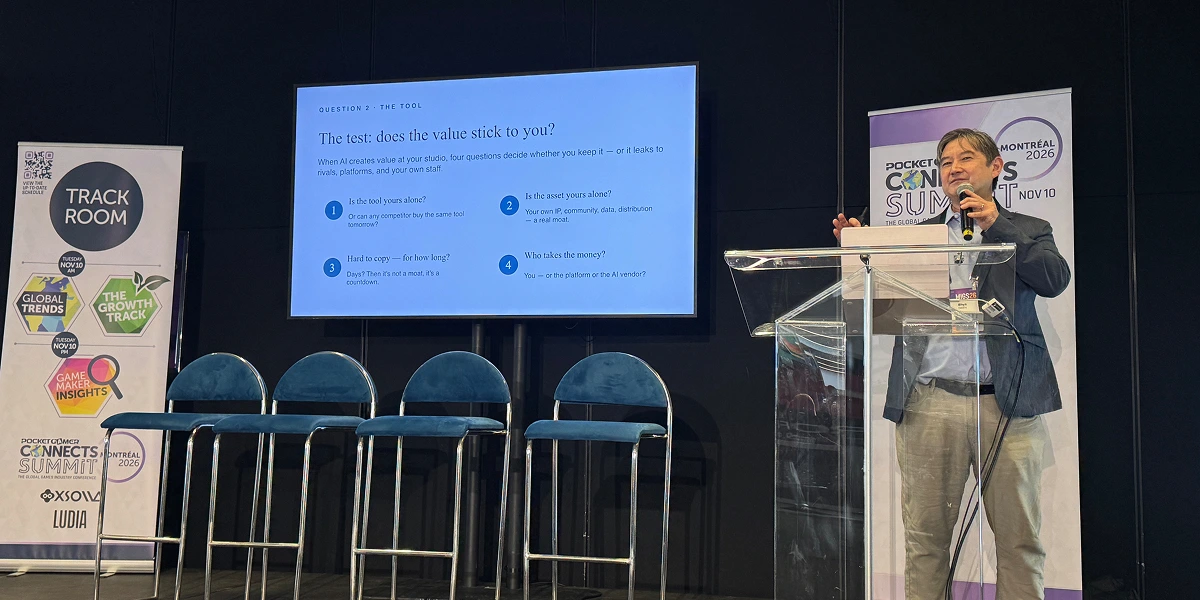
Pure AI output can’t be copyrighted, so buyers will ask for proof of human authorship. “The studios that look clean in 2028 are the ones keeping records in 2026.” You can read Dekle's full session write up here.
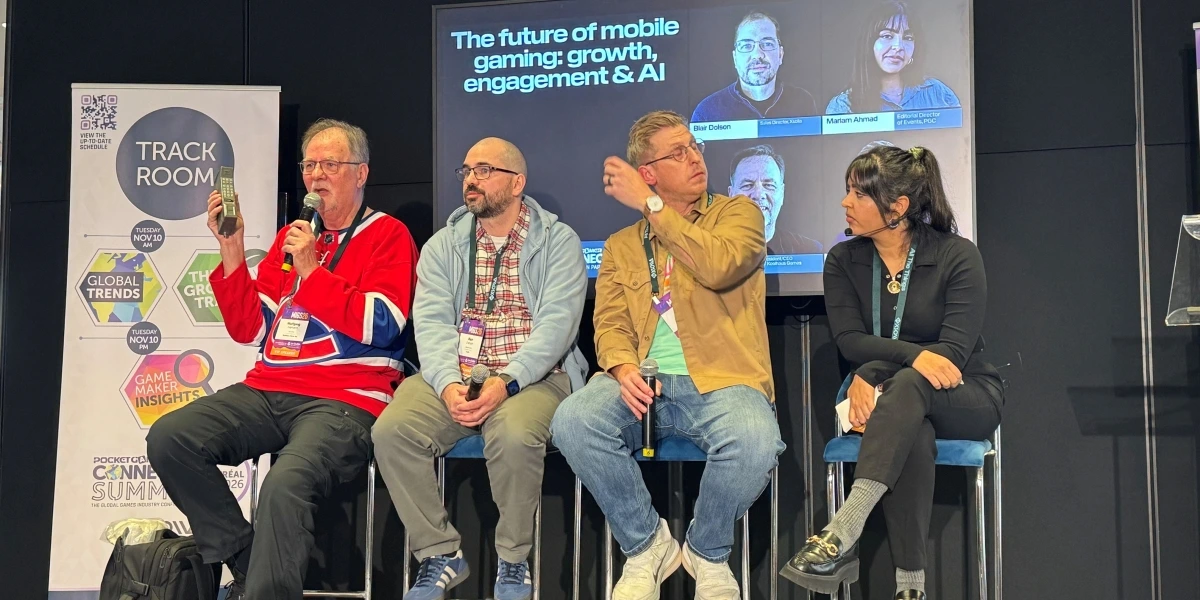
At MIGS’ AI panel, speakers from Virtuos, Behaviour Interactive, Winking Studios and Keywords Studios agreed that faster doesn’t mean cheaper. In one internal test, senior artists reached a final asset faster than juniors and used fewer prompts. The risk is that cutting juniors today leaves no seniors tomorrow. “You cannot delegate your thinking to AI,” said Winking’s CRO Claude Bordeleau.
Indie consultant Adam Clare of Game Space Agency said AI pushes games into the fast, low-quality corner - and players ignore that corner. On Steam, 47% of games with fewer than 10 reviews disclose AI use, compared with 14% of games with 1,000 reviews or more. AI-disclosed games make up 40% of releases but get about 13% of reviews.
“No matter how much processing power you throw at your project, you cannot generate good taste,” he said. “Your skills will get worse the more you use AI.”
Design for players, not platforms
Frima UX lead Valérie Motard, argued that games are moving from multiplatform to omniplatform: the same game and the same progression, with an experience that adapts to how, where and why people play. “The future of game development isn’t about platforms. It’s about ecosystems,” she said.
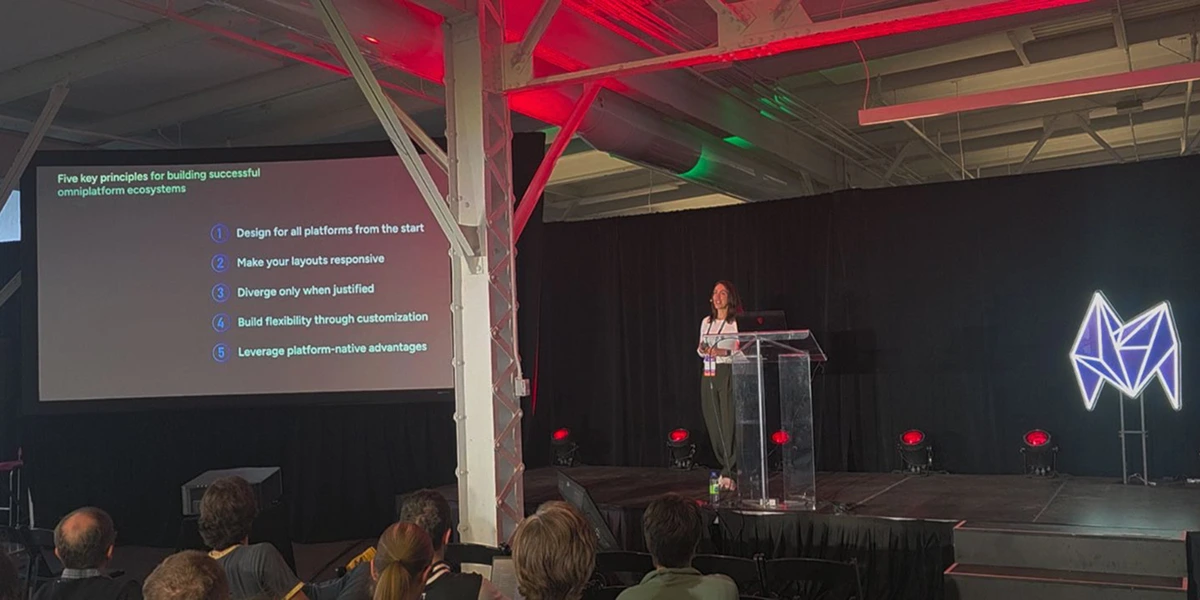
Mobile is the most accessible platform worldwide. “Yet it’s often the platform that receives the least attention during development,” she added. Motard sees that as a missed opportunity, because “mobile constraints lead to better design".
She gave five principles: design for every platform from the start, make layouts responsive, diverge only when justified, build in customisation and use what each platform does best. Before splitting a feature by platform, she said, ask whether it justifies the added cost and complexity.
“Design not for platforms, but for all the Maxes out there." Max was the example player in her talk.
Making great games requires an effective 'loop'
A decade after launch, Ludia’s Jurassic World: The Game had its best year in 2025, 92% above its 2019 low. The core loop never changed. “Everything we add has to feed this loop,” said Ludia senior product manager Lucas Larbodière. Each dinosaur takes eight copies to max out, so one creature moves from the season pass to the Amber Market to offers over the course of more than a year. “A flat line would mean failure,” he said.
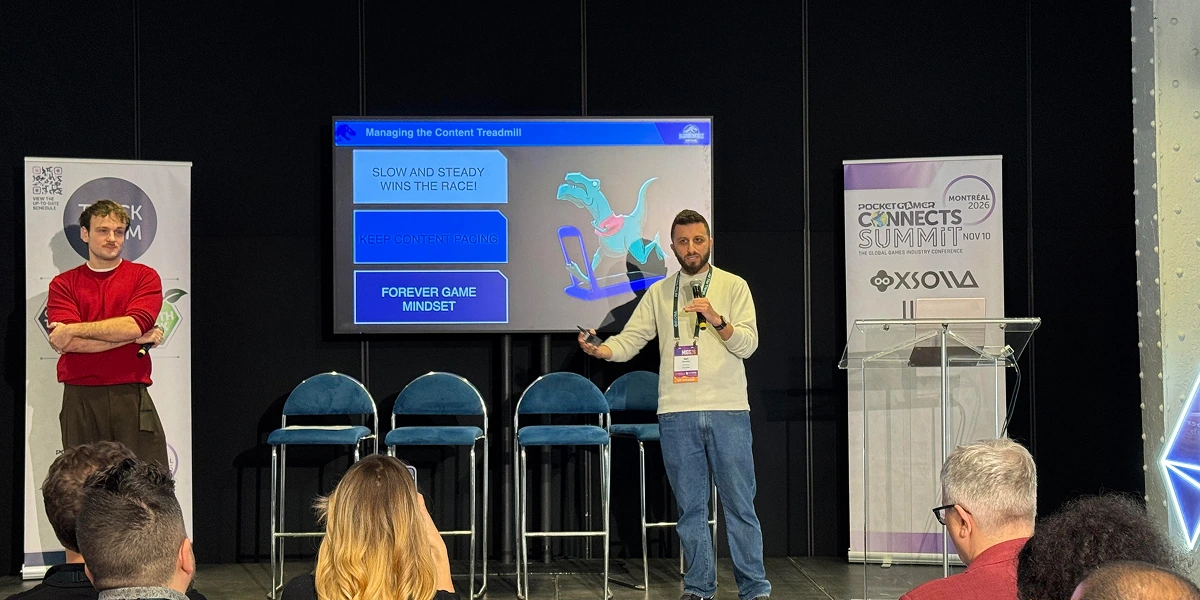
Extra Dimension Games CEO Sean Wylie-Toal launched his first live service in 2009 and later sold that company to EA. He has since shipped more than 1,000 live updates. His rule for growing LTV: “Multiply, not add.”
In his data, every added layer of live ops raised LTV, but a strong core loop set the baseline. The biggest gains came from tuning the events already running, not from adding more.
His advice: ship often, “don’t over-polish”, and set expectations before each launch so you can measure the results. Perhaps most importantly, know when to cut something - “don’t be shy about moving on", Wylie-Toal said.
LoopLight co-founder Robert Warren made the same point during his talk, but from the design side. Flow, “the ‘one more turn’ phenomenon”, needs three things: clear goals, immediate feedback and challenge that matches skill. “The feedback is part of the reward - the juicier the better.”
Selling into China requires patience, not budget
Aleksander Ptak, key account manager at Huqiao Games, started with how big the market is. China has 722 million players, compared with 212 million in the US, and it accounts for one in five gamers worldwide.
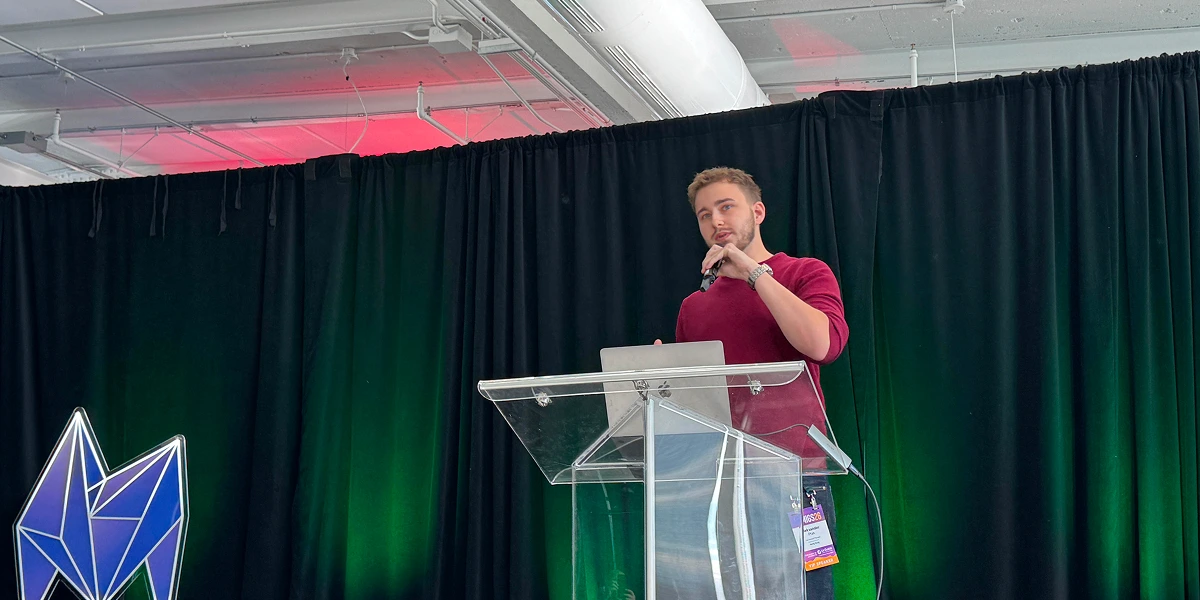
Ptak's first rule is to check demand before you spend on marketing. Local platforms can tell you more than Steam reviews. Kingdom Come: Deliverance II scores 9.7/10 on Heybox, has 820,000 players there and makes an estimated 26.6% of its sales in China. “Validate demand with local signals before you spend heavily on launch marketing,” he said.
“Games entering China face challenges that go far beyond translation.” Unreadable fonts, no streamer mode and blood colour settings are all issues Chinese players take seriously - and they all hurt reviews. Political slips are worse: Red Candle Games’ Devotion was review-bombed over a single art asset and Paradox’s Hearts of Iron was banned outright.
His low cost fix is to link the Steam page to QQ groups and Bilibili, so players end up in a community you can manage. “Don’t let Steam be the only bridge to your Chinese players.” Huqiao has used organic tactics like these for 40 PlayWay titles, generating more than a million views and reaching number two in China’s sales rankings.
“That’s a market that you’re going to nurture,” he said.
Licensed games are the main event now
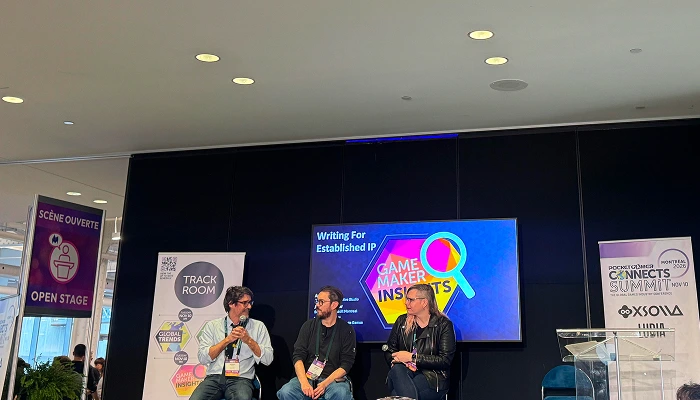
On the 'Writing for Established IP' panel, Motive Studio principal writer Ashley Cooper said existing IP gives writers a head start. The framework already exists, so you can focus on what you relate to. On Gotham Knights, she wrote Robin coming out as queer after the comics revealed it mid-production.
Her advice was to take risks. Some writers worry that if they “colour outside the lines too hard” the characters will crack. Those risks are where the fresh takes come from. "You have to be willing to go there or you will miss a lot of opportunities."
Next stop: London

Missed PGC Summit Montreal? Pocket Gamer Connects returns to London on January 18th and 19th, 2027. It’s the biggest PGC of the year, with over 3,000 attendees. Grab your ticket now.
Events