Europe's triple-threat for mobile gaming

This article was first published in the PocketGamer.biz newsletter. Subscribe for more content like this straight to your inbox here - you'll even get 10% discounts on PGC events.
There was a lot of concern about the impending announcement around the European Union’s Digital Fairness Act.
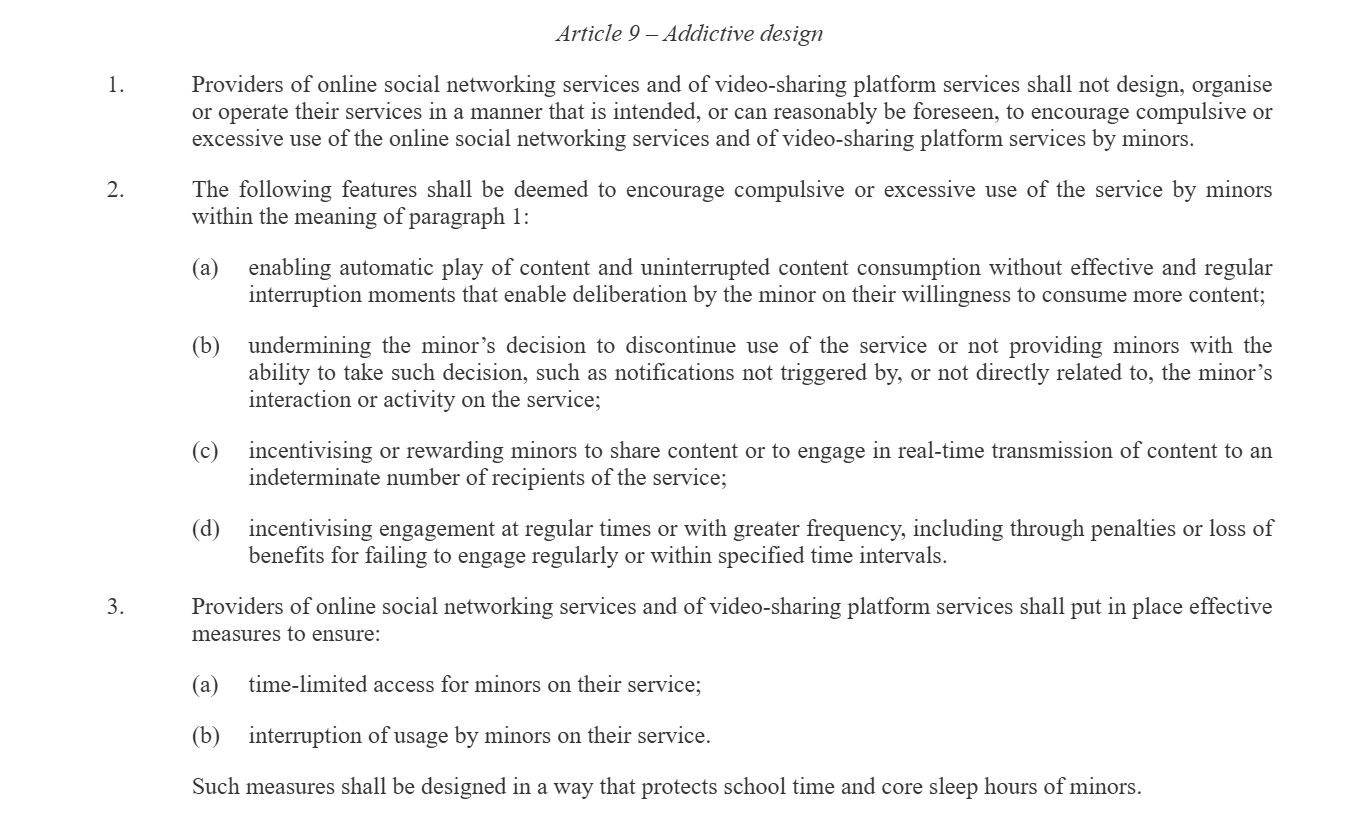
If you’ll recall, that was the proposed regulation that Supercell CEO Ilkka Paananen said could kill the European games sector. The Act stands to impact in-app purchases, loot boxes, hard currency and “addictive” features like log-in bonuses or punishments for a lack of play.
We spoke with the Mobile Mavens on that topic here, as well as gathering other insights from industry experts that included feedback such as it will be “catastrophic” for the industry and that it could be “another IDFA moment”.
For full details, check out the full breakdown of the DFA by Flux Digital Policy director of policy and public affairs Celia Pontin here. You can also watch a discussion about the DFA’s potential impacts on the PocketGamer.biz Podcast.
We’re expecting more official news around the DFA soon, don’t worry (or do).
Such regulatory works will be hot topics at our upcoming shows like Pocket Gamer Connects Nordics on October 20th to 21st and PGC London on January 18th and 19th.
The EU Kids Act
The EU threw another curveball last week with the announcement of the EU Kids Act. The aim is to improve online safety, taking aim at social media in particular, as well as including video sharing apps, AI chatbots and games.
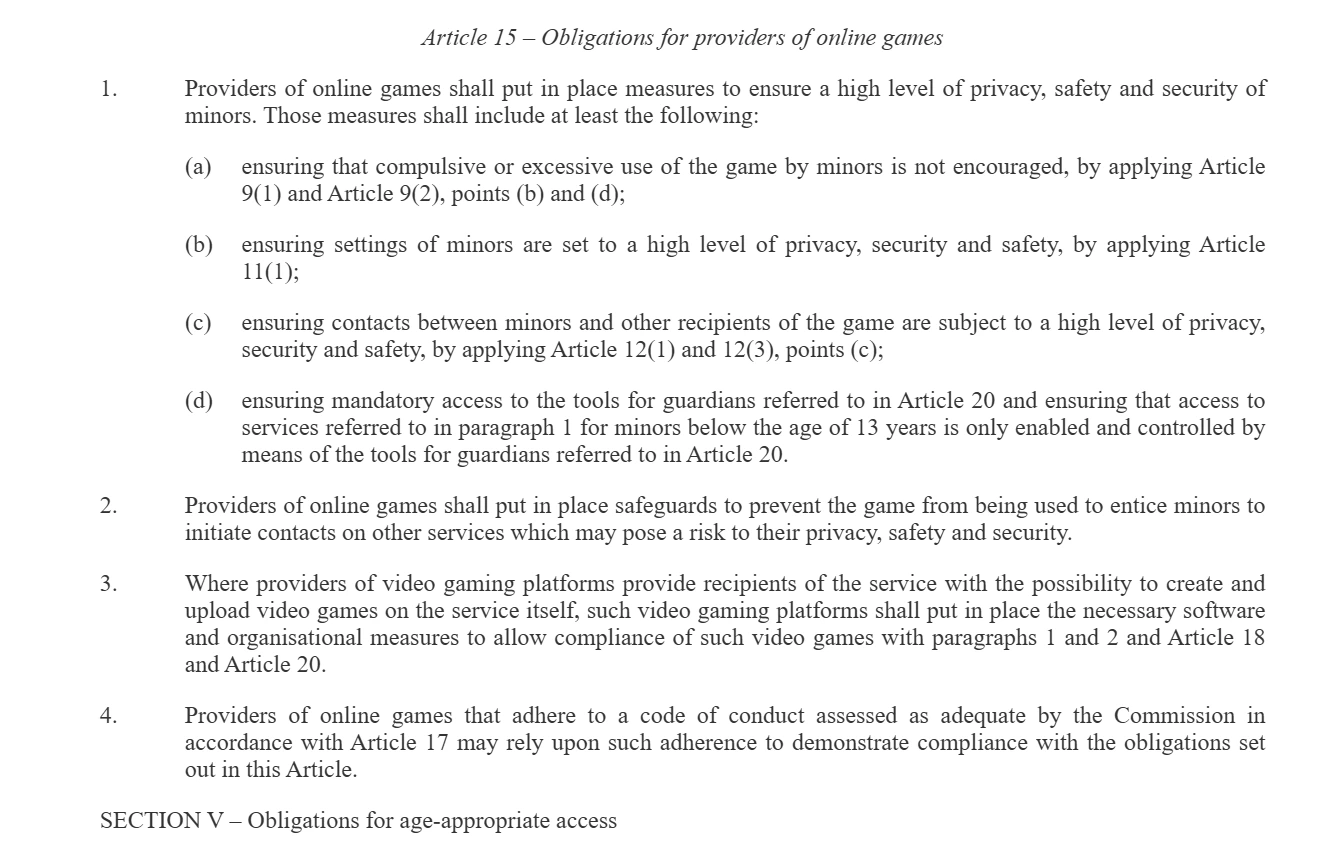
Under Article 15, which focuses on online games, developers are required to instigate measures that “ensure a high level of privacy, safety and security of minors”. This includes ensuring compulsive or excessive use of a game by minors is not encouraged, high levels of privacy, ensuring contacts between minors and other players is subject to a high level of privacy, security and safety - including safeguards to prevent contact on other services - and ensuring mandatory access to tools for guardians.
So what does that actually mean for mobile games? Wiggin senior associate Isabel Davies told PocketGamer.biz the Act will prohibit nearly all games from using engagement techniques when it comes to children.
“As drafted, daily log-ins, activity streaks and other time-based mechanisms are under threat.
“Games companies will need to start considering whether they want to continue employing these kinds of techniques for their adult EU users (in which case, proper age assurance will be needed) or whether they want to remove them for all EU players. Either way - this will massively impact many games’ core gameplay loop.”
On implementing age-specific protections and identification, Flux Digital policy advisor Veronica Perez gave a great summary of the Act here. In effect, developers “must assume that all users are minors and apply these safety-by-design protections, until they have identified that a user is an adult through age assurance”.
While social media platforms must rely on specific EU age-verification solutions (the EU has the mini-wallet to do this, built on the European Digital Identity Wallet set to be rolled out by the end of 2026 to check a user’s age), games can use other ‘age-assurance’ solutions. Video Games Europe has called for age rating systems PEGI and USK to become the “de facto standard for games made available in Europe”.
“We caution against sweeping age assurance measures applicable to every game and player in Europe. This would depart from the risk-based approach adopted in the DSA Article 28 Guidelines.”
How did we get here?
Age verification has become a hot topic, particularly around social media and platforms like Roblox. It's important to remember the context of why these rules are being proposed, which is the real dangers young people have had to contend with. Back in 2021, The Wall Street Journal reported on Instagram’s own internal research into how these apps impacted teenagers. As the BBC noted, 13% of UK teens and 6% of US users surveyed traced a desire to kill themselves to Instagram.
Roblox has been banned in various countries like Türkiye and Egypt. The UGC platform has rolled out a number of child safety protections of late, including gating features based on the age of users with Kids and Select accounts. Just recently, Discord revamped its age verification process to use user signals to estimate their age.
I’ve always said the regulatory hammer comes down hard. As Elite Game Developers’ Joakim Achren said in his newsletter, “I feel like the EU doesn’t really understand game design”. This is unfortunately true, but when issues arise and they aren’t dealt with, whether by the company in question or the wider industry and their trade body representatives, that will inevitably create problems down the road.
As Wiggin partner Peter Lewin noted, there is now a triple-threat on the horizon - the EU Digital Services Act with guidelines on protecting minors has already come into effect. The EU Kids Act “appears clearly intended to address some of the gaps left by the DSA”, while news on the DFA is due later this year.
“The objectives behind these new laws are, of course, commendable. But there’s no getting away from the fact that the regulatory burden they can place on businesses is real and potentially very significant.”
European Game Developer Federation MD Jari-Pekka Kaleva said the next step for the EU Kids Act is for the European Parliament and Council to negotiate the final wording - so we might see the final Act by the end of the decade.