Exir Games CEO Sahand Malaei on the challenges facing small game studios

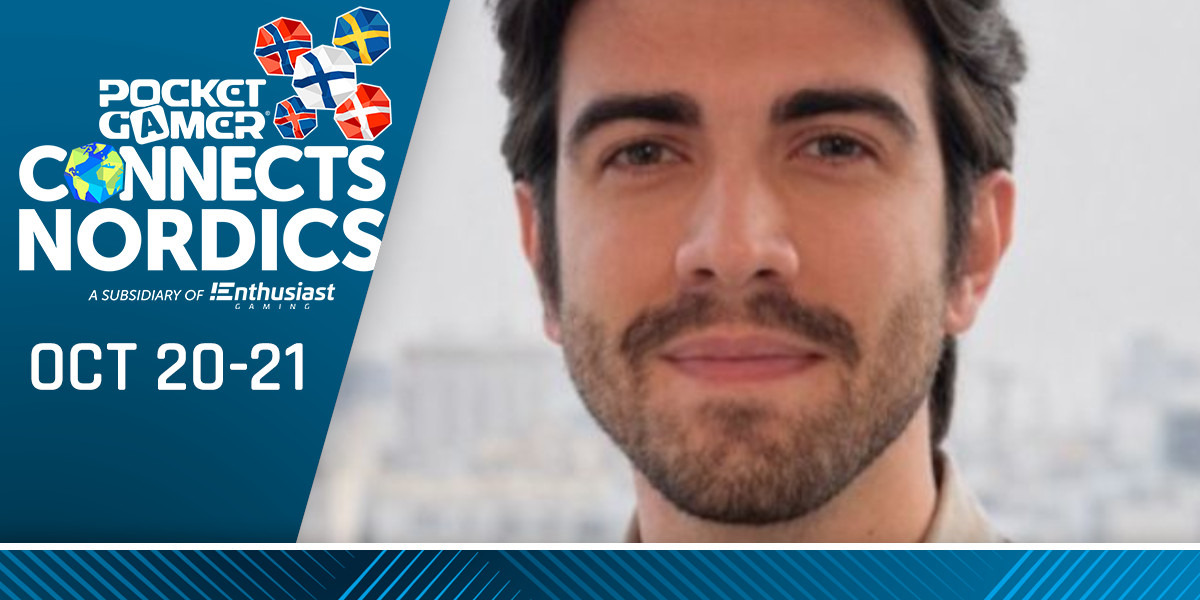
- PG Connects Nordics takes place in Helsinki on October 20th and 21st.
- The Exir Games CEO previously led the production of more than 60 hypercasual mobile games.
Pocket Gamer Connects Nordics will soon be underway, bringing together developers, publishers and industry leaders to discuss the games industry.
Among the speakers is Sahand Malaei, CEO and game designer at Exir Games, a Finland-based indie studio that is focused on creating mixed reality games. Malaei will take part in the "Does the Best Game Win Anymore?" panel.
Previously CEO of Dropout Games, Malaei led the production of more than 60 hypercasual mobile games that were played by more than 70 million people worldwide.
PocketGamer.biz: Please give us a summary of what you’re speaking about and why it’s important.
Sahand Malaei: I'm taking part in a panel titled "Does the Best Game Win Anymore?" I spent seven years building a hypercasual mobile games studio in Iran, and working in hypercasual meant that marketing and finding the right audience for our games mattered just as much as, if not more than, making a great game.
Our studio, Dropout Games, produced mobile games that were played by tens of millions of people worldwide, but as the market became increasingly difficult for small studios, we made a risky bet: abandoning the model we knew well to build a new studio around mixed reality.
“In 2026, my team and I relocated to Finland and continued building Exir Games from there.”Sahand Malaei
The new studio, Exir Games, went on to develop Banners & Bastions for Meta Quest while operating from Iran, where international sanctions, restricted access to services and payment infrastructure, and eventually two wars and their resulting internet blackouts made the already difficult job of running an indie studio considerably harder. As bombings shook the neighbourhoods around our office space, my team was still responsible for delivering Banners & Bastions to our international partners.
In 2026, my team and I relocated to Finland and continued building Exir Games from there. My journey, from hypercasual mobile development to building indie mixed reality games in the Nordic games ecosystem, has given me a unique perspective on how much a game's success depends not only on its quality, but on distribution, geography, platforms, access to capital, and community.
If you could give other mobile games companies one piece of advice, what would it be?
I wish I heard this less often: "We've been working on this mobile game for about a year now, and now we're working on improving its Day 1 retention."
That's often a telltale sign of one of the most dangerous mistakes a mobile studio can make: getting too attached to a game that hasn't shown enough promise.
Especially early on, your time is better spent experimenting with many different ideas, testing them quickly, and finding the one that's genuinely worth investing in.
What is the single biggest challenge facing the mobile games industry today?
The biggest challenge is how unevenly the market is divided. It's increasingly difficult for a small game studio without substantial financial backing to enter the market and survive long enough to find success.
What was the fundamental appeal of the mobile games industry that brought you to it?
The barrier to entry used to be really low, especially for hypercasual. Seeing simple-looking games made by just a handful of people reach audiences of millions was incredibly appealing to our small team. And because almost everyone has a smartphone, mobile gave us a chance to make games that mattered, at least in terms of reaching as many people as possible.
What game has been on your phone the longest?
Monument Valley. Something about the way it looks and feels makes it impossible for me to delete.
Tell us your thoughts on one of the following: the metaverse, cloud-gaming, cross-platform games, play-to-earn games.
The big metaverse push attempted by Meta has arguably failed so far. However, many of the problems that kept people from spending much time in their headsets are becoming less severe.
“We still see the potential for a bright future for XR and the metaverse, because many of the barriers that once made that vision feel unrealistic are disappearing.”Sahand Malaei
The headsets are getting closer to the size and weight of a regular pair of sunglasses, more frictionless interaction methods such as hand tracking are becoming increasingly capable, and the market is recognising that XR needs to reach beyond its traditional audience of hardcore gamers.
That belief is one of the reasons we founded Exir Games. We still see the potential for a bright future for XR and the metaverse, because many of the barriers that once made that vision feel unrealistic are disappearing.
When not making/selling/playing games, what do you do to relax?
I'm a big fan of science fiction, both in books and movies. It gives me the perfect escape from everyday life into imagining what the future might one day look like.
Can people get in touch with you at the event? What sort of people would you like to connect with?
Of course! A single LinkedIn message once changed the course of my life, so I'm a firm believer in the potential impact of meeting new, like-minded people. I don't have a preference for who I meet, as the biggest opportunities and most interesting ideas often come from the most unexpected places.
People

Events
