Naphora managing director on rebuilding the studio, going mobile-first and building globally competitive games


- Naphora has shifted from investing in external studios to developing and self-publishing its own games.
- The studio now has three mobile games in soft launch with another three planned for 2026.
- Naphora has rebuilt its organisation around smaller teams, faster decisions and data-driven product validation.
- Naphora says its ambition is to build globally competitive games and IP from Saudi Arabia.
Saudi Arabia’s games industry has changed a lot since Naphora was founded, and the company has changed with it. Naphora originally focused on investing in and supporting other game studios, but it has now moved into developing and publishing its own games.
From 50-70 employees in 2024, the company has now rebuilt its team around smaller groups, faster decisions and using player data to test games early, with three mobile titles currently in soft launch and another three planned before the end of 2026.
We caught up with Naphora's managing director Charles Bussy to discuss the company’s transformation, why it has moved away from third-party investments, mobile-first strategy, the growing role of AI and what it will take to build a globally competitive games company from Saudi Arabia.
In our 2024 interview, Naphora described itself as an investment label supporting external studios. By mid-2025, that model was gone. What made you decide to walk away from it?
Charles Bussy: I would challenge the premise slightly. We did not walk away because the investment model was failing. It was a natural evolution of both Naphora and the Saudi gaming ecosystem. When Naphora was founded, investing in and supporting local studios made sense. The ecosystem needed capital, infrastructure and support.

Since then, Saudi Arabia's gaming sector has developed significantly, supported by government initiatives, greater private investment and a much stronger local talent base. For us, the question became: where can Naphora create the most value next?
We believed that meant moving from primarily funding other people's games to building the capability to create, own and self-publish globally competitive IP ourselves. That required a very different company, so we committed fully to it.
What about the studios you’ve previously supported? What happened to those partnerships now that Naphora has shifted its focus to developing and self-publishing its own games?
The strategic shift did not mean simply abandoning existing commitments. We approached each existing partnership individually and responsibly, based on the agreements in place and what made sense for both sides. But we stopped making new third-party game investments as our capital, people, and operational focus moved toward Naphora's internal development pipeline.

There is also an important distinction between ending an investment strategy and ending relationships with the ecosystem. We remain very connected to Saudi developers and the broader regional gaming community. We simply have a much clearer role today: we are a developer and publisher first.
The game development academy mentioned in 2024, is that still running under the new model or did it get dropped in the restructure?
The academy in its original form is no longer a core part of our operating model. That does not mean talent development has become less important. Quite the opposite. But our approach today is much more closely connected to production.
“I believe our operating cadence already puts us ahead of most traditional studios.”
Charles Bussy
We want people learning by building real products, solving real problems and working alongside experienced developers. As we scale, we will continue looking at ways Naphora can contribute to developing Saudi talent, but our immediate priority is building a world-class studio and proving that globally competitive games can be created from Riyadh.
Naphora brought you in to redesign the studio. What wasn't working with the company’s previous approach, what did it want to change, and what has changed since then?
I would be careful with the framing that something was "not working." Naphora had been built for a different strategy. The decision Saud, Abdullah and I aligned around was that if Naphora wanted to become a globally competitive developer rather than primarily an investment platform, virtually every part of the operating model had to evolve.
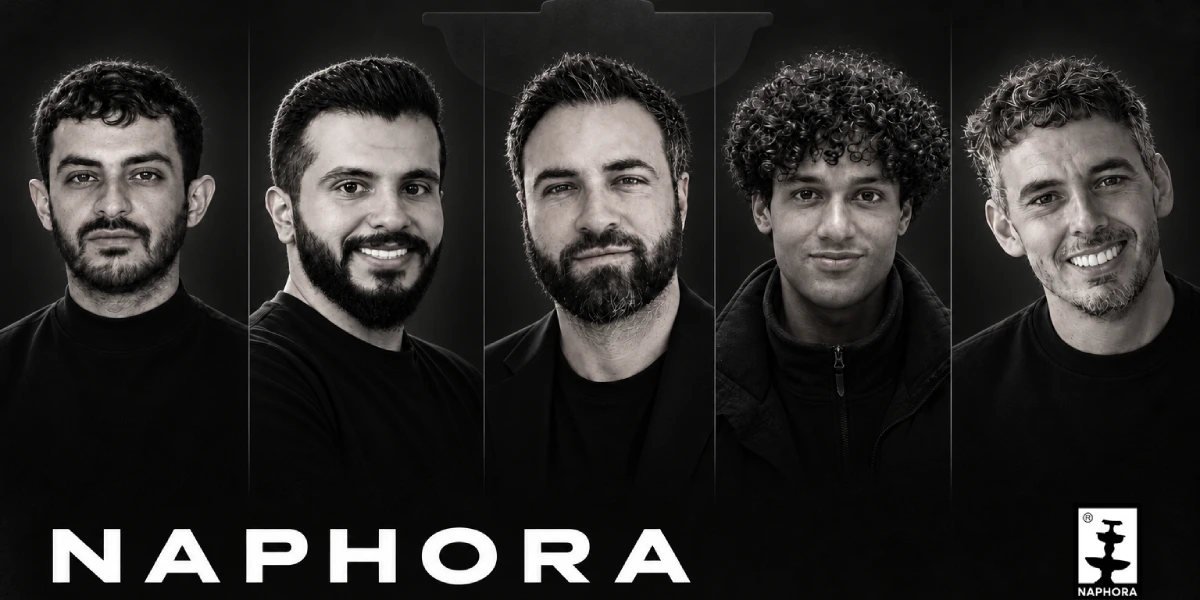
We rebuilt the organisation around speed, quality and data. Smaller teams. Higher talent density. Faster decision-making. Continuous marketability testing. Earlier product validation. Clearer accountability. A much tighter connection between development, product, marketing and data.
A major part of that rebuild was strengthening the leadership team. Vishal Mahadeo joined early on to lead Marketing, followed more recently by Jason Maundrell as Head of Product and Design. Both came from Halfbrick and bring significant experience building, operating and growing global mobile games.
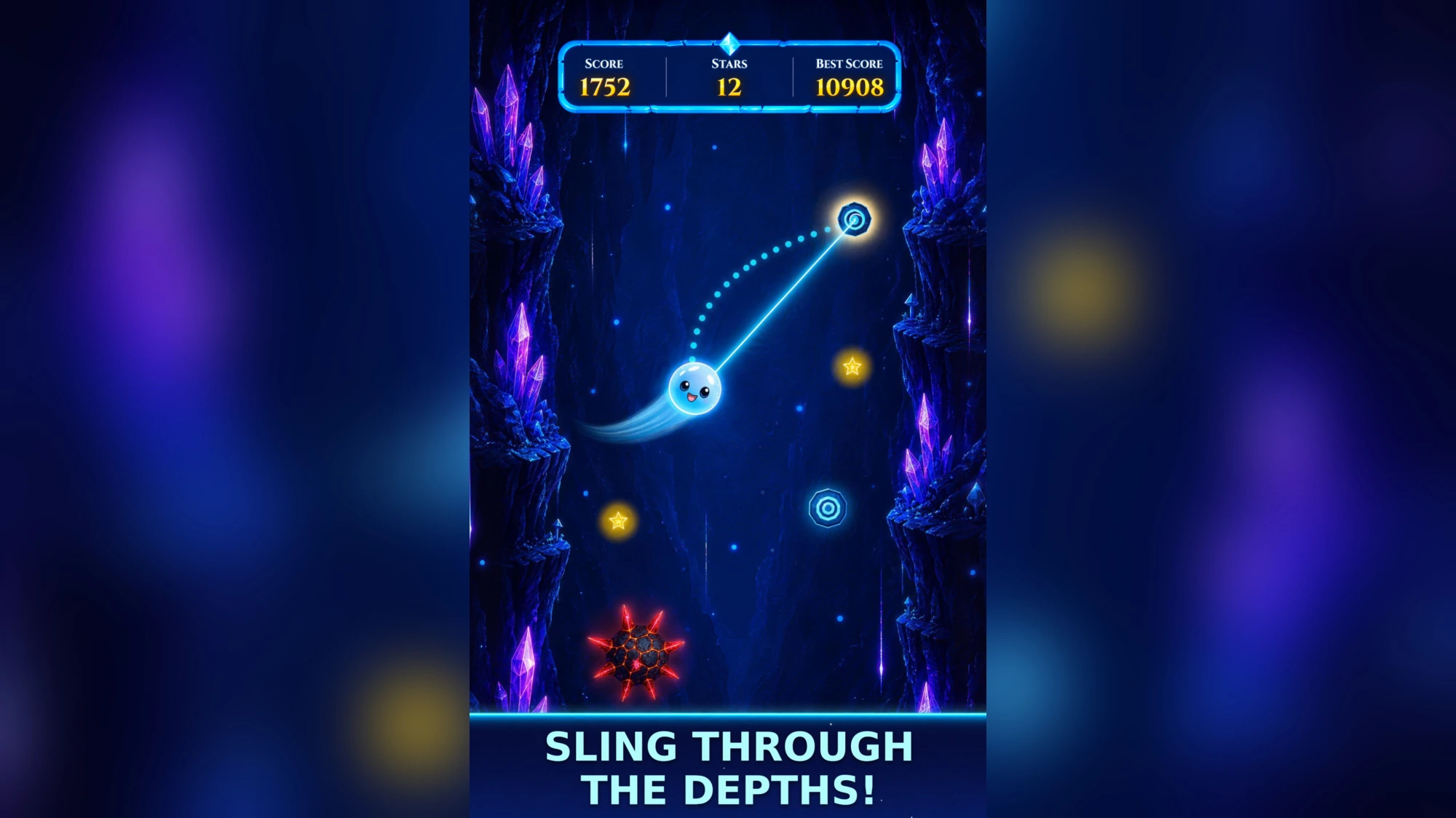
I believe our operating cadence already puts us ahead of most traditional studios. We have three products live, we're shipping every single week, learning from real players and using data to decide where we invest next. But speed of development alone is no longer a competitive advantage.
AI is rapidly removing many of the traditional barriers to product development. Today, almost anyone can build an app or a game in a matter of weeks. As creation becomes easier and cheaper, the real scarcity becomes attention and distribution.

That's why we're investing heavily in marketing. I don't see marketing as a support function that comes in once the game is finished. We're building our marketing team like a product team: testing constantly, producing creative at scale, reading data, understanding audiences and feeding those learnings directly back into the games we build.
The next generation of successful studios won't win simply because they can make games faster. They'll win because they can learn faster, find audiences earlier and build distribution into the product from day one. That's the company we're building.
Shotball was a major milestone under the old model, even receiving recognition from the Esports World Cup. Why has the company chosen to focus primarily on mobile games rather than PC and console in its new direction?
Shotball was an important part of Naphora's history, and we remain proud of what that team achieved. Our decision to focus on mobile is strategic rather than ideological. Mobile gives us access to the world's largest gaming audience, global distribution from day one, much shorter development and validation cycles, and an enormous amount of measurable player and market data. It fits the company we are building.
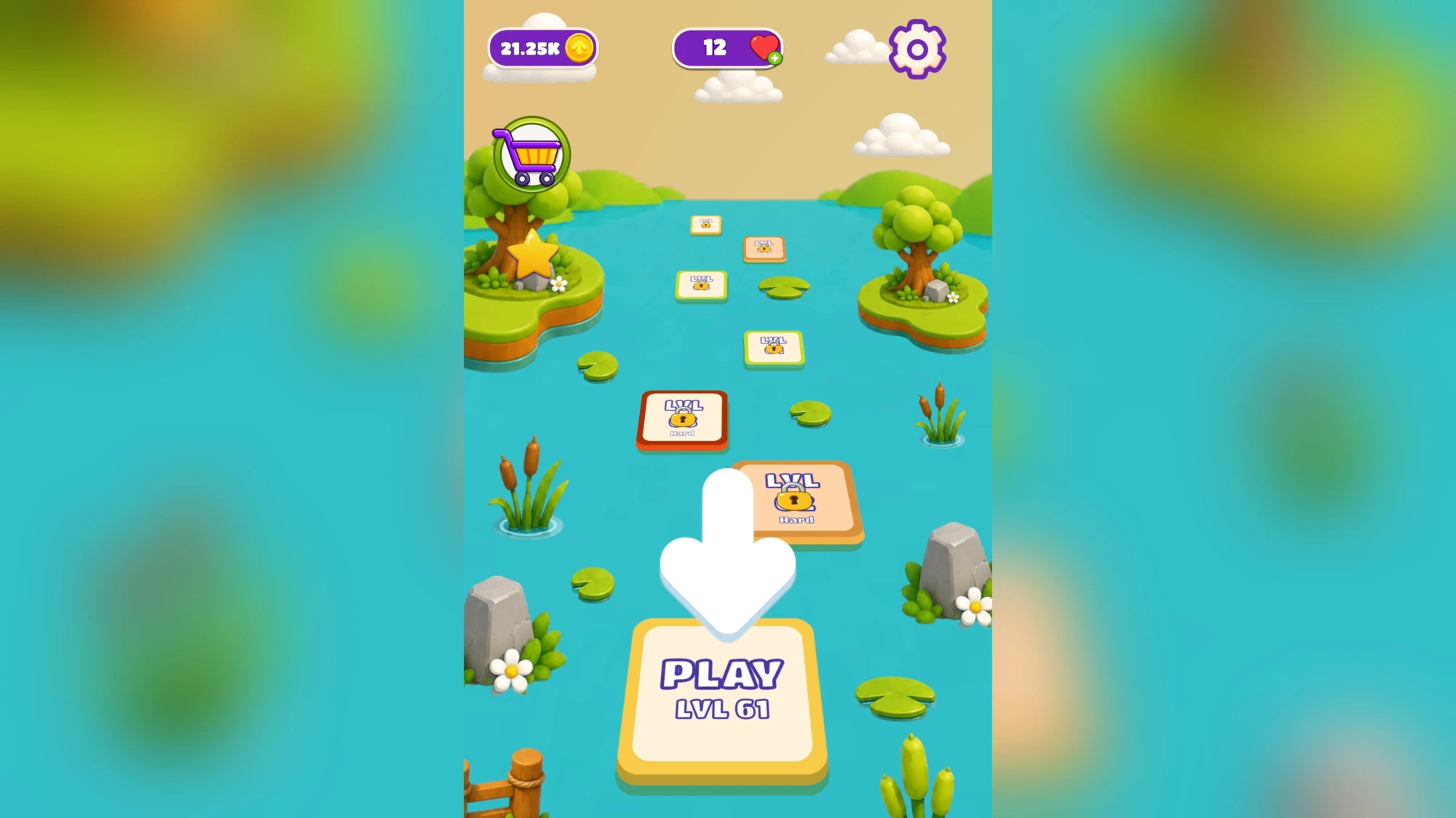
We can prototype quickly, test marketability before committing significant production capital, soft launch globally, measure acquisition, retention, engagement and monetisation, and increase investment as evidence increases.
That does not mean Naphora can never build for another platform. Platform should follow the opportunity, not the other way around. But right now, mobile is where we believe our operating model gives us the greatest competitive advantage.
You now have three mobile games in soft launch, with three more planned by the end of 2026. Is this high-volume approach designed to test more ideas and find potential hits? And how do you decide which games move forward to global launch and which ones are shelved?
Yes, but I would not describe the strategy as "high volume" for the sake of volume. The objective is to increase the number and quality of informed bets we can make while reducing the cost and time required to learn from each one. Every concept goes through progressive validation. We test marketability early.
“AI has moved from being a supportive tool to becoming part of the infrastructure of how we operate, but not a replacement for creative judgment.”
Charles Bussy
Then, as a game develops, we look increasingly at acquisition economics, retention, engagement, monetisation, player feedback and ultimately the potential return on additional investment. Production investment increases only as evidence increases. We fully expect to stop games. That is part of the model.
If we soft launch six games and ultimately identify one with genuine potential, that can be a very successful outcome. Once a game earns that conviction, the strategy changes from disciplined experimentation to aggressive investment and scale.
Naphora has not publicly disclosed external investment. How is the studio currently financing its development pipeline, and are you considering raising external capital to support its growth?
Naphora is privately backed and currently has the capital required to execute its development strategy. We are fortunate that this allows us to make long-term decisions without needing to raise capital simply to fund day-to-day development. That said, we are commercially ambitious and pragmatic.

We are open to strategic capital when it creates leverage, whether that is accelerating user acquisition behind a game that has demonstrated strong economics, expanding publishing capabilities or supporting another meaningful growth opportunity. We would raise because the opportunity justifies accelerating, not because the company needs capital to continue operating.
How central is AI to Naphora's development process today, and has its role changed since the company described it as a supportive tool in 2024?
AI has moved from being a supportive tool to becoming part of the infrastructure of how we operate, but not a replacement for creative judgment. We use AI across all parts of the organisation to accelerate iteration, automate repetitive work, support analysis and allow our teams to spend more time on higher-value creative and product decisions.
We have also invested significantly in building our own internal AI infrastructure rather than simply adding individual third-party tools to different departments. The principle is straightforward: AI should increase the leverage of exceptional people, not compensate for mediocre execution. The technology is evolving extremely quickly, so we expect its role in our development pipeline to continue expanding.
From your perspective, what’s unique about the startups you’re seeing in MENA compared to those from other regions? Is it greater use of AI, a focus on certain genres, or something else entirely?
The most interesting difference is not AI or a particular genre. It is the stage of the ecosystem. MENA has capital, a very young gaming audience, strong government support and increasingly ambitious founders. What it has historically had less of is the density of experienced operators who have repeatedly built and scaled global gaming products. That is changing.
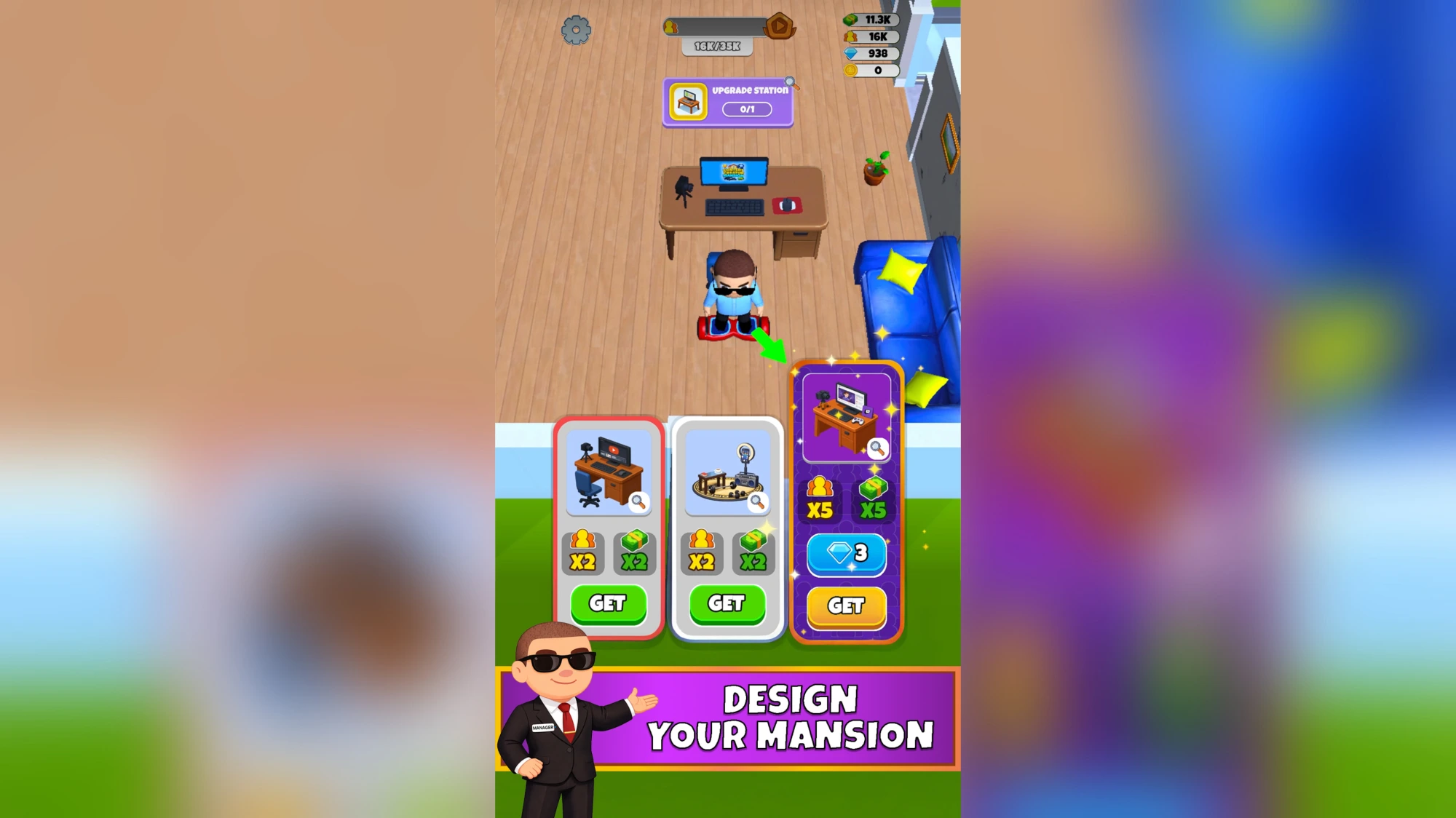
Saudi Arabia in particular is moving from being predominantly a consumer and investor in gaming toward becoming a creator of globally relevant games, companies and IP. The opportunity is therefore much larger than creating games specifically for MENA. The real opportunity is building companies in MENA that can compete globally. That is the standard we apply to Naphora.
Naphora’s goal is to become Saudi Arabia's leading mobile game developer and eventually one of the world's top mobile studios. What does it need to achieve to get there? And what are your plans for the rest of 2026?
The ambition is intentionally very high, but ambition without execution means very little. First, we have to prove the model repeatedly. We need to demonstrate that Naphora can consistently identify promising concepts, develop them quickly, validate them with real players and turn the strongest ones into scalable businesses.
Second, we need a global hit. Ultimately, the industry measures studios by the games and IP they create. Third, we need to continue increasing talent density. Our goal is not to become a company with hundreds of people as quickly as possible. We want to build an exceptional team where individual ownership is high and great people can have disproportionate impact.

That applies to the leadership team as well. The additions of Vishal Mahadeo and Jason Maundrell are part of that strategy: bringing experienced global mobile operators into Naphora and combining that experience with the talent and capabilities we are building in Saudi Arabia.
For the remainder of 2026, execution is straightforward: three games are already in soft launch, another three are planned before year-end, and we will continue pushing those games through our product experimentation and validation pipeline while building the next generation behind them.
We are not trying to declare victory, we have built the machine. Now we need to prove that it can produce exceptional outcomes repeatedly.
Companies
