'Crippling, devastating, not acceptable': How the DFA threatens mobile gaming as we know it

This article was first published in the PocketGamer.biz newsletter. Subscribe for more content like this straight to your inbox here - you'll even get discounts on PGC events.
“Game over.” “Unworkable, unjustified and disproportionate.”
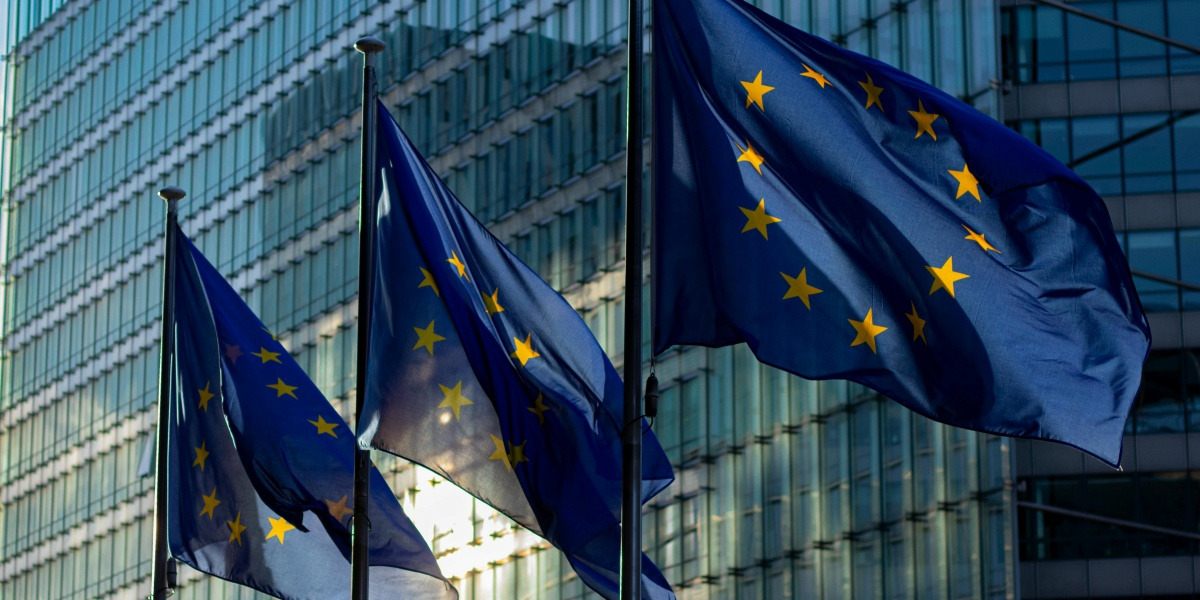
It’s safe to say, the EU’s draft proposal for the Digital Fairness Act has not gone down well in the games industry.
The European Commission calls for changes to in-game currencies to more clearly state their real currency value, disclose loot box odds and give users ability to turn off loot boxes - with all IAPs disabled by default for minors. The description of minors, for the purposes of the DFA, is anyone under the age of 18.
The draft also takes aim at engagement mechanics in games - in the same breath as infinite scrolling on social media (yes, I read the report) - though is a bit vague on the details. But it does bring it in line with the EU Kids Act which games companies are also grappling with.
"Devastating impact"
In a joint statement, the European Games Developer Federation and Video Games Europe said new regulation would “cripple the competitiveness of Europe’s world-leading video games industry”. It said the proposal “will have a devastating impact on a major European success story”.
Supercell CEO Ilkka Paananen backed the statement. He previously warned the DFA risked killing Europe’s game sector. This week, he said the new rules will hurt consumers and called for an urgent rethink. King president Todd Green said the regulation would add “further uncertainty” and would “necessitate material redevelopment of games on the EU market”.
There’s also confusion, Green notes, over exactly what’s allowed and what isn’t. “Companies will struggle to determine whether ordinary features, such as in-game currency, optional purchases or progression mechanics, fall within scope, and what changes would be required before enforcement begins."
The EGDF and VGE put it simply: “Under these proposals, no developer could be sure whether their game breaks the DFA’s rules, which, in the context of fines of up to 6% of global turnover, is not acceptable.”
Industry shift
It’s a serious threat to the status quo of the mobile games industry, undermining many common practices. One person I spoke to said the Commission has taken a maximalist position - the EU may end up backing down on some points through further consultation, but that’s not guaranteed. Another person said it could be the end for loot boxes, already under scrutiny in Europe where they are banned in Belgium, home of the European Commission.

The dismay comes not only from the proposals, which cut deep, but that the EC may not be fully engaging with the games industry. On price transparency, the EGDF and VGE expressed surprise and disappointment that industry proposals weren’t considered. In its assessment, the European Commission has noted that self-regulation for games would be supported, but was light on practical details. The industry already has the PEGI age-rating system.
Too little, too late?
The industry, publicly at least, appeared late to the party for the initial consultation for the DFA which ran until Friday, October 24th, 2025. News of the regulation’s potentially substantial impact only hit home a few weeks before when Ilkka Paananen issued a rallying cry to the industry in a letter titled ‘Let's not kill one of Europe's few tech success stories'.
Perhaps consultation and discussions had already taken place privately. But where was the galvanising call from European trade organisations? Why did it take the CEO of Supercell to, seemingly, kick the industry into action? I’d find it hard to believe that lobbying efforts from big tech and social media firms would result in this kind of scramble - despite the mire of regulation the latter find themselves in right now.

The EGDF and VGE said they are offering concrete proposals to the EU in the face of the DFA, though.
“Purchases and online communication would be switched off by default for children, and only a parent could switch them on. Players would see clear prices in real money, be able to get refunds for in-game currency they have not used and buy smaller top-ups so they don’t end up with more currency than they need.”
The next step for the DFA is for the European Parliament and Council to examine and negotiate the proposal. This may not be the final form of the regulation.
But it’s going to be a nervous wait for Europe’s games industry, home to giants like King and Supercell.
Industry regulation will be a key topic of conversation at Pocket Gamer Connects London on January 18th and 19th, 2026. The conference attracts around 3,000 industry professionals, including developers, publishers and investors, from around the world. Join the show and attend the Demystifying Digital Policy track by registering for a ticket here.
Companies




People

