How Monopoly Go stays fresh with seasonal mechanics

- Monopoly Go's seasons have featured crossovers with Marvel, Star Wars, Harry Potter and more, as well as original concepts.
- Specific content like chocolate frogs and pod racing aim to help each season feel fresh while fitting the theme.
For some time, Scopely’s flagship Monopoly Go has been leveraging the increasingly prevalent seasonal model to introduce fresh content to mobile players. Some have focused on IP collaboration by joining the Jedi, teaming up with the KPop Demon Hunters or even assembling alongside Marvel’s superheroes.
Others have focused on original content, with the likes of Pets Season putting Scottie and Duke in the spotlight while simultaneously celebrating fans and their own real-world animals.
Whether it’s original concepts or collaboration-centric, Scopely uses seasons to bring fresh ideas. Sometimes, to introduce entirely new gameplay systems. The goal is to elevate seasons beyond a new theme plastered over an old experience. Rather, they’re a means to deliver unique mechanics and keep players returning for more.
“We are continuing to learn the right level of seasonal change and takeover, while making sure the game remains approachable and focused over time.”Christian Kurlemann
We speak with Monopoly Go’s VP of product roadmap Christian Kurlemann to find out more about Scopely’s approach to seasons, the ideation model for new mechanics and the overall impact on Monopoly Go’s identity.
"Our goal is to stay true to what makes Monopoly Go special while keeping the game fresh. We are not trying to force the game in a predetermined direction. We are paying attention to what players are excited about and finding the right way to build on it," Kurlemann shares.
"We want players to have fun and experience new things while keeping the core of the game approachable."
Exploring ideas
Monopoly Go first launched in 2023 after a lengthy seven years of development. That investment soon paid off when the game released, quickly becoming one of the most successful mobile launches of all time. Monopoly Go raced to its first $1 billion in under half a year and tripled that sum by its first anniversary.
The game now has more than $6 billion in lifetime player spending, a feat achieved just in time for its third anniversary this spring. It’s also been enough time for Scopely to explore a range of ideas, themes and elements. In fact, even ideation itself has evolved.
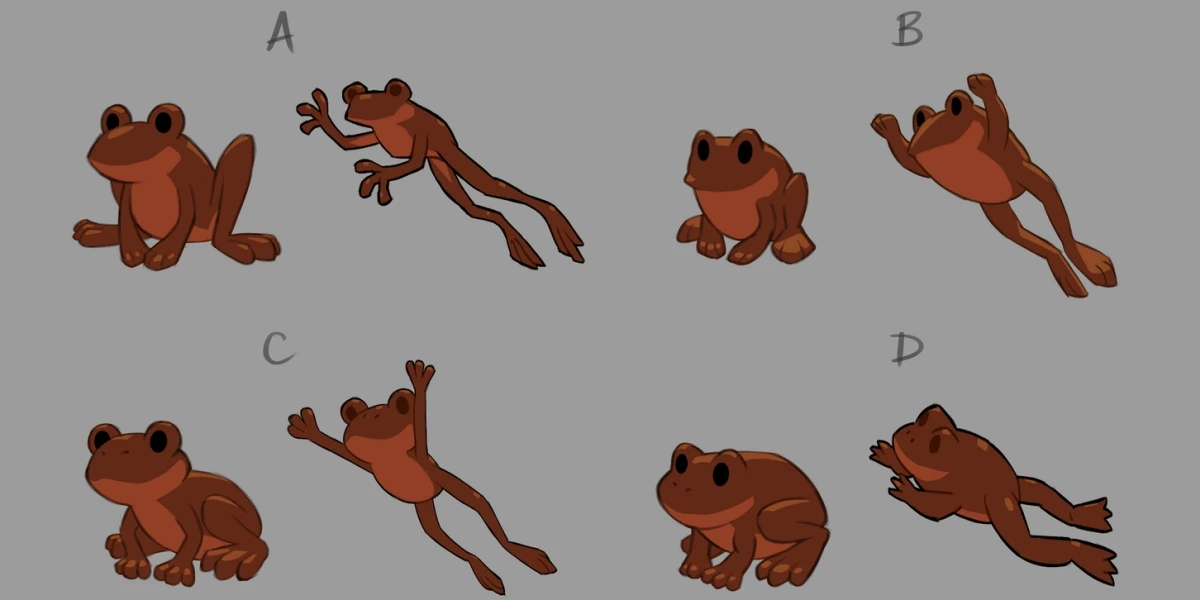
"Our design process starts wide. We explore lots of different ideas, then deliberately narrow down to those we think are strongest. Increasingly, we are also building prototypes and playing them rather than evaluating everything on paper. That helps us understand whether an idea is actually fun and feels right for Monopoly Go," Kurlemann explains.
He adds that ideation is rooted in actually playing the game, as this gives team members a similar perspective to the community on the Monopoly Go experience. Combined with that, the team discusses "building more exciting ‘roller coasters’ for players", meaning surprising experiences with highs and lows that keep things fresh.
“Increasingly, we are also building prototypes and playing them rather than evaluating everything on paper.”Christian Kurlemann
"At the same time, we need to be thoughtful about how we evolve the game and stay true to what makes Monopoly Go fun. That also means making sure new experiences are accessible to everyone. A player returning after time away should be able to jump back into the latest content and connect with their friends right away," he says.
Every team is involved in some way, bringing expertise from various fields. Delivering an idea in-game can be achieved in a few days if it’s straightforward enough, but timelines look longer for more complex or higher-risk ideas, potentially taking multiple months.
"Because there is no single path from idea to playable build, we start early and give the design process room to develop. That lets us build, learn and ship when things are ready, and ground our decisions in what is best for our players."

Kurlemann notes that when it comes to mechanics, the team looks for ideas that fit an upcoming season intuitively rather than creating something in isolation and sticking a brand on it. By tying a mechanic to a season, it is also easier to monitor and understand how the overall experience resonates with players, as opposed to introducing new elements partway through.
"Changing things in the middle of a season can significantly affect how people play, whereas introducing features as part of a new season lets the community experience them together from the start," Kurlemann expands.
"With fewer variables changing at once, we can look at a season and ask what worked, what did not and why."
The developer also intentionally aims to introduce gameplay that feels different from recent seasons. If introducing something new adds excitement, making it a daily fixture wouldn’t maintain that excitement.
There’s a careful balance: Monopoly Go must be willing to take risks but not use seasons "as a testing framework". Ultimately, player experience comes above all.
Leveraging and learning
Discussing specific seasons and their directly themed content, such as pod racing during the Star Wars crossover or chocolate frogs in the Harry Potter team-up, we ask Kurlemann how mechanics are made to fit and whether a popular feature can remain post-collab.
He answers that an "underlying idea" may work in another season provided it’s expressed in that new theme, "so it feels as though it could only happen in that world". A core idea can be flexible, but the theme, presentation and twists "need to feel new and specific each time".
"We are not putting mechanics into a season to see whether they will stick. A seasonal experience should be great for players at that moment, and then the next season should bring something new and novel. If players really love a mechanic, we can bring it back later when the timing makes sense, potentially with a fresh twist."
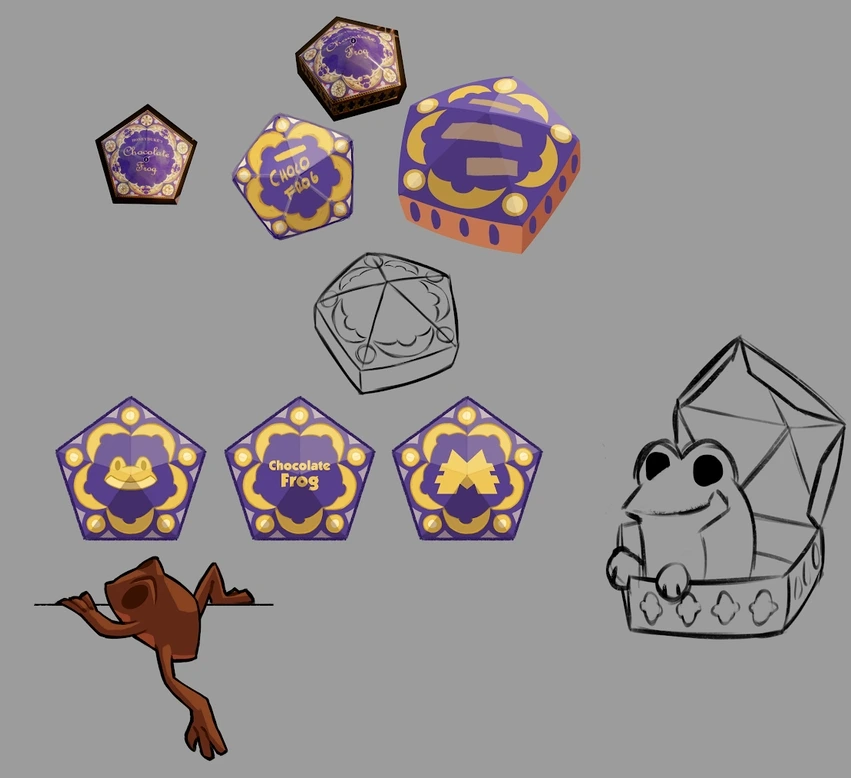
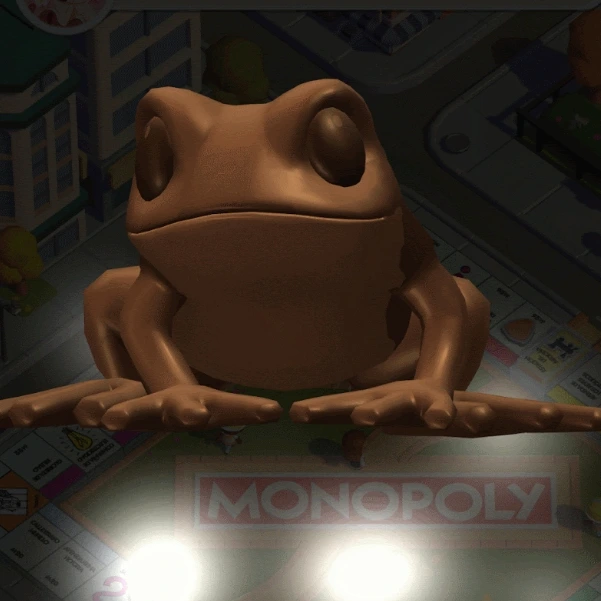
For example, chocolate frogs appear in the Harry Potter world as boxed treats with a collectable card included - depicting an individual from the in-universe Famous Witches and Wizards collection.
Monopoly Go features stickers, so during this IP crossover, a chocolate frog box had a random chance to appear in sticker packs alongside a pentagon-shaped sticker - similarly depicting one of these characters. There were also bonus mystery rewards like exclusive tokens, themed emojis, themed dice and more.
“We want players to have fun and experience new things while keeping the core of the game approachable.”Christian Kurlemann
"They bring together the spirit of the IP and a familiar Monopoly Go behaviour: opening a pack and hoping for something exciting. The boxes, collectable cards and animated presentation make it feel authentic to Harry Potter, while the anticipation of discovering a reward is already native to our game," explains Kurlemann.
"That lets us bring the magic of the IP into the game loop rather than simply placing branded assets on top of an existing mechanic."
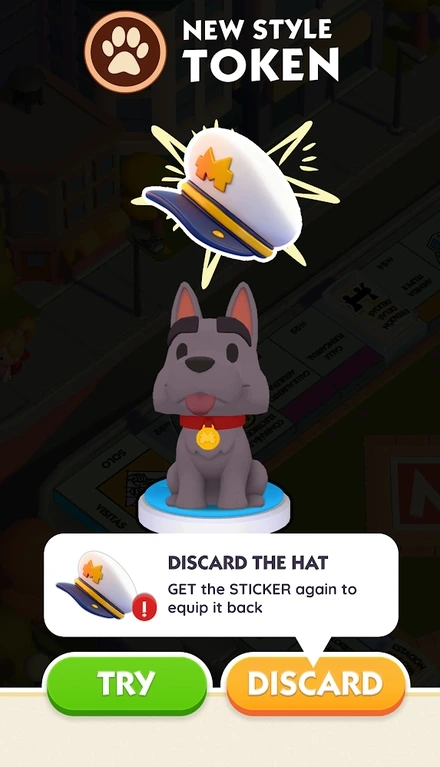
Conversely, a period not directly tied to another IP, such as Pets Season, can offer a different type of opportunity. This was seen as a chance to add new customisation options, building on Monopoly Go’s existing tokens and collection systems.
As some people enjoy dressing up pets in outfits and accessories in the real world, Style Tokens were introduced as a way to personalise the animals in-game, adding a fresh element without leaning on an external IP.
"We are continuing to learn the right level of seasonal change and takeover, while making sure the game remains approachable and focused over time," Kurlemann adds.
"We also pay attention to what the community is saying. Are players sharing a surprising outcome? Are they having a great time with a new feature or are they frustrated? We take both kinds of feedback seriously."
He concludes that metrics are useful signifiers but are part of a broader picture. A successful season should show players responding well to mechanics, enough that the team should "explore more ideas in that spirit", while negative feedback can be valuable too. It gives the team another opportunity to learn.
"It is an ongoing process, and we will keep learning with our players."
Ultimately, player feedback, game experience and data suggestions all inform Monopoly Go’s direction of travel, while the core of the game remains intact. Combined with this comes the team’s own judgement. That’s "the art and science of game-making".
Earlier this year, Kurlemann joined us on stage at Pocket Gamer Connects Summit San Francisco to discuss 10 years of Pokémon Go. Scopely has since ranked number one in our Top 50 Mobile Game Makers of 2026 list.
Companies
People